Stove Burners Smoking? Why Spills Burn and the Drip Pans That End It
Burnt-on spills and stained drip pans smoke every time the burner heats. Clean them out, then swap worn pans for fresh ones that fit.
By Jamilur Rahman Updated November 5, 2026 · 8 min read
- Time
- 30 min
- Cost
- Under $20
- Difficulty
- Easy
In this guide
Quick answer
To stop stove burners from smoking, find what is burning: almost always old food or grease on the coil or the drip pan under it, or a thin factory coating on a new stove. Let everything cool, clean the burner and pan, then run the burner empty on high for a few minutes with the vent fan on. If the pans are warped or stained black, fresh drip pans that fit your model end the smoke for good. Smell gas or burning wire? Stop and read the safety note below.
Free fix vs. permanent fix
Clean the burner and pan, then burn it off
- Cool the stove fully, then lift out the coils and pans
- Scrub with hot soapy water and a baking soda paste
- Wipe the burner socket with a damp cloth and dry everything
- Run each burner empty on high for 3 to 5 minutes, vent fan on
How long it lasts: Weeks to months if the pans are in good shape. Warped or pitted pans keep holding grease, so the smoke returns after the next spill.
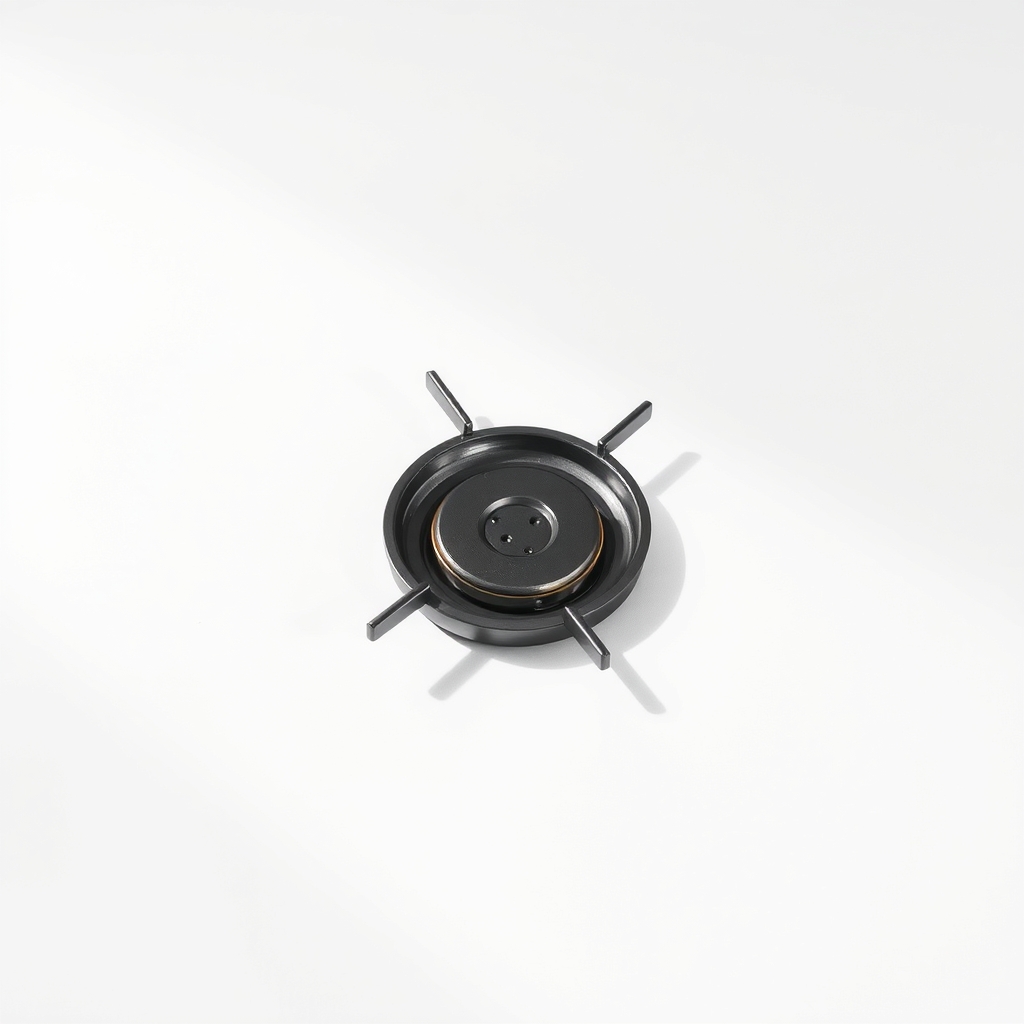
Fresh drip pans that fit your stove
Drip pans catch the spills that would otherwise bake onto hot metal. Old pans hold grease in pits and warps that no scrubbing reaches, and that residue smokes every time the burner heats. A new pan that fits snugly starts you with a clean, flat surface.
What to get: Replacement stove burner drip pans
How long it lasts: Several years, as long as you wipe spills up once the pan is cool
As an Amazon Associate I earn from qualifying purchases.
What you'll need
-
Baking soda
Mixed into a paste for the scrubbing
You have it -
Non-scratch scrub pad
Steel wool can scratch the pan finish and leave rust specks
You have it -
Old gift card or plastic scraper
Lifts crusty spills without gouging the metal
Free - Illustration
Kitchen degreaser spray
For pans and cooktops that are still in decent shape
- Our pick Illustration
Replacement stove drip pans
Match the coil size and your range model number
Why it happens
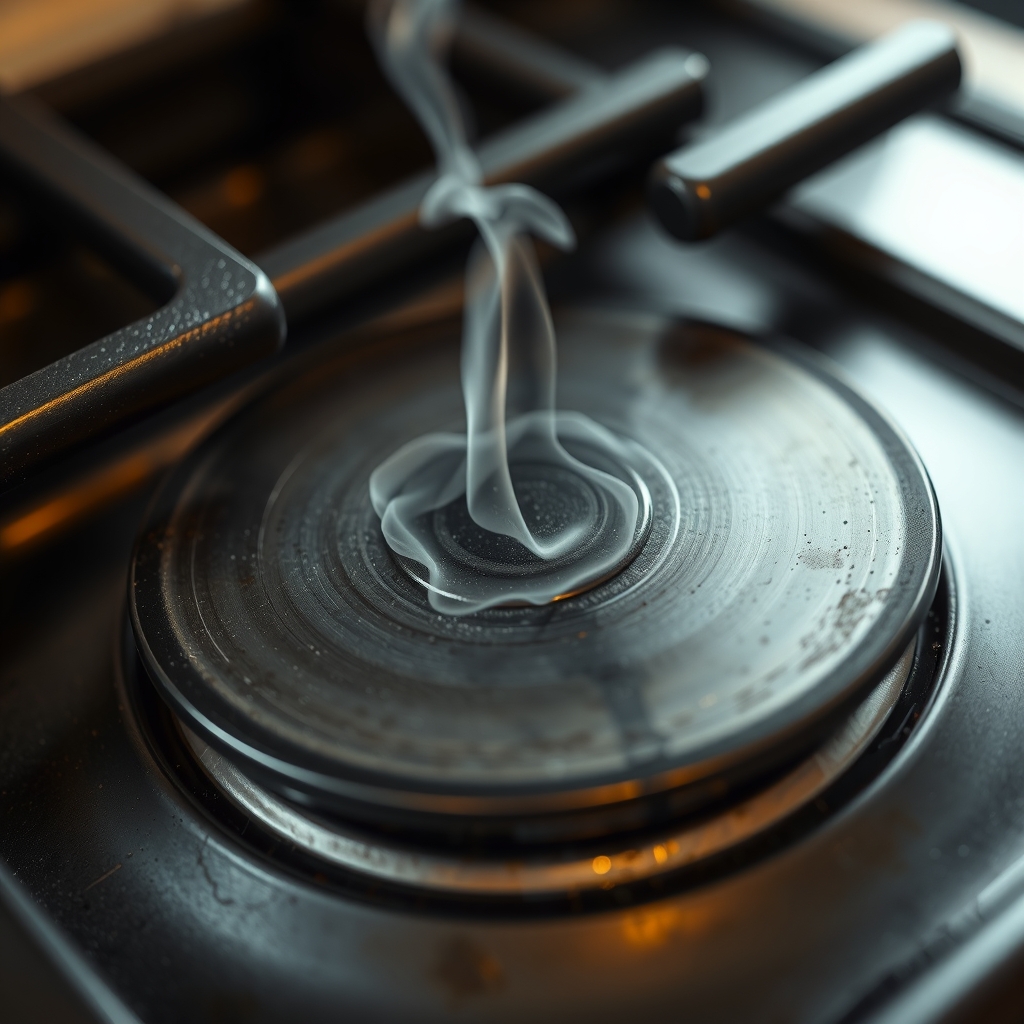
Spilled food and grease on the burner or pan
Anything that lands on a hot coil or pan cooks off as smoke. Even a thin film left from a boil-over or bacon splatter will smoke the next time that burner heats.
Warped, rusted, or blackened drip pans
A pan that sits crooked lets spills run past it onto the cooktop. Pitted and burnt-black pans hold grease in the pits, and it smokes again each time, no matter how hard you wipe the surface.
A new stove or new coils
New burners and ovens often carry a thin protective coating or oil from the factory. It burns off with a little smoke and smell during the first few uses. That should fade after two or three runs.
Oil past its smoke point
A pan of oil on high heat smokes even on a spotless stove. Butter and olive oil start to smoke at lower temperatures than refined avocado or canola oil, so drop the heat or switch oils.
Food stuck under gas grates or in burner ports
On gas ranges, crumbs and boil-over collect on the burner cap and in the ports. They scorch when the flame is on, and the smoke seems to come from nowhere.
Try this first (free)
Do these in order, starting with the simplest.
-
Switch everything off and let it cool
Wait until the coils are cool to the touch, about 30 minutes after cooking. Pull each coil straight out of its socket without twisting, and lift out the drip pans. Take a quick photo so you remember how they go back.
-
Scrub the pans with baking soda paste
Tool used: Non-scratch scrub padMix 3 tablespoons of baking soda with about 1 tablespoon of water until it looks like toothpaste. Spread it on the pan, wait 15 minutes, then scrub with a non-scratch pad. Lift stubborn crust with a plastic scraper.
-
Degrease the cooktop and wipe the coil
Tool used: Kitchen degreaser spraySpray the cooktop under where the pan sat and wipe it clean. Wipe each coil with a damp cloth only. Never soak or submerge a coil, and let everything dry fully before reassembling.
IllustrationCheck price on AmazonTool for this step
Kitchen degreaser spray · For pans and cooktops that are still in decent shape
-
Decide: keep the pans or replace them
Tool used: Replacement stove drip pansHold each pan up to the light. If it is warped, rusted through, or black in the pits, replace it. Measure the ring (coil sizes are often 6 or 8 inches) or look up your range model number so the new pan fits.
IllustrationCheck price on AmazonTool for this step
Replacement stove drip pans · Match the coil size and your range model number
-
Burn off what is left
Put everything back, open a window, run the vent fan, and run each burner empty on high for 3 to 5 minutes. A little smoke on the first run is normal. It should be gone by the second.
When free fixes aren't enough
If you clean the burner and it still smokes while empty, spilled food is not the cause, and the pans are the next suspect. Bent, rusty, or deeply blackened pans cannot be cleaned back to new, and replacing them is cheaper than another hour of scrubbing. A coil that is cracked, blistered, or sparks at the socket needs replacing, and the socket should be checked. Smoke with a burning-plastic or hot-wire smell, or a socket that looks scorched, is an electrical fault. Stop using that burner and call an appliance technician.
Buy the fix
Still stuck after the free fixes? These are the products we would look at.
| Pick | Product | Fixes | Who it's for | Buy |
|---|---|---|---|---|
| Best pick | Replacement stove burner drip pans | smoke from burnt spills held in old, warped, or pitted pans | Anyone with electric coil burners whose pans are bent, rusted, or black in the pits. | Check price |
| Budget pick | Kitchen degreaser spray | old grease on pans and cooktops that are still in good shape | People whose pans are straight and not rusted, who would rather clean than replace. | Check price |
Replacement stove burner drip pans
Fixes: smoke from burnt spills held in old, warped, or pitted pans
Look for: Fits your stove: matches the coil size and your model number; Smooth steel or chrome finish that wipes clean; A rim that sits flat so spills cannot run underneath.
- Who it's for
- Anyone with electric coil burners whose pans are bent, rusted, or black in the pits.
- Honest downside
- Your stove has a glass top or sealed burners with no pans to replace. Use the degreaser on the cooktop instead.
Kitchen degreaser spray
Fixes: old grease on pans and cooktops that are still in good shape
Look for: Cuts baked-on grease at room temperature; Labeled safe for stove tops and appliance finishes; Rinses or wipes off without leaving a film.
- Who it's for
- People whose pans are straight and not rusted, who would rather clean than replace.
- Honest downside
- Your pans are bent, pitted, or rusted. A degreaser cannot repair damaged metal.
As an Amazon Associate I earn from qualifying purchases. We don't show prices because they change, so use the button to see today's price.
How we picked: How we picked: this page is based on range owner manuals, appliance care guides from stove makers, and the problems and fixes owners report in reviews. We do not test products by hand.
Which stove do you have? The fix changes
- Electric coil burners: drip pans sit under each coil. This is the stove this page is about, and fresh pans are the fix.
- Gas burners: clean the burner cap and ports with a soft brush and warm soapy water, then dry them. Some ranges have pans or bowls under the burners.
- Glass top or sealed burners: there are no pans. Wipe spills while the top is cool with a cooktop-safe cleaner.
Stop the smoke before you cook next time
Wipe a spill as soon as the pan is cool. Turn the burner off before you lift a pan that has boiled over. Use a pot that matches the coil size so food does not slop onto the pan. A 30-second wipe after each use beats a full scrub every month.
When smoke means stop
Turn the stove off and leave the kitchen if you smell gas (like rotten eggs), see flames, or hear sparking. Do not flip light switches, and call your gas utility or emergency services from outside. For a grease fire in a pan, turn off the heat and slide a lid over it. Never pour water on it.
What to skip
Lining drip pans with aluminum foil
Foil looks like a cheap fix, but many range manuals warn against it. It can trap heat under the coil and damage the socket, and spills still bake onto it. Check your manual first, and do not use foil on a burner that is already smoking.
Frequently asked questions
Why is my stove smoking?
Why is my stove smoking when I turn it on?
My stove keeps smoking even after I cleaned it. What now?
Is smoke from a stove burner dangerous?
Related problems
 Free fix inside
Kitchen · Stove
Stove Top Cleaner: What Works on Burnt-On Glass Cooktops
Read the fix Free fix inside
Kitchen · Stove
Stove Knob Broken or Loose? Universal Knob Sets That Fit Most Ranges
Read the fix Free fix inside
Kitchen · Stove
Stove Top Covers: Get Counter Space Back in a Small Kitchen
Read the fix Free fix inside
Kitchen · Oven
Burnt Smell in Your Oven? The Clean-Out That Ends It
Read the fixAs an Amazon Associate I earn from qualifying purchases. Affiliate disclosure