Burnt Smell in Your Oven? The Clean-Out That Ends It
A burning smell when you preheat usually comes from old residue, not a broken oven. Find the source, clean it out and use a gel for what a paste will not lift.
By Jamilur Rahman Updated November 5, 2026 · 7 min read
- Time
- 30 min plus soak
- Cost
- Under $20
- Difficulty
- Easy
In this guide
Quick answer
How to get rid of a burnt smell in the oven: find and remove the baked-on residue causing it, since the smell is carbonized food and grease heating up. Soak the racks, spread a baking soda paste on the stains, and wipe it out. If grease is still baked on, an oven cleaner gel clings to the walls and breaks it down without hard scrubbing.
Free fix vs. permanent fix
Baking soda paste and a steam rinse
- Check the oven for anything left inside, like plastic or foil
- Soak the racks in hot soapy water
- Leave baking soda paste on the walls overnight
- Wipe clean, then steam with water and lemon slices
How long it lasts: Works well on light and moderate residue. Old, thick, polymerized grease may need more than one round.
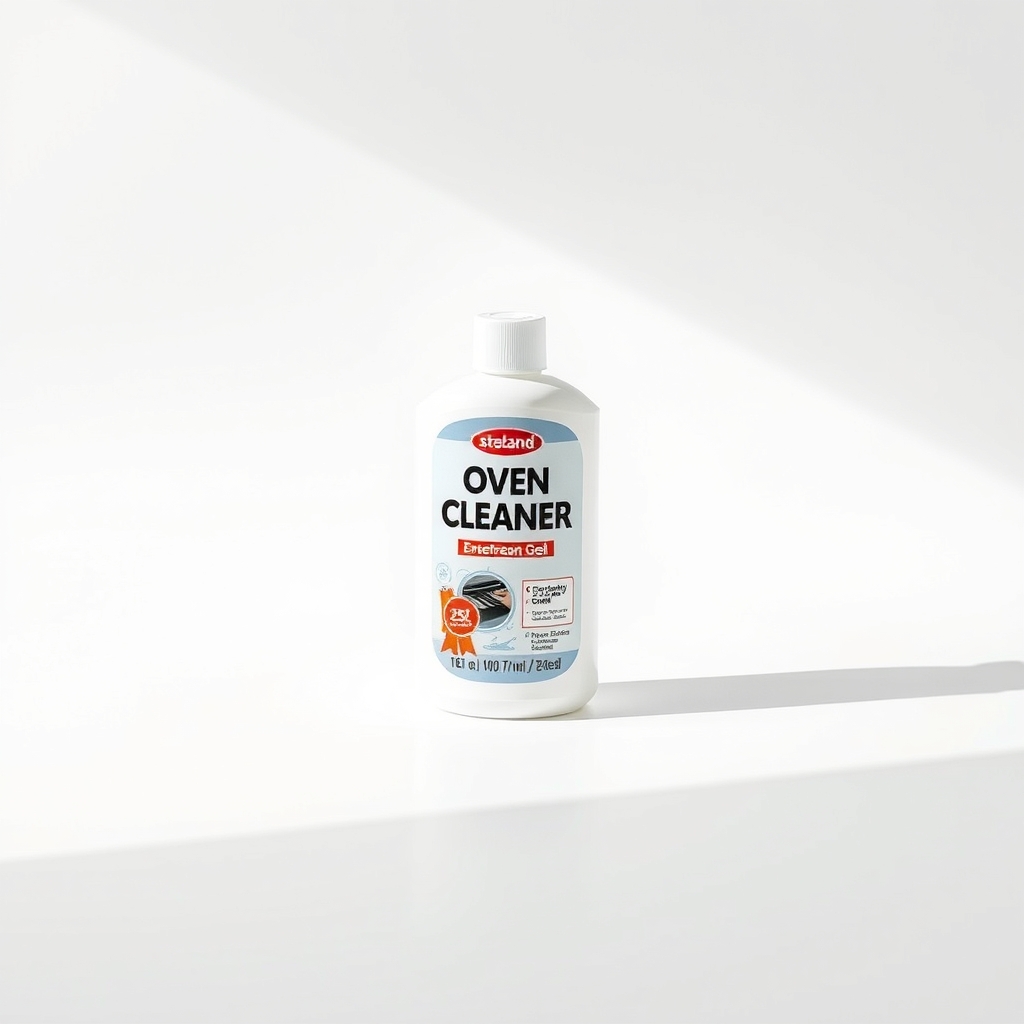
An oven cleaner gel
Baked-on grease turns into a hard, varnish-like layer that a paste will only loosen. A gel is stronger and clings to vertical walls, so it works on the grease itself, which is where the burning smell comes from.
What to get: Oven cleaner gel
How long it lasts: As long as you clean again before spills build up, so a few times a year.
As an Amazon Associate I earn from qualifying purchases.
What you'll need
-
Baking soda
Mixed into a paste for the walls and floor
You have it -
White vinegar and a spray bottle
To lift white paste residue
You have it -
Rubber gloves and safety glasses
Needed for any cleaner, even a mild one
You have it - Our pick Illustration
Oven cleaner gel
For baked-on grease a paste will not move
- Illustration
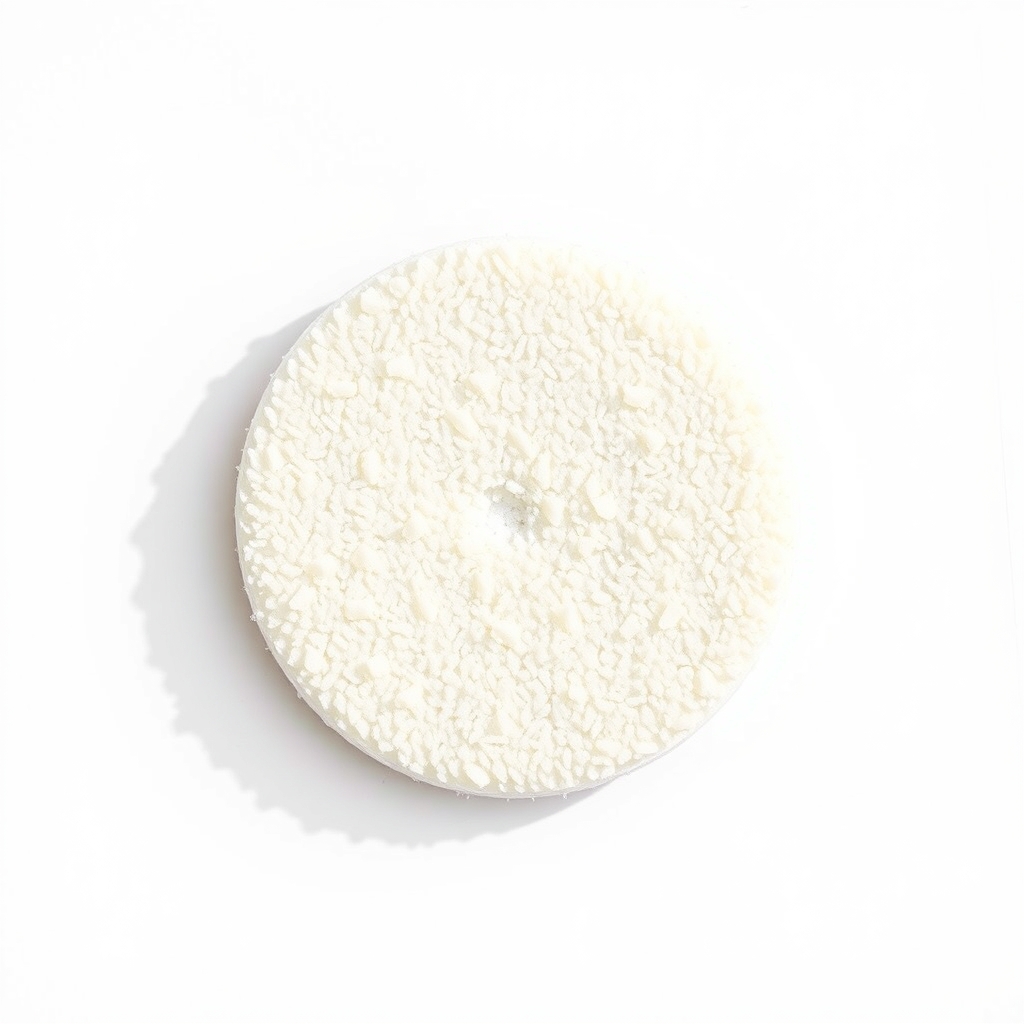
Non-scratch scrub pads
Lifts residue without scarring the enamel
Why it happens
Baked-on grease and food on the floor or walls
This is the usual cause. Each time the oven heats, the old residue burns a little more and gives off a sharp, acrid smell, especially during preheating.
Something left inside the oven
A plastic lid, a silicone mat, a bag of takeout, or a pan used as storage can melt or scorch. Check before you clean anything.
Residue on the heating element or the rack supports
Drips that land on the element or the rack rails burn with every use and are easy to miss. They tend to smell worst at the start of a cook.
Leftover cleaner
A film of cleaner that was not wiped away heats up and smells chemical or burnt. A thorough wipe with plain water solves it.
A failing fan motor or wiring
If the oven is clean and empty and the burning smell continues, especially with a hot electrical or plastic odor, a motor or wire may be failing. That needs a technician.
Try this first (free)
Do these in order, starting with the simplest.
-
1. Check for anything left inside
Switch the oven off, let it cool and look. Remove any plastic, foil, silicone or stray pans. Open a window and turn on the vent fan.
-
2. Soak the racks
Tool used: Non-scratch scrub padsSlide the racks out and soak them in hot water and dish soap in a sink or tub for 30 minutes. Scrub with a non-scratch pad and rinse.
IllustrationCheck price on AmazonTool for this step
Non-scratch scrub pads · Lifts residue without scarring the enamel
-
3. Spread a baking soda paste on the walls and floor
Tool used: Baking sodaMix about half a cup of baking soda with 3 tablespoons of water. With gloves on, spread it over the stains, skipping the heating element and any gas ports. Leave it overnight for heavy residue.
-
4. Wipe it out and rinse well
Tool used: White vinegar and a spray bottleWipe with a damp cloth, then spray lightly with white vinegar to lift the chalky film and wipe again. Keep wiping with clean water until the cloth comes away clean.
-
5. Use a gel on what is left
Tool used: Oven cleaner gelPut on gloves and safety glasses, and ventilate the room. Apply the gel to the baked-on patches as the label says, wait the listed time, then wipe off and rinse until no film is left.
IllustrationCheck price on AmazonTool for this step
Oven cleaner gel · For baked-on grease a paste will not move
-
6. Steam out the lingering smell
Set an oven-safe dish of water with a few lemon slices on a rack, heat to 250°F for 30 minutes, then let it cool and air the oven out.
When free fixes aren't enough
The baking soda paste is gentle and works well on light residue. Thick, shiny, varnish-like grease patches, usually on the floor and the back wall, are a different story. You can scrub for an hour and still smell them at 350°F. A gel is made for that job, because it sits on the surface and does the work for you. Do not use a caustic gel on a catalytic liner, the door gasket or aluminum parts, and check your manual first. If the oven still smells like burning plastic or hot wiring when it is clean and empty, stop using it and call a technician.
Buy the fix
Still stuck after the free fixes? These are the products we would look at.
| Pick | Product | Fixes | Who it's for | Buy |
|---|---|---|---|---|
| Best pick | Oven cleaner gel | baked-on grease that causes the burnt smell and survives a paste | Anyone with thick baked-on grease that has not budged after a baking soda paste. | Check price |
| Budget pick | Non-scratch scrub pads | stubborn spots after a paste has softened them | Anyone who wants to try the free paste method before spending more. | Check price |
Oven cleaner gel
Fixes: baked-on grease that causes the burnt smell and survives a paste
Look for: A thick gel that clings to vertical walls and the door; Label directions for your oven type, including self-cleaning ovens; Clear dwell time and rinse instructions; A low-odor or fume-reduced formula if you cannot ventilate well.
- Who it's for
- Anyone with thick baked-on grease that has not budged after a baking soda paste.
- Honest downside
- Your oven has a catalytic liner, or your manual says not to use commercial cleaners. Stick with the paste.
Non-scratch scrub pads
Fixes: stubborn spots after a paste has softened them
Look for: Nylon, not metal, so the enamel is not scratched; A grip that works wet with gloves on; Labeled as safe for enamel and non-stick surfaces.
- Who it's for
- Anyone who wants to try the free paste method before spending more.
- Honest downside
- You plan to use a gel. A pad will not do the heavy lifting on thick grease on its own.
As an Amazon Associate I earn from qualifying purchases. We don't show prices because they change, so use the button to see today's price.
How we picked: How we picked: this page is based on oven owner manuals, cleaning guidance from appliance makers, public gas and fire safety advice, and what owners report in reviews of oven cleaner gels. We do not test products by hand.
If you smell gas or something electrical
A rotten-egg smell means gas. Leave the house and call your gas company from outside, and do not use switches. A hot-plastic or fishy electrical smell, sparks or a buzzing sound mean you should switch the oven off at the breaker and call a technician. Do not try to clean your way past those.
Keep the smell from coming back
Wipe spills once the oven is cool and before the next use. Keep a sheet pan under juicy pies and fatty roasts. Do a quick baking soda clean every couple of months if you cook often, and the gel only a couple of times a year.
What to skip
Mixing cleaners and scraping with metal
Never mix an oven cleaner with bleach, vinegar or ammonia, and rinse one product off before you try another. Steel wool and metal scrapers scratch the enamel, and a scratched surface holds more grease and smells worse next time.
Frequently asked questions
Why does my oven smell like burning?
Why does my oven smell like burning when preheating?
Is it safe to cook while the oven smells burnt?
How long does the smell last after cleaning?
Related problems
 Free fix inside
Kitchen · Oven
Oven Smoking? Burnt-On Spills Are the Usual Cause: 20-Minute Clean
Read the fix Free fix inside
Kitchen · Oven
Oven Temperature Off? Test It With a Thermometer Before Any Repair
Read the fix Free fix inside
Kitchen · Kitchen Odor
Burnt Smell in the House? Clear It Fast After Burning Food
Read the fix Free fix inside
Kitchen · Microwave
Microwave Smells Burnt? The Lemon-Steam Trick That Clears It
Read the fixAs an Amazon Associate I earn from qualifying purchases. Affiliate disclosure