Oven Temperature Off? Test It With a Thermometer Before Any Repair
Dials and preheat beeps do not show the real oven temperature. Read it with a thermometer, adjust for the gap, and call for repair only if it still drifts.
By Jamilur Rahman Updated November 5, 2026 · 6 min read
- Time
- 30 min
- Cost
- Under $20
- Difficulty
- Easy
In this guide
Quick answer
An oven can be 25°F or more off its dial, and the preheat beep often sounds before the oven is truly at temperature. Hang an oven thermometer on the center rack, preheat for 20 minutes past the beep and read it a few times. If the gap is steady, adjust the oven's built-in offset or set the dial to match. The thermometer also tells you whether you need a repair at all.
Free fix vs. permanent fix
Check the basics and use the oven's offset
- Preheat 20 minutes, not just to the beep
- Cook on the middle rack with vents unblocked
- Check the door seal for gaps or tears
- Use the oven's offset setting if it has one
How long it lasts: Only as good as your guess. Without a reading you do not know how far off the oven is, so you cannot correct it.
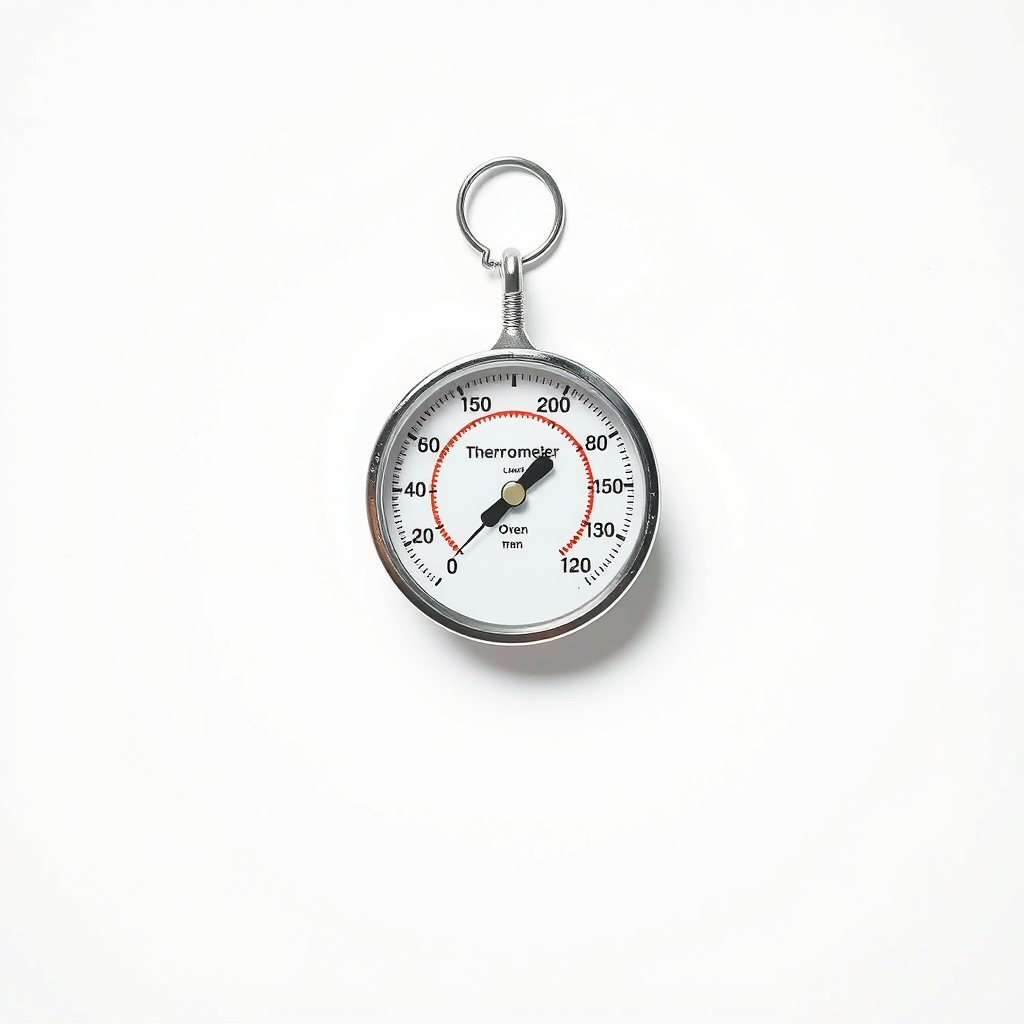
A hanging oven thermometer
The dial and the preheat beep show what the oven is aiming for, not the real air temperature inside. A thermometer gives the true number. You can adjust the dial, set the offset, or spot a failing part before you pay for a repair.
What to get: Hanging dial oven thermometer
How long it lasts: Years. It shows the real air temperature every time you bake.
As an Amazon Associate I earn from qualifying purchases.
What you'll need
- Our pick Illustration
Oven thermometer
Hang it from a center rack where you can read it through the window
-
Oven mitts
For placing and removing the thermometer
You have it -
Notebook or phone notes
To log the dial setting next to the real reading
Free -
Oven manual
Shows how to set the temperature offset, if your oven has one
Free
Why it happens
Sensor or thermostat drift
The oven's sensor slowly misreads over the years. The oven keeps cooking to the wrong number, hotter or cooler than the dial says.
Normal cycling
Ovens do not hold one steady number. The element switches on and off, so the air often swings 10 to 25°F around the target. That is normal and averages out.
A preheat beep that comes early
The beep means the air near the sensor hit the target. Walls and racks are still cooler, so the oven drops fast when you open the door. Give it extra time.
A leaky door seal
A torn or loose gasket lets heat escape. The oven runs cooler, and the element works harder to catch up.
A failed element or igniter
A cracked bake element that does not glow, or a weak gas igniter, makes the oven heat slowly or not at all. These are the true repair cases.
Try this first (free)
Do these in order, starting with the simplest.
-
1. Hang the thermometer
Tool used: Oven thermometerHang it from the center rack, near the middle of the oven and away from the walls, so you can read it through the window without opening the door.
IllustrationCheck price on AmazonTool for this step
Oven thermometer · Hang it from a center rack where you can read it through the window
-
2. Preheat to 350°F and wait 20 more minutes
Set 350°F. When the beep sounds, wait another 20 minutes so the walls and racks heat through. Keep the door shut.
-
3. Read it three times
Tool used: Notebook or phone notesRead the thermometer every 10 minutes for 30 minutes and average the numbers. Write the dial setting and the average side by side.
-
4. Work out the offset
Tool used: Oven manualIf it averages 20°F low, set the dial 20°F higher when you cook. If you would rather fix it, look up the offset setting in the manual. Many ovens let you shift the temperature by up to about 35°F.
-
5. Check the door seal
With the oven off and cool, run your hand along the gasket and look for gaps, tears and flat spots. Close the door on a dollar bill. If it slides out with no resistance, the seal is loose.
When free fixes aren't enough
If the thermometer swings far more than the 10 to 25°F that is normal, or the oven never gets near the dial after 30 minutes, or the bake element does not glow red on an electric oven, a part has likely failed: the sensor, element, igniter or control board. Those need a technician. If you smell gas, leave the house, do not touch switches and call the gas company from outside. For a steady offset, a thermometer is all you need: it turns 'my oven is off' into a number you can cook by.
Buy the fix
Still stuck after the free fixes? These are the products we would look at.
| Pick | Product | Fixes | Who it's for | Buy |
|---|---|---|---|---|
| Best pick | Hanging dial oven thermometer | not knowing the real oven temperature | Anyone whose bakes burn or stay raw, or whose oven beeps long before it feels hot. | Check price |
| Upgrade pick | 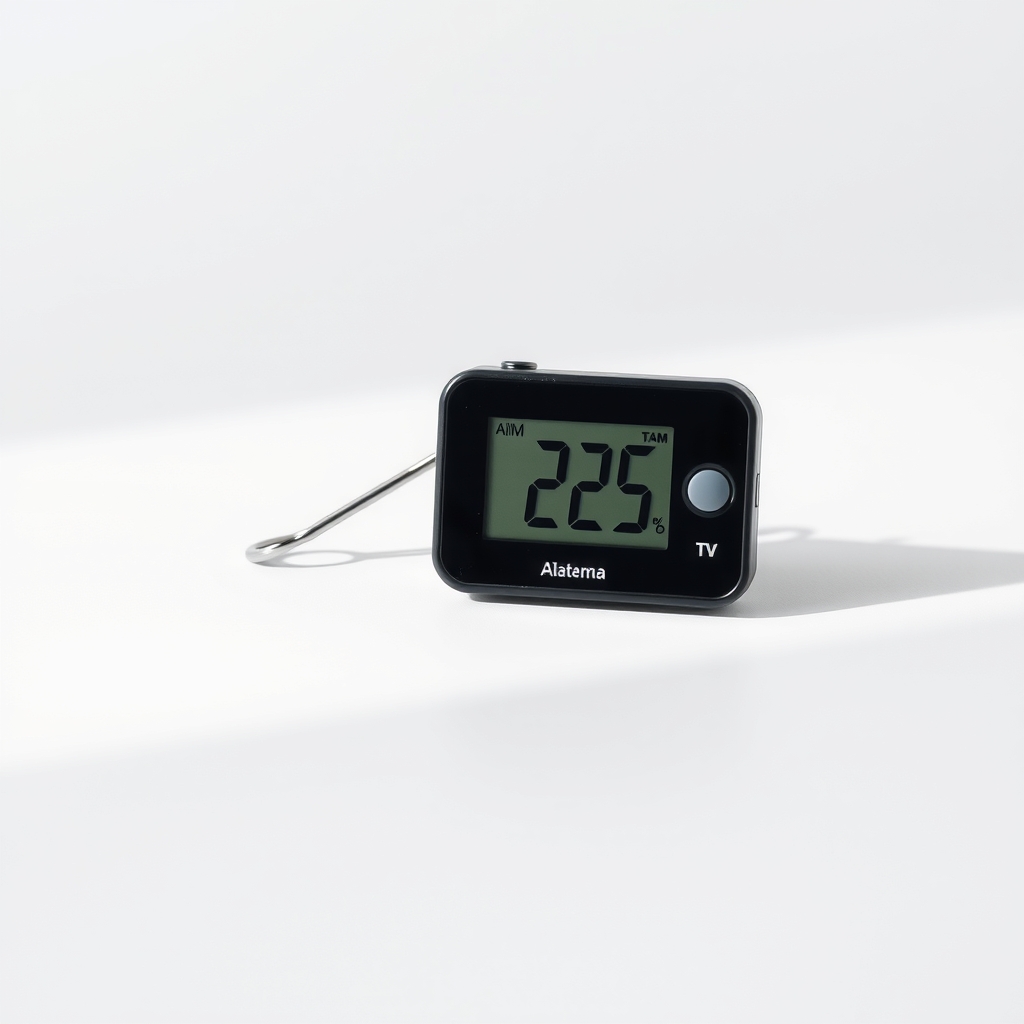 Digital oven thermometer with an alarm | watching the oven temperature without opening the door | Bakers and roasters who want alerts, or anyone who wants to log how the oven cycles. | Check price |
Hanging dial oven thermometer
Fixes: not knowing the real oven temperature
Look for: A dial large enough to read through the oven window; A range from about 100°F up to 600°F or more; A hook or base that stays put on a rack; Stainless steel rated for oven heat.
- Who it's for
- Anyone whose bakes burn or stay raw, or whose oven beeps long before it feels hot.
- Honest downside
- You run the self-clean cycle with it inside. Take it out first, since that heat can ruin it.
Digital oven thermometer with an alarm
Fixes: watching the oven temperature without opening the door
Look for: A heat-safe probe cable rated for your oven's temperature; A temperature alarm you can set; A display that stays outside the oven.
- Who it's for
- Bakers and roasters who want alerts, or anyone who wants to log how the oven cycles.
- Honest downside
- The cable would crush the door gasket when it closes. A plain dial reads the same air temperature.
As an Amazon Associate I earn from qualifying purchases. We don't show prices because they change, so use the button to see today's price.
How we picked: How we picked: this page is based on oven manuals and calibration guides, appliance repair advice, and the problems and fixes owners report in reviews. We do not test products by hand.
What your reading means
- Within about 25°F of the dial, averaging out: normal. Keep cooking.
- A steady gap more than 25°F: adjust the offset or the dial.
- Wild swings, or far below the dial after 30 minutes: a part is failing. Call a technician.
When to stop and call a pro
If you smell gas, leave the house and call the gas company from outside, without touching switches. If you see sparks, a cracked or sagging element, or a burning smell from the control panel, turn off the breaker and call for service.
What to skip
Ordering parts before you know the real number
Skip booking a repair or buying a new element before you read the actual temperature. Many 'broken' ovens are off by a steady amount that the offset fixes in minutes. Also skip the sugar and bread tricks; they only give a rough guess.
Frequently asked questions
Why is my oven too hot?
Why is my oven not getting hot enough?
Why is my oven not heating properly even though it says preheated?
How do I recalibrate my oven?
As an Amazon Associate I earn from qualifying purchases. Affiliate disclosure