Oven Smoking? Burnt-On Spills Are the Usual Cause: 20-Minute Clean
Old grease and spilled food burn off as soon as the oven heats up. Clean the cavity, then put a liner under dishes so the next drip never reaches the floor.
By Jamilur Rahman Updated November 5, 2026 · 7 min read
- Time
- 20 min
- Cost
- Under $20
- Difficulty
- Easy
In this guide
Quick answer
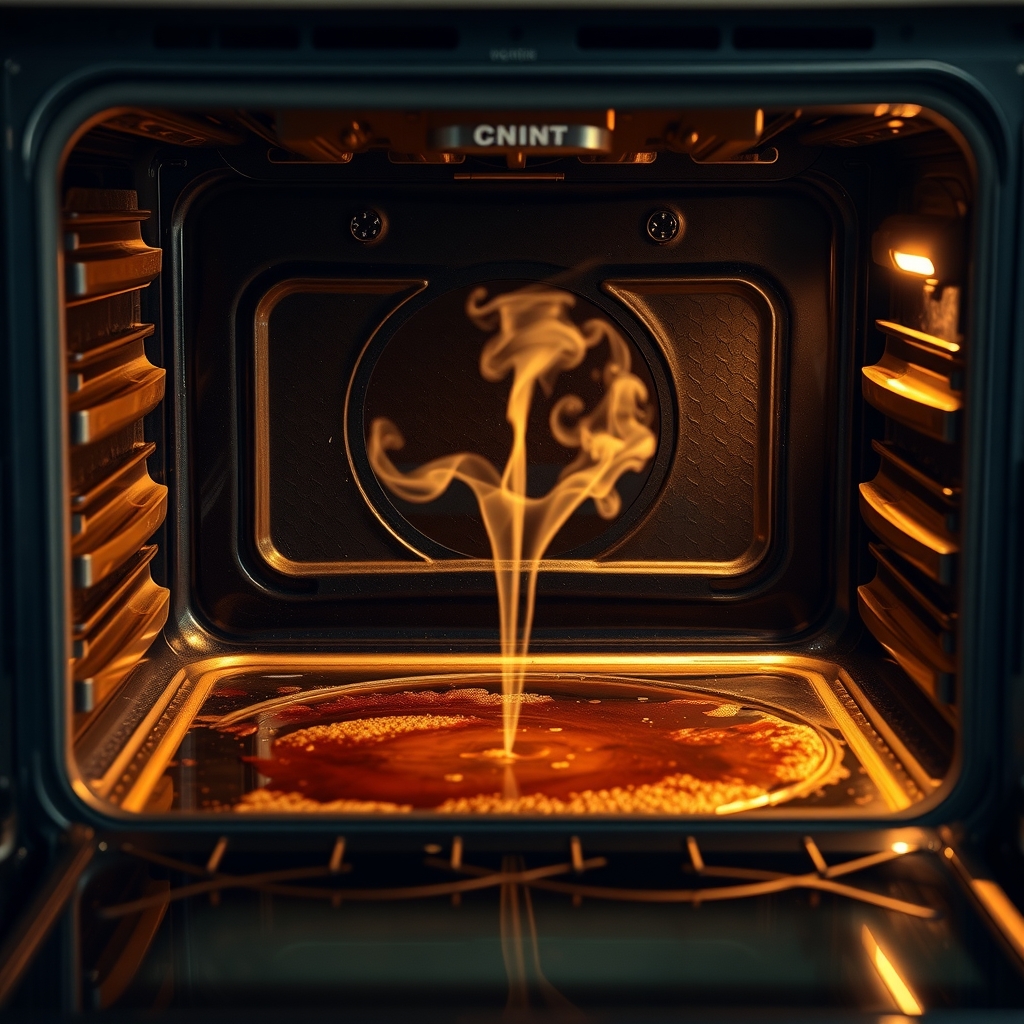
Why is my oven smoking? Most often, old spilled food and grease are burning off the floor and walls as the oven heats. Turn it off, let it cool, scrape and wipe out the residue with a baking soda paste, then lay a liner on a lower rack so drips from pies and casseroles land on something you can lift out and wash.
Free fix vs. permanent fix
Scrape, paste and wipe
- Let the oven cool fully and open a window
- Scrape off loose burnt bits with a plastic scraper
- Spread a baking soda paste on the dark spots and wait 15 minutes
- Wipe clean, then run the empty oven for 15 minutes
How long it lasts: Until the next spill burns on. Anything that drips off a pie or fatty roast ends up on the oven floor again.
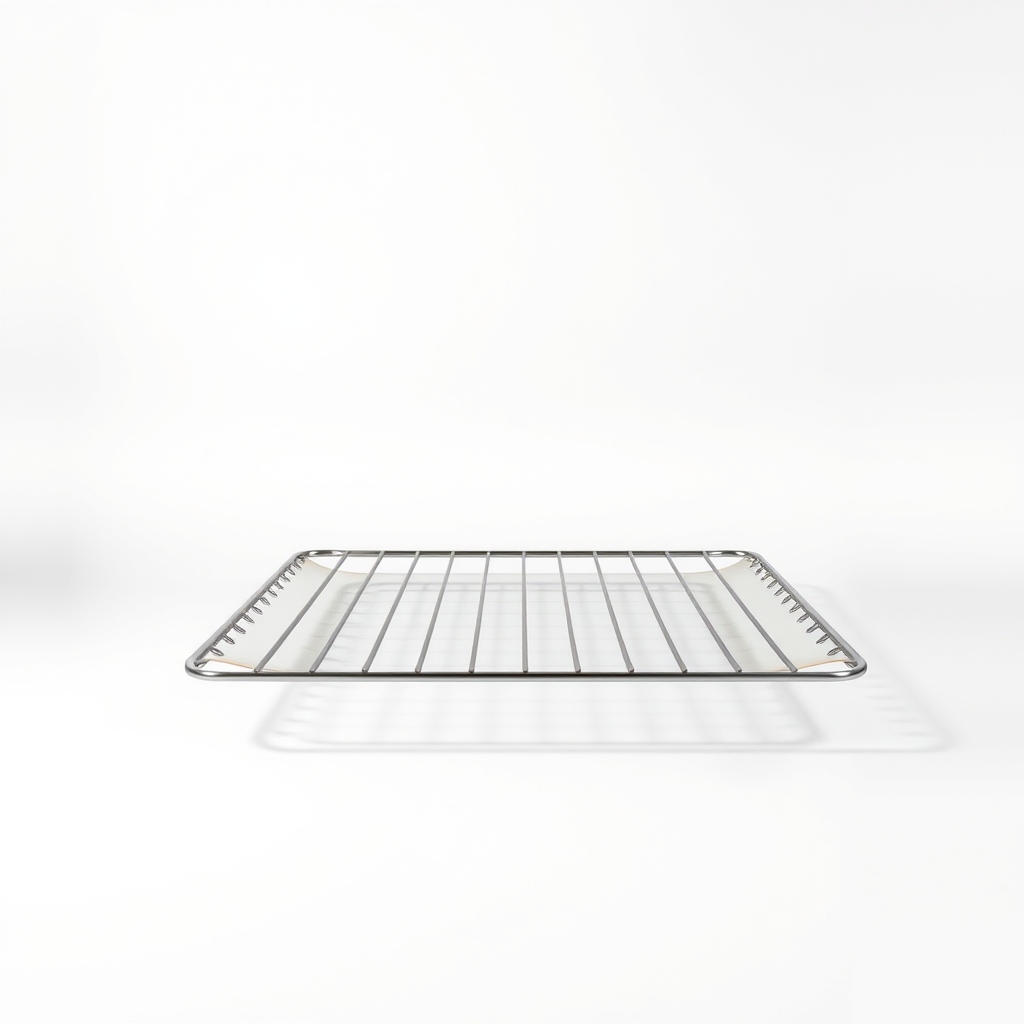
An oven liner on a lower rack
Most oven smoke starts with drips that land on the hot oven floor and carbonize. A liner on a lower rack catches the drip before it reaches the floor. You pull it out, wash it and put it back.
What to get: Oven liner for the lower rack
How long it lasts: Months to years. You wipe or rinse it instead of scrubbing the oven.
As an Amazon Associate I earn from qualifying purchases.
What you'll need
-
Baking soda
Mixed into a paste for burnt-on spots
You have it -
Plastic scraper
An old spatula or a plastic pan scraper will do. Do not use metal on the oven walls
You have it -
Damp cloth and rubber gloves
For wiping out the paste
You have it - Our pick Illustration
Oven liner for the lower rack
Catches drips under pies and casseroles
- Illustration
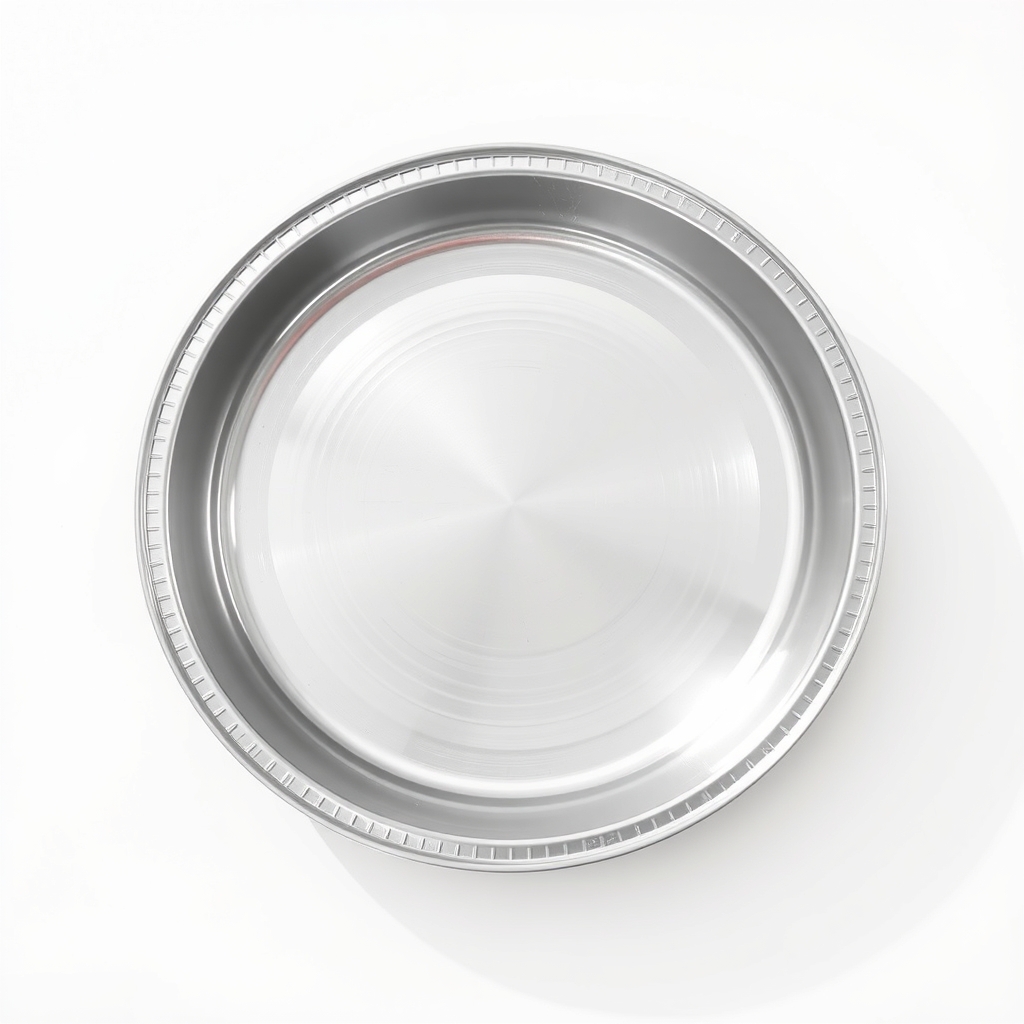
Rimmed sheet pan
A basic catch tray if you do not want a liner
Why it happens
Burnt-on spills and old grease
Food that dripped last week and last month sits on the oven floor. When the oven reaches temperature, that residue starts to smoke. This is the most common cause when the oven smokes as soon as you switch it on.
New oven burn-off
A new oven can smoke the first few times you use it as coatings and manufacturing oils burn away. Your manual will say how long to run it empty with the windows open.
Fat and juice cooking off while you roast
Fatty meat, overfilled pies and shallow pans spit and overflow. The drips hit the hot floor and smoke while you are cooking.
Foil or pans blocking the airflow
Foil laid on the oven floor can trap heat, block vents and scorch the surface below. Pans placed too close to the top element or broiler can also scorch food and smoke.
A worn or damaged part
A burning-plastic or electrical smell, or smoke that continues in a clean, empty oven, is a different problem. It needs a technician, not a cleaner.
Try this first (free)
Do these in order, starting with the simplest.
-
1. Switch it off, cool it and ventilate
Turn the oven off and open a window. Turn on the range hood fan. If you see flames, keep the oven door shut and turn the oven off, and do not throw water on a grease fire. Call 911 if flames continue.
-
2. Find where the smoke comes from
Once it is cool, remove the racks and pans and look at the floor, the walls and around the broiler. Black pooled grease on the floor is the usual culprit.
-
3. Scrape the loose burnt bits
Tool used: Plastic scraperUse a plastic scraper to lift chunks of burnt food and hard grease. Scoop and wipe the crumbs out. Keep metal tools away from the enamel.
-
4. Spread baking soda paste on the dark spots
Tool used: Baking sodaMix about half a cup of baking soda with 3 tablespoons of water. Spread it over the stains with gloves on, avoiding the heating element and gas ports. Leave it 15 minutes, or overnight for stubborn spots.
-
5. Wipe it out and rinse
Tool used: Damp cloth and rubber glovesWipe with a damp cloth, then wipe again with a clean damp cloth. Spray with a little white vinegar to lift any white film, wipe again and dry.
-
6. Lay a liner under the next dish
Tool used: Oven liner for the lower rackPlace a liner on a lower rack under anything that might bubble over. Keep it clear of the walls, vents and heating element, and check that its temperature rating covers your highest setting.
IllustrationCheck price on AmazonTool for this step
Oven liner for the lower rack · Catches drips under pies and casseroles
When free fixes aren't enough
The baking soda clean removes what is there today. It does nothing about what spills next week. If you roast fatty meats, bake juicy pies or cook casseroles often, you will be back at the same dark patches in a month or two. That is where a liner helps: it catches the mess and you wash it in the sink. Be clear that a liner will not fix smoke from a worn part. If the oven smokes when it is empty and clean, smells like plastic or wiring, or the smoke does not stop, turn it off at the breaker and call a technician.
Buy the fix
Still stuck after the free fixes? These are the products we would look at.
| Pick | Product | Fixes | Who it's for | Buy |
|---|---|---|---|---|
| Best pick | Oven liner for the lower rack | drips and spills that burn on the oven floor and smoke | Anyone who bakes juicy pies, roasts fatty meat or cooks casseroles often. | Check price |
| Budget pick | Rimmed aluminum sheet pan | drips from pies, casseroles and fatty roasts | Anyone who wants a low-cost catch tray and does not mind washing it. | Check price |
Oven liner for the lower rack
Fixes: drips and spills that burn on the oven floor and smoke
Look for: A temperature rating that covers your oven's highest setting; A reusable, non-stick surface that wipes or rinses clean; A size that fits your rack with a small gap on every side; Clear instructions saying it goes on a rack, not the oven floor.
- Who it's for
- Anyone who bakes juicy pies, roasts fatty meat or cooks casseroles often.
- Honest downside
- Your oven manual says not to use liners, or your oven has a hidden bake element under the floor. Check the manual first.
Rimmed aluminum sheet pan
Fixes: drips from pies, casseroles and fatty roasts
Look for: A raised rim all the way around; Sturdy metal that will not warp at 450°F; A size that fits your rack with room to spare.
- Who it's for
- Anyone who wants a low-cost catch tray and does not mind washing it.
- Honest downside
- You already own one. A sheet pan you use every day works just as well.
As an Amazon Associate I earn from qualifying purchases. We don't show prices because they change, so use the button to see today's price.
How we picked: How we picked: this page is based on oven owner manuals, fire and gas safety guidance from public agencies, and what owners report in reviews of oven liners. We do not test products by hand.
When oven smoke means stop and call for help
- Flames: keep the door closed, turn the oven off, and call 911 if flames do not die down. Never use water on grease.
- Rotten-egg smell: this is gas. Leave the house and call your gas company from outside. Do not switch anything on or off.
- Plastic, fishy or electrical smell: turn the oven off at the breaker and call a technician. Do not keep using it.
- Smoke from an empty, clean oven: something other than a spill is burning. Have it checked.
Quick cleaning schedule
Wipe up spills once the oven has cooled, before the next use. Do the baking soda clean every two to three months if you cook often. A rack liner or sheet pan under messy dishes stretches that to much longer.
What to skip
Foil on the oven floor and harsh cleaners right before cooking
Most manuals warn against lining the oven floor with foil. It can trap heat, block vents and melt onto the enamel. Spraying heavy chemical cleaners on a hot oven also puts fumes into your food. Clean when the oven is cool and rinse well.
Frequently asked questions
Why is my oven smoking when I turn it on?
Why does my oven keep smoking after I cleaned it?
How do I stop my oven smoking while cooking?
Is smoke from the self-clean cycle normal?
Related problems
 Free fix inside
Kitchen · Oven
Burnt Smell in Your Oven? The Clean-Out That Ends It
Read the fix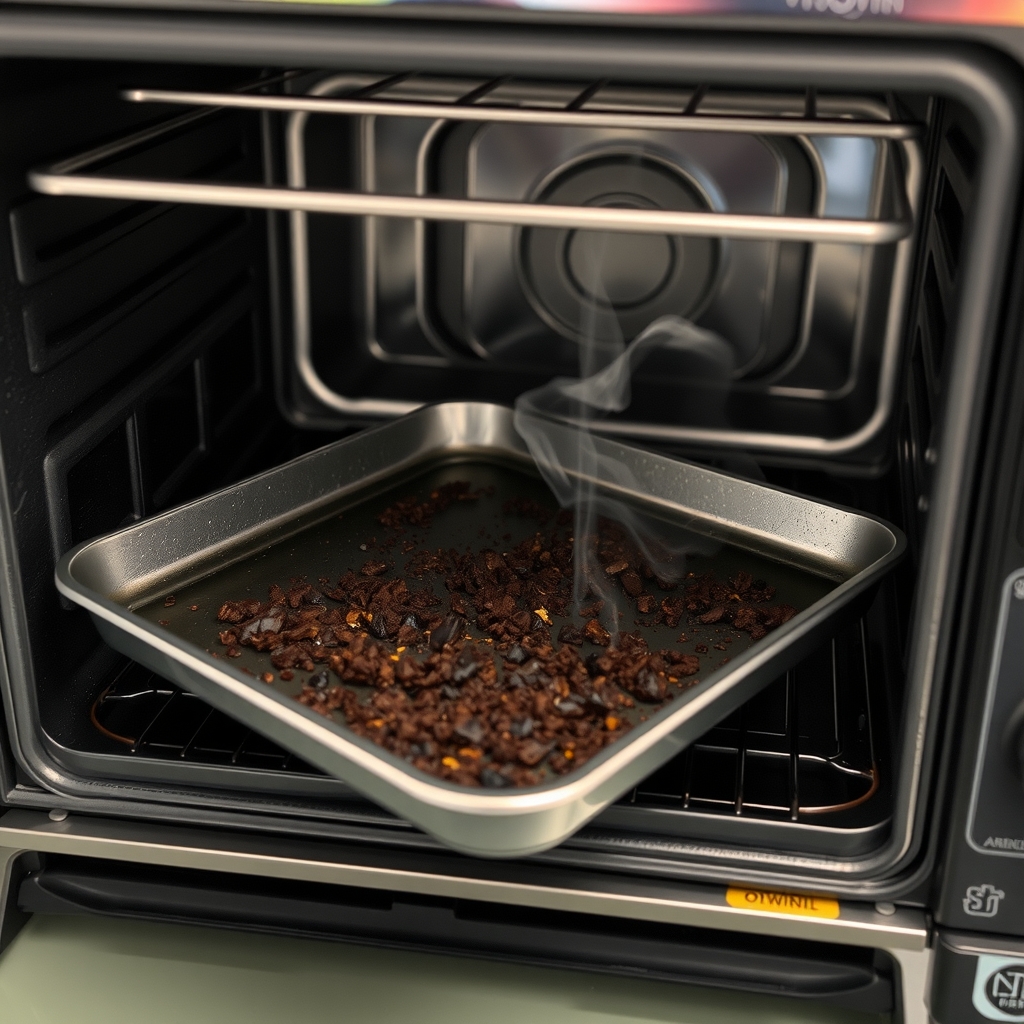 Free fix inside
Kitchen · Toaster
Toaster Oven Smoking? Crumbs, Grease, and the Liner That Catches Both
Read the fix Free fix inside
Kitchen · Oven
Oven Temperature Off? Test It With a Thermometer Before Any Repair
Read the fix Free fix inside
Kitchen · Air Fryer
Air Fryer Smoking? The Grease Mistake Behind It and How to Clear It
Read the fixAs an Amazon Associate I earn from qualifying purchases. Affiliate disclosure