Cast Iron Pan Too Heavy? Lighter Skillets That Still Sear Well
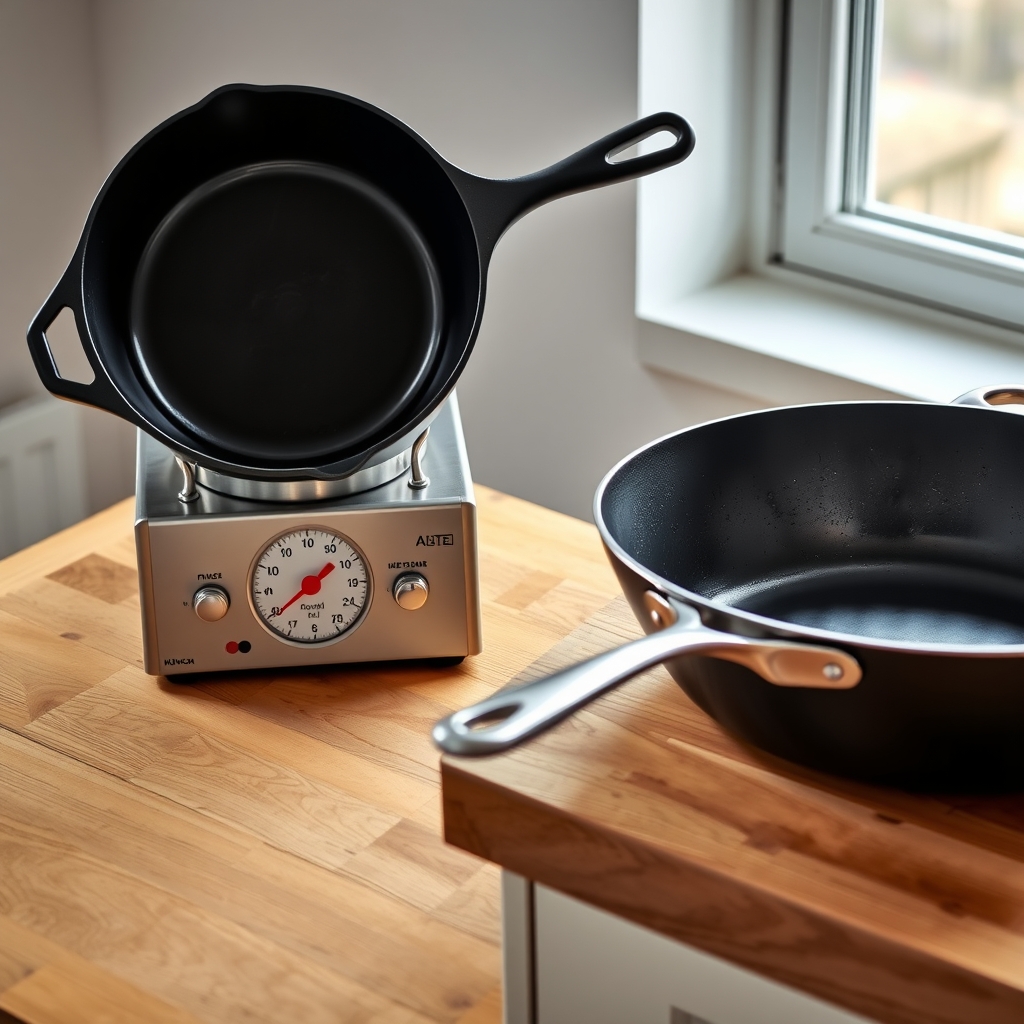
A 12-inch cast iron skillet can weigh about 8 pounds empty. Handle it smarter today, then switch to a lighter skillet that still sears hard.
By Jamilur Rahman Updated November 5, 2026 · 7 min read
- Time
- 10 min to decide
- Cost
- $20-$50
- Difficulty
- Easy
In this guide
Quick answer
A cast iron pan too heavy to lift one-handed is a weight problem, not a technique problem: a 10-inch skillet is roughly 5 pounds empty and a 12-inch is closer to 8. Smaller sizes, two-handed lifting and leaving the pan on the stove help today. The fix that lasts is a carbon steel skillet, typically around 3 pounds in 10 inches, which still takes high heat and sears hard.
Free fix vs. permanent fix
Work around the weight
- Drop from a 12-inch to a 10-inch or 8-inch pan
- Leave the pan on the burner and serve from it
- Lift with both hands and keep the pan close to your body
- Weigh your pan so you know the number to beat
How long it lasts: Makes a heavy pan manageable for light use. The pan still weighs what it weighs, and a full pan stays hard to lift.
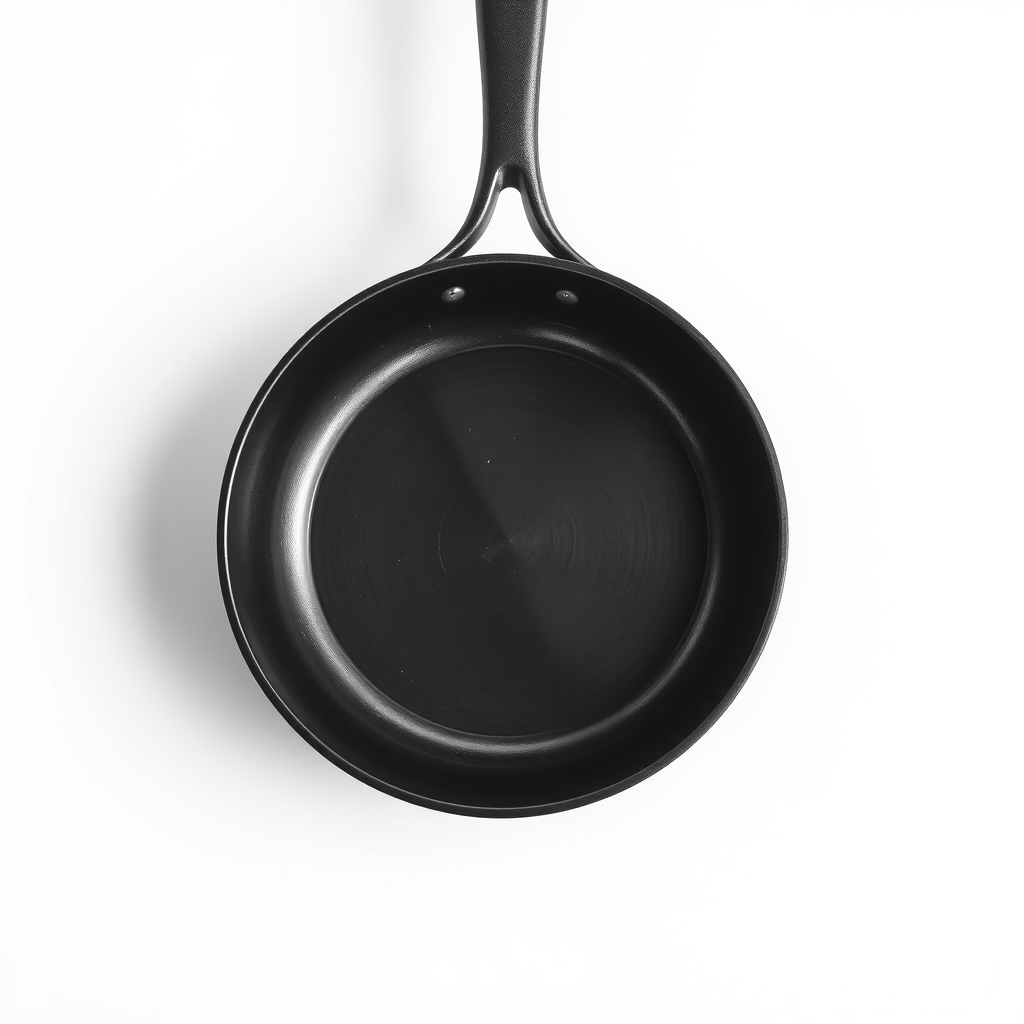
A carbon steel skillet
Carbon steel is rolled thinner than cast iron, so the same size pan weighs far less, yet it takes very high heat and builds a similar non-stick seasoning. It sears steak, burgers and vegetables well, and most people can lift it one-handed.
What to get: Carbon steel skillet, 10 inch
How long it lasts: Years. It is a one-time swap, and it builds a seasoning the way cast iron does.
As an Amazon Associate I earn from qualifying purchases.
What you'll need
-
Kitchen scale or bathroom scale
Weigh your pan empty, then compare it with the listed weight of any pan you consider
You have it -
Oven mitt or thick pot holder
For the handle, which gets hot, and for the second hand
You have it -
Tape measure or ruler
Measure across the top of the pan, edge to edge
You have it - Illustration
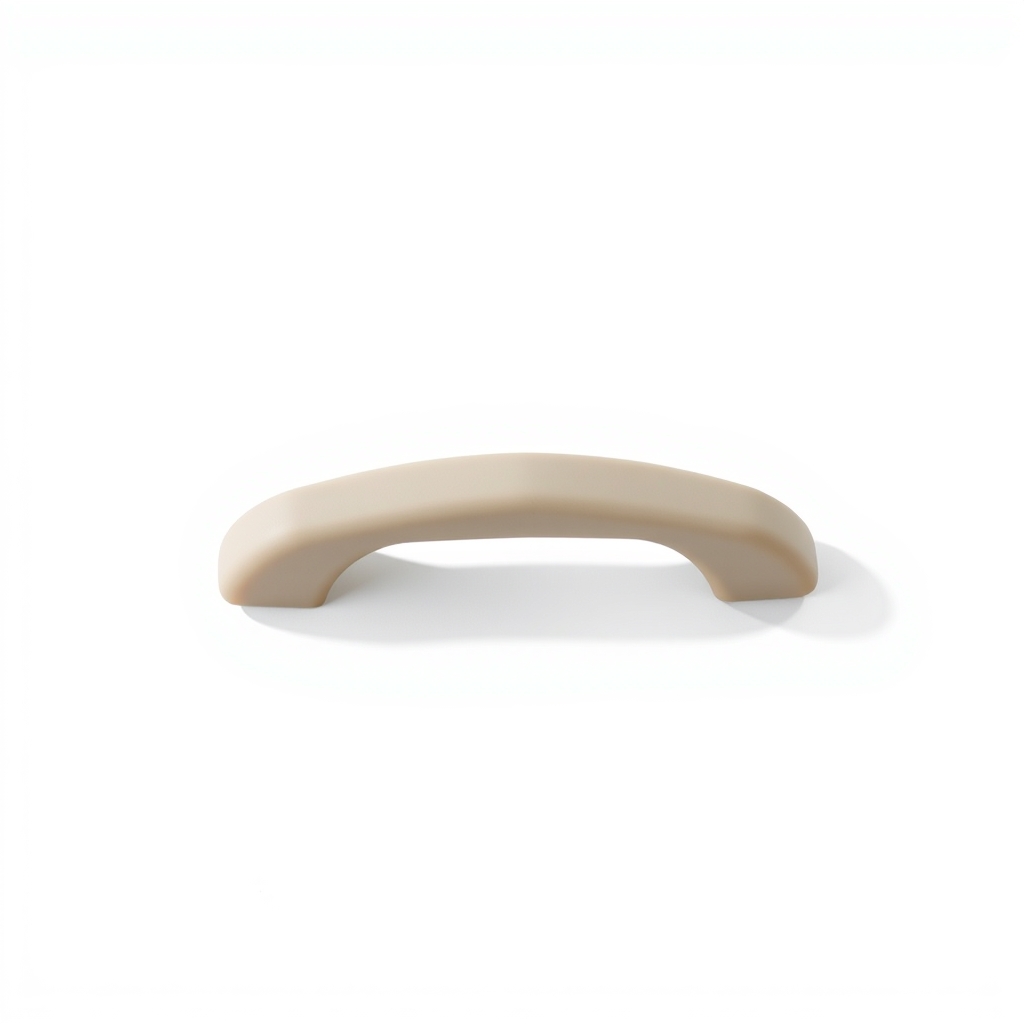
Silicone handle cover
Makes a hot handle comfortable to grip; it does not make the pan lighter
- Our pick Illustration
Carbon steel skillet
A lighter pan that still takes high heat
- Illustration
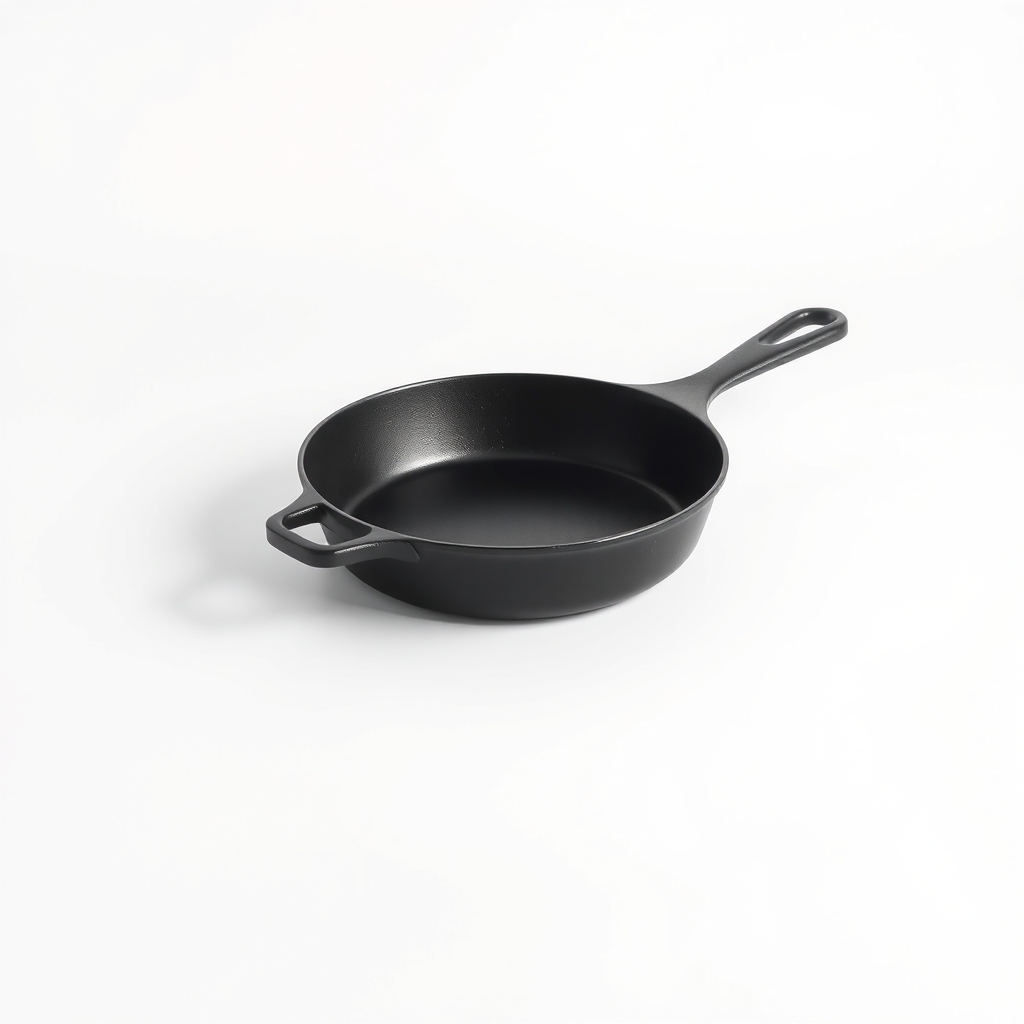
Thin-wall cast iron skillet
For people who want the cast iron feel with less weight
Why it happens
Cast iron is dense and thick
Traditional skillets are cast with thick walls so they hold heat. That thickness is the weight. A 10-inch skillet is around 5 pounds and a 12-inch is around 8, before any food goes in.
Each size jump adds pounds fast
Going from 10 to 12 inches adds about 3 pounds. Most one-handed lifting trouble starts at 12 inches, so a size you almost never fill may be the one to retire.
Food and hot fat add more
A pan of potatoes or a roast chicken, plus hot oil, adds several pounds. Lifting that out of a hot oven is where wrists get strained and burns happen.
The long handle works like a lever
Most of the weight sits at the far end of a long handle. Held at arm's length, a pan feels much heavier than the number on a scale. Small hands, a weak grip or joint pain make it worse.
Try this first (free)
Do these in order, starting with the simplest.
-
Weigh your pan and measure the top
Tool used: Kitchen scale or bathroom scalePut the empty pan on a scale and write the number down. Measure across the top, edge to edge. You will compare these with the listed weight and size of any pan you buy.
-
Step down a size
If you cook for one or two in a 12-inch skillet, a 10-inch or even an 8-inch pan is enough and can cut 2 to 3 pounds. Keep the big one for the rare family dinner.
-
Leave it on the stove and serve from it
Cook, then spoon food out at the stove instead of carrying a full pan to the table. In the oven, pull the rack out partway before you lift the pan, so you never hold it at arm's length.
-
Lift with two hands and keep it close
Tool used: Oven mitt or thick pot holderHold the handle with one hand and grip the helper handle with a mitt on the other. Keep your elbows close to your body, which makes the same pan feel lighter. Never lift a full, hot pan one-handed.
-
Store it where you do not have to lift it
Keep the pan on the stove top or on a waist-high shelf, not in a high cabinet or under a stack of pots.
When free fixes aren't enough
These changes only manage the weight. They do not remove it. If you still avoid cooking in the pan, cannot lift it when it is full, or feel wrist or joint pain after using it, the pan is wrong for you, and no technique changes that. A carbon steel skillet cuts a large share of the weight and keeps the high-heat searing you wanted cast iron for. You do give up some heat retention, because thick cast iron stays hot longer when a cold steak lands on it. Preheat a minute longer and cook in smaller batches. If a lift ever feels unsafe with a hot pan, put it down. A dropped pan or a hot-fat splash is worse than a slower dinner.
Buy the fix
Still stuck after the free fixes? These are the products we would look at.
| Pick | Product | Fixes | Who it's for | Buy |
|---|---|---|---|---|
| Best pick | Carbon steel skillet, 10 inch | a pan you dread lifting, without giving up a hard sear | Anyone who loves cooking on cast iron but not the weight, especially cooks with small hands or sore wrists. | Check price |
| Upgrade pick | Thin-wall cast iron skillet | heavy lifting while keeping the cast iron look and heat | Someone who wants cast iron's even heat and finish and will pay more for a lighter pan. | Check price |
Carbon steel skillet, 10 inch
Fixes: a pan you dread lifting, without giving up a hard sear
Look for: A listed weight of about 3 pounds or less in 10 inches; A riveted handle that feels secure in your grip; Pre-seasoned, or clear first-seasoning instructions; A magnetic base if you cook on induction.
- Who it's for
- Anyone who loves cooking on cast iron but not the weight, especially cooks with small hands or sore wrists.
- Honest downside
- You rely on a pan holding heat for long simmers or baking, where thick cast iron does better. Also skip it if you will not hand wash and oil it.
Thin-wall cast iron skillet
Fixes: heavy lifting while keeping the cast iron look and heat
Look for: A listed weight lower than a standard skillet of the same size; A smooth cooking surface that releases food easily; A handle shape that is comfortable to grip; Pre-seasoned from the maker.
- Who it's for
- Someone who wants cast iron's even heat and finish and will pay more for a lighter pan.
- Honest downside
- You need the lightest pan you can get. Thin cast iron is lighter than standard cast iron but still heavier than carbon steel.
As an Amazon Associate I earn from qualifying purchases. We don't show prices because they change, so use the button to see today's price.
How we picked: How we picked: this page is based on cookware weight charts, seasoning and care guides from skillet makers, and the lifting and heat problems people report in owner reviews. We do not test products by hand.
Carbon steel, thin cast iron or standard cast iron: what you trade
- Carbon steel: the lightest of the three, heats fast, sears well. Needs seasoning and hand washing. Loses heat faster than thick cast iron.
- Thin-wall cast iron: lighter than standard cast iron, same iron feel and heat holding. Costs more and is still heavier than carbon steel.
- Standard cast iron: the best heat holding and the lowest price. The weight is the price you pay.
Which size to buy
A 10-inch pan suits most one- or two-person meals and weighs far less than a 12-inch. An 8-inch pan is easy to lift and good for eggs and a single steak. Pick 12 inches only if you regularly cook for four and can lift the pan comfortably when it is full.
What to skip
Enameled cast iron and cheap thin non-stick pans
Enameled cast iron is coated on the same heavy iron, so it is rarely lighter than bare cast iron and is often heavier. A very thin non-stick pan is light, but it cannot sear well and the coating wears out. Neither one solves the problem you searched for.
Frequently asked questions
How heavy is a cast iron skillet?
Is carbon steel as good as cast iron for searing?
Do I season a carbon steel pan like cast iron?
Can carbon steel and cast iron skillets go on induction?
Related problems
 Free fix inside
Kitchen · Cast Iron Pan
Cast Iron Pan Rusting? Restore It in 3 Steps and Keep It Rust-Free
Read the fix Free fix inside
Kitchen · Cast Iron Pan
Cast Iron Pan Black When Wiped? Seasoning or Flaking: How to Tell
Read the fix Free fix inside
Kitchen · Cast Iron Pan
Cast Iron Pan Smoking So Much? The Oil and Heat Mistakes Behind It
Read the fix Free fix inside
Kitchen · Cast Iron Pan
Cast Iron Pan Keeps Sticking? Preheat Rules and a Better Spatula
Read the fixAs an Amazon Associate I earn from qualifying purchases. Affiliate disclosure