Why Does My Home Office Smell Musty? Dry the Room, Freshen the Air
A musty office means damp air or damp furniture. Find the moisture, dry it out, then keep humidity down so the smell does not come back.
By Jamilur Rahman Updated November 5, 2026 · 7 min read
- Time
- 30 min
- Cost
- $50-$150
- Difficulty
- Easy

In this guide
Quick answer
Why does my office smell musty? It is almost always damp: humid air, a leak, or a wooden desk and drawers that have soaked up moisture. Measure the humidity, air the room, move furniture off the walls and wipe wood dry. If the smell keeps returning, a small dehumidifier set to about 45 to 50 percent humidity is the fix that lasts.
Free fix vs. permanent fix
Find the damp, air it out and wipe
- Open windows for 10 to 15 minutes on a dry day
- Move the desk and shelves a few inches off the wall
- Wipe wood with mild soapy water and dry it fully
- Check windows, ceiling and walls for stains or leaks
How long it lasts: A few days to a few weeks if the damp source stays. It works for one-off causes like a wet towel, a spill or a room that was closed up.
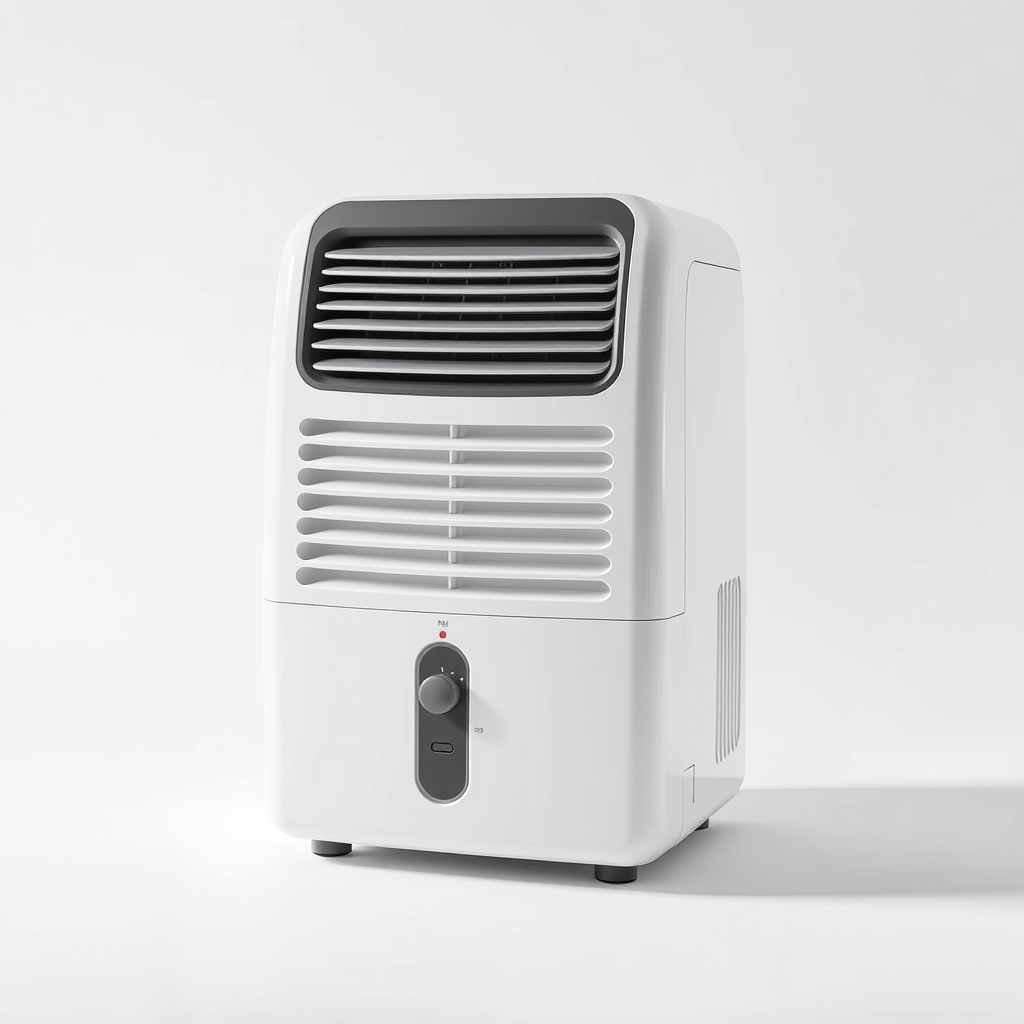
A small dehumidifier with a humidistat
Musty smells come from mold and mildew, which grow when humidity stays above about 60 percent. A dehumidifier pulls moisture out of the air, and a humidistat lets you set 45 to 50 percent and leave it. Airing and wiping only help for a while if the room keeps getting damp.
What to get: Compact dehumidifier with an adjustable humidistat
How long it lasts: As long as it runs, all year or just in humid months. It removes the water the air carries, so damp stays away.
As an Amazon Associate I earn from qualifying purchases.
What you'll need
- Illustration

Hygrometer
Tells you if the room sits above 50 to 60 percent humidity
-
Fan
Moves air and dries the desk and drawers
You have it -
Dish soap and a soft cloth
For wiping wood without soaking it
You have it -
Baking soda
Absorbs leftover smell from a drawer or shelf
You have it - Our pick Illustration
Compact dehumidifier
Pulls the moisture out of the air
- Illustration
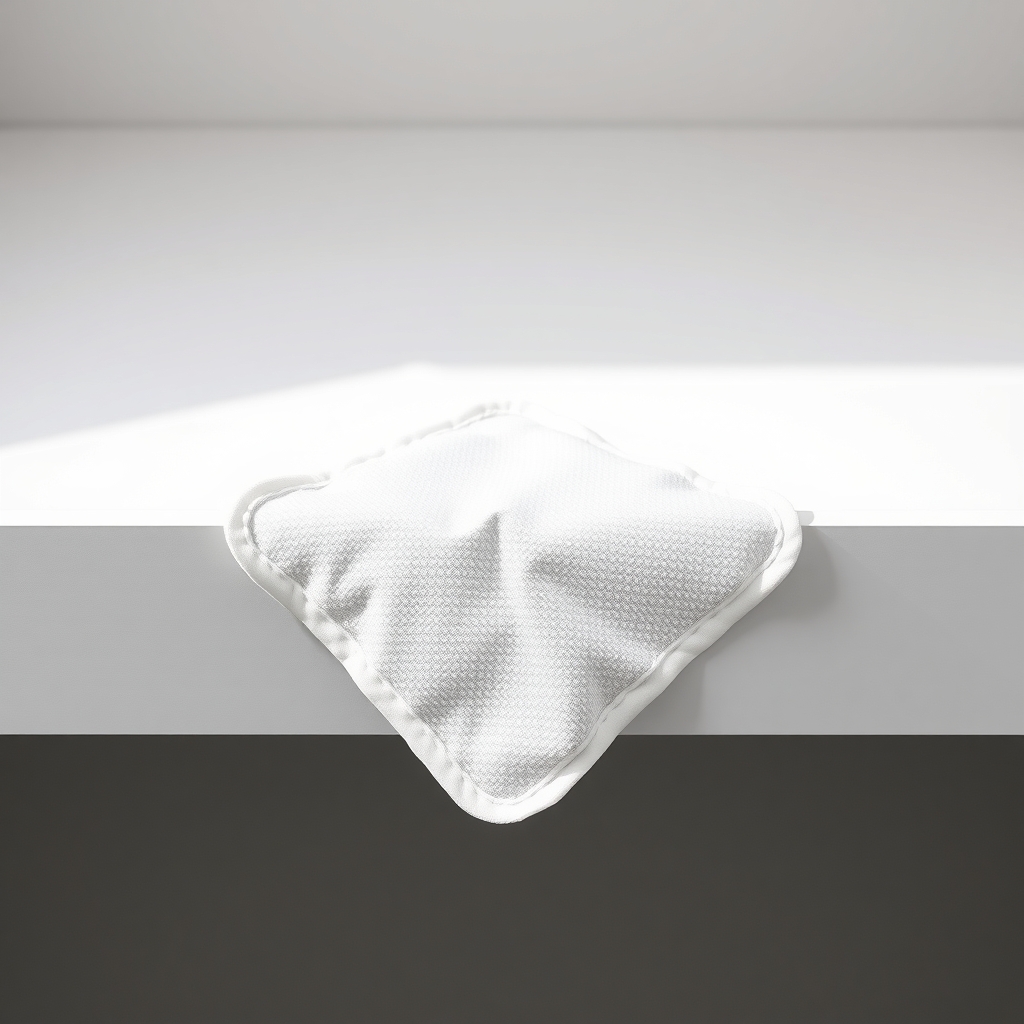
Reusable moisture absorber
For one damp drawer or closet
- Illustration
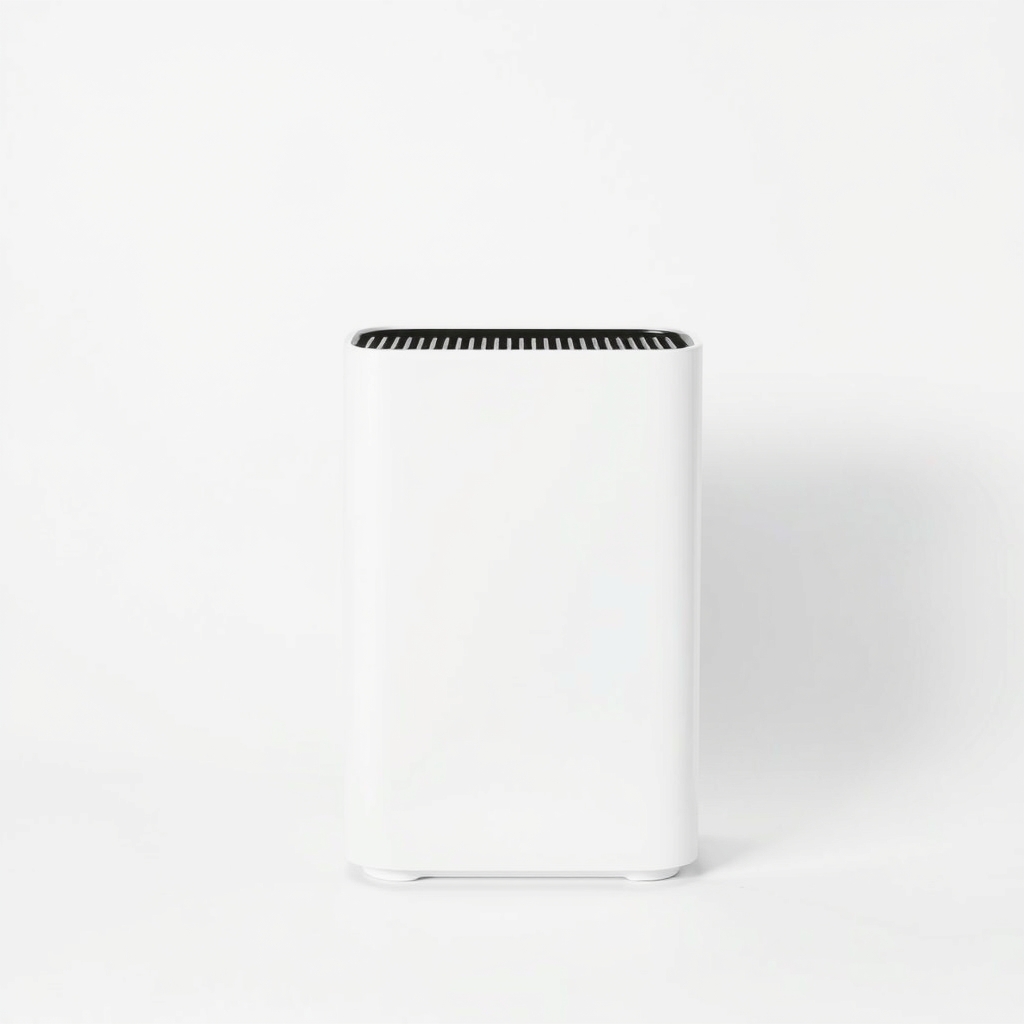
Air purifier with activated carbon
Removes leftover odor after the room is dry
Why it happens
High humidity
Above about 60 percent humidity, mold and mildew grow on paper, wood, fabric and carpet. Ground-floor rooms, basements and rooms with poor airflow run highest.
A hidden leak or condensation
A leaking window, roof or pipe, or a cold wall with condensation, keeps one patch damp. Look for stains, bubbled paint or a dark spot.
A damp wooden desk or drawers
Wood absorbs moisture from the air. Drawers and the back of a desk against a wall hold damp longest, then smell musty. Check the back and underside.
Stored paper, boxes and books
Cardboard, old papers and books soak up damp and give off a stale smell.
A closed room and carpet
With no airflow, damp air sits. Carpet can hold moisture and smell even after the air has dried.
Try this first (free)
Do these in order, starting with the simplest.
-
Measure the humidity
Tool used: HygrometerPut a hygrometer on the desk for a day. A healthy indoor range is about 30 to 50 percent. A steady reading above 60 means you have a damp problem.
IllustrationCheck price on AmazonTool for this step
Hygrometer · Tells you if the room sits above 50 to 60 percent humidity
-
Find the source
Check window frames, the ceiling, the wall behind furniture and the carpet edges. Sniff the desk drawers and back panel. The strongest smell is your clue.
-
Move air through the room
Tool used: FanOpen a window for 10 to 15 minutes when it is dry outside, and point a fan across the room. In a humid climate, use air conditioning on its dry setting instead of opening windows.
-
Wipe the desk and let it dry
Tool used: Dish soap and a soft clothWipe the desk, drawers and back panel with a cloth wrung out in warm water and a few drops of dish soap. Dry with a towel, then leave drawers open with a fan on for a few hours. Do not soak the wood.
-
Pull furniture and paper off the walls
Move the desk and shelves 2 to 3 inches from outside walls so air can move behind them. Toss damp cardboard and old papers.
-
Absorb the leftover smell
Tool used: Baking sodaLeave an open bowl or box of baking soda in the drawer or on the shelf for a few days.
When free fixes aren't enough
If the smell is back within days, the hygrometer reads above 60 percent, or you see mold, damp is the cause and cleaning will not hold. A small dehumidifier with a humidistat removes the moisture. It does not fix a leak. If you find a leak, a wet wall or more than about 10 square feet of mold, fix the source or call a professional, and let someone else clean large patches if you have asthma or allergies.
Buy the fix
Still stuck after the free fixes? These are the products we would look at.
| Pick | Product | Fixes | Who it's for | Buy |
|---|---|---|---|---|
| Best pick | Compact dehumidifier with an adjustable humidistat | damp air that keeps bringing the smell back | Anyone whose smell returns within days, or whose hygrometer reads 55 percent or higher. | Check price |
| Budget pick | Reusable moisture absorber for a drawer, closet or small corner | a musty drawer, cabinet or closet | People with one damp spot rather than a whole damp room. | Check price |
| Upgrade pick | Air purifier with an activated-carbon filter | leftover smell once the damp is gone | People who still notice odor after drying out, or who are sensitive to smells. | Check price |
Compact dehumidifier with an adjustable humidistat
Fixes: damp air that keeps bringing the smell back
Look for: Coverage rated for your room size in square feet; An adjustable humidistat and auto-off when the tank is full; A low noise level so you can work with it running; A hose drain option so you do not empty the tank daily.
- Who it's for
- Anyone whose smell returns within days, or whose hygrometer reads 55 percent or higher.
- Honest downside
- The damp comes from a leak or a wet wall. Fix the leak first, since a dehumidifier only treats the air.
Reusable moisture absorber for a drawer, closet or small corner
Fixes: a musty drawer, cabinet or closet
Look for: Refillable or rechargeable, so you do not keep buying refills; Sized for a small enclosed space such as a drawer or closet.
- Who it's for
- People with one damp spot rather than a whole damp room.
- Honest downside
- The whole room reads above 60 percent. An absorber cannot hold that much water.
Air purifier with an activated-carbon filter
Fixes: leftover smell once the damp is gone
Look for: A real activated-carbon layer for odors, not just a HEPA filter; Coverage for your room size; A quiet low-speed mode.
- Who it's for
- People who still notice odor after drying out, or who are sensitive to smells.
- Honest downside
- The room is still damp. A purifier does not remove moisture or stop mold growing.
As an Amazon Associate I earn from qualifying purchases. We don't show prices because they change, so use the button to see today's price.
How we picked: How we picked: this page is based on indoor humidity and mold guidance from health agencies, dehumidifier manuals and care guides, and the problems and fixes people report in reviews. We do not test products by hand.
Where to look for the damp source
- Windows: condensation on the glass or frame, or a stained sill.
- Walls and ceiling: bubbling paint, a dark patch or a stain that grows.
- Behind the desk and shelves: pull them out and look at the wall.
- Vents and AC: a musty smell only when the air runs points to a damp drain pan or filter.
- Below the room: a basement or crawlspace can push damp up through the floor.
What to skip
What to skip
Skip scented sprays, plug-ins and candles. They cover the smell for an hour while mold keeps growing, and they add fragrance to a room where you sit all day. Also skip bleach on wood. It damages the finish and does not reach mold below the surface.
Frequently asked questions
Why does my desk smell musty?
Why does my wooden desk smell of damp?
What humidity should a home office be?
Will a dehumidifier get rid of the musty smell?
Related problems
 Free fix inside
Bedroom & Sleep · Bedroom Air
Bedroom Smells Musty? Find the Damp Source, Then Fix It
Read the fix Free fix inside
Air & Temperature · Musty Smell
House Smells Musty? Find the Source, Then Clear the Smell
Read the fix Free fix inside
Air & Temperature · House Humidity
House Feeling Humid? Find the Cause Before You Buy a Dehumidifier
Read the fix Free fix inside
Small Spaces & Storage · Closet Smell
Why Does My Closet Smell Musty? Where the Damp Hides and the Fix
Read the fixAs an Amazon Associate I earn from qualifying purchases. Affiliate disclosure