Bedroom Smells Musty? Find the Damp Source, Then Fix It
A musty bedroom means moisture is sitting somewhere. Find it, dry it out, and use a rechargeable absorber to keep the damp from creeping back.
By Jamilur Rahman Updated November 5, 2026 · 7 min read
- Time
- 30 min today, then a few days of airing
- Cost
- Under $20
- Difficulty
- Easy
In this guide
- Quick answer
- Free vs. permanent fix
- What you'll need
- Why it happens
- Try this first (free)
- When free fixes aren't enough
- Buy the fix
- Dorm room smells musty, weird or like mildew? Why it feels so humid, damp and stuffy, and how to keep a dorm room smelling fresh
- When a musty smell means call a pro
- What to skip
- FAQ
- Related problems
Quick answer
If your bedroom smells musty, moisture is sitting somewhere: damp air, a packed closet, bedding, or a wall. Open windows for cross-airflow, pull furniture a few inches off outside walls, wash the bedding, and find the damp spot by nose and with a cheap humidity reader. A rechargeable moisture absorber then keeps closets and small rooms dry between airings.
Free fix vs. permanent fix
Air it out and hunt the damp
- Open two windows across the room for 20 to 30 minutes
- Wash bedding, curtains and any rug that smells
- Pull furniture 2 to 3 inches off outside walls
- Check the closet, under the bed and window frames for damp
How long it lasts: As long as the damp source is gone. If the cause is a leak or steady humidity, the smell returns within days.
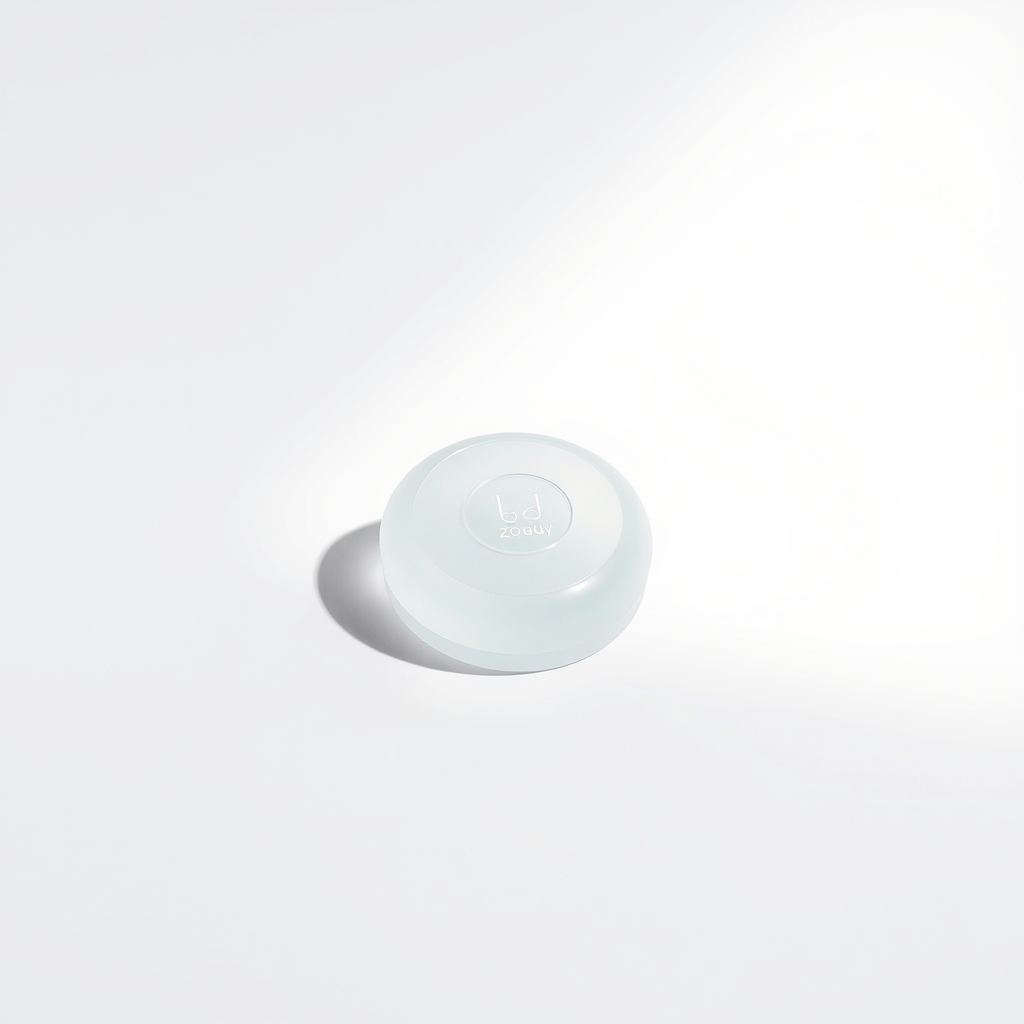
A rechargeable moisture absorber
Musty smells often return because small pockets of damp air, such as a closet or a corner, never get airflow. A rechargeable absorber sits there and pulls moisture out of the air so mildew has less to grow on. It cannot fix a leak, so find the source first.
What to get: Rechargeable moisture absorber (silica gel)
How long it lasts: Reusable. You recharge it when it fills, so one unit keeps working season after season.
As an Amazon Associate I earn from qualifying purchases.
What you'll need
-
Flashlight
To check behind furniture, in closets and along window frames
You have it -
Fan
Any fan set facing out of an open window pushes damp air outside
You have it - Illustration

Hygrometer
A small humidity reader that shows when the room sits above 60 percent
- Our pick Illustration
Rechargeable moisture absorber
For the closet, the shelf above the bed, or a small room
- Illustration
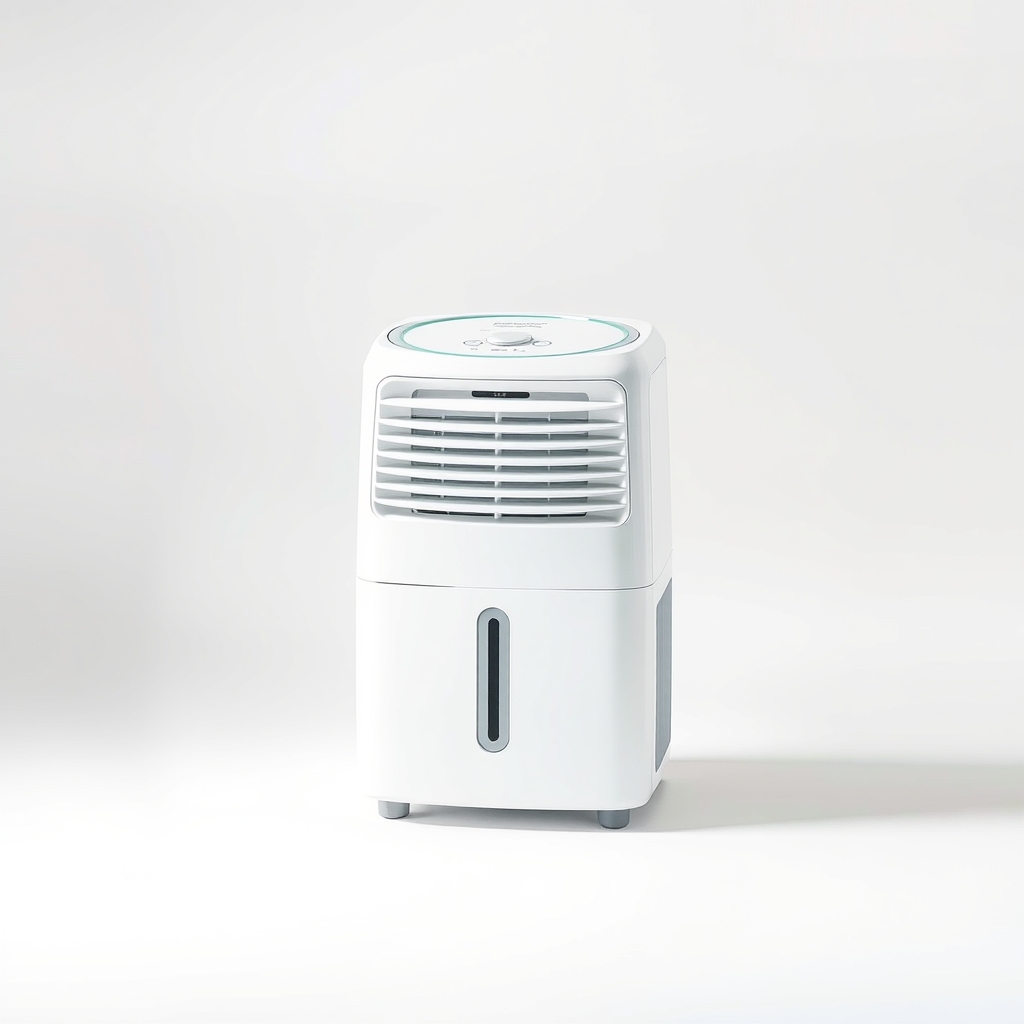
Small room dehumidifier
Only if the room stays above 60 percent after a few days of airing
Why it happens
Humid air that never leaves
Breathing and sleeping add moisture overnight, and closed windows trap it. Above about 60 percent humidity, mildew can grow on fabric, walls and carpet.
Damp laundry in the room
Wet towels, gym clothes, and clothes drying on a rack release water into the air and into the bedding next to them.
Cold outside walls
Furniture pushed against an exterior wall blocks airflow, so damp collects behind it. Water beads on window glass in the morning are a sign.
Closets and under-bed storage
Packed closets and boxes under the bed get no airflow. Clothes put away slightly damp, or shoes that never dried, give off the smell.
A slow leak or hidden mold
A leaky roof, pipe or window can soak a wall or ceiling. Look for stains, bubbling paint, peeling wallpaper or warped baseboards.
Try this first (free)
Do these in order, starting with the simplest.
-
Sniff it out in sections
Tool used: FlashlightCheck the closet, under the bed, behind the headboard, window frames and carpet edges one at a time. Use the flashlight to look for stains, dark spots or fuzz. The smell is strongest nearest the source.
-
Cross-ventilate for 30 minutes
Tool used: FanOpen two windows on opposite sides of the room, or a window and the door. Set a fan facing out of one window. Do it when the air outside is drier than the air inside.
-
Wash the fabrics that hold smell
Wash sheets, pillowcases, curtains and any small rug, and dry them completely. Air the mattress and pillows in sun if you can.
-
Measure the humidity
Tool used: HygrometerPut the reader at bed height for a day. Aim for 30 to 50 percent. A reading over 60 percent means mildew can grow, and you need to dry the room out, not just air it.
IllustrationCheck price on AmazonTool for this step
Hygrometer · A small humidity reader that shows when the room sits above 60 percent
-
Dry the small damp spaces
Tool used: Rechargeable moisture absorberLeave closet doors slightly open, do not overfill them, and set an absorber on the shelf. Check it weekly, and recharge it when its indicator says it is full.
IllustrationCheck price on AmazonTool for this step
Rechargeable moisture absorber · For the closet, the shelf above the bed, or a small room
When free fixes aren't enough
If the reader stays above 60 percent after a few days of airing, the room has a steady moisture source, such as a damp basement below, a bathroom next door, or a leaky window. Absorbers hold a small amount of water, so they help closets and corners but not a whole damp room. For a bedroom that stays humid, a small dehumidifier does more. A wall that is stained, bubbling or soft means a leak. Fix it or tell your landlord, since no absorber can outrun it.
Buy the fix
Still stuck after the free fixes? These are the products we would look at.
| Pick | Product | Fixes | Who it's for | Buy |
|---|---|---|---|---|
| Best pick | Rechargeable moisture absorber (silica gel) | damp pockets in closets, under beds and in small rooms | Renters, dorm residents and anyone with a faint musty smell that comes back after airing. | Check price |
| Upgrade pick | Small room dehumidifier | a bedroom that stays above 60 percent humidity | Rooms where the humidity reader stays high even after airing, such as a ground-floor or basement bedroom. | Check price |
Rechargeable moisture absorber (silica gel)
Fixes: damp pockets in closets, under beds and in small rooms
Look for: A color-change indicator that shows when it is full; A recharge method you can do at home, such as plug-in or oven; Fragrance-free; A listed coverage area that fits a closet or small room.
- Who it's for
- Renters, dorm residents and anyone with a faint musty smell that comes back after airing.
- Honest downside
- Your reader stays above 60 percent or you can see wet walls. Then you need a dehumidifier or a repair.
Small room dehumidifier
Fixes: a bedroom that stays above 60 percent humidity
Look for: Rated for the size of your bedroom; Low noise at night; A drain hose option or a bucket that is easy to empty; Automatic shutoff when the tank is full.
- Who it's for
- Rooms where the humidity reader stays high even after airing, such as a ground-floor or basement bedroom.
- Honest downside
- The cause is a leak, which needs a repair first, or the smell is only in one closet, where an absorber is enough.
As an Amazon Associate I earn from qualifying purchases. We don't show prices because they change, so use the button to see today's price.
How we picked: How we picked: this page is based on public indoor-humidity and mold guidance, appliance manuals, and what owners report in reviews of rechargeable moisture absorbers and small dehumidifiers. We do not test products by hand.
Dorm room smells musty, weird or like mildew? Why it feels so humid, damp and stuffy, and how to keep a dorm room smelling fresh
Why does my dorm room smell, and why is my dorm room so humid, damp or stuffy? Dorm rooms are small, shared and often sealed shut. Add a closet on an outside wall, laundry, shoes and several people breathing, and the room smells bad. To fix a humid dorm room and keep it from smelling, open the window or door when you are out, keep dirty laundry in a lidded hamper, and hang towels outside the room to dry. Pull the bed a few inches off the wall, empty trash daily, and put an absorber in the closet. If a stain, drip or mold patch shows up, tell your resident advisor or housing office right away. They are responsible for leaks.
When a musty smell means call a pro
Call someone if you see mold bigger than about 10 square feet, if a wall is soft or stained, or if anyone in the room has new coughing, wheezing or allergy symptoms that fade when they leave. Water damage needs a repair, not a better air freshener.
What to skip
Air fresheners, candles and ozone machines
Scents cover the smell for an hour while the damp stays and mildew keeps growing. Ozone machines are not recommended in rooms people sleep in, because ozone irritates lungs.
Frequently asked questions
Why does my bedroom smell musty in the morning or at night?
How do I fix a bedroom smell and stop it from smelling musty or like mildew?
Why does my bedroom smell bad or sour, not just musty?
Is a musty smell always mold?
Related problems
 Free fix inside
Bedroom & Sleep · Mattress Smell
Mattress Smells Musty? How to Air It Out Before You Replace It
Read the fix Free fix inside
Bedroom & Sleep · Bedroom Humidity
Bed Feels Damp in the Morning? Why, and What Actually Helps
Read the fix Free fix inside
Bedroom & Sleep · Bedroom Humidity
Bedroom Too Humid? Measure First, Then Pick a Dehumidifier
Read the fix Free fix inside
Bedroom & Sleep · Bedroom Air
Bedroom Feels Stuffy? How to Get Fresh Air Moving at Night
Read the fixAs an Amazon Associate I earn from qualifying purchases. Affiliate disclosure