Bed Feels Damp in the Morning? Why, and What Actually Helps
Sweat, humid air and a plastic cover can leave your bed clammy by morning. Air it out, cut the moisture, then switch to a breathable protector.
By Jamilur Rahman Updated November 5, 2026 · 8 min read
- Time
- 15 min, then daily
- Cost
- $20-$50
- Difficulty
- Easy
In this guide
Quick answer
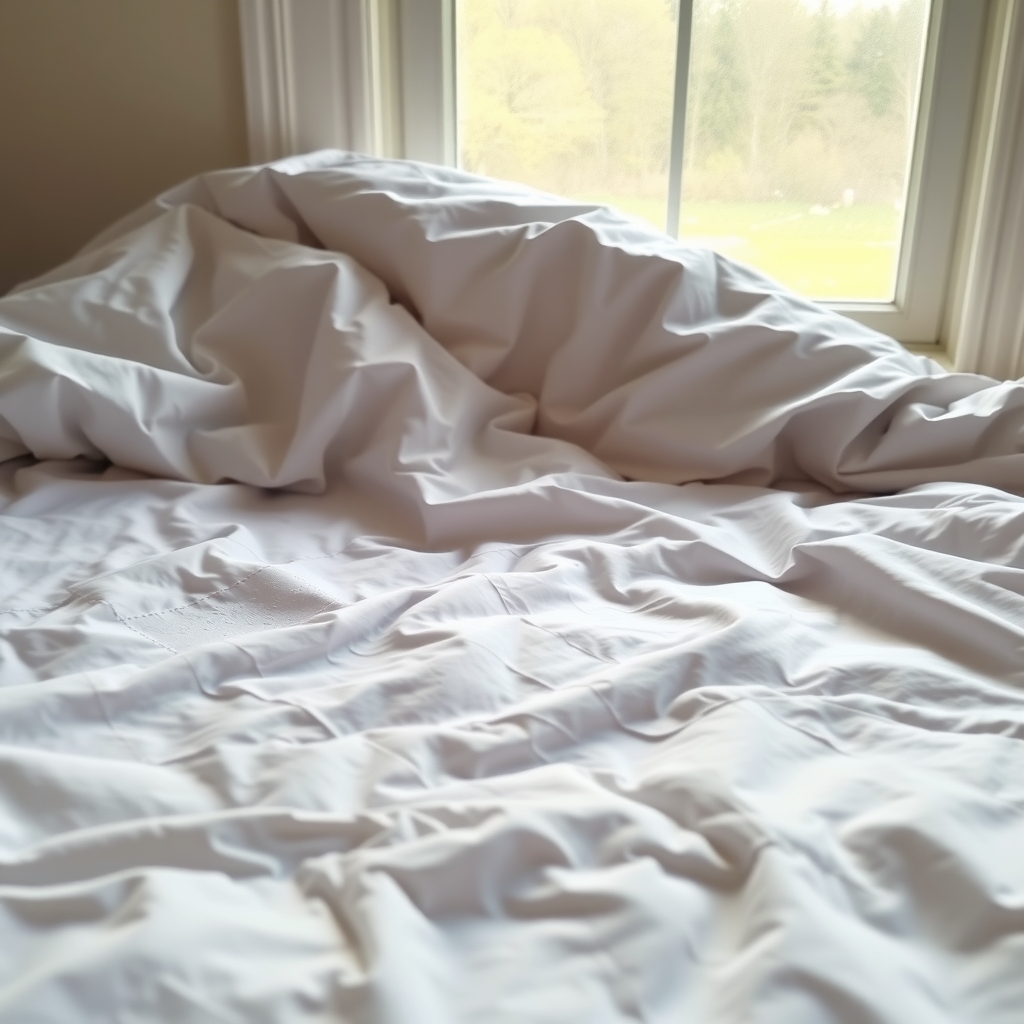
Why does my bed feel damp? Most of the time it is moisture from your own body and breath that has nowhere to go: humid room air, a bed pushed against a cold wall, or a vinyl-backed cover that seals it in. Air the bed out each morning and bring the room humidity down first. If it keeps coming back, a breathable mattress protector lets that moisture escape instead of pooling under you.
Free fix vs. permanent fix
Air the bed out and cut the moisture
- Pull the covers back and leave the bed bare for 30 minutes each morning
- Slide the bed 2 to 4 inches off any outside wall
- Open a window or run a fan for 15 minutes
- Dry bedding completely before you put it back on
How long it lasts: It works for as long as you keep doing it. If a vinyl cover or a humid room is the cause, the dampness is back within days.
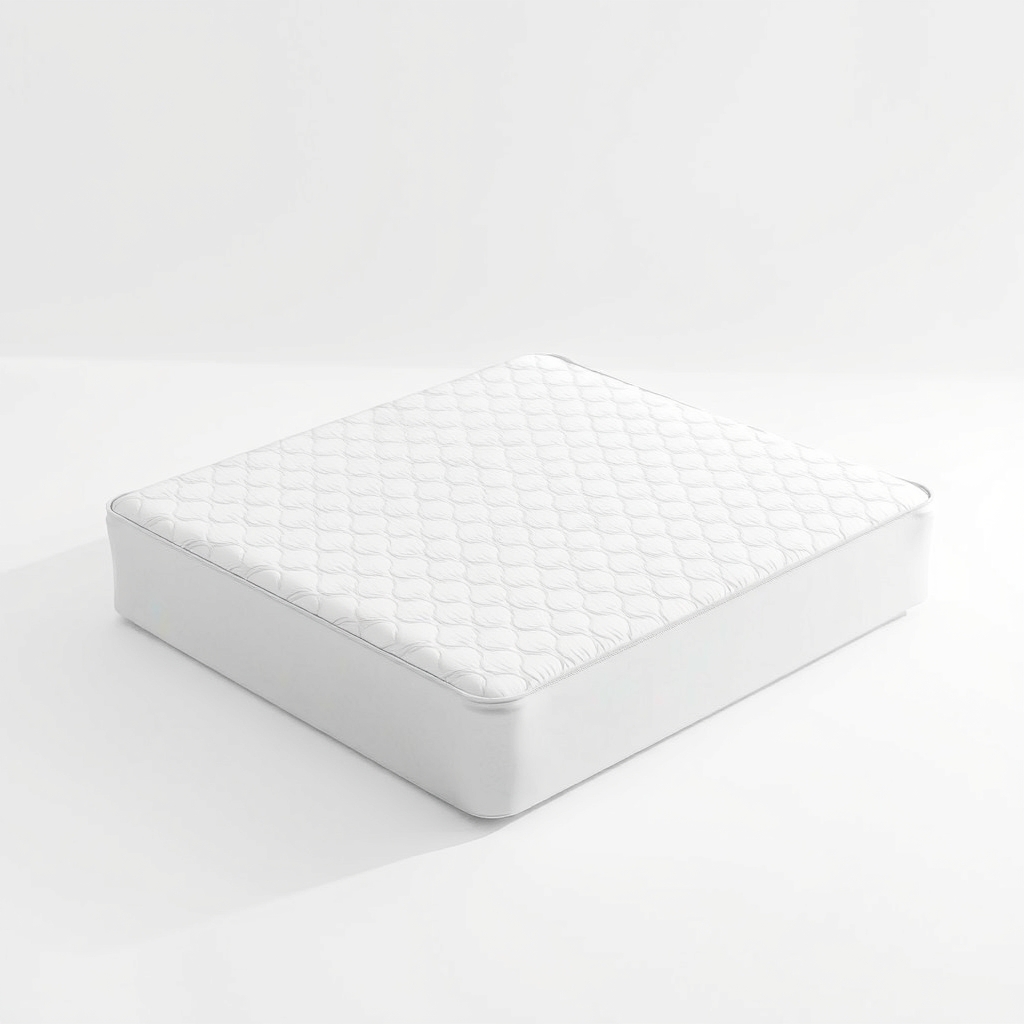
A breathable mattress protector
A cotton, bamboo or similar breathable top lets sweat vapor pass through to the air instead of sitting against your skin. It still keeps spills and sweat stains off the mattress, so you protect the bed without sealing it in plastic.
What to get: Breathable mattress protector
How long it lasts: Years of weekly washing. It works every night without you remembering anything.
As an Amazon Associate I earn from qualifying purchases.
What you'll need
- Illustration
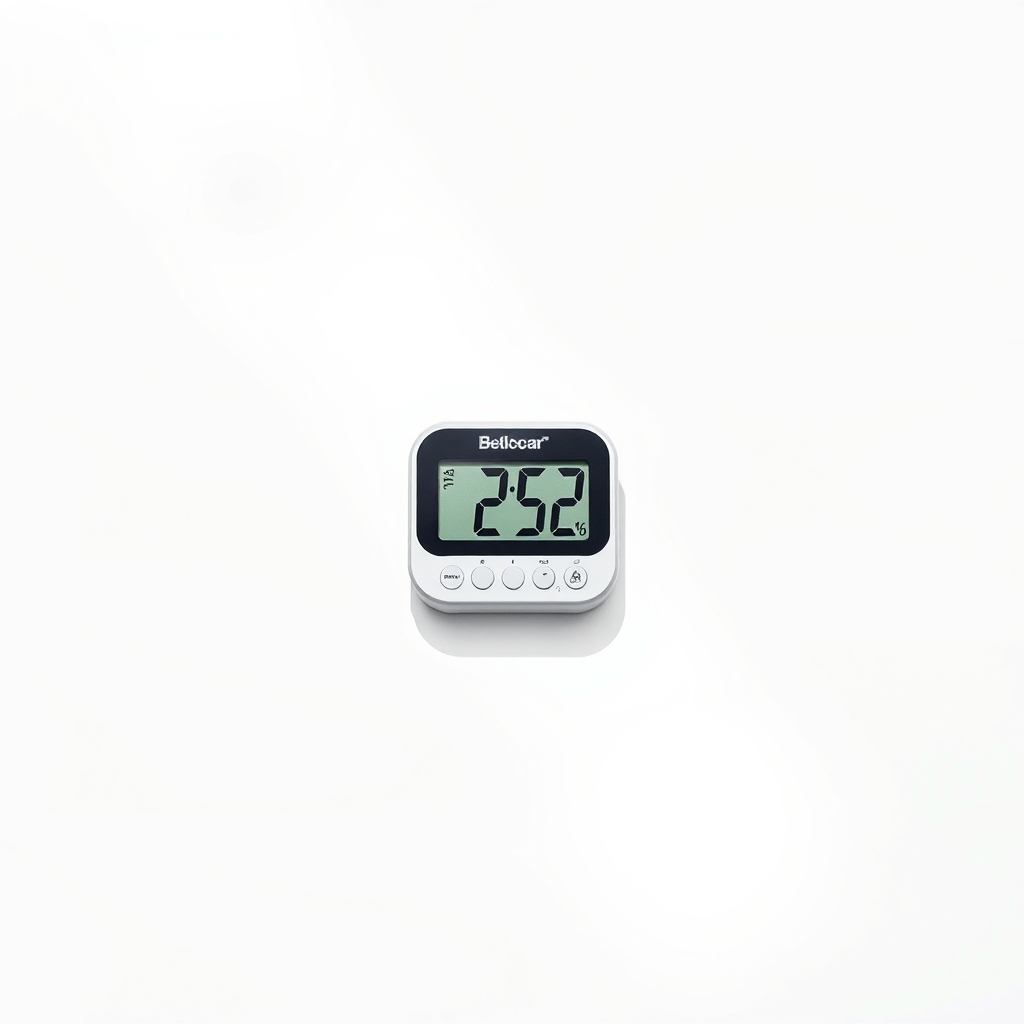
Digital hygrometer
A small gauge that shows room humidity so you know if the air is the problem
-
Baking soda
Soaks up damp and mustiness from the mattress surface
You have it -
Vacuum with upholstery tool
Removes the baking soda after a few hours
You have it - Our pick Illustration
Breathable mattress protector
Replaces a plastic or vinyl cover that traps moisture
- Illustration
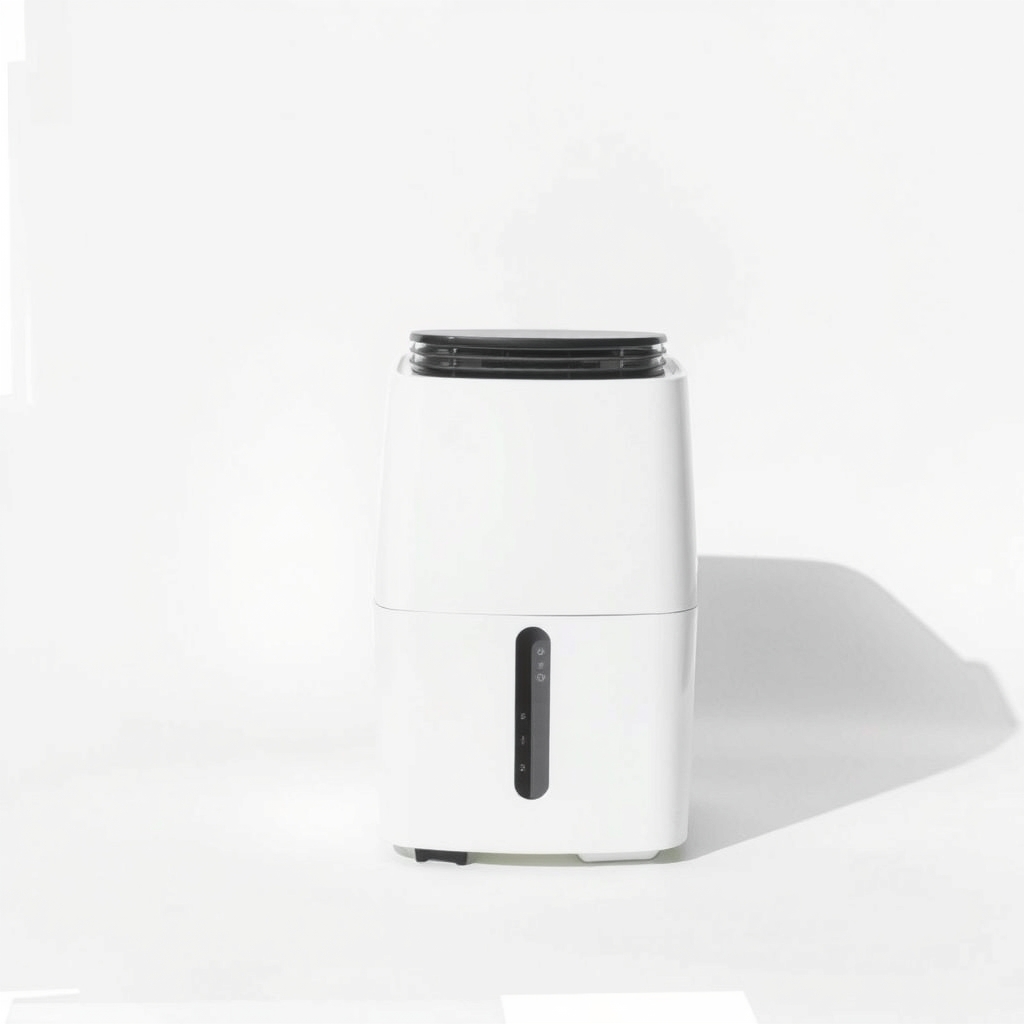
Small bedroom dehumidifier
Only if the gauge stays high after the free steps
Why it happens
Moisture from your own body
You sweat and breathe out water vapor all night. A mattress and bedding that cannot pass it through hold it close to you, so the top layer feels clammy by morning.
Humid bedroom air
When indoor humidity sits above about 60 percent, fabric cannot dry. Closed windows, drying laundry in the room or a bath next door can all push the number up.
A cold outside wall
A bed or headboard pushed tight against an exterior wall blocks air. Warm, damp air meets the cold surface behind it and turns to droplets, so that side of the bed feels wet.
A vinyl or plastic cover
Waterproof covers with a vinyl or PVC layer stop spills, but they also stop vapor. Many people notice the clammy feeling the week they put one on.
Bedding that never fully dried
A duvet cover or sheet put on slightly damp, or washed in a crowded machine, feels cold and damp against your skin all night.
Try this first (free)
Do these in order, starting with the simplest.
-
Measure the humidity first
Tool used: Digital hygrometerPut a gauge on a nightstand for two or three nights. Readings from about 30 to 50 percent are comfortable. Over 60 percent means the air is part of the problem.
IllustrationCheck price on AmazonTool for this step
Digital hygrometer · A small gauge that shows room humidity so you know if the air is the problem
-
Strip and air the bed every morning
Fold the duvet to the foot of the bed and leave the sheet off the mattress for 30 minutes. Open the window if the air outside is drier than inside.
-
Pull the bed off the wall
Leave a gap of 2 to 4 inches behind the bed and headboard, and keep furniture and boxes from pressing against the wall. Check the wall behind for dark spots.
-
Freshen the mattress with baking soda
Tool used: Baking sodaSprinkle a thin layer over the whole top, wait 2 to 4 hours, then vacuum it up with the upholstery tool. It takes up surface dampness and odor, but it will not dry a soaked mattress.
-
Dry the bedding properly
Wash sheets and the duvet cover in a machine that is not overloaded and run the dryer until the seams are fully dry. Skip damp bedding even if you are in a hurry.
-
Swap a plastic cover for a breathable one
Tool used: Breathable mattress protectorIf you use a vinyl-backed protector, take it off for a week and see if the bed feels drier. If it does, the cover was the cause, and a breathable protector keeps the protection without the clamminess.
IllustrationCheck price on AmazonTool for this step
Breathable mattress protector · Replaces a plastic or vinyl cover that traps moisture
When free fixes aren't enough
If the bed is damp every morning even with the window open and the cover off, look wider. A room that stays above 60 percent, a wall that feels cold and wet or a musty smell points to a moisture source you need to fix. Hot sleepers also sweat a lot, and any mattress holds more than it lets go. The free steps never change that. A breathable protector keeps working in the background, and a small dehumidifier takes on the room itself.
Buy the fix
Still stuck after the free fixes? These are the products we would look at.
| Pick | Product | Fixes | Who it's for | Buy |
|---|---|---|---|---|
| Best pick | Breathable mattress protector | sweat and moisture that gets trapped under a sealed cover | Anyone who feels clammy at night, or who needs to protect the mattress without sleeping on plastic. | Check price |
| Budget pick | Digital hygrometer | guessing, since it shows whether room air is the cause | People who are not sure if the problem is the bed or the room. | Check price |
| Upgrade pick | Small bedroom dehumidifier | a bedroom that stays above 60 percent humidity | People whose gauge stays high every night, often in basements or ground-floor rooms. | Check price |
Breathable mattress protector
Fixes: sweat and moisture that gets trapped under a sealed cover
Look for: A cotton, bamboo or similar breathable top, not vinyl or PVC; A fitted skirt deep enough for your mattress; Machine washable, so you can wash it often; If you want spill protection, a thin breathable membrane rather than a plastic sheet.
- Who it's for
- Anyone who feels clammy at night, or who needs to protect the mattress without sleeping on plastic.
- Honest downside
- The mattress itself already smells musty or shows spots. A protector will not fix that, and you should deal with the source first.
Digital hygrometer
Fixes: guessing, since it shows whether room air is the cause
Look for: A readout that shows humidity as a percent; A temperature reading as well; A small size that fits on a nightstand.
- Who it's for
- People who are not sure if the problem is the bed or the room.
- Honest downside
- You already know the room is humid. Go straight to the dehumidifier.
Small bedroom dehumidifier
Fixes: a bedroom that stays above 60 percent humidity
Look for: A quiet mode, since it runs while you sleep; A tank size that fits a night or a day; Continuous drain option if you want to skip emptying.
- Who it's for
- People whose gauge stays high every night, often in basements or ground-floor rooms.
- Honest downside
- The gauge reads under 55 percent. The room air is fine and a dehumidifier will not help.
As an Amazon Associate I earn from qualifying purchases. We don't show prices because they change, so use the button to see today's price.
How we picked: How we picked: this page is based on mattress and bedding care guides, indoor humidity advice from public health sources, and what owners report in reviews of breathable mattress protectors. We do not test products by hand.
Is it sweat, humid air or a leak?
- Sweat: the whole top layer feels clammy, mostly under your torso, and it dries during the day.
- Humid air: the gauge reads above 60 percent and windows have condensation.
- Cold wall: one side of the bed is wet and the wall behind it feels cold or has dark spots.
- Leak: the damp patch is in one spot, comes back after you air it out and sits under a ceiling stain, a window or a pipe wall. Fix the leak before you buy anything for the bed.
When to stop and replace or call a pro
If you see spreading dark or green spots on the mattress, smell mold that does not clear after airing, or find damp patches on the wall that keep growing, the cause is a moisture problem, not a bedding problem. Stop sleeping on a mattress with spreading mold. For mold on a wall larger than about 10 square feet, or water that keeps coming in, call a pro.
What to skip
Hair dryers and plastic sheets on top
Blasting a mattress with a hair dryer only dries the first inch and can scorch the foam. A plastic sheet under the fitted sheet makes things worse by sealing in the moisture you are trying to release.
Frequently asked questions
Why does my mattress feel damp?
Why does my duvet cover feel damp?
Is a damp mattress the same as a moldy one?
Related problems
 Free fix inside
Bedroom & Sleep · Bedroom Humidity
Bedroom Too Humid? Measure First, Then Pick a Dehumidifier
Read the fix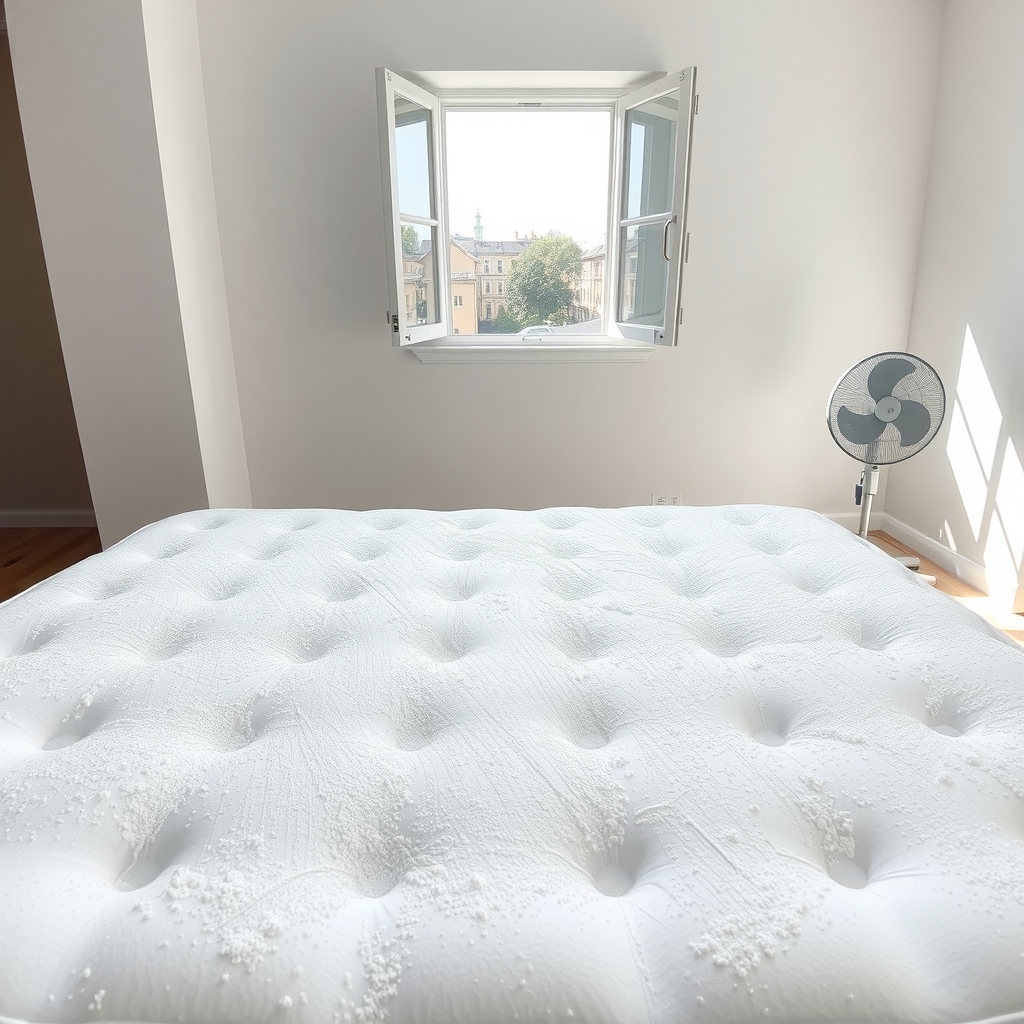 Free fix inside
Bedroom & Sleep · Mattress Smell
Mattress Smells Musty? How to Air It Out Before You Replace It
Read the fix Free fix inside
Bedroom & Sleep · Bedroom Air
Bedroom Smells Musty? Find the Damp Source, Then Fix It
Read the fix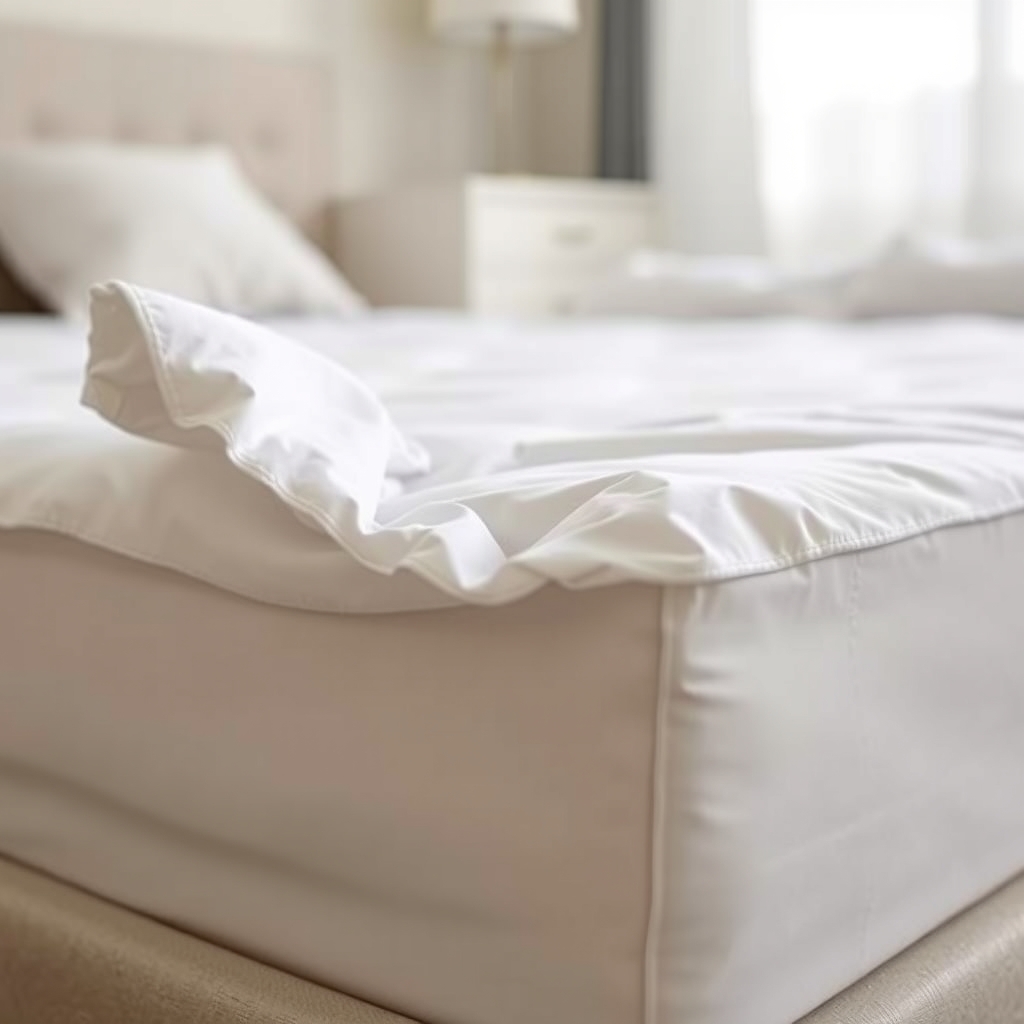 Free fix inside
Bedroom & Sleep · Mattress Protector
Mattress Cover Keeps Coming Off? Why It Slips and What Holds
Read the fixAs an Amazon Associate I earn from qualifying purchases. Affiliate disclosure