Tile Grout Turning White? Haze Remover Steps That Restore Color
White powder or film on grout is usually mineral salts or leftover haze. Brush it off, rinse, and use a haze remover if it keeps coming back.
By Jamilur Rahman Updated November 5, 2026 · 6 min read
- Time
- 1 hour
- Cost
- Under $20
- Difficulty
- Medium
In this guide
Quick answer
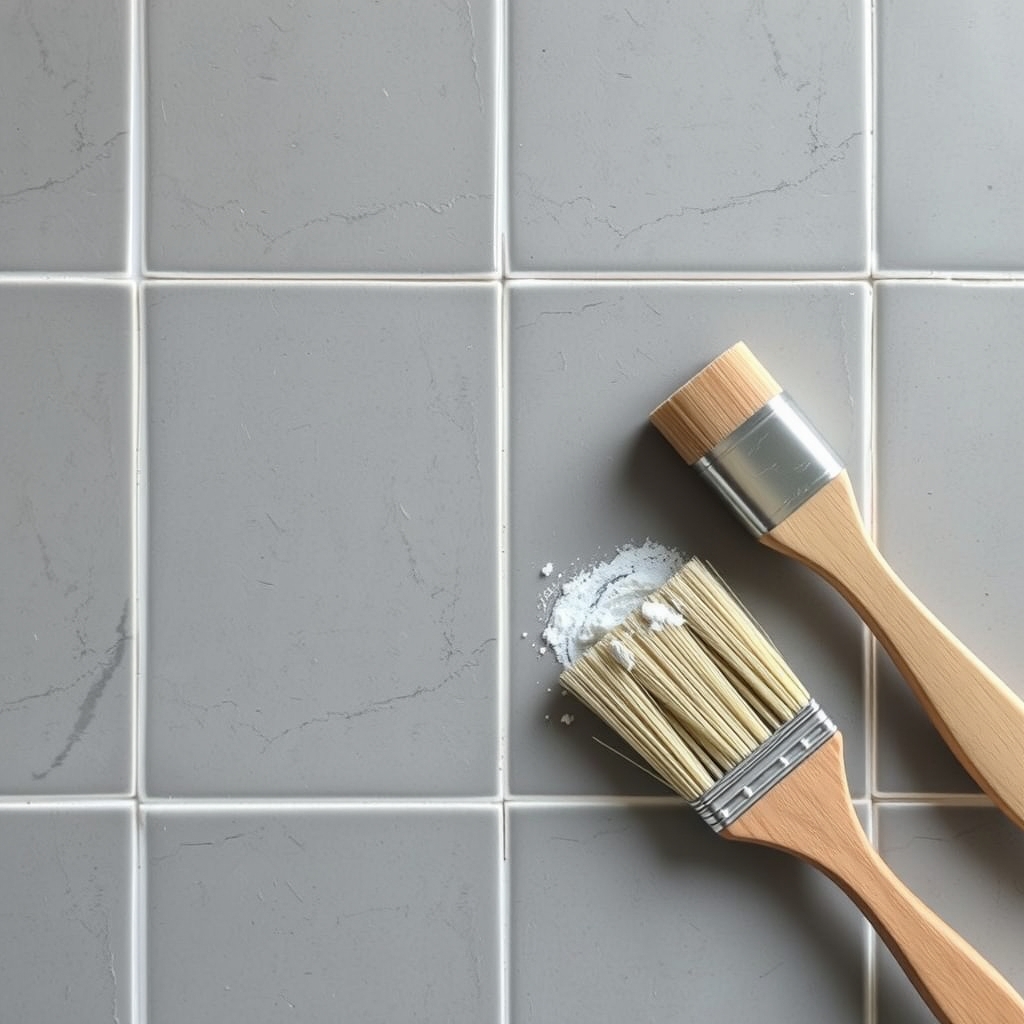
Why is your tile grout turning white? It is usually efflorescence (mineral salts that moisture pushes to the surface), leftover cement haze, or hard-water scale, and sometimes acid cleaners have stripped the color. Dry-brush the powder, rinse, and try a diluted vinegar wipe on cement grout with ceramic or porcelain tile. If the white film stays, a grout haze remover dissolves it, and a grout colorant can restore faded color.
Free fix vs. permanent fix
Dry-brush, rinse, and a diluted vinegar wipe
- Dry-brush the white powder with a stiff nylon brush and vacuum it up
- Wipe with a damp cloth and rinse with clean water
- On cement grout and ceramic or porcelain, try half vinegar, half water, then rinse
- Dry the area and look for where moisture is coming from
How long it lasts: Months if the cause was light hard-water scale. Efflorescence returns while moisture keeps moving through the grout.
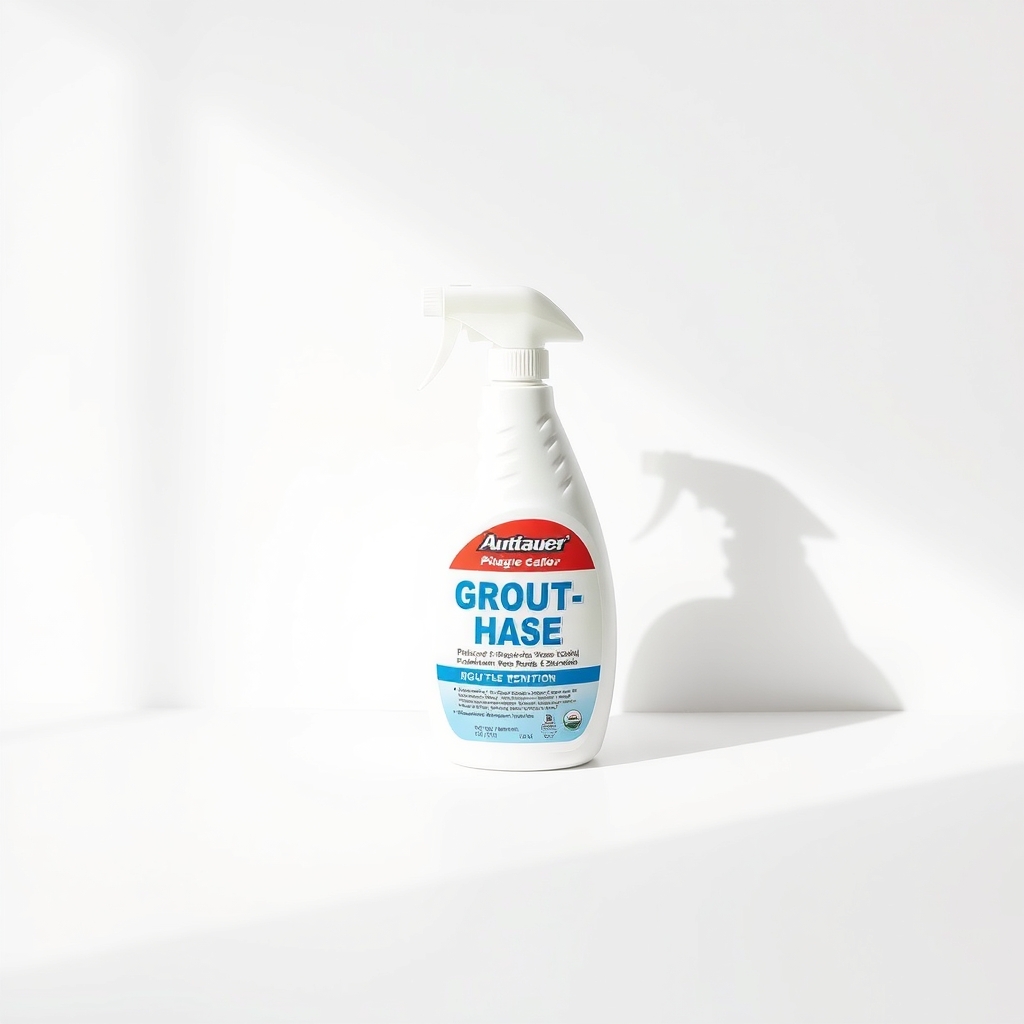
A grout haze remover
A haze remover dissolves the cement and mineral film that water and vinegar leave behind, so the grout color shows again. Vinegar is mild and stops working on thick haze. A haze remover is built for it. Use it once, rinse well, and the stuck-on white is gone.
What to get: Grout haze remover
How long it lasts: Often permanent for the haze it removes. Fix the moisture source, or the white will come back.
As an Amazon Associate I earn from qualifying purchases.
What you'll need
-
Stiff nylon brush
Not wire, which scratches tile and scars grout
You have it -
White vinegar
Diluted, and only on cement grout with ceramic or porcelain tile
You have it -
Rubber gloves and eye protection
Haze removers are acidic
You have it -
Microfiber cloths
For wiping and rinsing
You have it - Our pick Illustration
Grout haze remover
Check the label lists your tile type as safe
- Illustration
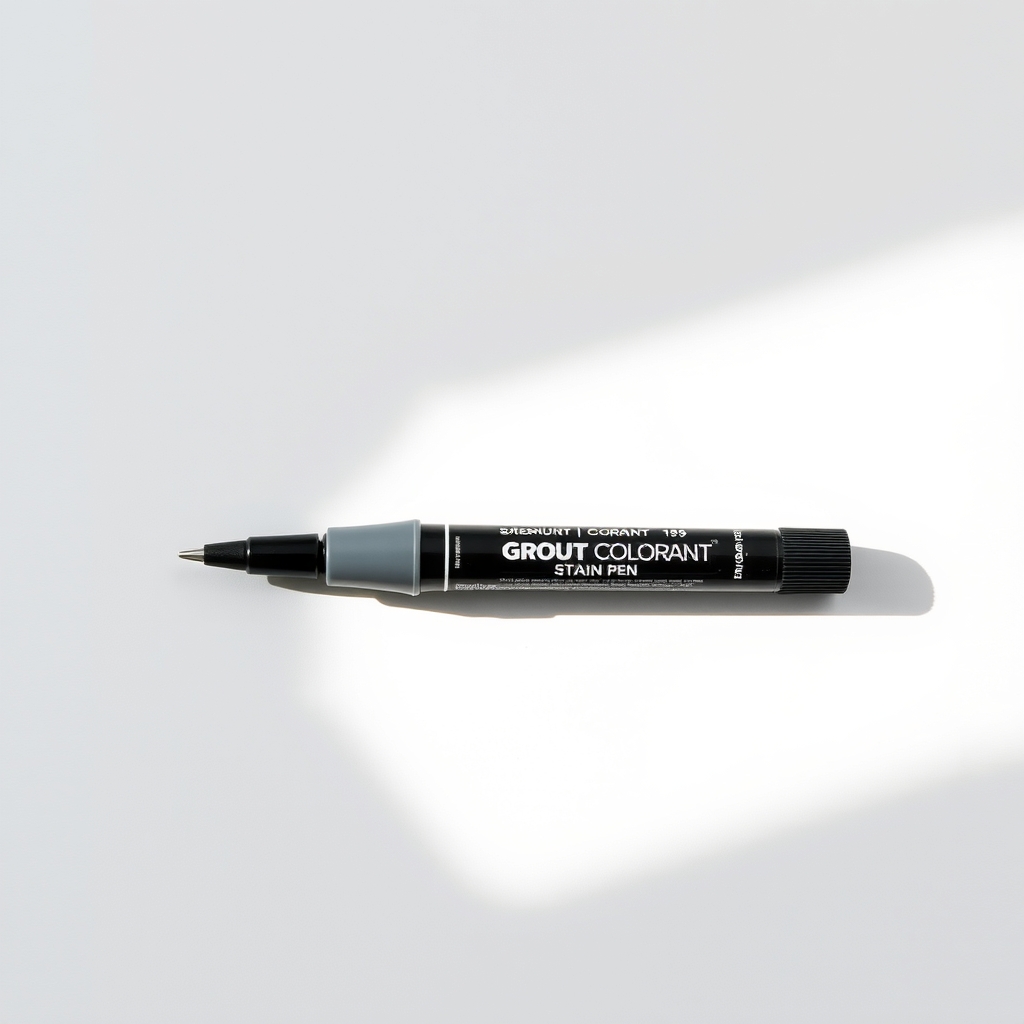
Grout colorant or stain pen
Only for faded or etched grout after cleaning
Why it happens
Efflorescence
Water moving through cement grout carries dissolved salts to the surface. The water evaporates and leaves a white, powdery crust behind. It is common on new installs and on grout near leaks or a damp slab.
Leftover cement haze
After tile is installed, a thin film of cement can stay on the tile and grout. It dries white and gets harder to remove the longer it sits.
Hard-water scale
In showers, around sinks, and on kitchen backsplashes, hard water leaves calcium and lime. It builds up on grout as a crusty white film.
Etched or bleached grout
Acidic cleaners, strong bleach, and harsh scrubbing can strip the surface of colored grout and leave it looking white and chalky.
Sealer or soap residue
Too much sealer, or a soap film that was never rinsed, can cloud the grout lines and leave a white bloom.
Try this first (free)
Do these in order, starting with the simplest.
-
Test a small spot
Rub a dry cloth over the white. If a powder comes off, it is likely efflorescence. If it feels like a hard film, it is haze or scale. If the grout just looks pale and rough, it may be etched.
-
Dry-brush and vacuum
Tool used: Stiff nylon brushWith the grout dry, scrub the white with a stiff nylon brush and vacuum up the powder. Do not use a wire brush, which will scratch the tile and scar the grout.
-
Wipe and rinse
Tool used: Microfiber clothsWipe with a damp microfiber cloth and rinse with clean water. That removes loose salts. Dry the area with a clean towel.
-
Try diluted vinegar on cement grout, not natural stone
Tool used: White vinegarOn ceramic or porcelain tile with cement grout, spray equal parts vinegar and water, wait 2 to 3 minutes, scrub, and rinse well. Skip it on marble, travertine, limestone, and polished tile. Never mix vinegar with bleach.
-
Use a haze remover on the stubborn white
Tool used: Grout haze removerWear gloves and eye protection and ventilate the room. Test a small spot first, apply as the label says, scrub, then rinse several times with clean water. Wait until the grout is dry before you seal it.
IllustrationCheck price on AmazonTool for this step
Grout haze remover · Check the label lists your tile type as safe
When free fixes aren't enough
If the white returns within a few weeks of cleaning, moisture is still moving through the grout. Look for a leak behind or under the tile, a damp slab, or a splash zone with no ventilation. No cleaner fixes a leak. If the grout is crumbling or cracked, regrout the area. If it looks faded or chalky after cleaning, the color has been stripped, and a colorant or new grout is the next step. If the white growth smells musty or sits near a leak, it may be mold, so treat it as mold instead.
Buy the fix
Still stuck after the free fixes? These are the products we would look at.
| Pick | Product | Fixes | Who it's for | Buy |
|---|---|---|---|---|
| Best pick | Grout haze remover | a stubborn white film that water and vinegar do not remove | Anyone with ceramic or porcelain tile and cement grout whose white film will not wipe off. | Check price |
| Upgrade pick | Grout colorant or stain pen | faded, etched, or patchy grout color after cleaning | People whose grout is clean but still looks pale or uneven. | Check price |
Grout haze remover
Fixes: a stubborn white film that water and vinegar do not remove
Look for: Labeled for cement haze, efflorescence, or grout residue; Listed as safe for your tile type (ceramic, porcelain, or natural stone); Clear directions for dilution and rinse time.
- Who it's for
- Anyone with ceramic or porcelain tile and cement grout whose white film will not wipe off.
- Honest downside
- Your tile is natural stone or polished marble, or the label does not list it as safe. Acid can etch it.
Grout colorant or stain pen
Fixes: faded, etched, or patchy grout color after cleaning
Look for: A shade that matches your grout, checked against a photo or swatch; Made for cement grout, with a durable dried finish; A brush or applicator that fits narrow lines.
- Who it's for
- People whose grout is clean but still looks pale or uneven.
- Honest downside
- Your grout is cracked or crumbling. Regrout instead.
As an Amazon Associate I earn from qualifying purchases. We don't show prices because they change, so use the button to see today's price.
How we picked: How we picked: this page is based on tile and grout care guides, haze remover instructions from the makers, and the problems and fixes people report in reviews. We do not test products by hand.
Which kind of white is it?
- Dry powder that brushes off: efflorescence. Moisture is moving through the grout.
- A hard film on the tile and grout after an install: cement haze.
- A crust near faucets and shower walls: hard-water scale.
- Pale, rough grout with no film: etched or faded color.
Seal it after, and keep it dry
Once the grout is clean and fully dry, a penetrating sealer slows moisture moving through it. Run the exhaust fan or open a window after showers, and fix drips at the source. Keeping grout dry is the best way to stop the white from coming back.
What to skip
Bleach and strong acid cleaners on colored grout
Bleach and strong acids can strip color and etch the surface, which makes grout look whiter and chalkier, and they can damage natural stone. If the label does not list your tile and grout type as safe, leave it on the shelf.
Frequently asked questions
Why is my tile grout turning white?
Is white powder on grout mold?
Will the white come back after I clean it?
Can I use vinegar on grout every week?
Related problems
 Free fix inside
Cleaning · Tile Grout
Tile Grout Dirty or Yellow? Whiten It and Keep It White
Read the fix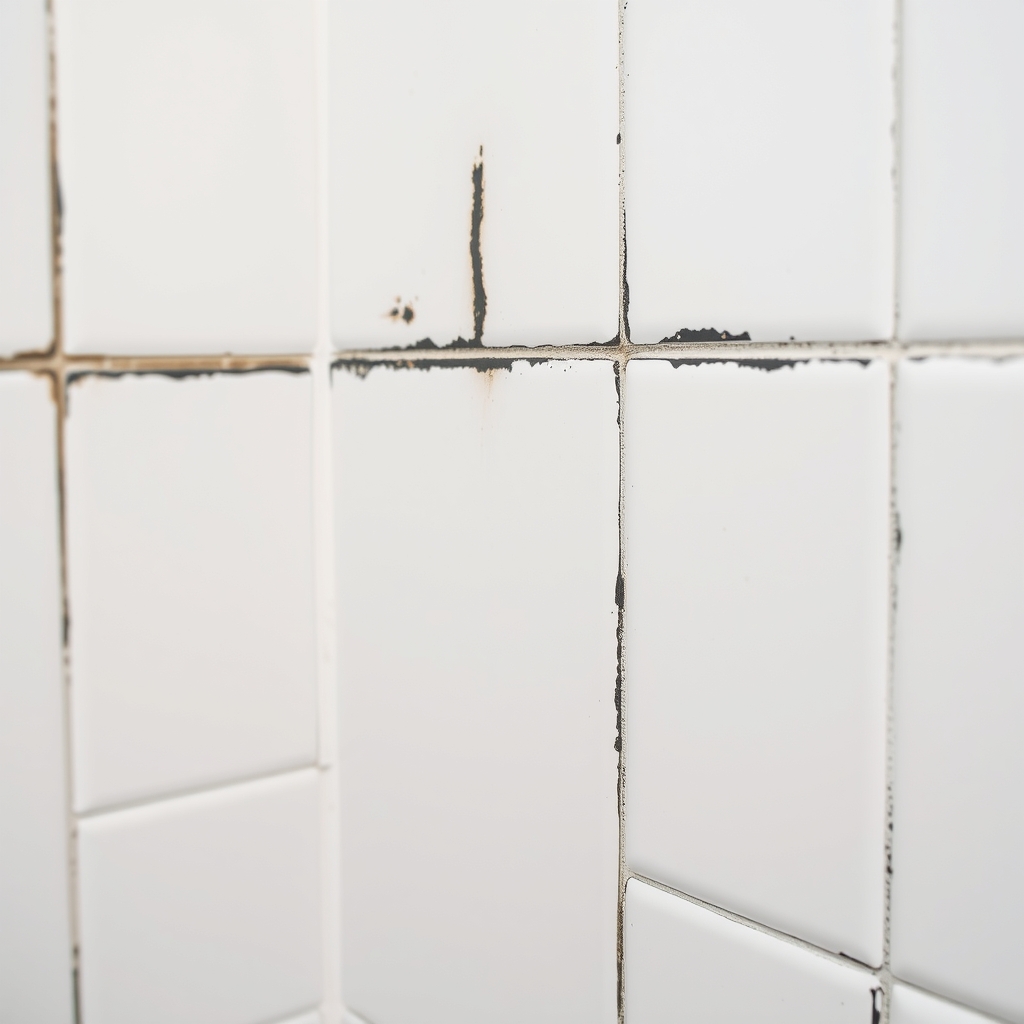 Free fix inside
Cleaning · Tile Grout
Tile Grout Molding? Kill It, Then Seal the Grout So It Stays Gone
Read the fix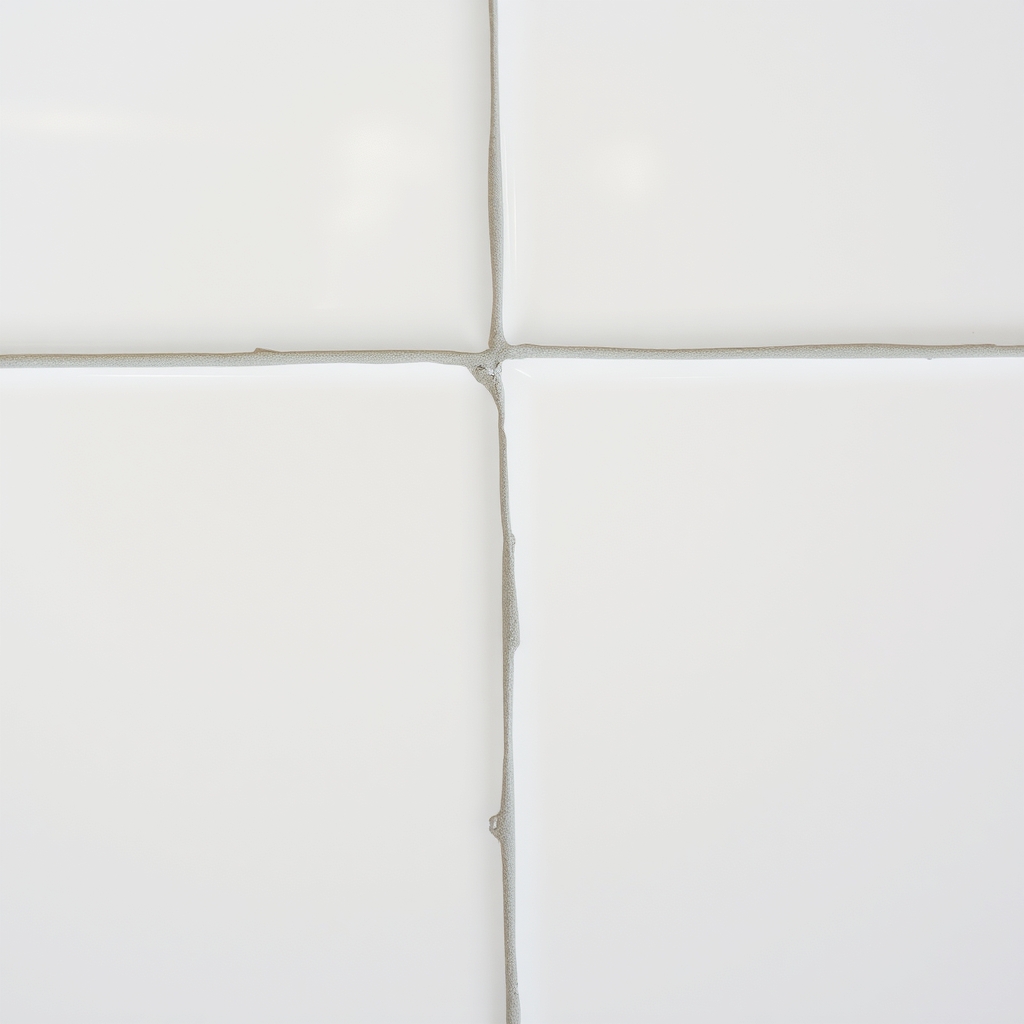 Free fix inside
Cleaning · Tile Grout
Cracked Tile Grout? Redo It Yourself With a Simple Regrout Kit
Read the fix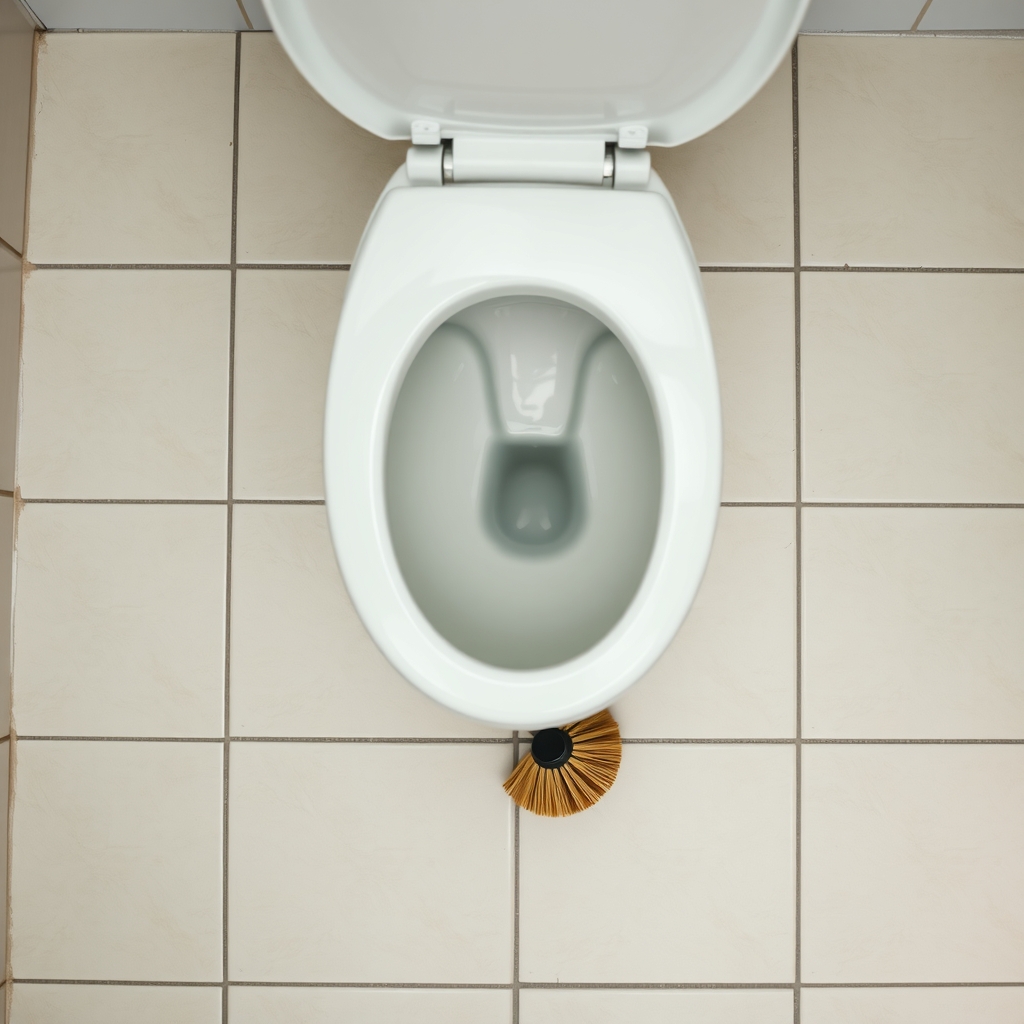 Free fix inside
Cleaning · Tile Grout
Tile Grout Smells Like Urine? Bathroom Floor Cleaner and Sealer
Read the fixAs an Amazon Associate I earn from qualifying purchases. Affiliate disclosure