Tile Grout Smells Like Urine? Bathroom Floor Cleaner and Sealer
Urine splashes soak into porous grout and keep smelling. Scrub, break the residue down with an enzyme cleaner, then seal the grout.
By Jamilur Rahman Updated November 5, 2026 · 7 min read
- Time
- 1 hour, plus 2 days to cure
- Cost
- $20-$50
- Difficulty
- Easy
In this guide
Quick answer
When tile grout smells like urine, the grout has soaked up splashes that dried into crystals, and humidity wakes the smell each time. Scrub the grout with hot soapy water, rinse, and treat it with an enzyme cleaner that breaks the residue down. Let it dry, then seal the grout so it stops absorbing new splashes. If the smell stays right at the toilet base, check for a leak.
Free fix vs. permanent fix
Scrub, rinse, and use a vinegar rinse
- Scrub grout lines with hot soapy water and a stiff brush
- Rinse well, then wipe with half vinegar and half water
- Rinse again with clean water and mop dry
- Never mix vinegar with bleach or ammonia
How long it lasts: A few weeks at best. Vinegar loosens some salts, but deeper residue stays in the pores and returns when the room gets humid.
An enzyme cleaner, then a grout sealer
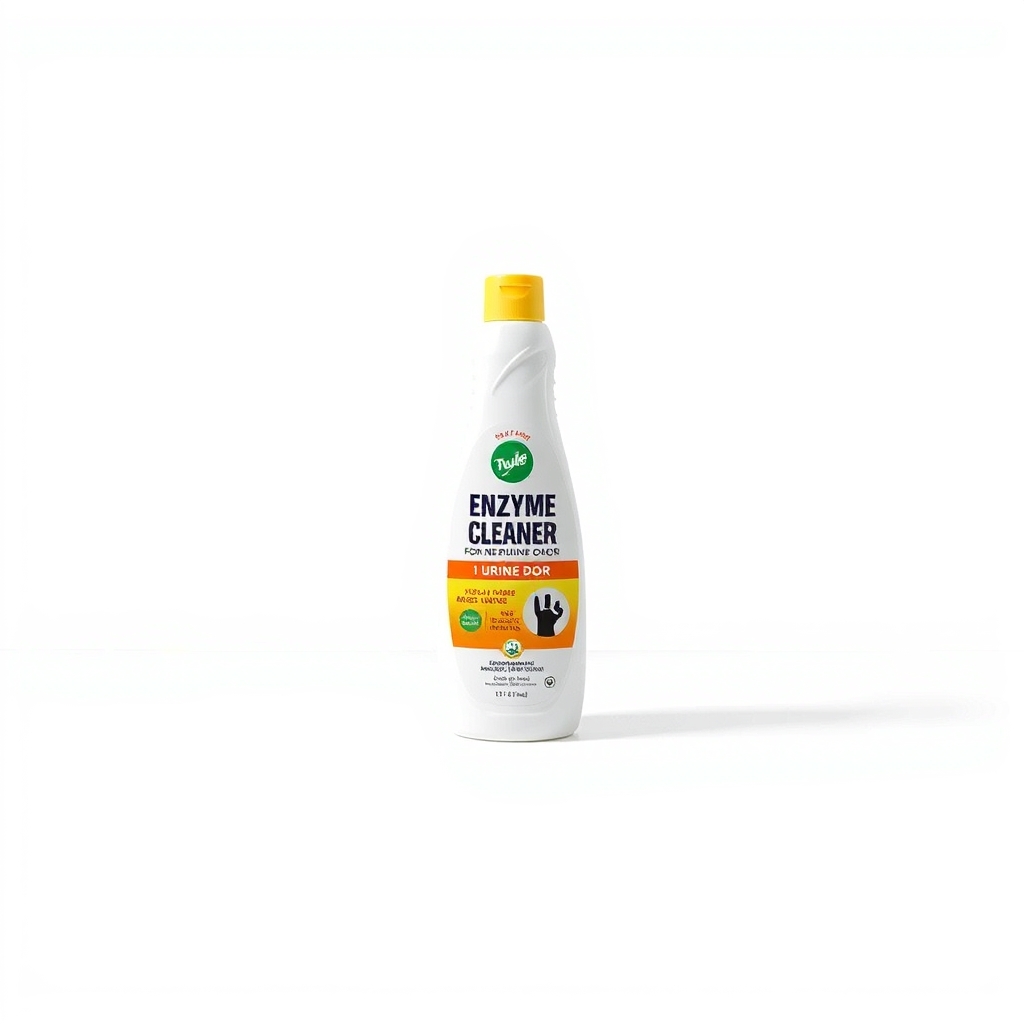
The smell comes from residue deep in the grout, which soap cannot reach. Enzyme cleaners digest it where it sits. Grout is porous, so a sealer applied afterward helps stop the next splash from soaking in.
What to get: Enzyme cleaner for urine odor, safe on tile and grout
How long it lasts: Months to years. Enzymes remove the source, and a sealer helps keep new splashes from soaking in.
As an Amazon Associate I earn from qualifying purchases.
What you'll need
-
Stiff nylon brush
An old toothbrush reaches narrow lines
You have it -
Rubber gloves
For scrubbing and for handling cleaners
You have it -
White vinegar
For a quick rinse on ceramic or porcelain tile only
You have it - Our pick Illustration
Enzyme cleaner for urine
Use one labeled safe for tile and grout
- Illustration
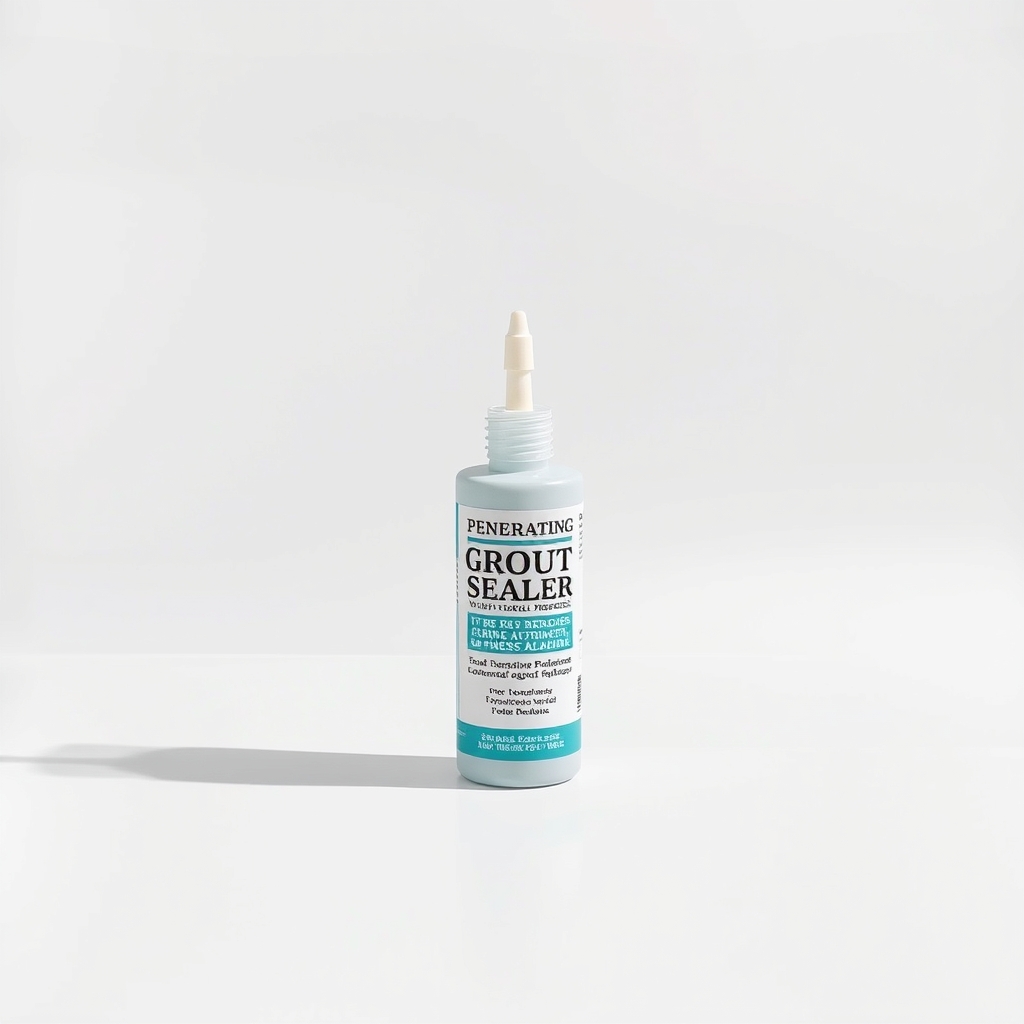
Penetrating grout sealer
Apply after the floor is clean and fully dry
Why it happens
Urine absorbed by porous grout
Cement grout is full of tiny pores. Urine that splashes or drips around a toilet soaks in and dries into crystals that wiping the surface does not remove.
Bacteria and mildew in damp grout
Grout stays damp in a bathroom. Bacteria and mildew feed on grime in the pores and give off an ammonia or musty smell that many people read as urine.
A leak or seep at the toilet base
A worn wax ring or loose toilet bolts can let water seep onto the floor and into the grout. It smells sour, and it can be wastewater, which is a different problem.
Pets or children
Accidents on the floor, or a cat spraying near a bathroom door, soak into the same grout lines.
Sprays that mask the smell
Floral sprays and bleach cover the smell for a day. They do not break down urine residue, so it returns when the room warms up.
Try this first (free)
Do these in order, starting with the simplest.
-
Find where the smell is strongest
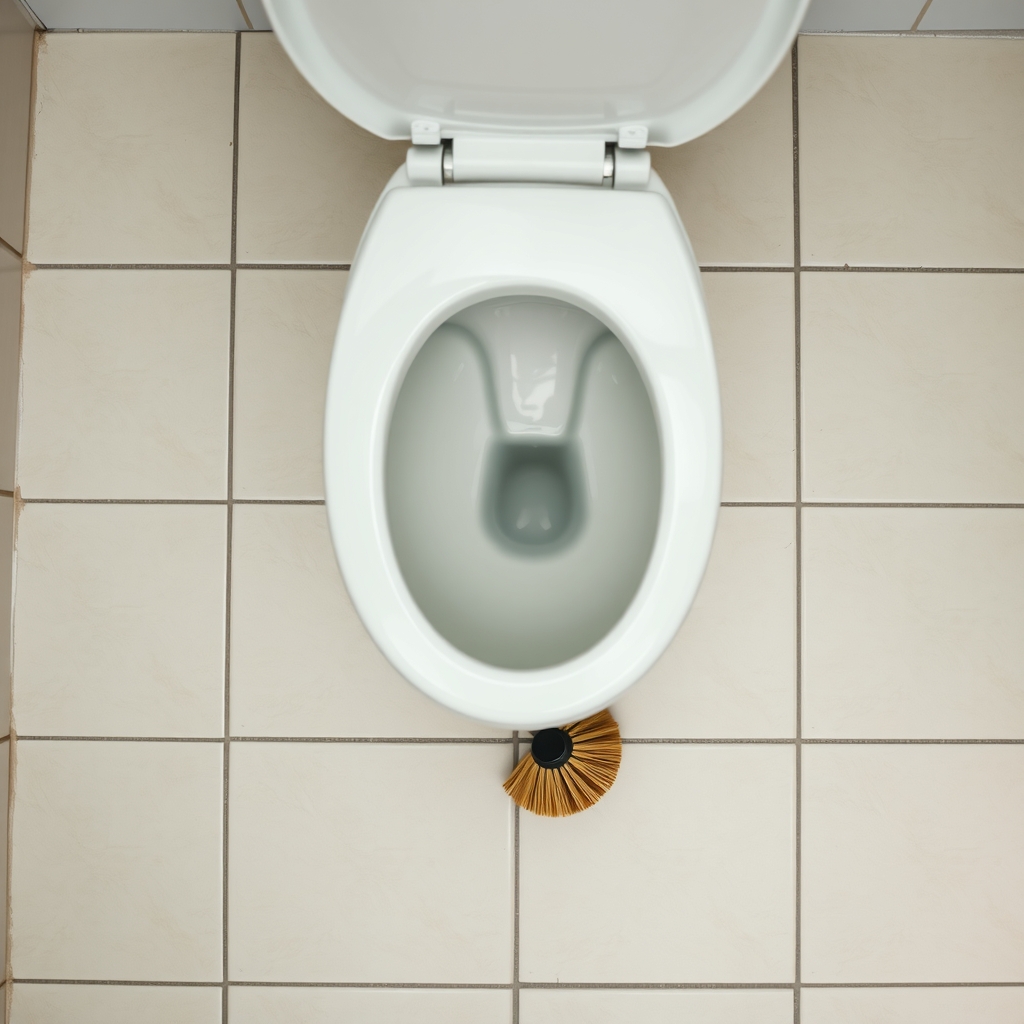
Start at the base of the toilet and move out along the grout lines, noting where the smell is strongest. Check whether the grout there looks dark, damp, or soft.
-
Scrub with hot soapy water
Tool used: Stiff nylon brushWearing gloves, scrub the grout lines with hot water, dish soap, and a stiff nylon brush. Rinse with clean water and wipe up the dirty water so it does not dry back into the grout.
-
Rinse with diluted vinegar on ceramic or porcelain tile
Tool used: White vinegarOn ceramic or porcelain tile with cement grout, mop with equal parts white vinegar and water, wait 5 minutes, and rinse. Skip it on marble, travertine, and other natural stone. Never mix vinegar with bleach.
-
Soak the grout with an enzyme cleaner
Tool used: Enzyme cleaner for urineWet the grout lines until they are saturated, following the label for dilution. Keep them damp for the time on the label, often 10 to 15 minutes or more, then let the floor air dry. Repeat if the smell lingers.
IllustrationCheck price on AmazonTool for this step
Enzyme cleaner for urine · Use one labeled safe for tile and grout
-
Dry fully, then seal the grout
Tool used: Penetrating grout sealerWait until the grout is completely dry, usually a day or more. Apply a penetrating grout sealer to the lines with a small brush or applicator, wipe it off the tile, and keep the floor dry for the time on the label.
IllustrationCheck price on AmazonTool for this step
Penetrating grout sealer · Apply after the floor is clean and fully dry
When free fixes aren't enough
If the smell returns within days after enzymes, the urine has soaked deep, and one treatment may not be enough. Repeat the enzyme soak and keep the grout wet for longer. If the grout is cracked, crumbling, or stained black, regrouting is the better fix, since a sealer cannot repair damage. If the smell is strongest at the toilet base, the floor feels soft, or you see water seeping out, the wax ring may be leaking. Call a plumber instead of scrubbing.
Buy the fix
Still stuck after the free fixes? These are the products we would look at.
| Pick | Product | Fixes | Who it's for | Buy |
|---|---|---|---|---|
| Best pick | Enzyme cleaner for urine odor, safe on tile and grout | urine residue deep in grout that soap cannot reach | Anyone with a bathroom floor that smells after cleaning, especially with kids, pets, or a shared bathroom. | Check price |
| Upgrade pick | Penetrating grout sealer with a fine applicator | grout that soaks up new splashes and stains | Floors that keep taking splashes, such as a bathroom shared with kids, or any grout that was never sealed. | Check price |
Enzyme cleaner for urine odor, safe on tile and grout
Fixes: urine residue deep in grout that soap cannot reach
Look for: Labeled safe for tile and grout; Enzymes or bacteria that break down urine, not just fragrance; A sprayer or nozzle that lets you soak the grout lines.
- Who it's for
- Anyone with a bathroom floor that smells after cleaning, especially with kids, pets, or a shared bathroom.
- Honest downside
- The smell is at the toilet base and the floor is wet. That points to a leak, not residue.
Penetrating grout sealer with a fine applicator
Fixes: grout that soaks up new splashes and stains
Look for: A penetrating sealer made for cement grout; A fine applicator tip or small brush; Rated for floors and damp rooms.
- Who it's for
- Floors that keep taking splashes, such as a bathroom shared with kids, or any grout that was never sealed.
- Honest downside
- Your grout is already sealed and water beads on it, or it is cracked. Fix the grout first.
As an Amazon Associate I earn from qualifying purchases. We don't show prices because they change, so use the button to see today's price.
How we picked: How we picked: this page is based on tile and grout care guides, enzyme cleaner and sealer instructions from the makers, and the problems and fixes people report in reviews. We do not test products by hand.
Check the toilet base first
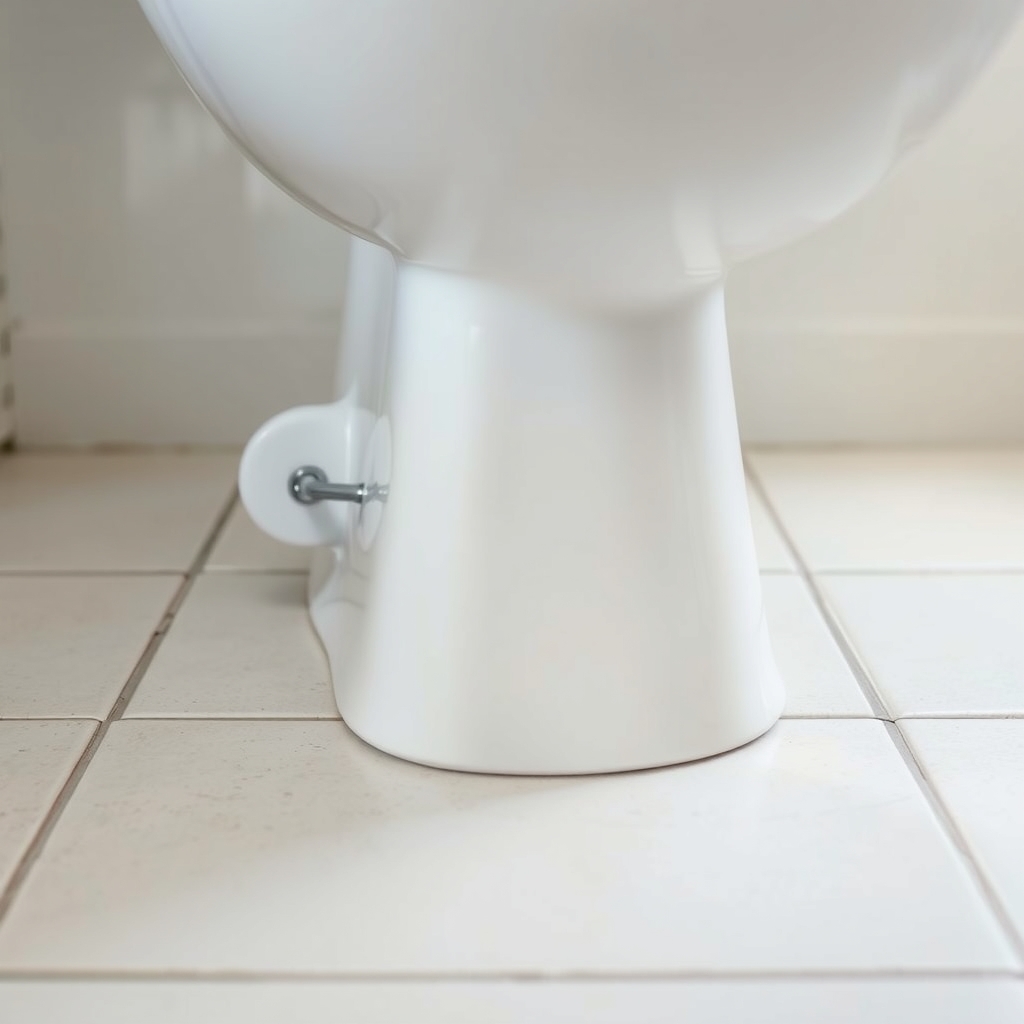
Press on the floor near the base and look for dark staining on the grout, loose bolts, or cracked caulk. A toilet that rocks, or a floor that stays damp, points to a failed wax ring or seal. Fix that before you clean, or the smell returns.
Seal only clean, dry grout
Sealing over dirt or damp grout traps the smell. Wait a day after your last treatment, then drop a little water on a grout line. If it darkens and soaks in, the grout is unsealed. If it beads, you are done and can skip the sealer.
What to skip
Bleach and heavy fragrance sprays
Bleach whitens the surface but does not break down urine salts, and it should never be mixed with vinegar, ammonia, or urine. Fragrance sprays cover the smell for a few hours. Neither fixes the residue in the pores.
Frequently asked questions
Why does my tile grout smell?
Why does my bathroom floor smell like urine after I mop?
Does vinegar get urine smell out of grout?
How long should I wait before walking on grout after sealing?
How do I know if it is a toilet leak?
Related problems
 Free fix inside
Bathroom · Toilet Bowl
Bathroom Smells Like Urine? Check the Toilet Base and Grout First
Read the fix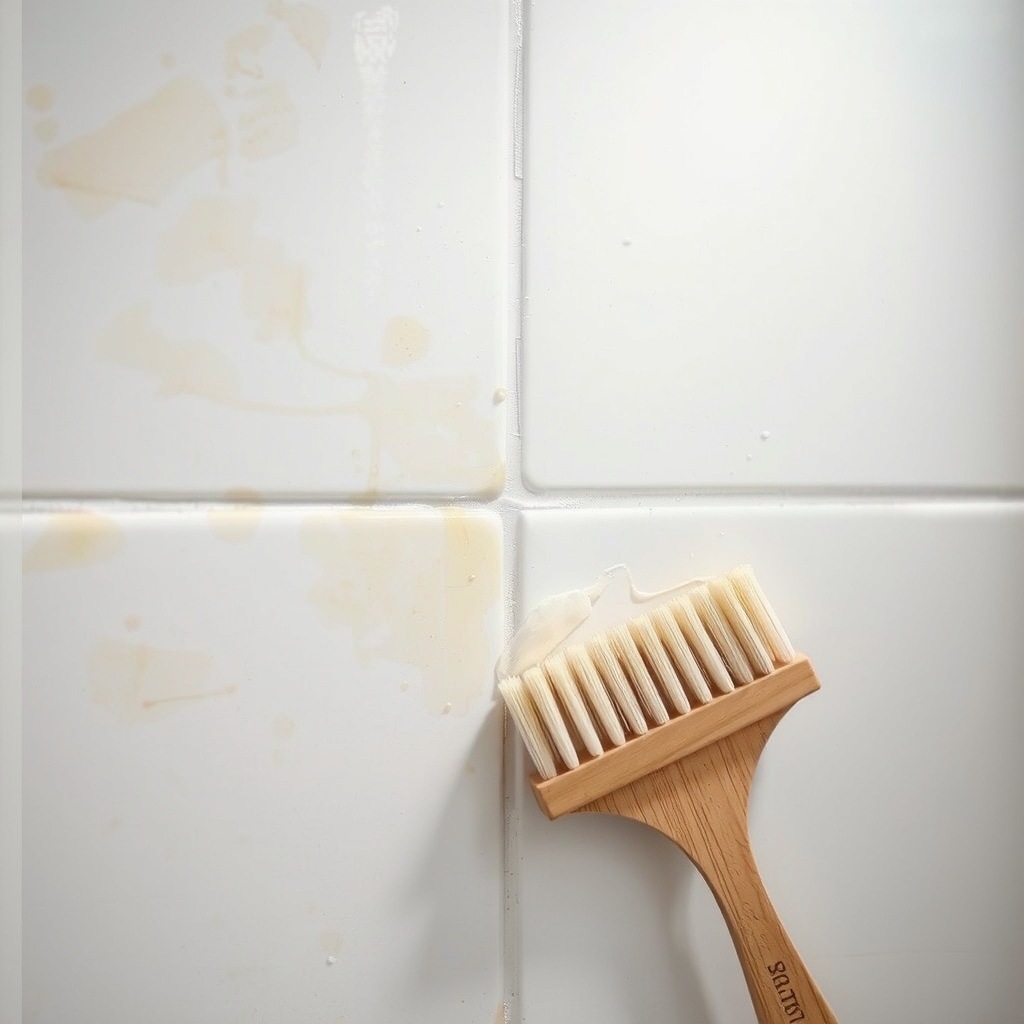 Free fix inside
Cleaning · Tile Grout
Tile Grout Dirty or Yellow? Whiten It and Keep It White
Read the fix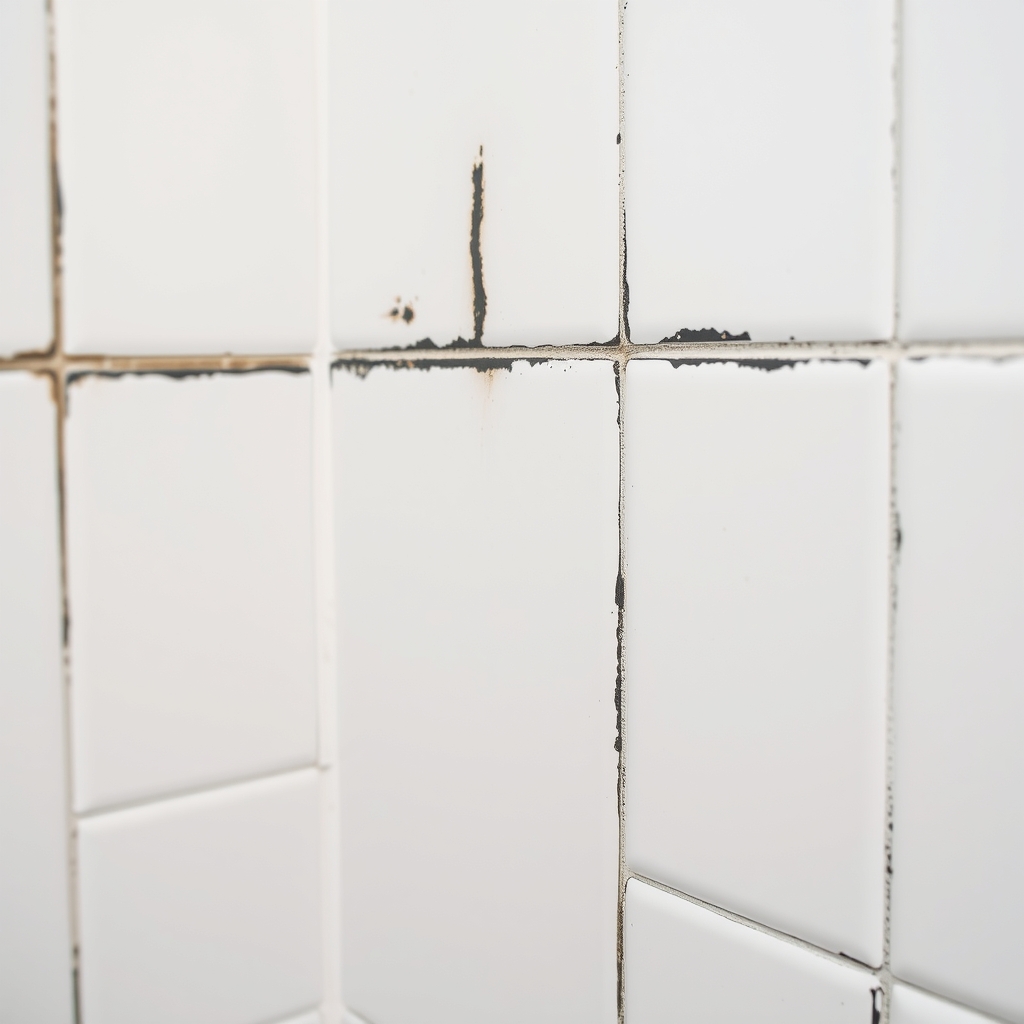 Free fix inside
Cleaning · Tile Grout
Tile Grout Molding? Kill It, Then Seal the Grout So It Stays Gone
Read the fix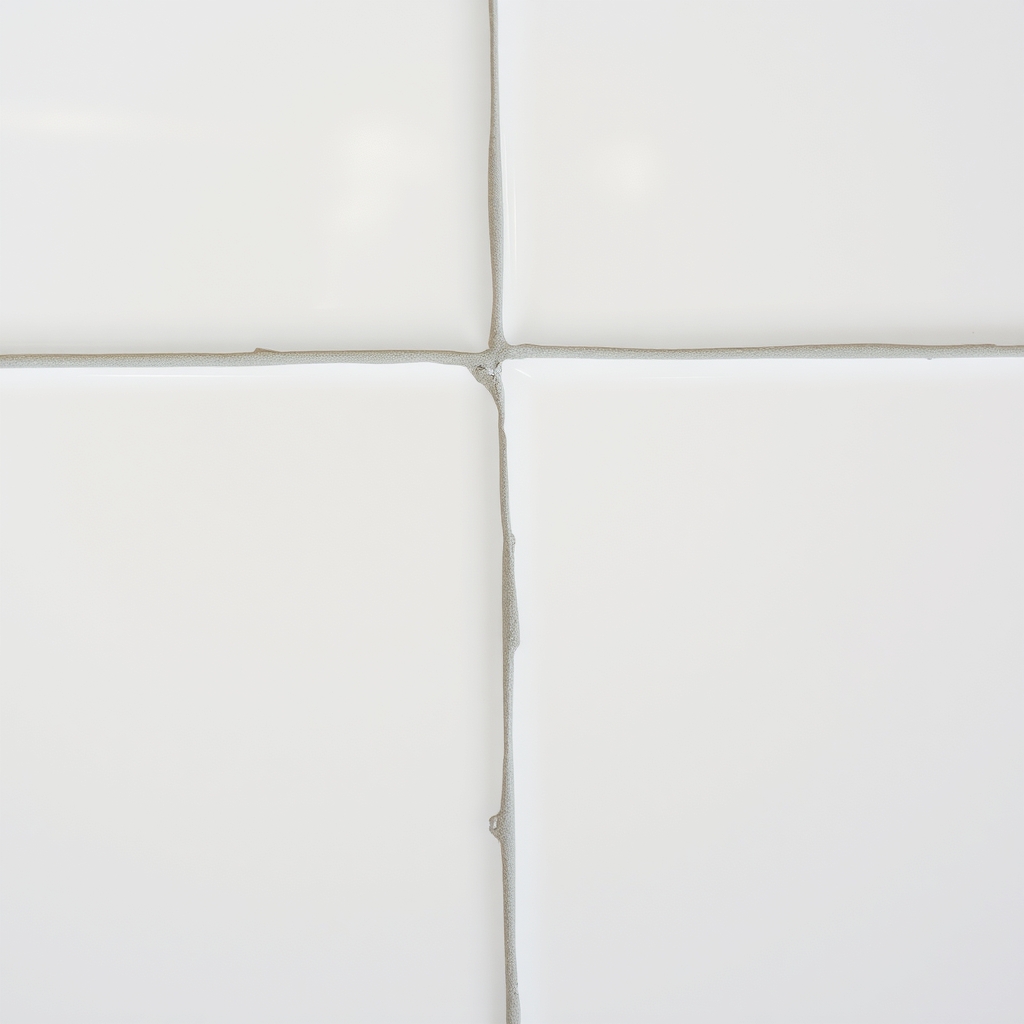 Free fix inside
Cleaning · Tile Grout
Cracked Tile Grout? Redo It Yourself With a Simple Regrout Kit
Read the fixAs an Amazon Associate I earn from qualifying purchases. Affiliate disclosure