Cracked Tile Grout? Redo It Yourself With a Simple Regrout Kit
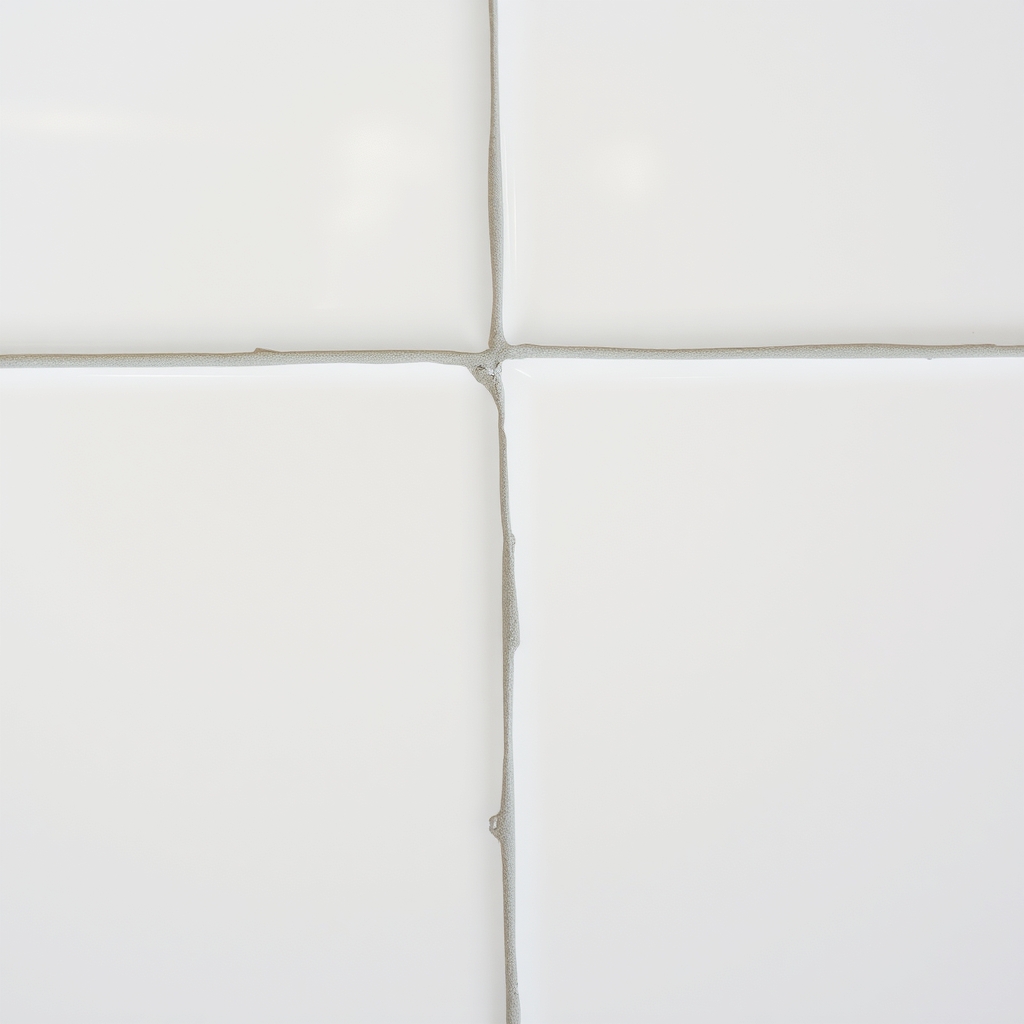
Grout cracks from movement, a bad mix, or a joint that should be caulk. Scrape out the old grout, repack with premixed grout, and caulk the corners.
By Jamilur Rahman Updated November 5, 2026 · 7 min read
- Time
- 2 hours plus cure
- Cost
- $20-$50
- Difficulty
- Medium
In this guide
Quick answer
Grout cracks when the surface under it flexes, the tile shifts, water gets in, or the grout was mixed or cured badly. A hairline crack on a dry floor can wait. Cracked, crumbling or missing grout in a shower should be redone. Scrape out the old grout with a grout saw, vacuum the joints, pack in premixed grout, and use flexible caulk, not grout, in corners and where tile meets the tub.
Free fix vs. permanent fix
Clean, test the tiles and watch
- Scrub the crack clean with a stiff brush and let it dry
- Press and tap each tile for loose or hollow spots
- Check corners for grout that should be caulk
- Keep the area as dry as you can until you repair it
How long it lasts: Fine for a hairline crack on a dry floor. In a shower, a crack lets water behind the tile, and it only gets worse.
Regrout with premixed grout
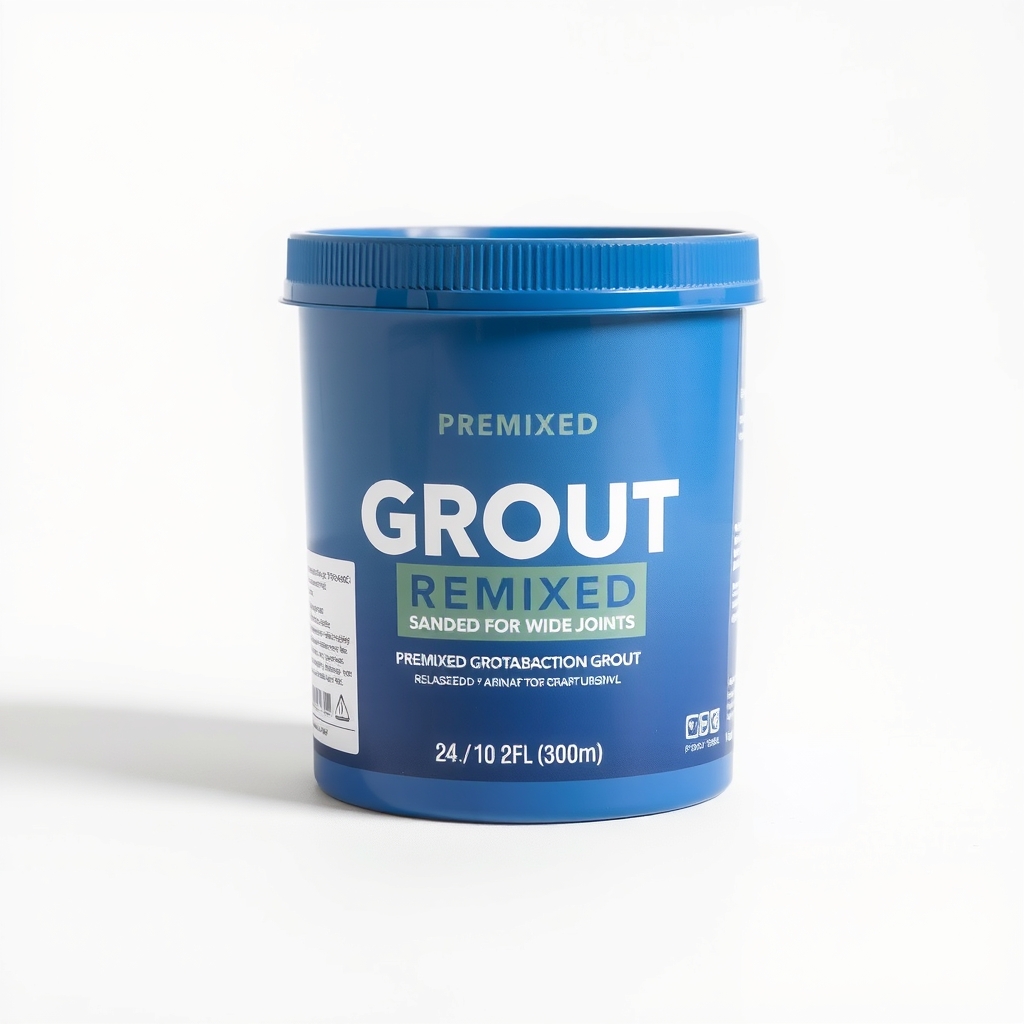
Grout comes back cracked when the failed grout is still in the joint or when it was mixed wrong. Taking out the old grout and packing in fresh premixed grout, which is mixed at the factory, fills the joint evenly. A caulk bead takes over in the corners that move.
What to get: Premixed grout, sanded for wide joints
How long it lasts: Years, if the tile underneath is solid.
As an Amazon Associate I earn from qualifying purchases.
What you'll need
-
Dust mask and safety glasses
Old grout dust is gritty and can irritate lungs and eyes
You have it - Illustration
Grout saw
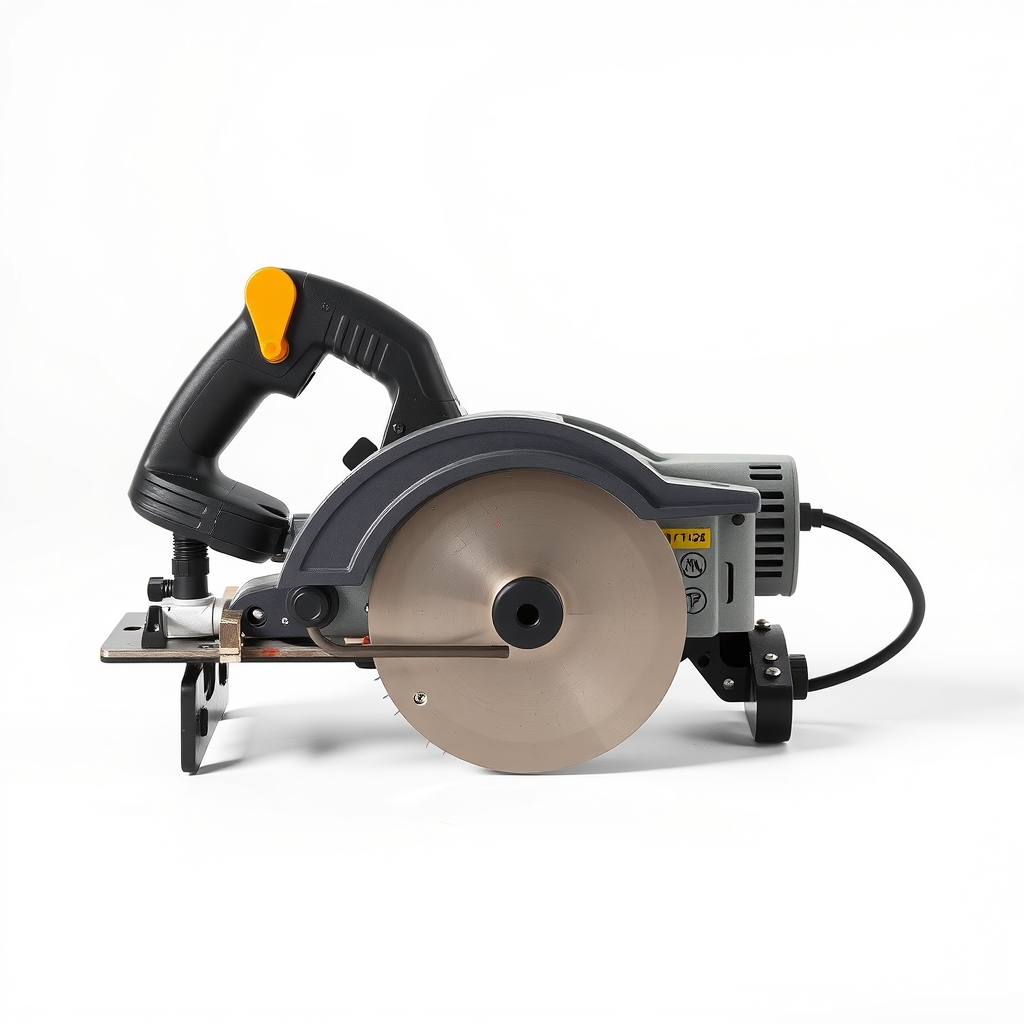
A hand tool with a carbide tip that scrapes out old grout
- Our pick Illustration
Premixed grout
Match the color and the joint width
- Illustration
Rubber grout float
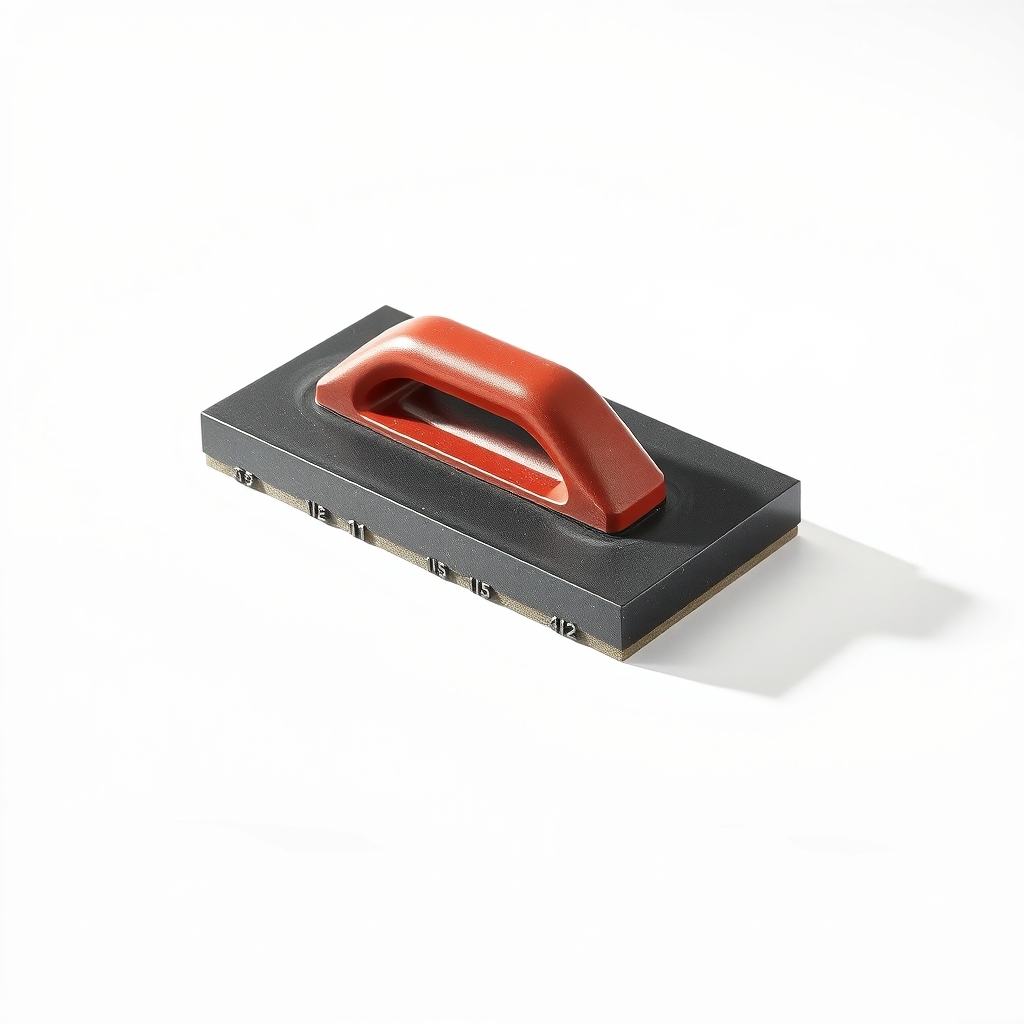
Presses grout into the joints and scrapes off the extra
- Illustration
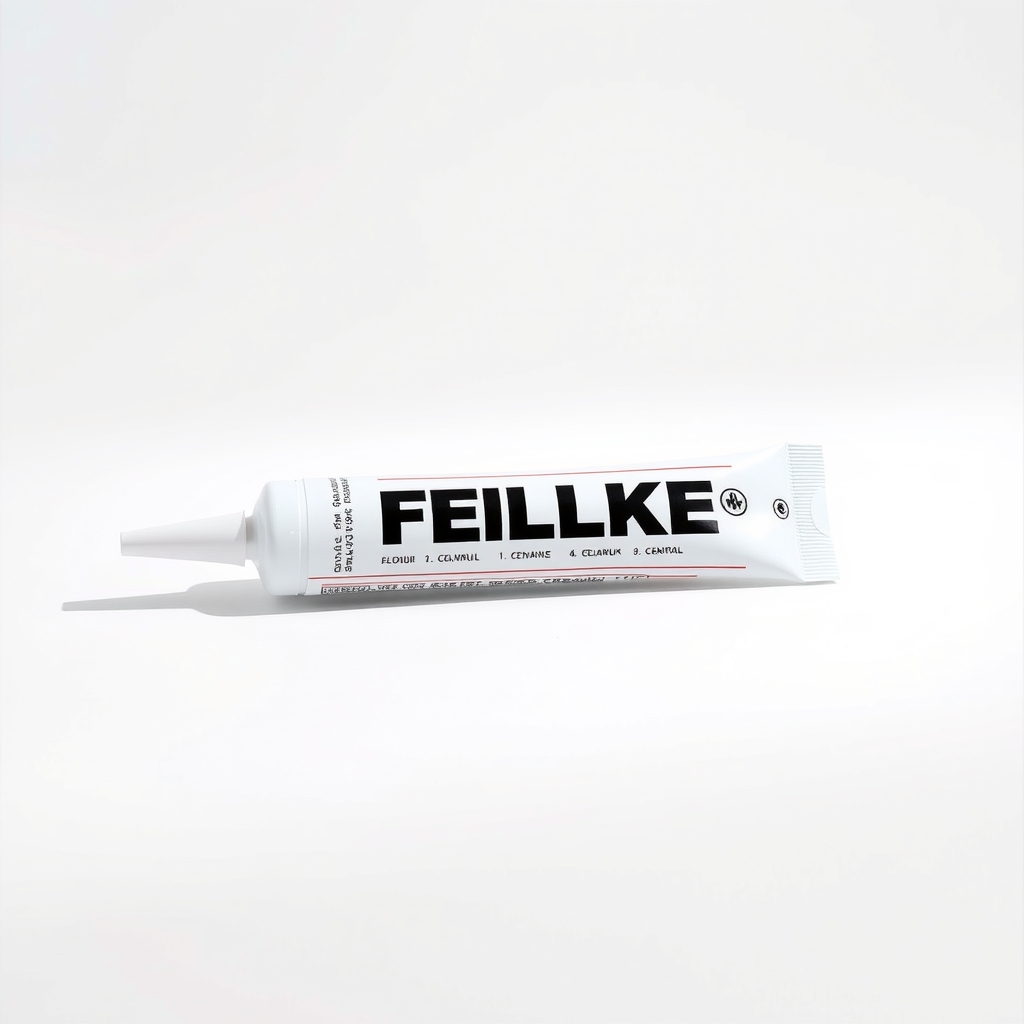
Flexible caulk
For corners and where tile meets a tub or wall
- Illustration
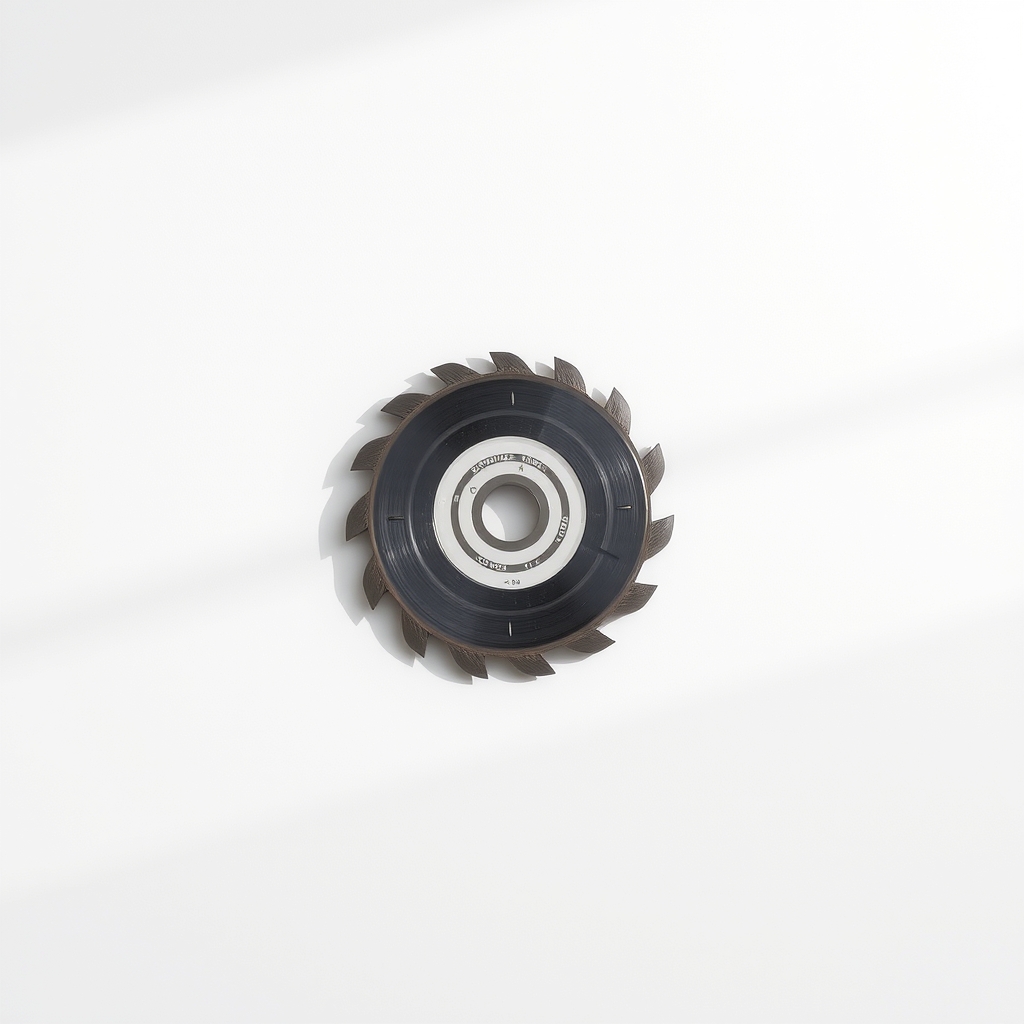
Grout removal blade for an oscillating tool
Only for big floors, and only if you already own the tool
Why it happens
A joint that should have been caulk
Corners, the line where tile meets a tub and changes of direction move more than rigid grout can. The grout cracks along the line of movement.
Movement under the tile
A flexing subfloor, a settling house or a loose tile makes the grout crack over and over. New grout will not hold until the cause is fixed.
Too much water or a rushed cure
Grout mixed too wet, or allowed to dry too fast, shrinks as it cures and cracks.
The wrong grout for the joint
Unsanded grout in a wide joint shrinks and cracks. Joints wider than about an eighth of an inch need sanded grout.
Age and water
After years of water, soap and scrubbing, grout wears thin and crumbles. This is the most common cause in older showers.
Try this first (free)
Do these in order, starting with the simplest.
-
Find out why it cracked
Press and tap the tiles. A loose tile, a hollow sound or a springy floor means the problem is under the tile. A crack in a corner or along the tub means that joint should be caulk. Cracks across solid tile are plain grout failure.
-
Scrape out the old grout
Tool used: Grout sawWear a mask and glasses. Pull a grout saw along each joint with firm strokes and cut out the cracked grout, at least an eighth of an inch deep, or deeper if it is loose. Keep the saw off the tile edges.
IllustrationCheck price on AmazonTool for this step
Grout saw · A hand tool with a carbide tip that scrapes out old grout
-
Vacuum and wipe the joints
Vacuum out the dust, wipe the joints with a damp sponge and let them dry fully. Fresh grout will not bond to dust.
-
Pack in the premixed grout
Tool used: Premixed groutPress the grout into the joints with a rubber float held at about 45 degrees, working diagonally across the joints so they fill. Scrape the extra off the tile face.
IllustrationCheck price on AmazonTool for this step
Premixed grout · Match the color and the joint width
-
Wipe off the haze
After the time on the label, often 15 to 30 minutes, wipe the tile with a damp sponge in light circles, rinsing the sponge often. Press lightly, or you will pull grout from the joints.
-
Caulk the corners and let it cure
Tool used: Flexible caulkFill corners and the tub line with flexible caulk in a matching color. Keep the area dry for the time on the label, often 24 to 72 hours.
IllustrationCheck price on AmazonTool for this step
Flexible caulk · For corners and where tile meets a tub or wall
When free fixes aren't enough
Cleaning and watching only suits a hairline crack on a dry floor. In a shower or tub, any crack, crumbling or missing grout lets water behind the tile, so redo it. If grout cracked again after an earlier repair, the cause is movement or a joint that needed caulk, not bad luck. Fresh premixed grout fixes a bad joint, but it cannot fix a tile that moves. If tiles are loose or hollow, the wall feels spongy, or you find black mold behind the tile, stop and call a tile pro.
Buy the fix
Still stuck after the free fixes? These are the products we would look at.
| Pick | Product | Fixes | Who it's for | Buy |
|---|---|---|---|---|
| Best pick | Premixed grout, sanded for wide joints | cracked, crumbling or missing grout lines | Most do-it-yourselfers redoing a shower wall, bathroom floor or backsplash, with no mixing and no wrong water ratio. | Check price |
| Budget pick | Manual carbide grout saw | removing old grout without a power tool | Small repairs under about ten feet of joints, or anyone nervous about power tools. | Check price |
| Upgrade pick | Oscillating multi-tool grout removal blade | hours of hand scraping on a big floor | People who already own an oscillating tool and have a large floor or a full shower to redo. | Check price |
Premixed grout, sanded for wide joints
Fixes: cracked, crumbling or missing grout lines
Look for: Sanded for joints wider than about an eighth of an inch, unsanded for narrower ones; A color that matches your existing grout; check a sample first; A label that lists shower and floor use and a cure time; Enough coverage for the feet of joint you have.
- Who it's for
- Most do-it-yourselfers redoing a shower wall, bathroom floor or backsplash, with no mixing and no wrong water ratio.
- Honest downside
- The tile is loose or moving, or the joints are wider than the label allows.
Manual carbide grout saw
Fixes: removing old grout without a power tool
Look for: A carbide tip, not plain steel; A grip that is comfortable to push for an hour; A blade width that fits your joints.
- Who it's for
- Small repairs under about ten feet of joints, or anyone nervous about power tools.
- Honest downside
- You have a whole floor to redo. A hand saw gets tiring fast.
Oscillating multi-tool grout removal blade
Fixes: hours of hand scraping on a big floor
Look for: A fit for your multi-tool, checked against its listed mounting style; A carbide or diamond-grit edge; A blade width that matches the joint.
- Who it's for
- People who already own an oscillating tool and have a large floor or a full shower to redo.
- Honest downside
- You have not used a power tool near tile before. A slip can chip tile edges.
As an Amazon Associate I earn from qualifying purchases. We don't show prices because they change, so use the button to see today's price.
How we picked: How we picked: this page is based on grout and tile-setting guidance from grout makers, home-repair guides, and what owners report in reviews of premixed grout and removal tools. We do not test products by hand.
Grout or caulk? Where each one belongs
- Flat joints between tiles: grout.
- Inside corners, where walls meet: flexible caulk.
- Where tile meets the tub, a counter or a different surface: flexible caulk.
- Where the floor meets the wall: flexible caulk or a flexible sealant.
Signs the problem is bigger than grout
A loose tile, a hollow sound, a soft or spongy wall, a musty smell that does not go away or black growth behind the tile all point to water that has been getting in for a while. Regrouting will not fix that. Call a tile contractor.
What to skip
Grout paint, repair markers and new grout smeared over old
New grout smeared on top of cracked grout bonds poorly and cracks again. Paint and markers only change the color and do not stop water. Take the failed grout out first.
Frequently asked questions
Why does my tile grout keep cracking?
Can I put new grout over cracked grout?
How do I fix cracked tile grout in a shower?
Should I use grout or caulk in corners?
How long should grout cure before it gets wet?
Related problems
 Free fix inside
Cleaning · Tile Grout
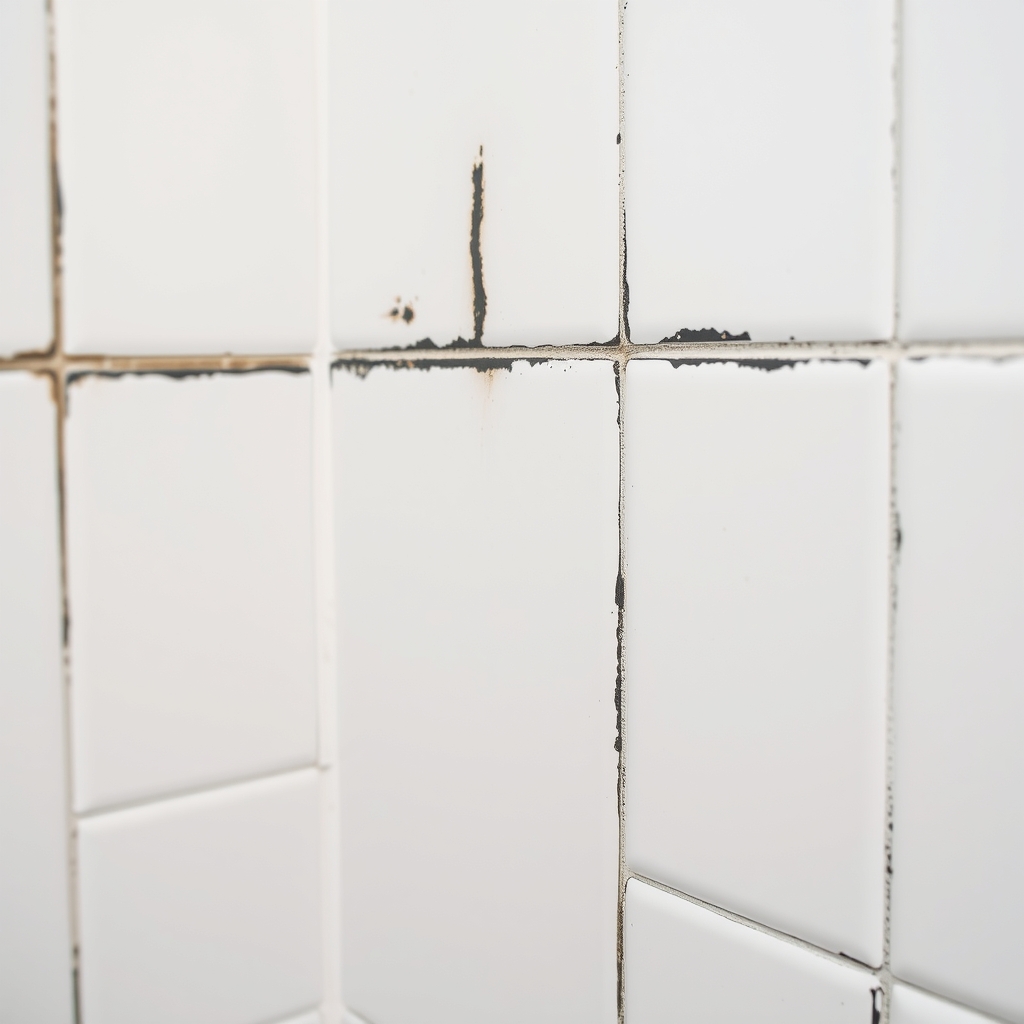
Tile Grout Molding? Kill It, Then Seal the Grout So It Stays Gone
Read the fix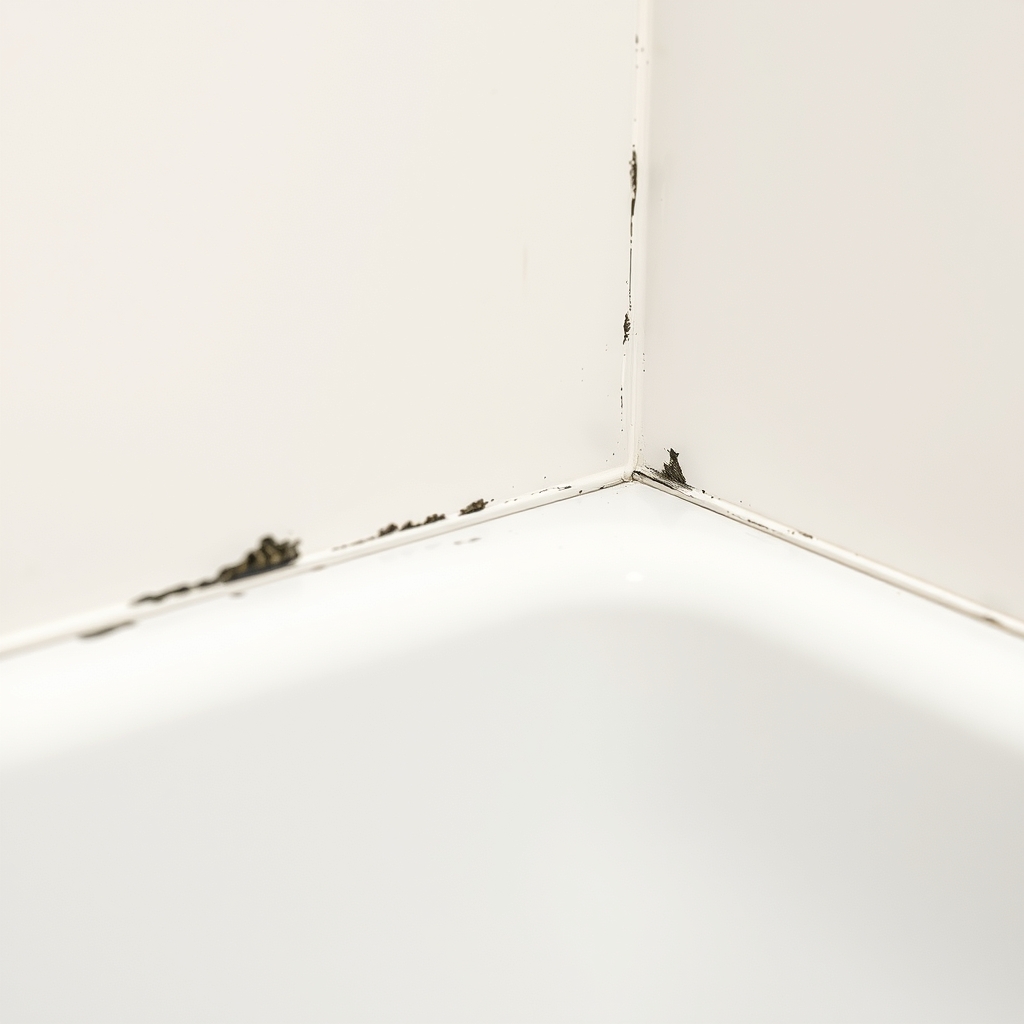 Free fix inside
Bathroom · Bathroom Mold
Black Mold in Shower Caulk? Re-Caulk Instead of Scrubbing Forever
Read the fix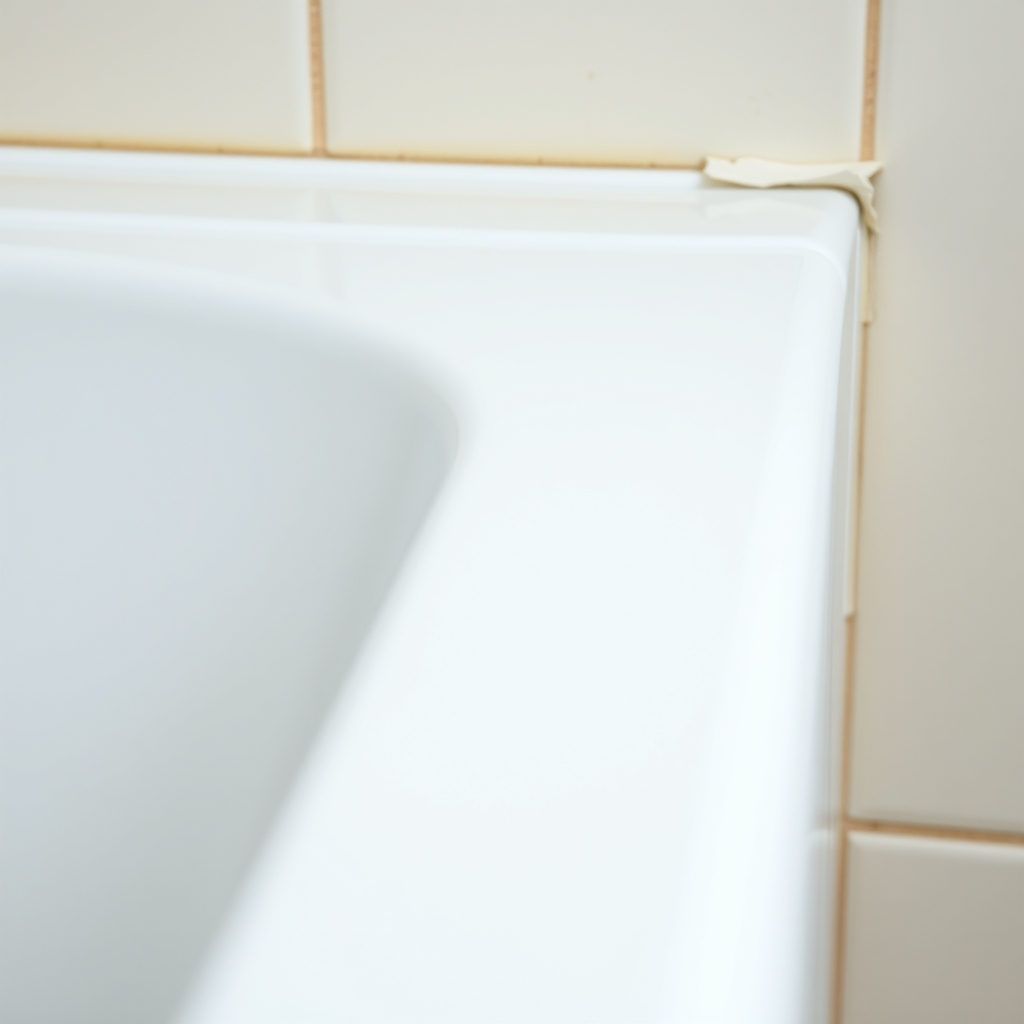 Free fix inside
Bathroom · Bathtub Surface
Bathtub Not Attached to the Wall? Seal the Gap With the Right Caulk
Read the fixAs an Amazon Associate I earn from qualifying purchases. Affiliate disclosure