House Dusty All the Time? 7 Reasons and What Cuts It Most
Dust is mostly fibers, skin, dander and soil. Seven things feed it, and a better furnace filter plus a few habits take out the most.
By Jamilur Rahman Updated November 5, 2026 · 8 min read
- Time
- 45 min
- Cost
- $20-$50
- Difficulty
- Easy

In this guide
- Quick answer
- Free vs. permanent fix
- What you'll need
- Why it happens
- Try this first (free)
- When free fixes aren't enough
- Buy the fix
- Room keeps getting dusty? Why does my room get so dusty so fast, and how to stop a room from getting dusty
- How to stop a house from getting dusty: the order that works
- What to skip
- FAQ
- Related problems
Quick answer
Why is my house dusty? Most house dust is fine fibers, skin flakes, pet dander and outdoor soil that a basic furnace filter and dry-cloth cleaning do not catch. Damp-dust and vacuum first. Then swap in a MERV 13 furnace filter, so the air that runs through your system every day leaves the fine dust behind.
Free fix vs. permanent fix
Damp-dust, vacuum and wash bedding
- Wipe surfaces from top to bottom with a damp microfiber cloth
- Vacuum with a sealed or HEPA filter machine
- Wash bedding weekly in hot water
- Take shoes off at the door
How long it lasts: Days to a week. You clear what has settled, but the air keeps delivering more.
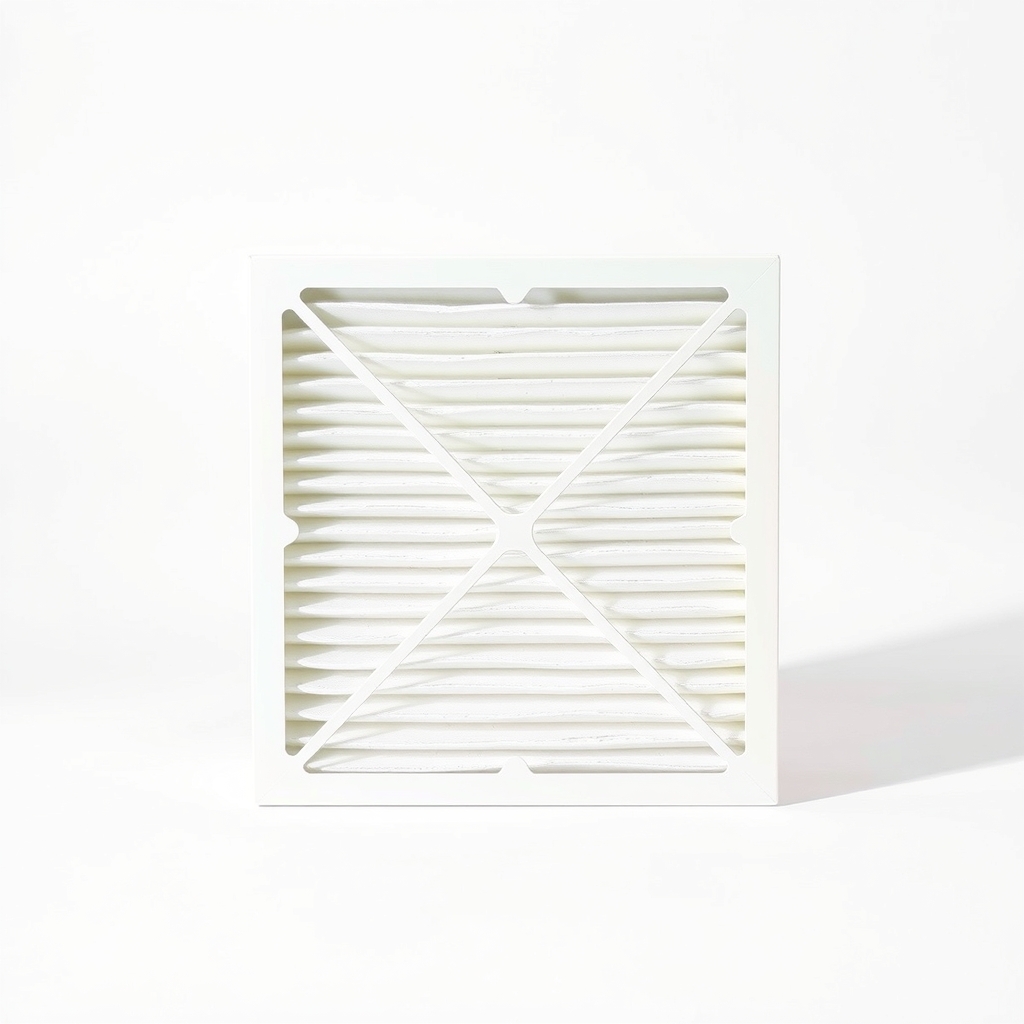
A MERV 13 furnace filter
In a forced-air home, the air passes through the filter again and again every day. A basic filter lets fine dust through. A MERV 13 pleated filter traps far more of the small particles, so there is less left to land on your shelves.
What to get: MERV 13 pleated furnace filter
How long it lasts: All season, if you swap it every one to three months. It catches fine dust before it settles.
As an Amazon Associate I earn from qualifying purchases.
What you'll need
-
Damp microfiber cloths
They hold dust instead of flicking it around
You have it -
Vacuum with a sealed or HEPA filter
A leaky vacuum blows fine dust back out
You have it -
Tape measure
If the size printed on your old filter has faded
You have it - Our pick Illustration
MERV 13 pleated furnace filter
In your exact size, if your system allows it
- Illustration
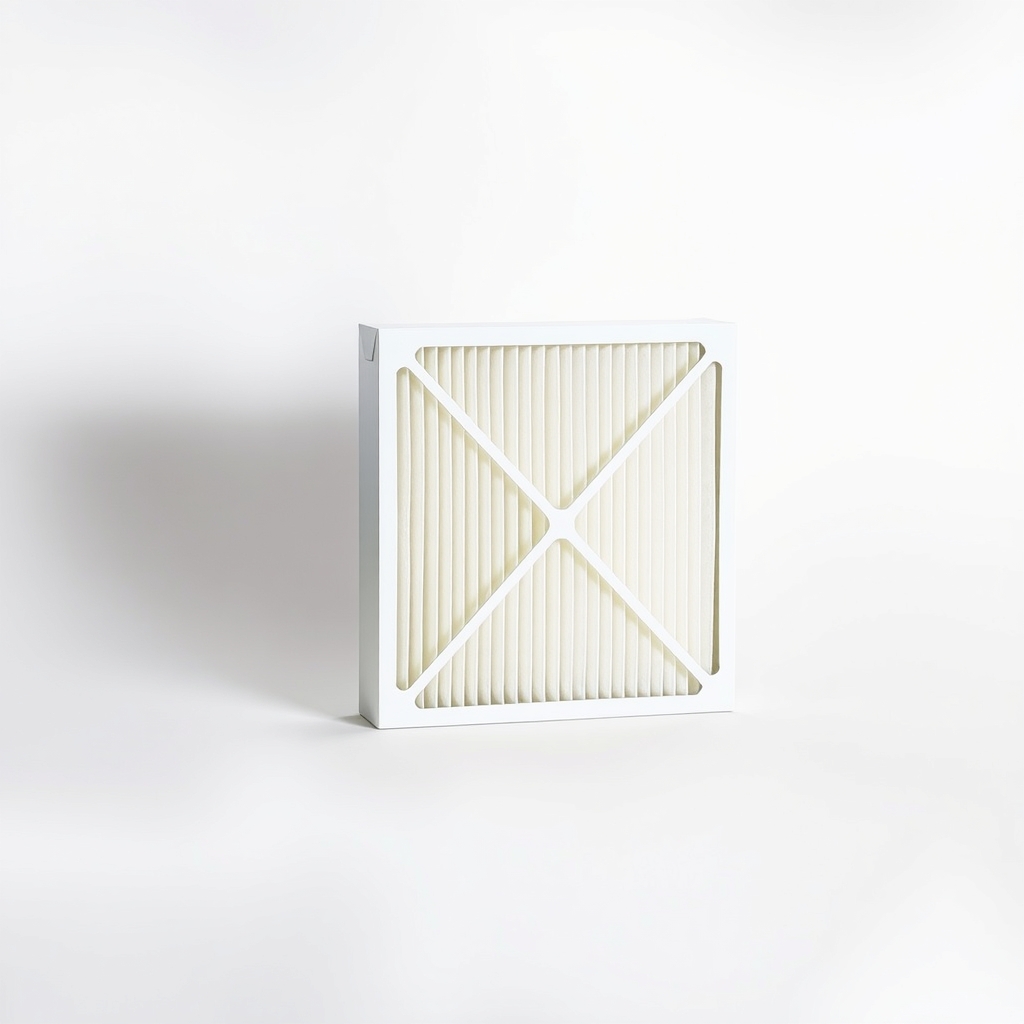
MERV 11 pleated furnace filter
For systems that cannot take a denser filter
- Illustration
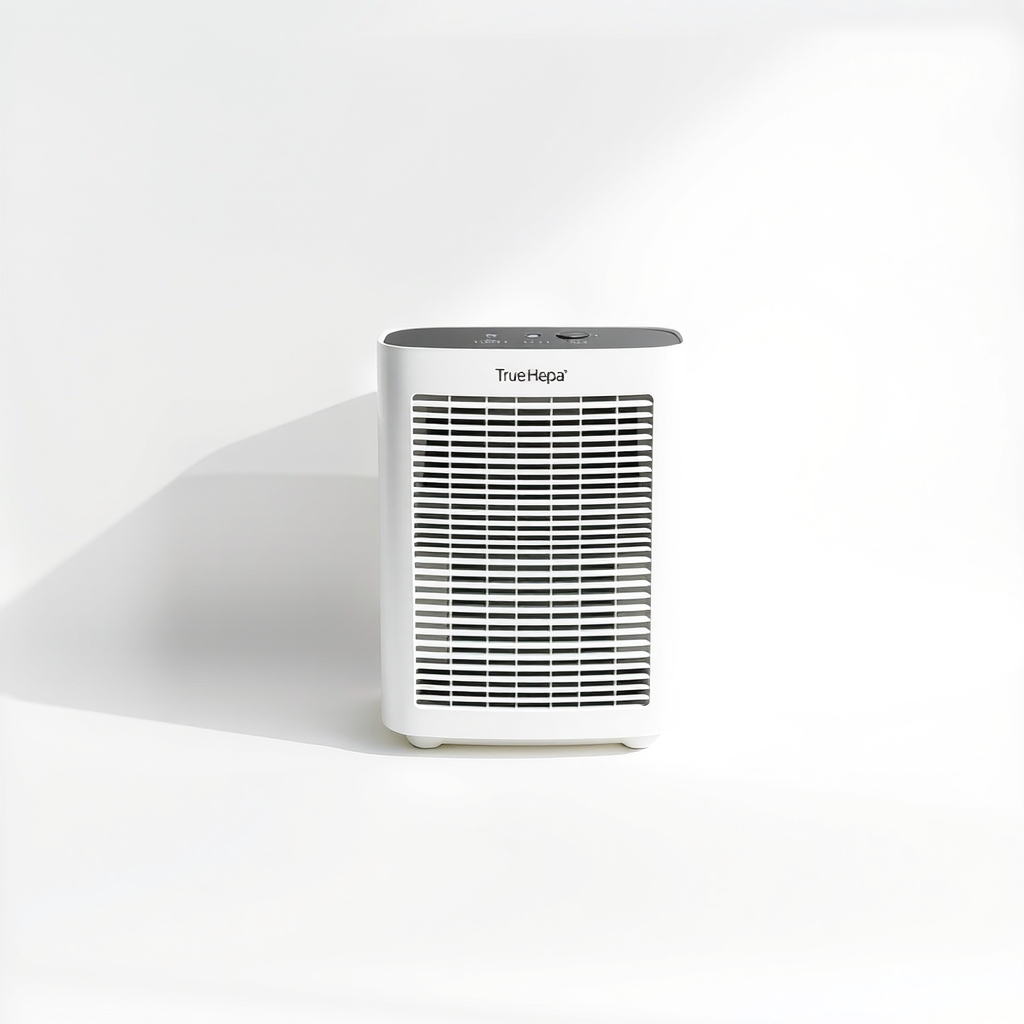
True HEPA air purifier
For a bedroom or a home with no ducted system
Why it happens
A cheap or clogged furnace filter
A basic fiberglass filter stops large lint but lets fine dust pass. A filter that is overdue for a swap also blocks airflow, and dust finds other ways through.
Leaky ducts
Gaps and loose joints pull dusty air from the attic, crawlspace or wall cavities into the system and spread it through the rooms.
Dust blown in from outside
Open windows, door gaps and shoes bring in soil and pollen. Homes near roads, fields or building sites get more.
Fabrics and bedding
Sheets, couches, curtains and rugs shed fibers all day. In most rooms, the bed and the rugs are the biggest sources.
People and pets
Skin flakes, hair and pet dander make up a large share of what you see on surfaces.
Dry air
Dust stays airborne longer in dry air, and static makes it cling to screens. Winter is worse because the windows stay shut.
Cleaning that moves dust instead of removing it
Dry cloths, feather dusters and a vacuum with a leaky filter throw dust back into the air, where it settles again within hours.
Try this first (free)
Do these in order, starting with the simplest.
-
Dust from the top down with a damp cloth
Tool used: Damp microfiber clothsStart with ceiling fans, shelves and door tops, and finish at floor level. Wring the cloth nearly dry so it picks dust up without streaking. Rinse it often.
-
Vacuum slowly with a sealed or HEPA machine
Tool used: Vacuum with a sealed or HEPA filterMake two slow passes over rugs, sofas and mattress seams. A vacuum with a good filter keeps fine dust in the bin instead of blowing it out the exhaust.
-
Wash bedding weekly and shake out rugs outside
Wash sheets in hot water, about 130°F if the label allows. Shake doormats and small rugs outdoors, not inside the house.
-
Check your filter size
Tool used: Tape measurePull the old filter and read the size printed on its frame. If the print has worn off, measure it and match the nominal size on the new package.
-
Fit a MERV 13 filter and set a swap date
Tool used: MERV 13 pleated furnace filterCheck your furnace or air handler manual for the highest MERV rating it accepts, since some systems struggle with dense filters. Point the airflow arrow toward the blower, and write the date on the frame. Swap it every one to three months, and monthly with pets.
IllustrationCheck price on AmazonTool for this step
MERV 13 pleated furnace filter · In your exact size, if your system allows it
-
Wipe vent covers and close the easy gaps
Wipe the return grilles and supply registers, and add weatherstripping to leaky doors and windows.
When free fixes aren't enough
If you damp-dust on Saturday and the shelves look gray again by Wednesday, the dust is arriving through the air, not just settling from last week. The filter is the cheapest place to stop it, because all the air in a forced-air home passes through it. A MERV 13 catches far more of the fine stuff than the basic kind. It will not fix leaky ducts, a dusty attic or a home next to building work. If dust is black, pours out of vents, or rooms heat and cool slowly after the swap, have an HVAC tech check the system, or drop back to MERV 11.
Buy the fix
Still stuck after the free fixes? These are the products we would look at.
| Pick | Product | Fixes | Who it's for | Buy |
|---|---|---|---|---|
| Best pick | MERV 13 pleated furnace filter | fine dust that gets past a basic filter and settles on every surface | Anyone with forced-air heating or cooling who sees dust return within days. | Check price |
| Budget pick | MERV 11 pleated furnace filter | dust a basic filter misses, on systems that cannot handle the densest filters | Older furnaces, weak blowers, or a manual that stops at MERV 11. | Check price |
| Upgrade pick | True HEPA air purifier for the bedroom | airborne dust in one room, such as the bedroom | Anyone who wakes up stuffy, or who has no forced-air system to put a filter in. | Check price |
MERV 13 pleated furnace filter
Fixes: fine dust that gets past a basic filter and settles on every surface
Look for: Your exact size, printed on the old filter's frame; MERV 13 rating on the package; Pleated media in a sturdy frame that seals in the slot; A furnace manual that says it can take MERV 13.
- Who it's for
- Anyone with forced-air heating or cooling who sees dust return within days.
- Honest downside
- Your manual caps the system at a lower MERV, or you have window AC or radiators with no filter. Use a MERV 11 or an air purifier instead.
MERV 11 pleated furnace filter
Fixes: dust a basic filter misses, on systems that cannot handle the densest filters
Look for: Your exact size; MERV 11 rating on the package; Pleated media with a sturdy frame.
- Who it's for
- Older furnaces, weak blowers, or a manual that stops at MERV 11.
- Honest downside
- Your system accepts MERV 13. The denser filter catches more of the fine dust.
True HEPA air purifier for the bedroom
Fixes: airborne dust in one room, such as the bedroom
Look for: A true HEPA filter; A clean-air rating that matches your room size; A quiet low setting for sleep; Replacement filters you can find and afford.
- Who it's for
- Anyone who wakes up stuffy, or who has no forced-air system to put a filter in.
- Honest downside
- Your dust is mostly on shelves and furniture. A purifier does not clean surfaces, so damp-dust first.
As an Amazon Associate I earn from qualifying purchases. We don't show prices because they change, so use the button to see today's price.
How we picked: How we picked: this page is based on indoor air quality guides, furnace filter ratings and manufacturer notes, and the problems and fixes people report in owner reviews. We do not test products by hand.
Room keeps getting dusty? Why does my room get so dusty so fast, and how to stop a room from getting dusty
If one room is far worse than the rest, look at its own sources. The bed sheds fibers, the carpet holds old dust that rises when you walk, and a closed door cuts airflow. Wash the bedding weekly, vacuum slowly and keep the return grille clear. A small HEPA purifier is the next step.
How to stop a house from getting dusty: the order that works
- Swap the furnace filter and set a reminder.
- Damp-dust top to bottom, then vacuum.
- Wash bedding and shake out rugs outside.
- Add door mats and take shoes off.
- Move up to a MERV 13 filter if dust still returns.
What to skip
Feather dusters, dry rags and dust-repelling sprays
A feather duster mostly moves dust into the air, and it lands again within the hour. Sprays can leave a film, and the cloth does the real work anyway. A damp cloth works better.
Frequently asked questions
Why is my house so dusty all the time, dusty every day, even right after I clean?
Why does my house get dusty so fast, and why is it dustier than normal or dustier than others?
How to stop house dust, avoid house dust and keep a house dust free?
House too dusty? How to get rid of dust in house, and fix too much dust in the house?
Why is my apartment so dusty, how to stop apartment from being so dusty, and why does my upstairs get so dusty?
Related problems
 Free fix inside
Cleaning · House Dust
Dust in the Air? What Really Clears It and Which Purifier Specs Matter
Read the fix Free fix inside
Cleaning · House Dust
Black Dust in Your House? Common Sources and How to Cut It Down
Read the fix Free fix inside
Cleaning · House Dust
House Dustier in Winter? Dry Air and Closed Windows Are Part of It
Read the fix Free fix inside
Air & Temperature · Air Filter
How to Replace an AC Air Filter: Find the Size and the Direction
Read the fixAs an Amazon Associate I earn from qualifying purchases. Affiliate disclosure