House Dustier in Winter? Dry Air and Closed Windows Are Part of It
Winter dust comes from sealed-up rooms, a hard-working furnace and dry air that keeps it floating. Clean smarter first, then hold humidity in the safe zone.
By Jamilur Rahman Updated November 5, 2026 · 6 min read
- Time
- 30 min
- Cost
- $50-$150
- Difficulty
- Easy
In this guide
Quick answer
Why is my house dustier in winter? The windows stay shut so dust has nowhere to go, the furnace blows it around, and dry indoor air lets fine dust stay airborne longer and cling to surfaces. Change the furnace filter, vacuum the vents and wipe with damp cloths first. If the air stays dry, a humidifier with a built-in hygrometer holds humidity between 30 and 50 percent without overshooting.
Free fix vs. permanent fix
Cut the dust source, then clean smarter
- Swap the furnace filter if it looks gray or is months old
- Vacuum the supply and return vents
- Damp-dust first, then vacuum; dry dusting just moves it around
- Open the windows for ten minutes on a milder day
How long it lasts: A week or two. Dust keeps coming while the heat runs and the windows stay shut.
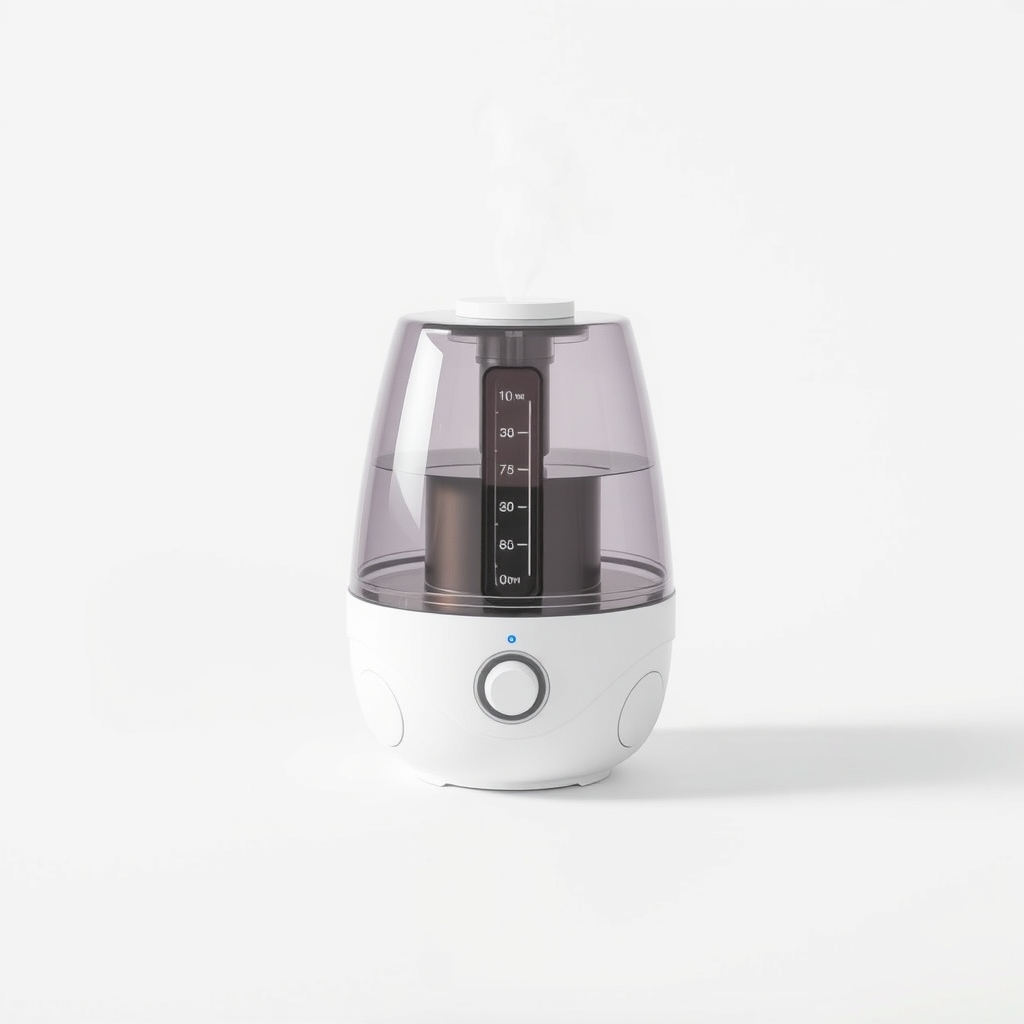
A humidifier with a built-in hygrometer
Cleaning removes dust that has landed, but it does not change the dry air that keeps stirring more up. A humidifier with a built-in hygrometer holds the room at your target, so you get the benefit without drifting into mold and dust-mite territory. It does not remove dust itself, so keep cleaning.
What to get: Humidifier with a built-in hygrometer
How long it lasts: All winter. It holds humidity steady so the air is not bone dry.
As an Amazon Associate I earn from qualifying purchases.
What you'll need
-
Damp microfiber cloths
They trap dust instead of flicking it back into the air
You have it -
Vacuum with brush attachment
For vents, baseboards and the tops of shelves
You have it - Illustration
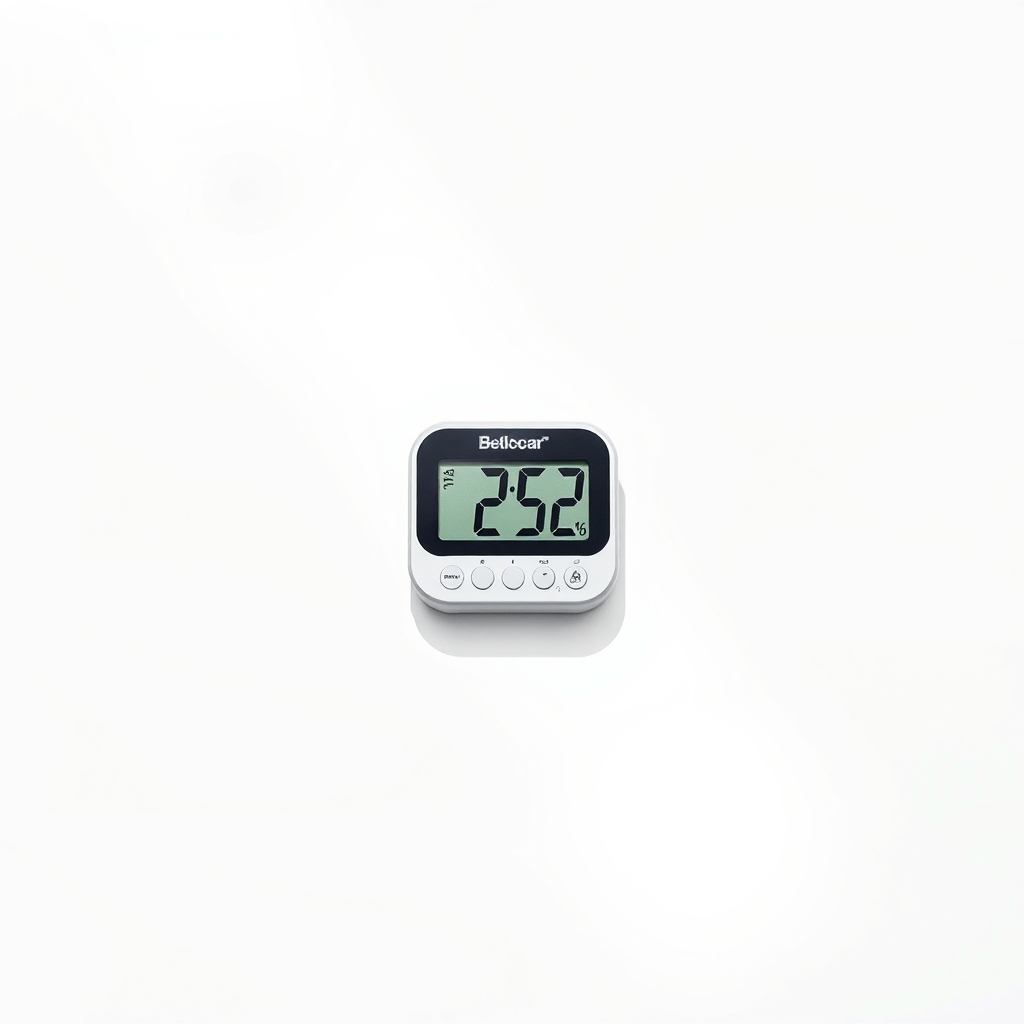
Digital hygrometer
Shows your humidity before you buy anything bigger
- Illustration
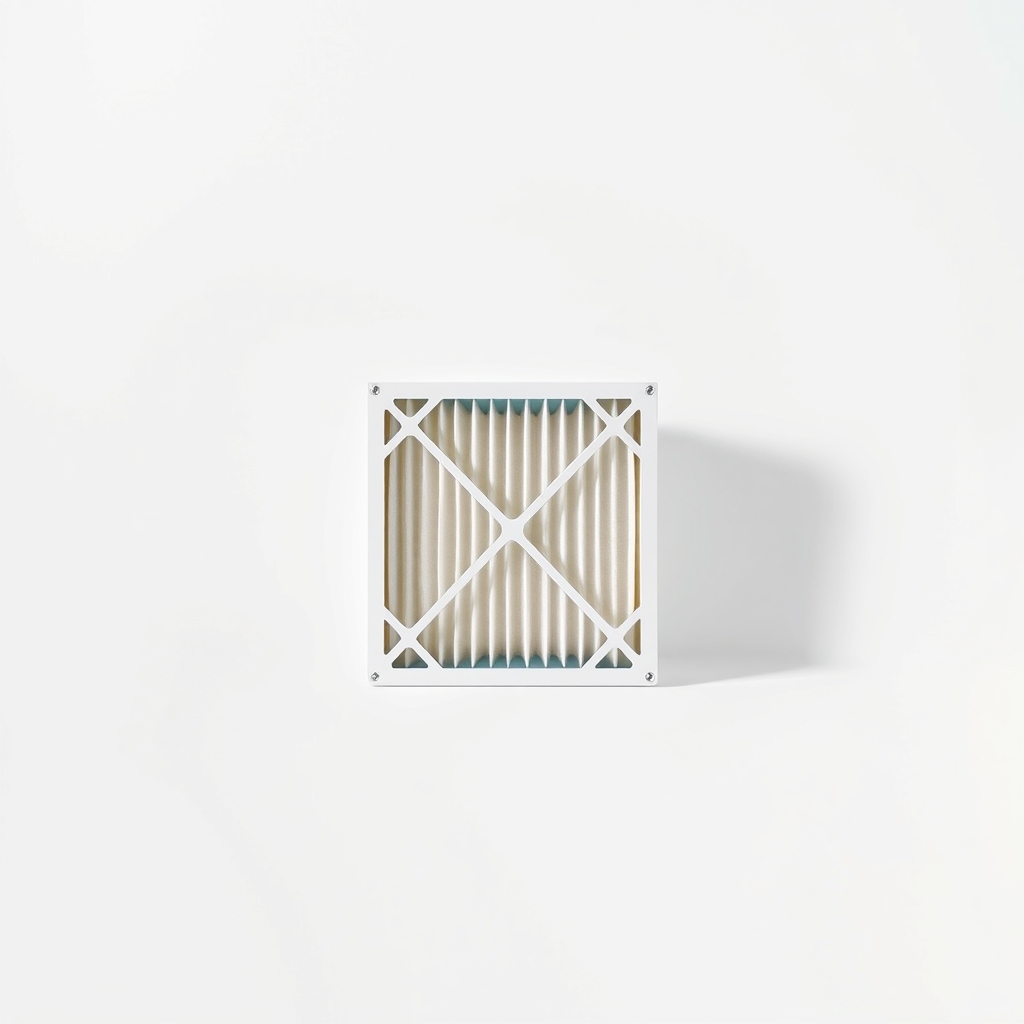
Furnace filter
Copy the size printed on the edge of your old one
- Our pick Illustration
Humidifier with built-in hygrometer
Holds the room in the safe range for you
Why it happens
Windows stay shut
In summer you air the house out without thinking. In winter, little fresh air gets in, so skin flakes, fabric fibers and pet hair stay inside and build up.
The furnace and its ducts
Your heating system pulls house air through a filter and blows it back out. A clogged filter or dusty ducts push dust right back into the rooms, and the first weeks of the heating season often kick up what settled over the summer.
Dry air
Cold air holds little moisture, and heating it dries it further. Dry air lets fine dust stay airborne longer and makes it cling to surfaces with static.
More time indoors
Wool, fleece and blankets all shed fibers. You and your pets spend more hours inside, so more skin and hair end up as dust.
Try this first (free)
Do these in order, starting with the simplest.
-
Measure the humidity
Tool used: Digital hygrometerPut a hygrometer in the room that feels dustiest. Below about 30 percent is very dry. The target is 30 to 50 percent, and nearer 30 to 40 percent in very cold weather, so windows do not sweat.
IllustrationCheck price on AmazonTool for this step
Digital hygrometer · Shows your humidity before you buy anything bigger
-
Change the furnace filter
Tool used: Furnace filterPull the filter and hold it up to the light. If you cannot see through it, replace it. Many 1-inch filters need changing every one to three months in heating season. Check your furnace manual before using a very dense filter, since some systems cannot handle the restricted airflow.
IllustrationCheck price on AmazonTool for this step
Furnace filter · Copy the size printed on the edge of your old one
-
Vacuum the vents and returns
Tool used: Vacuum with brush attachmentSwitch the system off, then vacuum the supply grilles, the return grilles and the baseboards near them. Dust gathers there and blows back into the room whenever the fan starts.
-
Damp-dust, then vacuum
Tool used: Damp microfiber clothsWork from high to low. Wipe shelves and surfaces with a damp microfiber cloth so the dust sticks to it. Vacuum last, so whatever falls lands on the floor and gets picked up.
-
Let some fresh air in
On a milder day, open windows on opposite sides for ten minutes. It lets stale air out without cooling the house for long.
When free fixes aren't enough
If the hygrometer stays under 30 percent after you have cleaned, dry air is part of the cause and cleaning alone will not hold. You may also notice static shocks, dry skin and cracking wood. A humidifier with a built-in hygrometer fixes that: it adds moisture, then stops at your target. It is not a dust remover, so skip it if your humidity already sits between 30 and 50 percent. If windows fog up, the air smells musty or you spot mold, humidity is too high. Stop humidifying, and call a pro if mold covers more than about 10 square feet.
Buy the fix
Still stuck after the free fixes? These are the products we would look at.
| Pick | Product | Fixes | Who it's for | Buy |
|---|---|---|---|---|
| Best pick | Humidifier with a built-in hygrometer | dry air that keeps dust airborne and static high | Homes where the hygrometer stays under 30 percent in winter. | Check price |
| Budget pick | Digital hygrometer | guessing. It shows whether dry air is really part of your dust problem | Anyone who wants to check before spending more. | Check price |
Humidifier with a built-in hygrometer
Fixes: dry air that keeps dust airborne and static high
Look for: An adjustable humidity target, not just high and low; Automatic shut-off at the target and when the tank runs empty; A tank with a wide opening that is easy to clean; A coverage rating that matches your room size.
- Who it's for
- Homes where the hygrometer stays under 30 percent in winter.
- Honest downside
- Your humidity is already 40 to 50 percent, windows are sweating, or you will not clean the tank. A dirty humidifier causes its own problems.
Digital hygrometer
Fixes: guessing. It shows whether dry air is really part of your dust problem
Look for: A percent-humidity readout in whole-number steps; A display that updates every few minutes; Small enough to move from room to room.
- Who it's for
- Anyone who wants to check before spending more.
- Honest downside
- You already own a thermostat or weather station that shows indoor humidity.
As an Amazon Associate I earn from qualifying purchases. We don't show prices because they change, so use the button to see today's price.
How we picked: How we picked: this page is based on indoor-humidity guidance from public health agencies, furnace filter advice from HVAC makers, and what people report in reviews of humidifiers with built-in hygrometers. We do not test products by hand.
Where to start first
Start in the bedroom, because you spend the most hours breathing there, then do the room where the furnace vent blows hardest. Wash bedding weekly in hot water, and wipe shelves from the top down so you only clean each surface once.
What to skip
Feather dusters and a humidifier on full blast
A feather duster flicks dust into the air so it lands again an hour later. Running a humidifier on high with no readings is the other trap. Too much humidity breeds mold and dust mites, which is worse than dust.
Frequently asked questions
Why is my house dust in winter even right after I clean?
Does a humidifier reduce dust?
What should indoor humidity be in winter?
Why does my humidifier leave white dust?
Related problems
 Free fix inside
Cleaning · House Dust
House Dusty All the Time? 7 Reasons and What Cuts It Most
Read the fix Free fix inside
Cleaning · House Dust
Dust in the Air? What Really Clears It and Which Purifier Specs Matter
Read the fix Free fix inside
Cleaning · House Dust
House Smells Dusty When the Heat Comes On? Why and What to Change
Read the fix Free fix inside
Air & Temperature · Humidifier
White Dust From Your Humidifier? The Water Fix That Stops It
Read the fixAs an Amazon Associate I earn from qualifying purchases. Affiliate disclosure