Dust in the Air? What Really Clears It and Which Purifier Specs Matter
Dust you can see settles, but the fine dust that floats does not. Cut the sources first, then match a HEPA purifier's CADR to your room.
By Jamilur Rahman Updated November 5, 2026 · 7 min read
- Time
- 30 min to start
- Cost
- $50-$150
- Difficulty
- Easy
In this guide
Quick answer
Airborne dust comes from fabrics, skin, outdoor air and anything you stir up while cleaning, and the finest of it floats for hours. The free fixes cut how much dust gets made and how much you stir up: dust damp, wash bedding hot, change the HVAC filter and keep humidity in check. To clear what still floats, a true HEPA purifier with a CADR that matches your room does the job.
Free fix vs. permanent fix
Stop stirring it up and cut the sources
- Wipe with a damp microfiber cloth, not a dry duster
- Wash bedding weekly in hot water
- Change the HVAC filter and keep humidity at 30 to 50 percent
- Take shoes off at the door
How long it lasts: Helps right away and keeps helping while you keep it up. It cannot clear the fine dust already floating, or the dust that drifts in from outside all day.
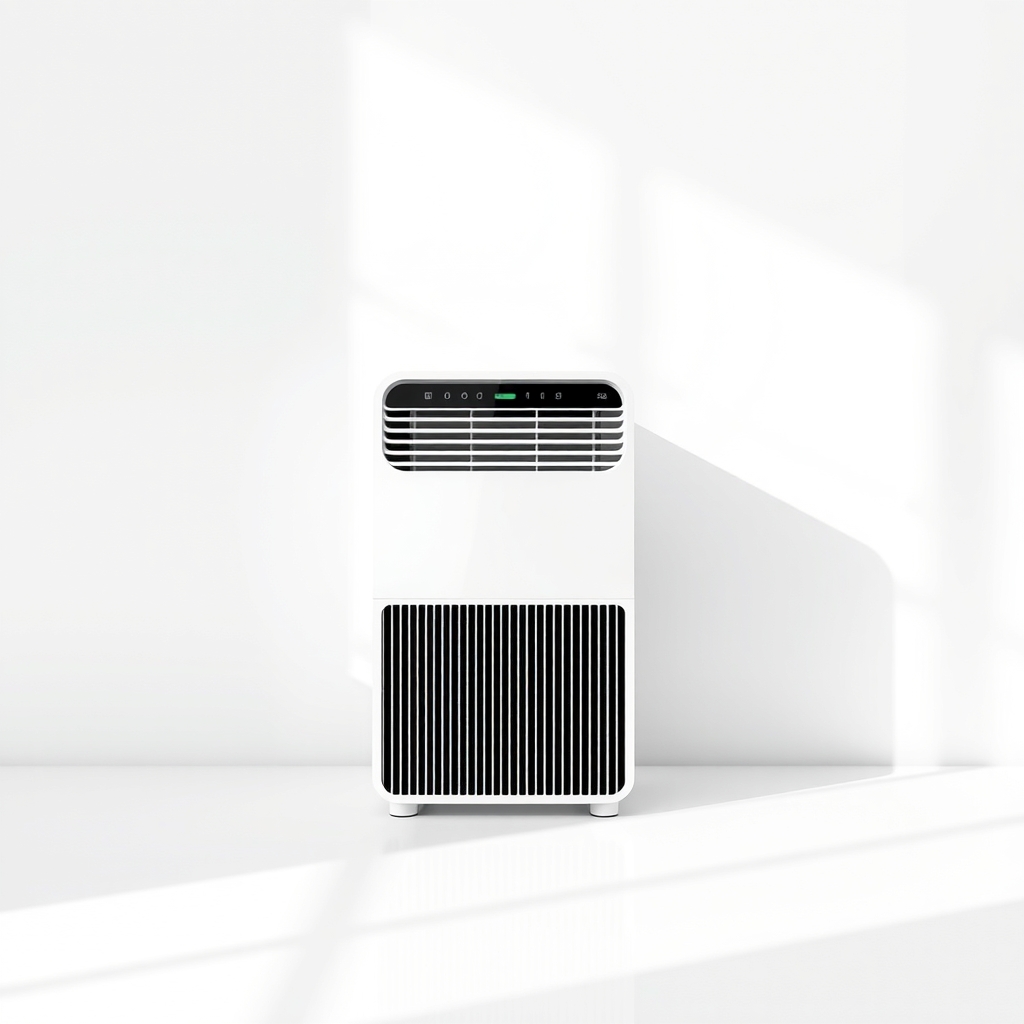
A true HEPA air purifier sized for the room
A purifier pulls room air through a filter all day, so floating dust is trapped instead of landing on your shelves. True HEPA captures 99.97 percent of particles at 0.3 microns. The free steps cut how much dust gets made, and the purifier catches what still floats.
What to get: True HEPA air purifier sized for the room
How long it lasts: Years. It runs every day, and you swap the filter about every 6 to 12 months, so check the manual.
As an Amazon Associate I earn from qualifying purchases.
What you'll need
-
Damp microfiber cloth
Traps dust instead of flinging it
You have it -
Vacuum cleaner
A sealed or HEPA-filter model keeps fine dust from blowing back out
You have it - Illustration
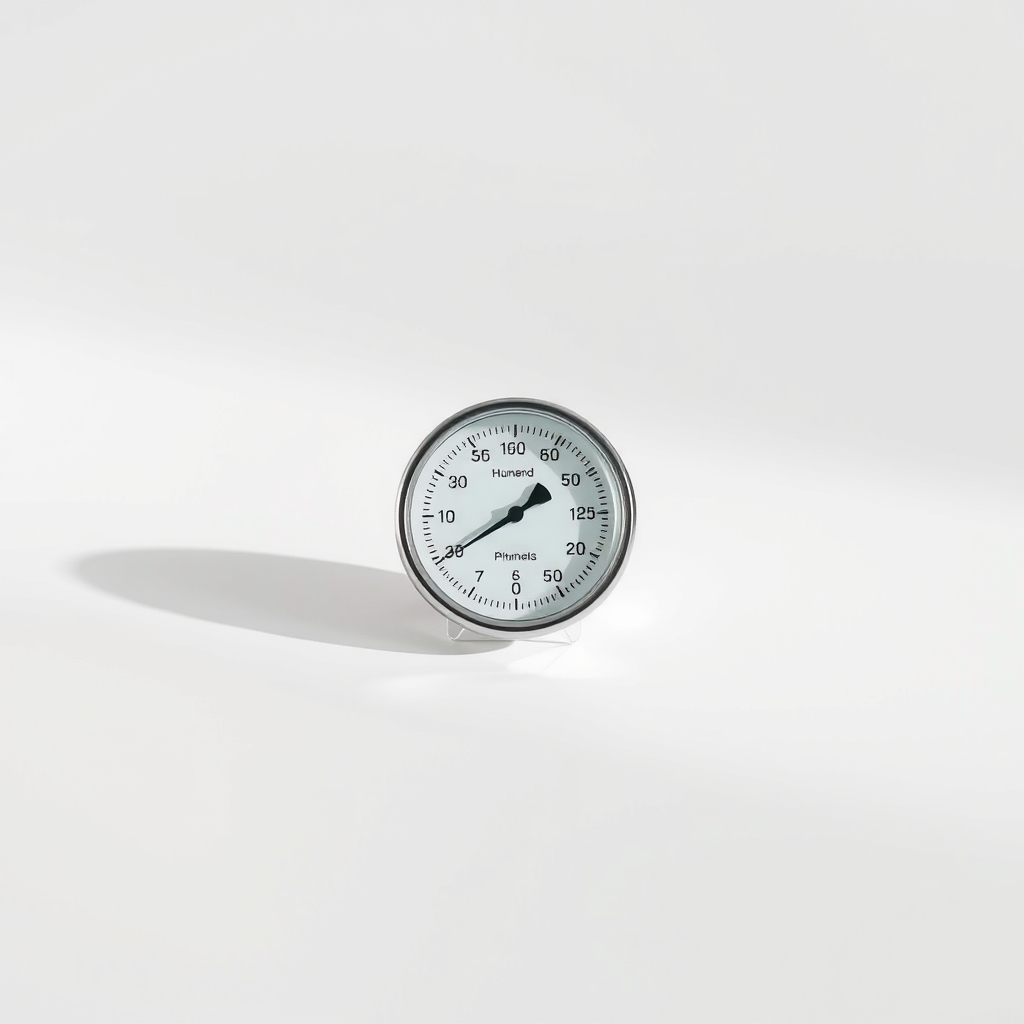
Hygrometer
Shows room humidity, since dust mites like it above 50 percent
- Illustration
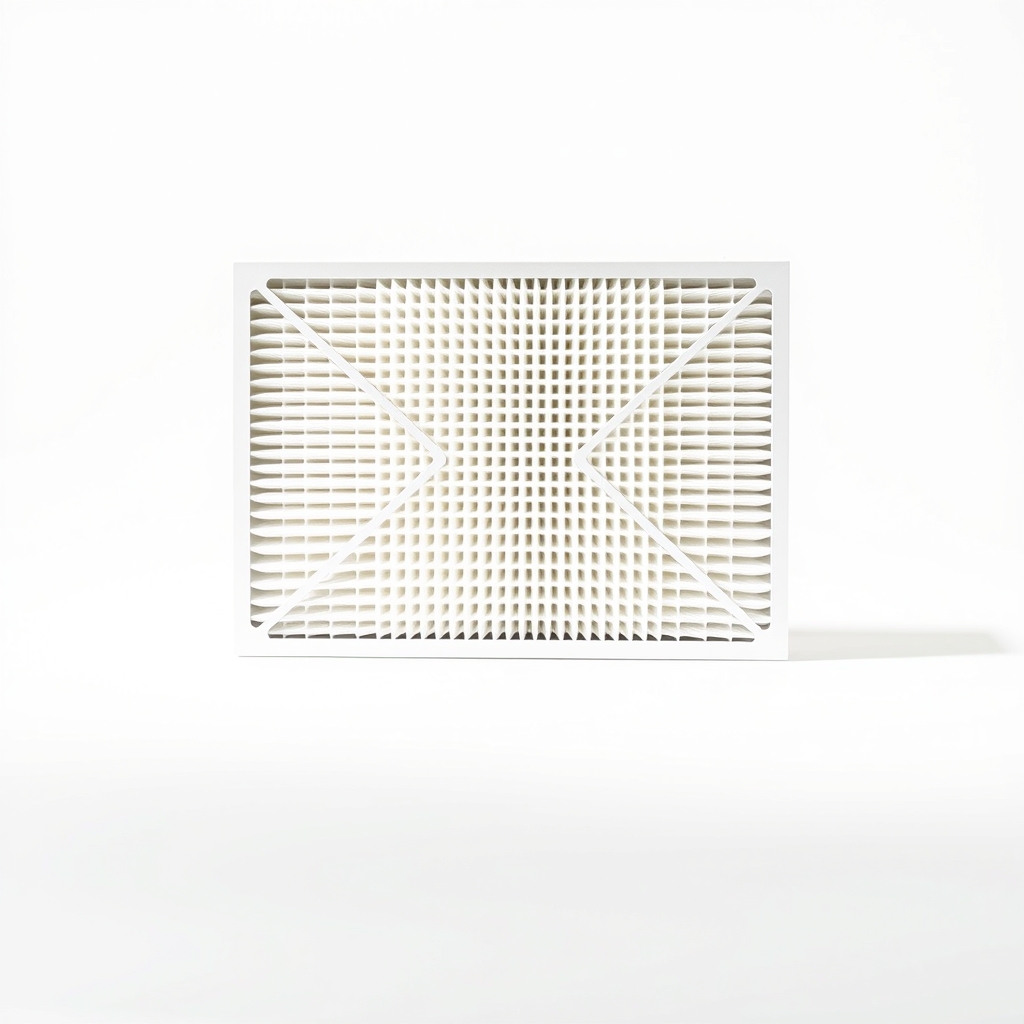
Pleated furnace filter
Check your size and what your system allows
- Our pick Illustration
True HEPA air purifier
For the fine dust that stays in the air
Why it happens
Fabric, skin and pet dander
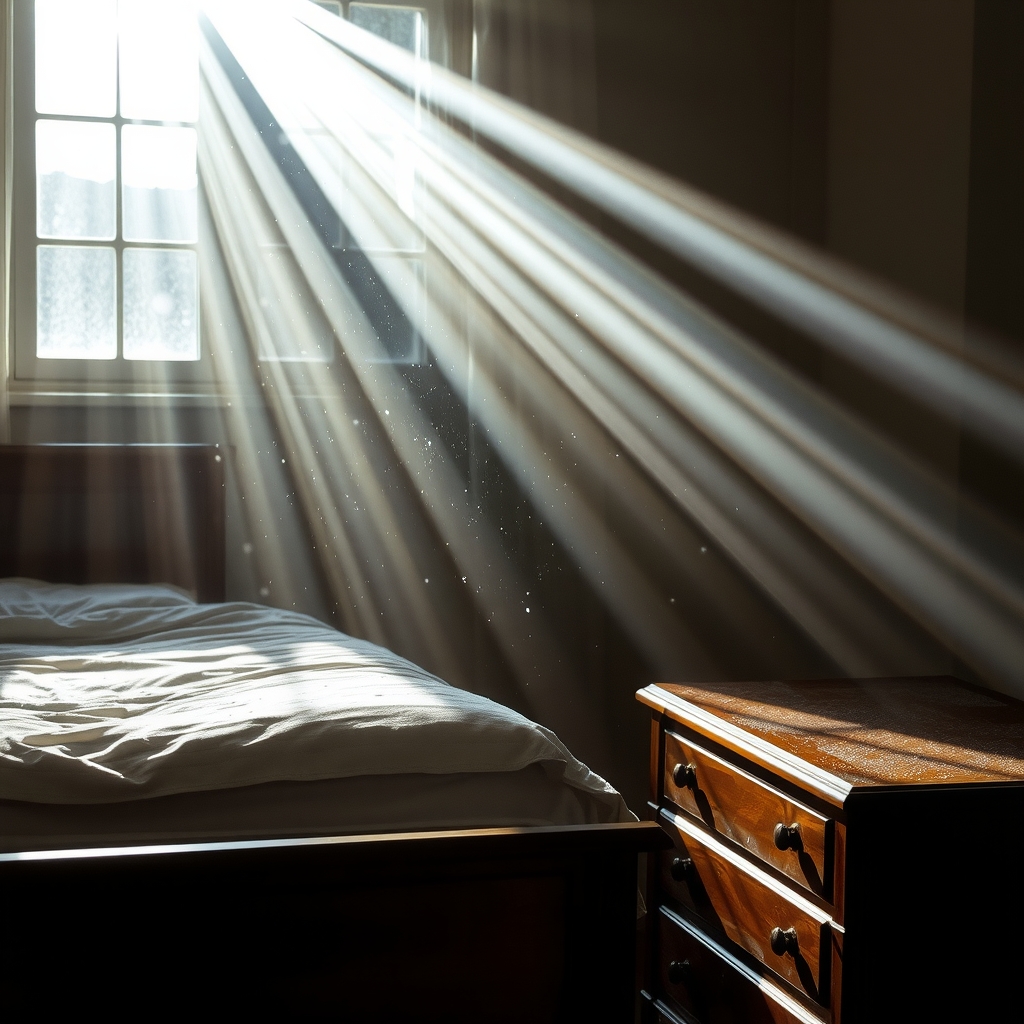
Most house dust is fibers from bedding, clothing and carpet, plus skin flakes and pet hair. Soft furnishings shed all day, and every footstep or fluffed pillow lifts it back into the air.
Dust blowing in from outside
Soil, pollen and road dust come in through open windows, on shoes and through gaps around doors and windows. Dry or windy weather makes it worse.
Cleaning that stirs it up
A dry duster, a feather duster and a vacuum with a leaky filter all lift fine dust that then floats for hours before it settles again.
A dirty HVAC filter or leaky ducts
A clogged filter stops trapping dust, and leaky ducts can pull in dust from an attic or crawl space. The system then spreads it from room to room.
Humidity that is too high
Above about 50 percent, dust mites thrive, and their waste is part of house dust. Below about 30 percent, the air feels dry and dust seems to hang around.
Try this first (free)
Do these in order, starting with the simplest.
-
Dust damp, from top to bottom
Tool used: Damp microfiber clothWipe shelves, tops of frames, blinds and baseboards with a slightly damp cloth, high to low. Damp cloths trap dust and dry dusters fling it. Rinse the cloth often.
-
Vacuum slowly
Tool used: Vacuum cleanerGo slowly over rugs and upholstery, since fast passes miss fine dust. A vacuum with a HEPA filter or a sealed body keeps the fine part from blowing back out. Empty the bin outdoors.
-
Wash bedding weekly in hot water
Sheets and pillowcases hold skin flakes and dust mites. Wash them every week at 130°F if the care label allows, and dry them fully. Wash pillows and blankets every few months.
-
Check humidity and the furnace filter
Tool used: HygrometerAim for 30 to 50 percent humidity. Look at the HVAC filter every month or two and swap it when it looks gray. A MERV 8 to 11 pleated filter suits most systems, but check your manual before going higher.
IllustrationCheck price on AmazonTool for this step
Hygrometer · Shows room humidity, since dust mites like it above 50 percent
-
Keep new dust out
Shoes off at the door, a doormat outside and another inside, and windows shut on windy or high-pollen days.
When free fixes aren't enough
Cleaning keeps the dust on surfaces down, but the finest dust floats for hours, and some always drifts in from outside or from the people and pets in the room. If you still see a film on a surface a day after wiping it, wake up stuffy, or have allergies, a purifier is the missing piece. It does not replace cleaning, and it will not remove dust that has already settled. It catches the part that stays in the air, around the clock, so less lands on your things. Do not buy ozone generators, which irritate lungs and do not clear dust.
Buy the fix
Still stuck after the free fixes? These are the products we would look at.
| Pick | Product | Fixes | Who it's for | Buy |
|---|---|---|---|---|
| Best pick | True HEPA air purifier sized for the room | fine dust that keeps floating and settling after you clean | Anyone with dust or allergy trouble who has done the free steps, in the room where they spend the most time. | Check price |
| Budget pick | 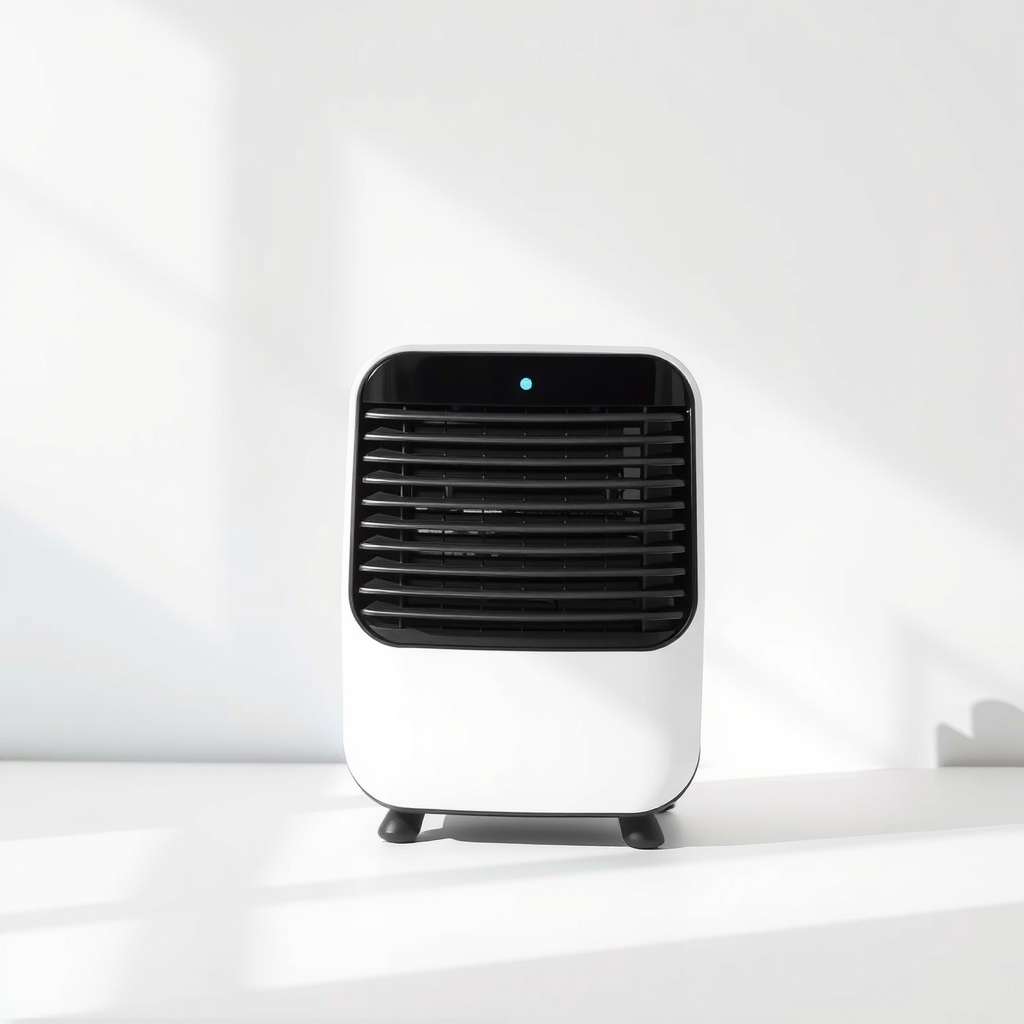 Small true HEPA purifier for a bedroom or desk | floating dust in one small room | A single small bedroom, dorm room or home office. | Check price |
| Upgrade pick | 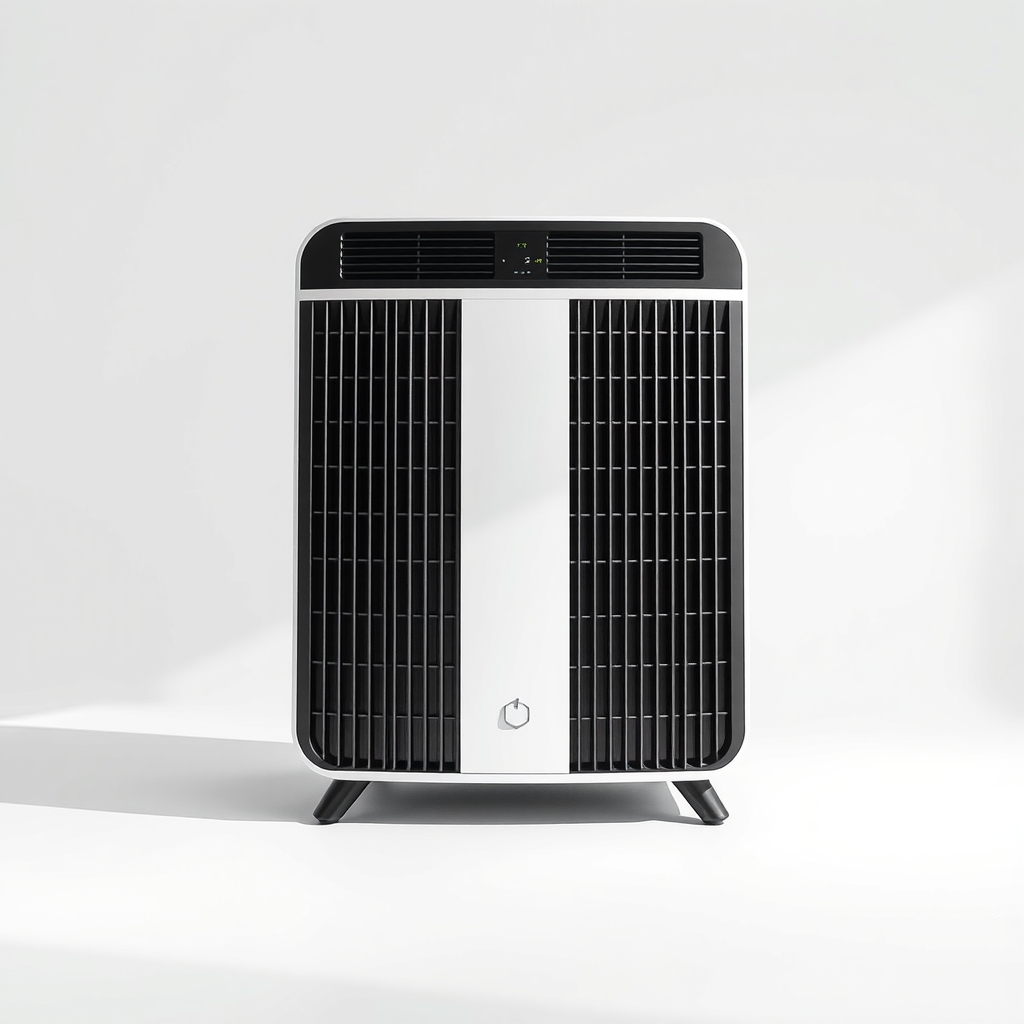 Large-room HEPA purifier with an air quality sensor | dust across a large or open-plan living area | Open-plan homes, big living rooms and households with pets and allergies. | Check price |
True HEPA air purifier sized for the room
Fixes: fine dust that keeps floating and settling after you clean
Look for: A filter labeled true HEPA, not HEPA-type or HEPA-style; A smoke or dust CADR of at least two-thirds of the room's square feet, for 8-foot ceilings; A listed sound level on low speed, and reviews that call the low setting quiet; Replacement filters you can find and afford.
- Who it's for
- Anyone with dust or allergy trouble who has done the free steps, in the room where they spend the most time.
- Honest downside
- It makes ozone, or the room is much larger than the CADR covers. Check the label.
Small true HEPA purifier for a bedroom or desk
Fixes: floating dust in one small room
Look for: A true HEPA filter; A CADR listed and matched to a small room; Replacement filters that are easy to find.
- Who it's for
- A single small bedroom, dorm room or home office.
- Honest downside
- The room is larger than the listed coverage. A small unit in a large room cannot keep up.
Large-room HEPA purifier with an air quality sensor
Fixes: dust across a large or open-plan living area
Look for: A high CADR for open living areas; An air quality sensor with an auto mode that speeds up when dust rises; A quiet low-speed mode; A washable pre-filter.
- Who it's for
- Open-plan homes, big living rooms and households with pets and allergies.
- Honest downside
- You only need one small room. The best pick or the budget pick is enough.
As an Amazon Associate I earn from qualifying purchases. We don't show prices because they change, so use the button to see today's price.
How we picked: How we picked: this page is based on EPA guidance on air cleaners, HEPA and CADR standards, allergy-group cleaning advice, and what owners report in purifier reviews. We do not test products by hand.
The four purifier specs that matter
- True HEPA: captures 99.97 percent of particles at 0.3 microns. Skip HEPA-type and HEPA-style.
- CADR: the clean air delivery rate. Match it to your room instead of trusting a coverage claim on the box.
- Noise on low: you will run it all day, so a quiet low setting matters more than a loud high one.
- Filter cost: check the price and the replacement schedule before you buy, since filters are the running cost.
Where to put it and how to run it
Put it in the room where you spend the most time, usually the bedroom. Leave open space around it as the manual says, and keep the door closed. Run it on low all day rather than on high for an hour, since steady filtering keeps the dust down better than short bursts.
What to skip
Ozone generators, ionizers and HEPA-type filters
Machines that make ozone are sold as air cleaners, but ozone irritates the lungs and does not remove dust. Filters labeled HEPA-type or HEPA-style are not held to the true HEPA standard. And a purifier that is too small for the room cannot clean the air fast enough to matter.
Frequently asked questions
What actually gets rid of dust in the air?
How do I get rid of dust in a room?
What size purifier do I need?
Do air purifiers remove dust that has already settled?
Related problems
As an Amazon Associate I earn from qualifying purchases. Affiliate disclosure