Air Purifier Too Small for the Room? How to Size One Right
Room-size claims on the box are often generous. Use the CADR number and your square footage to check, then match the purifier to the room.
By Jamilur Rahman Updated November 5, 2026 · 7 min read
- Time
- 10 min
- Cost
- $150+
- Difficulty
- Easy
In this guide
Quick answer
A purifier is too small when its smoke CADR is below two-thirds of your room's square footage (for 8-foot ceilings). Measure the room, multiply length by width, and divide by 1.5. A 12 by 15 foot room is 180 square feet and needs a smoke CADR of at least 120. If yours falls short, run it on high and move it, or step up to a purifier sized to the room.
Free fix vs. permanent fix
Get more out of the purifier you have
- Close the door and windows
- Run it on high for the first hour, then drop it lower
- Place it in open space, a foot from walls
- Wash the pre-filter and replace the HEPA filter on schedule
How long it lasts: Only while you keep doing it. A small unit on high is loud and still cleans the room slowly.
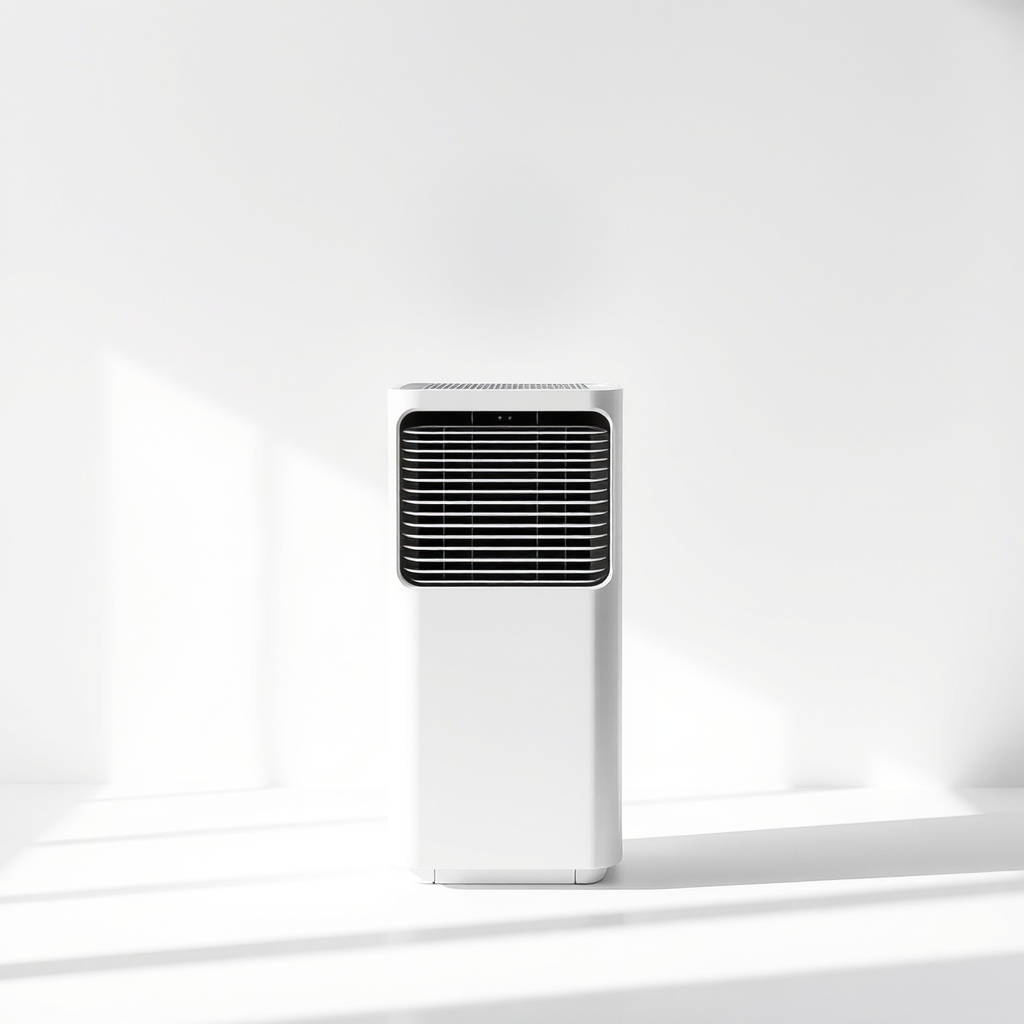
A purifier with a CADR sized to your room
CADR is how much clean air the machine delivers per minute. A unit that is too small has to run on high and loud to keep up, and the moment you turn it down it stops helping. A unit sized to the room cleans the air fast on a low, quiet setting.
What to get: True HEPA air purifier with a smoke CADR matched to your room
How long it lasts: As long as you replace the filters. It cleans the air several times an hour, even on a quiet setting.
As an Amazon Associate I earn from qualifying purchases.
What you'll need
-
Tape measure
Length, width and ceiling height
You have it -
Vacuum with a brush attachment
Clears dust from the pre-filter
You have it - Our pick Illustration
True HEPA purifier sized by CADR
The lasting fix
- Illustration
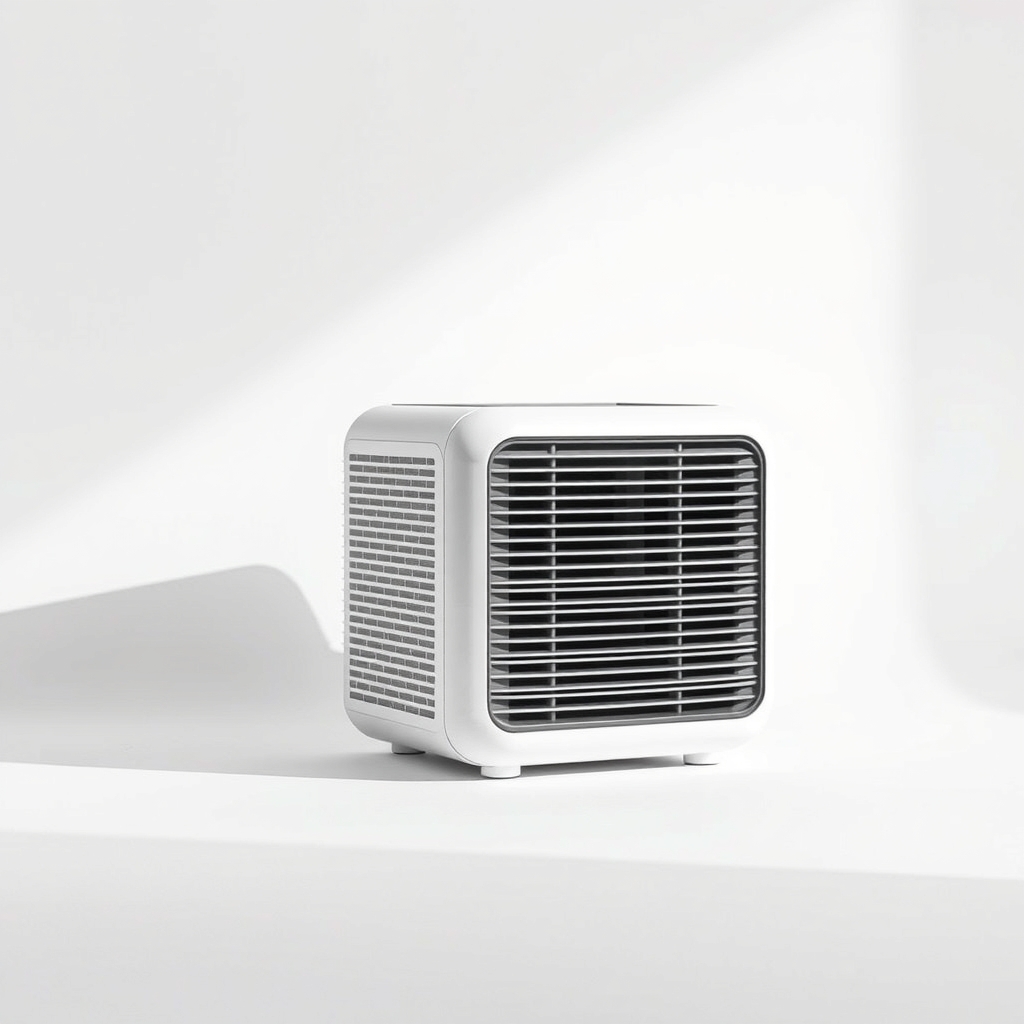
Compact HEPA purifier for small rooms
For bedrooms under about 150 square feet
- Illustration
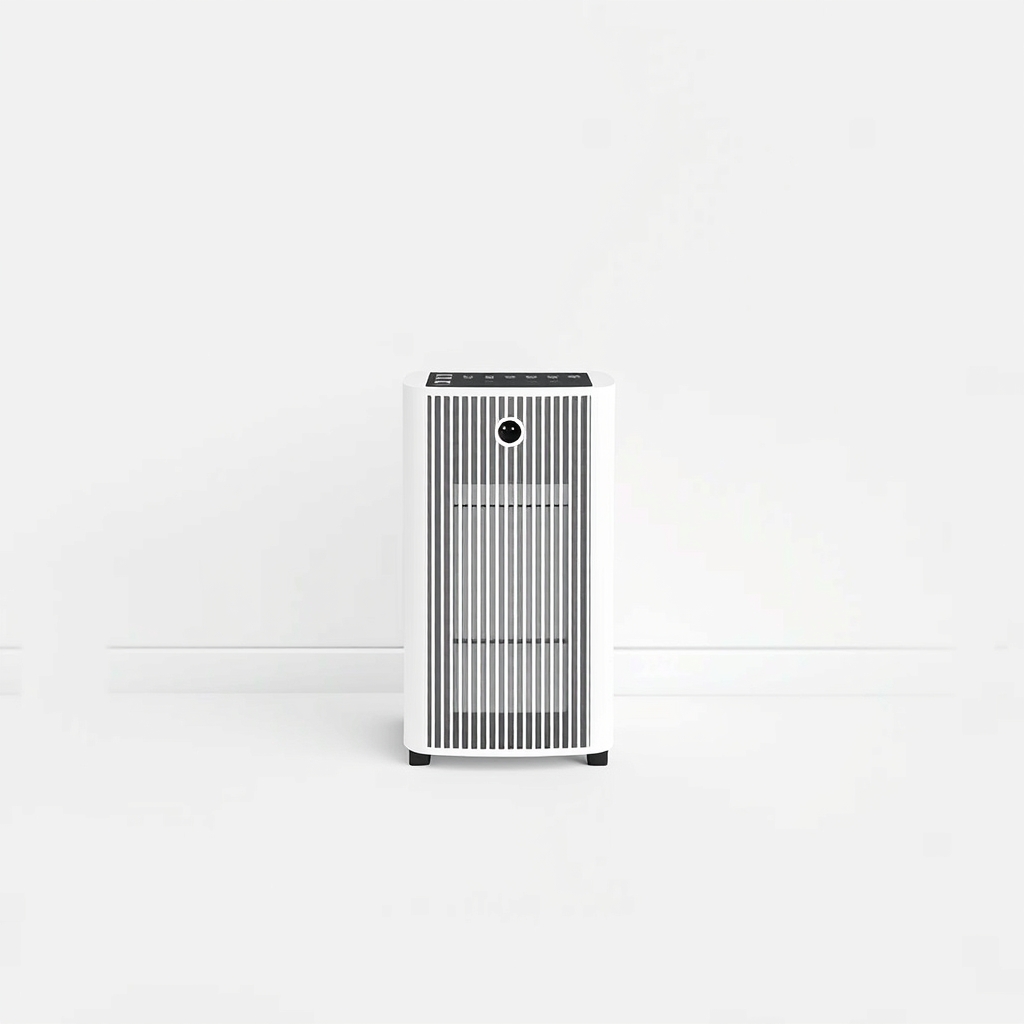
Large-room purifier with an air quality sensor
For open plans and big living rooms
Why it happens
Room-size claims that use a gentle standard
Some makers state room size using fewer air changes per hour than the CADR rule, which works out to about five. A unit sold for 'up to 1,000 square feet' may clean that space only slowly.
Doors and open floor plans
A purifier cleans the air it can reach. If your bedroom door is open to the hall, or the living room opens to the kitchen, the room is bigger than the one you measured.
Tall ceilings
CADR sizing assumes 8-foot ceilings. A 10-foot ceiling holds 25 percent more air, and a 12-foot ceiling holds 50 percent more.
A clogged filter
A dirty filter cuts airflow and CADR. Over months, a good purifier becomes a too-small one.
A heavy source of particles
Cooking smoke, pets, wildfire smoke or a smoker can overwhelm a small unit that handles a quiet room fine.
Try this first (free)
Do these in order, starting with the simplest.
-
Measure the room and do the math
Tool used: Tape measureMultiply length by width. Divide by 1.5 to get the minimum smoke CADR. A 120 square foot room needs 80, a 300 square foot room needs 200, and a 500 square foot room needs about 330. For 10-foot ceilings, add 25 percent.
-
Compare it to your purifier's CADR
Find the smoke CADR on the box or in the manual. If it is well under your number, the room gets fewer air changes per hour, so cleaning is slower.
-
Close the room up and run it on high
Shut doors and windows. Run it on high for the first hour of the day, or after cooking, then drop to a quieter setting.
-
Move it into the open
Keep it at least a foot from walls and furniture, close to where you breathe most, such as beside the bed. A purifier behind a couch cleans very little.
-
Clean and swap filters
Tool used: Vacuum with a brush attachmentVacuum the pre-filter every two to four weeks with a soft brush. Replace the main HEPA filter on the maker's schedule, often every 6 to 12 months.
When free fixes aren't enough
If your purifier's CADR is under two-thirds of your room's area, no setting will close the gap. It cleans too slowly on low and too loudly on high. If you have allergies, pets or smoke in the home, a purifier sized to the room is the real fix. Buying a bigger one is not a problem, since it can run on low, which is quieter. Skip ozone generators and ionizers that make ozone, which irritates the lungs. Look for California Air Resources Board (CARB) certification.
Buy the fix
Still stuck after the free fixes? These are the products we would look at.
| Pick | Product | Fixes | Who it's for | Buy |
|---|---|---|---|---|
| Best pick | True HEPA air purifier with a smoke CADR matched to your room | a purifier too weak for the room | Anyone who measured and found their purifier is under the number. | Check price |
| Budget pick | Compact true HEPA air purifier for a small bedroom | dust and allergens in a small room | Small bedrooms, dorms and offices up to about 150 square feet. | Check price |
| Upgrade pick | Large-room air purifier with an air quality sensor and auto mode | open plans and big rooms a small unit cannot clean | Living rooms, open plans, or homes with pets and smoke. | Check price |
True HEPA air purifier with a smoke CADR matched to your room
Fixes: a purifier too weak for the room
Look for: A smoke CADR of at least two-thirds of your room's square feet; A true HEPA filter, not 'HEPA-type'; Replacement filters that are easy to buy; No ozone, with CARB certification.
- Who it's for
- Anyone who measured and found their purifier is under the number.
- Honest downside
- Your room is tiny and the unit you own already meets the number. Save the money.
Compact true HEPA air purifier for a small bedroom
Fixes: dust and allergens in a small room
Look for: A smoke CADR of 100 or more, which fits about 150 square feet; True HEPA filtration; A low-noise sleep mode.
- Who it's for
- Small bedrooms, dorms and offices up to about 150 square feet.
- Honest downside
- Your room is larger than 150 square feet, or open to another room. It would be too small again.
Large-room air purifier with an air quality sensor and auto mode
Fixes: open plans and big rooms a small unit cannot clean
Look for: A smoke CADR of 300 or more, which fits about 450 square feet; An air quality sensor with auto fan speed; A carbon filter if you want to reduce odors.
- Who it's for
- Living rooms, open plans, or homes with pets and smoke.
- Honest downside
- You have a small room. You would pay for capacity you will not use.
As an Amazon Associate I earn from qualifying purchases. We don't show prices because they change, so use the button to see today's price.
How we picked: How we picked: this page is based on CADR sizing guidance from air cleaner standards groups, purifier manuals, and what owners report in reviews. We do not test products by hand.
Quick sizing table
- 100 sq ft (10 x 10): smoke CADR 67 or more
- 150 sq ft: 100 or more
- 200 sq ft: 133 or more
- 300 sq ft: 200 or more
- 400 sq ft: 267 or more
- 500 sq ft: 333 or more
Too big for the room?
It will not hurt anything. A larger purifier on a low speed is quieter and cycles more air than a small one on high. The trade-offs are price, size and a little more electricity. If the room is tiny, a smaller model saves money.
What to skip
Ionizers, ozone 'air cleaners' and big room-size claims
Ozone is a lung irritant, and ionizers can make it. Skip them. And do not trust a room-size claim alone. Check the CADR number and do the math.
Frequently asked questions
What does CADR mean?
Does ceiling height matter?
How do I know if my air purifier is too small?
Can I use two small purifiers instead of one big one?
Related problems
 Free fix inside
Air & Temperature · Air Purifier
Air Purifier Smells Weird? It's Usually the Filter
Read the fix Free fix inside
Air & Temperature · Air Purifier
Air Purifier Not Removing Odors? Why a Carbon Filter Matters
Read the fix Free fix inside
Cleaning · House Dust
Dust in the Air? What Really Clears It and Which Purifier Specs Matter
Read the fixAs an Amazon Associate I earn from qualifying purchases. Affiliate disclosure