Air Purifier Not Removing Odors? Why a Carbon Filter Matters
A HEPA filter catches particles, not smells. Clear the source first, then add a purifier with a real activated carbon filter to take out the odor that is left.
By Jamilur Rahman Updated November 5, 2026 · 7 min read
- Time
- 20 min
- Cost
- $50-$150
- Difficulty
- Easy
In this guide
Quick answer
Most air purifiers catch particles like dust, pollen and smoke with a HEPA filter, but smells are gases, and a HEPA filter cannot trap gas. Odor needs activated carbon, and many purifiers have only a thin sprinkling of it. Remove the source, air the room out and check the filter. If the smell keeps coming back, get a purifier with a thick carbon filter, sized for the room.
Free fix vs. permanent fix
Find the source, air it out, check the filter
- Find and remove what is making the smell
- Open two windows for 10 to 15 minutes to flush the air
- Check that the plastic wrap is off every filter
- Clear 1 to 2 feet around the purifier and run it on high
How long it lasts: For good if the cause was a one-time source like a spill or old trash. For a pet, cooking or smoke, the smell returns.
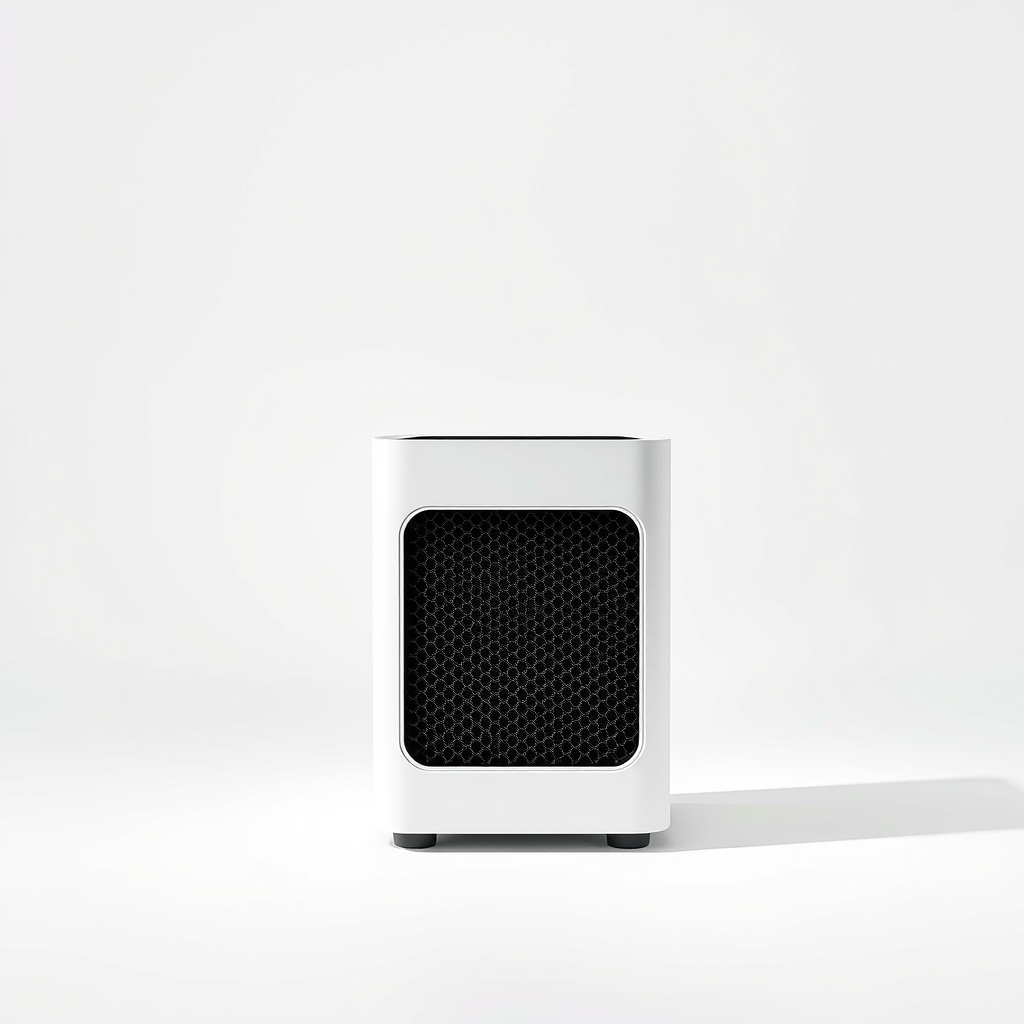
A purifier with a thick activated carbon filter
Smells are gas molecules. Activated carbon is full of tiny pores that hold gas as air passes through, and HEPA cannot do that. A real carbon filter, with true HEPA behind it, handles both the odor and the dust.
What to get: Air purifier with true HEPA and a thick activated carbon filter
How long it lasts: Years. The carbon filter itself needs replacing on the maker's schedule, but the purifier keeps working.
As an Amazon Associate I earn from qualifying purchases.
What you'll need
-
Tape measure
To size the purifier to the room
You have it -
Vacuum with a brush head
For dusting the pre-filter and the vents
You have it - Illustration
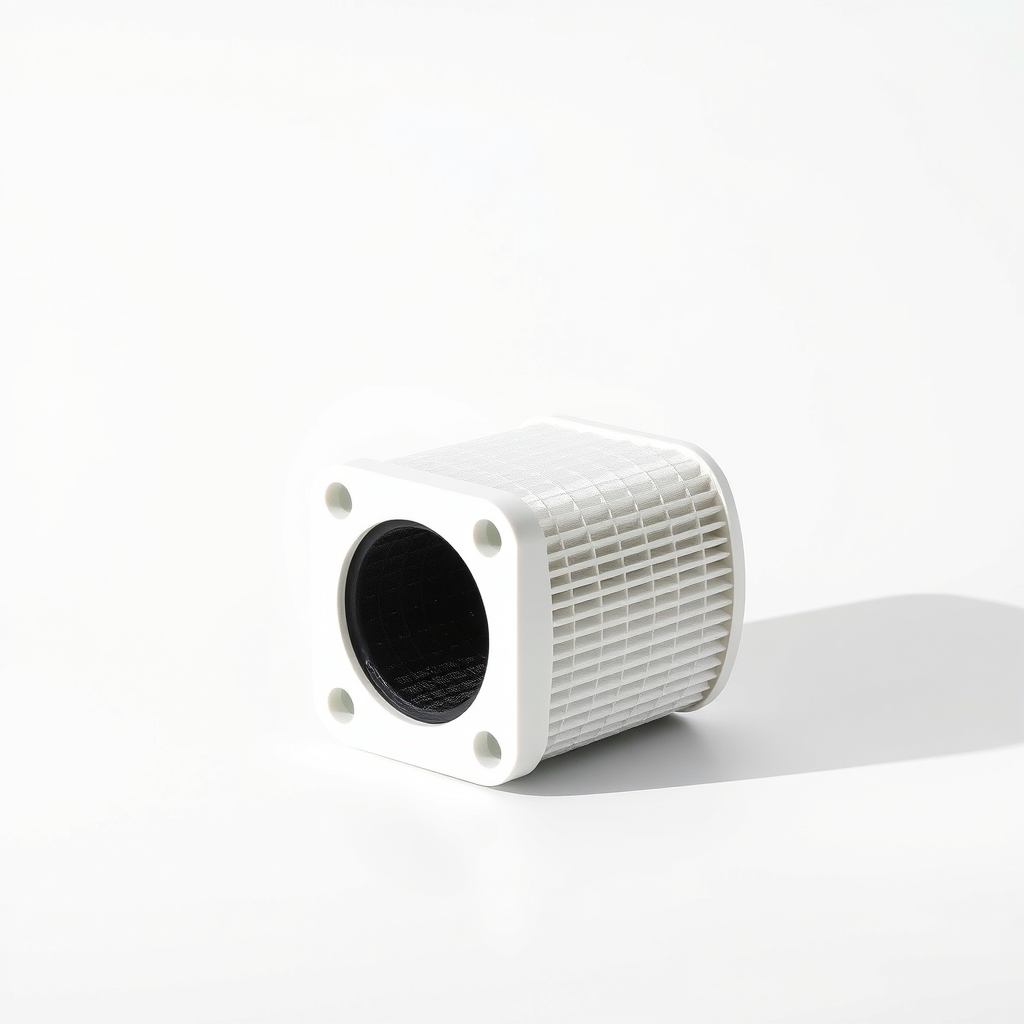
Replacement carbon filter for your purifier
Only if your model takes one; match the exact model number
- Our pick Illustration
Air purifier with activated carbon filter
True HEPA plus a thick carbon layer, sized to the room
Why it happens
HEPA does not trap gases
A HEPA filter catches tiny particles. Cooking fumes, pet odor and chemical smells are made of gas molecules that pass straight through it.
The carbon is a thin sheet, or it is used up
Many purifiers include a mesh with a light dusting of carbon. It can fade in weeks with a strong odor. A thick carbon bed lasts longer. Carbon fills up with gas and stops working, so it needs replacing.
The purifier is too small, or something is in the way
A small unit in a big room cannot clean the air fast enough. A purifier crammed against a wall or behind furniture cannot pull air in. A filter still in its plastic wrap does nothing.
The source is still there
A full trash can, damp laundry, a litter box or a carpet stain keeps making odor faster than any purifier removes it.
Try this first (free)
Do these in order, starting with the simplest.
-
Find the source and remove it
Check the trash, the fridge, damp towels, pet bedding, shoes and the drain. Wash or throw out what smells. A purifier cleans the air, but it will not stop a source.
-
Flush the room with fresh air
Open two windows on opposite sides for 10 to 15 minutes, if the outdoor air is clean. This moves the worst of the smell out faster than any purifier.
-
Check the filters and clean the pre-filter
Tool used: Vacuum with a brush headMake sure every filter is out of its plastic wrap. Vacuum the washable pre-filter and the intake grille. If the HEPA or carbon filter is past the maker's replacement date, replace it.
-
Give it space and run it on high first
Leave 1 to 2 feet of clear space around the purifier, or whatever the manual says. Run it on high for the first hour or two after the smell starts, then drop to a lower speed.
-
Match the purifier to the room
Tool used: Tape measureMeasure the room and compare the purifier's stated room size. A common rule is to look for a smoke CADR of at least two-thirds of the room's floor area in square feet. A unit that is too small will always lose.
When free fixes aren't enough
If the source is gone and the room still smells, or a pet, cooking or smoke keeps the smell coming back, the purifier you have is probably the limit. Check whether it lists activated carbon, and how much. A thin sheet cannot keep up with a steady odor. A purifier with a thick carbon filter and true HEPA handles both. It will not remove carbon monoxide or gas leaks, so it is never a safety device.
Buy the fix
Still stuck after the free fixes? These are the products we would look at.
| Pick | Product | Fixes | Who it's for | Buy |
|---|---|---|---|---|
| Best pick | Air purifier with true HEPA and a thick activated carbon filter | cooking, pet and smoke odors that a HEPA filter alone leaves behind | Anyone with a steady odor source, such as a pet, a kitchen open to the living room, or smoke drifting in. | Check price |
| Budget pick | Replacement or add-on carbon filter for your current purifier | a purifier that has a carbon slot but a used-up or thin filter | Someone whose purifier takes a carbon filter and has not had it replaced in months. | Check price |
Air purifier with true HEPA and a thick activated carbon filter
Fixes: cooking, pet and smoke odors that a HEPA filter alone leaves behind
Look for: A carbon filter with a stated weight or thickness, not just 'carbon' in the description; A true HEPA filter, so it also catches the dust; A CADR or room-size rating that covers your room; Replacement filters that are easy to find, with a stated schedule.
- Who it's for
- Anyone with a steady odor source, such as a pet, a kitchen open to the living room, or smoke drifting in.
- Honest downside
- The smell is from a fixable source you can still remove. Also skip any model that makes ozone on purpose (ionizers, ozone generators), since ozone is a lung irritant.
Replacement or add-on carbon filter for your current purifier
Fixes: a purifier that has a carbon slot but a used-up or thin filter
Look for: Made for your exact model number; A thick carbon layer, not a thin mesh; Fits without gaps around the edge.
- Who it's for
- Someone whose purifier takes a carbon filter and has not had it replaced in months.
- Honest downside
- Your model has no carbon filter option. A generic filter cut to fit can leak air around the edges.
As an Amazon Associate I earn from qualifying purchases. We don't show prices because they change, so use the button to see today's price.
How we picked: How we picked: this page is based on purifier manuals, general guidance on HEPA, activated carbon and CADR, and the problems and fixes owners report in reviews. We do not test products by hand.
HEPA, carbon and CADR in plain words
- True HEPA: catches tiny particles such as dust, pollen, pet dander and smoke particles.
- Activated carbon: holds gases and odors. Look for more than a thin sheet. A listed filter weight is a good sign.
- CADR: how much clean air the purifier delivers per minute. A higher number means a bigger room it can handle.
What to skip
Ozone generators and scented sprays
Ozone generators sold as odor eliminators can irritate the lungs, and sprays only cover the smell for a while. Neither removes the cause. Skip any purifier that makes ozone on purpose.
Frequently asked questions
Why is my air purifier not removing smell?
Why is my air purifier not collecting dust?
How often do carbon filters need replacing?
What if the smell is gas or burning?
Related problems
 Free fix inside
Air & Temperature · Air Purifier
Air Purifier Smells Weird? It's Usually the Filter
Read the fix Free fix inside
Air & Temperature · Air Purifier
Air Purifier Too Small for the Room? How to Size One Right
Read the fix Free fix inside
Cleaning · House Dust
Dust in the Air? What Really Clears It and Which Purifier Specs Matter
Read the fixAs an Amazon Associate I earn from qualifying purchases. Affiliate disclosure