Bedroom Always Dusty? The Weekly Habit and the Right Purifier
Most bedroom dust is lint and skin from beds, clothes and rugs. A weekly routine cuts it down, and a HEPA purifier catches what stays in the air.
By Jamilur Rahman Updated November 5, 2026 · 7 min read
- Time
- 30 min a week
- Cost
- $50-$150
- Difficulty
- Easy
In this guide
Quick answer
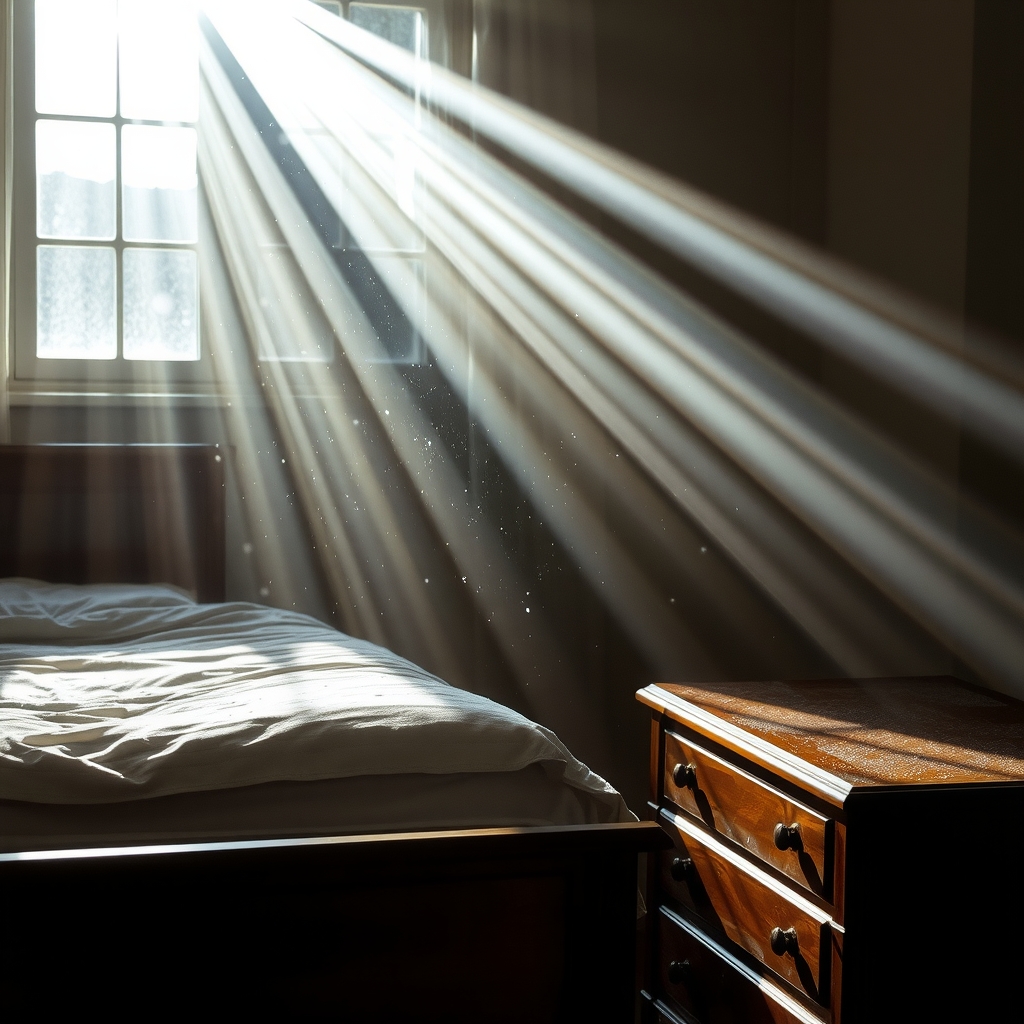
Most bedroom dust is lint and skin flakes from bedding, clothes, rugs and fabric, stirred up each time you move. Wash sheets weekly in hot water, damp-dust from top to bottom and vacuum with a sealed or HEPA filter. A HEPA purifier sized for the room catches the fine dust that stays in the air and settles again, so you dust less often.
Free fix vs. permanent fix
The weekly dust routine
- Wash sheets and pillowcases weekly in hot water
- Dust top to bottom with a damp microfiber cloth
- Vacuum slowly, including under the bed
- Clear clutter from floors, shelves and under the bed
How long it lasts: Cuts dust a lot if you keep it up. Dust still returns after a few days, because the air keeps carrying new fibers.
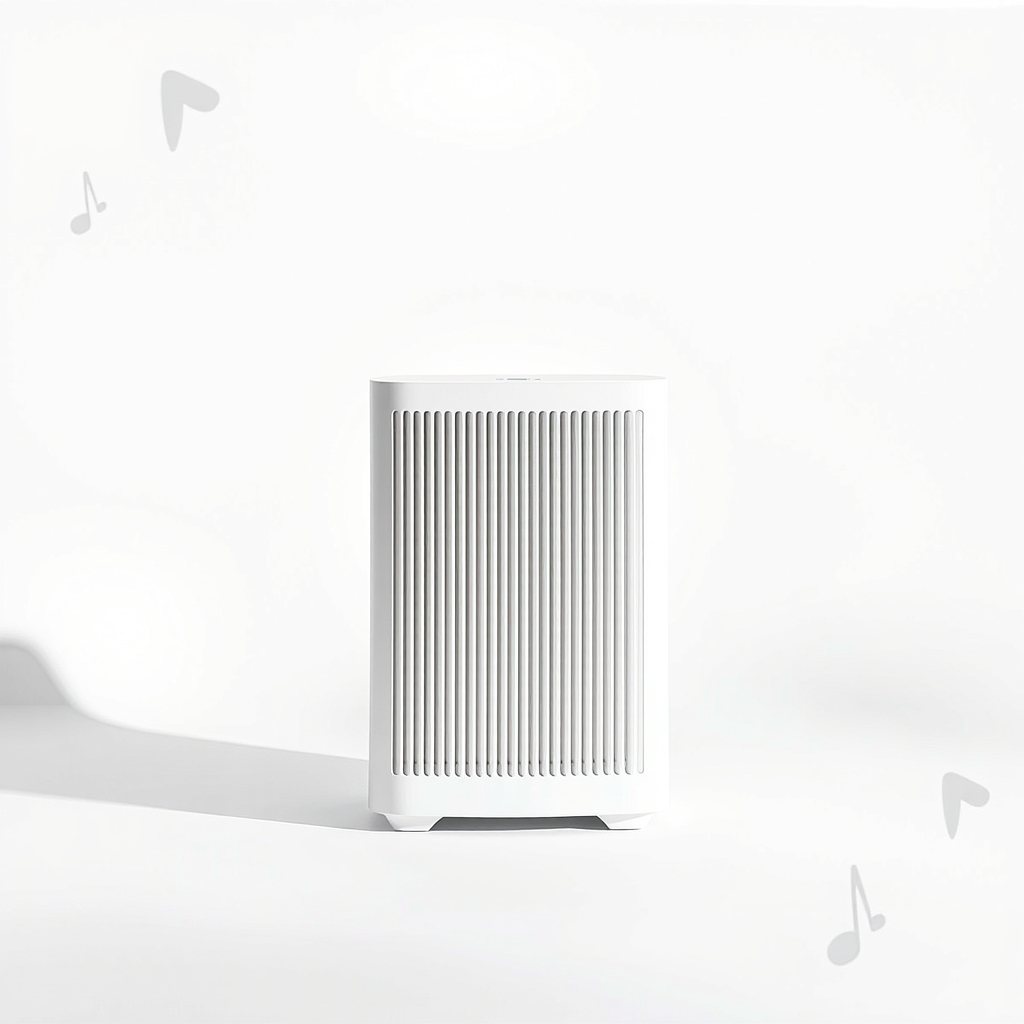
A true HEPA air purifier, sized for the room
Dusting removes what has settled and lifts some of it back into the air. A true HEPA filter captures at least 99.97 percent of particles of 0.3 microns and larger that pass through it. A purifier left on in the room keeps cleaning the air while you sleep, so less dust lands on the shelves.
What to get: True HEPA air purifier sized for your bedroom
How long it lasts: Runs every night for years. Filters usually need replacing every 6 to 12 months.
As an Amazon Associate I earn from qualifying purchases.
What you'll need
-
Damp microfiber cloth
Traps dust instead of pushing it around
You have it -
Washing machine
A hot wash for sheets and pillowcases each week
You have it -
Vacuum with a sealed or HEPA filter
A leaky vacuum blows fine dust back into the room
You have it - Our pick Illustration
HEPA air purifier
Catches the dust that stays in the air
Why it happens
Beds and clothes shed fibers
People shed skin flakes all day and night. Together with fibers from sheets, blankets and clothes, they make up a big share of household dust.
Dust that settles and gets stirred up
Dry dusting, shaking out sheets and just walking across the room put settled dust back in the air. It lands again within hours.
Outside dust coming in
Open windows, shoes and pets bring in pollen, soil and soot. Rooms near a busy road or construction get more.
Dirty filters and vents
A clogged furnace or AC filter and dusty vent covers blow dust straight into the bedroom each time the system runs.
Small rooms full of fabric
In a dorm or small bedroom there is less air and more fabric per square foot. Piles of clothes, stuffed items, books and rugs all collect dust.
Try this first (free)
Do these in order, starting with the simplest.
-
1. Wash bedding weekly in hot water
Tool used: Washing machineWash sheets and pillowcases every week at about 130°F if the fabric allows. Hot water helps remove dust mites and their waste. Wash comforters every few months.
-
2. Dust top to bottom with a damp cloth
Tool used: Damp microfiber clothStart with shelves, the top of the wardrobe and fan blades. End with baseboards. Damp microfiber traps dust, and a dry feather duster just moves it around.
-
3. Vacuum slowly, including under the bed
Tool used: Vacuum with a sealed or HEPA filterGo over floors, rugs and the mattress edge slowly. Use a vacuum with a sealed system or HEPA filter so dust does not blow back out.
-
4. Clear the dust traps
Pick clothes up off the floor, store spare items in closed boxes, and keep decorative pillows and stuffed toys off the bed during the week.
-
5. Check the filter and vents
Replace your furnace or AC filter on the schedule on its frame. Wipe the vent covers in the bedroom.
-
6. Run the purifier while you clean
Tool used: HEPA air purifierClose the door, run the purifier on high while you vacuum and for an hour after, then switch it to a quiet setting. It captures the dust you lift while you clean.
IllustrationCheck price on AmazonTool for this step
HEPA air purifier · Catches the dust that stays in the air
When free fixes aren't enough
If you keep up the routine and the shelves are dusty again in two or three days, or someone in the room has allergies or asthma, the dust is floating in the air and cleaning cannot catch that. A HEPA purifier can: it pulls air through a fine filter around the clock. It does not replace dusting, and it cannot clean dust that has already settled, so keep the weekly routine. If dust is black and sooty or a cough keeps you up at night, see a doctor and check for sources like candles, a gas stove or heating.
Buy the fix
Still stuck after the free fixes? These are the products we would look at.
| Pick | Product | Fixes | Who it's for | Buy |
|---|---|---|---|---|
| Best pick | True HEPA air purifier sized for your bedroom | fine dust that stays airborne and settles again | Anyone who dusts weekly and sees dust back within days, or who has dust allergies. | Check price |
| Budget pick | 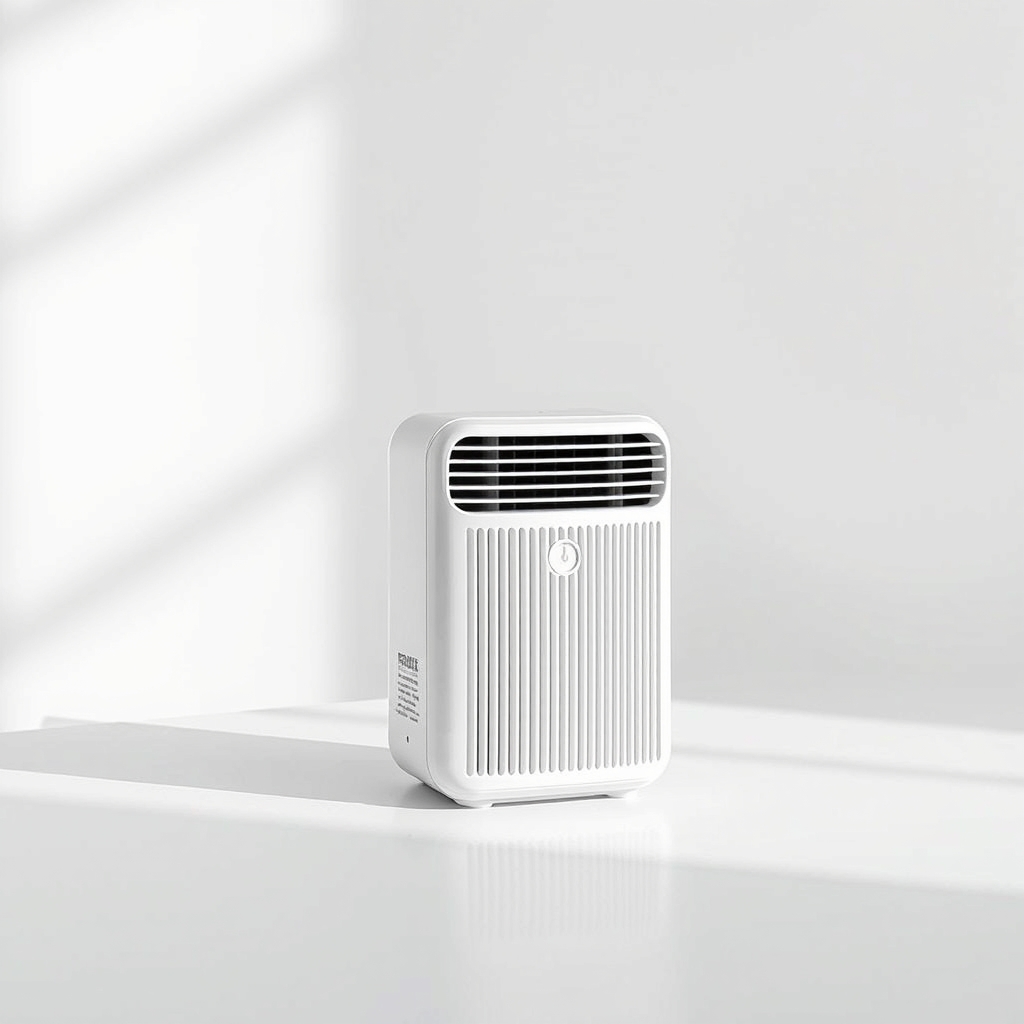 Compact true HEPA air purifier for a dorm or small room | dust in a small bedroom or dorm room | Dorm and small-room users who want to keep the cost and size down. | Check price |
True HEPA air purifier sized for your bedroom
Fixes: fine dust that stays airborne and settles again
Look for: A true HEPA filter, not HEPA-type or HEPA-style; A CADR (rated airflow) of at least two-thirds of your room's square footage; A quiet low setting and a way to turn the lights off; Replacement filters you can still buy for that model.
- Who it's for
- Anyone who dusts weekly and sees dust back within days, or who has dust allergies.
- Honest downside
- You plan to use it instead of cleaning. It cannot remove settled dust. Skip any model that makes ozone or uses an ionizer.
Compact true HEPA air purifier for a dorm or small room
Fixes: dust in a small bedroom or dorm room
Look for: A true HEPA filter; A listed room size that matches your dorm or small bedroom; Low noise on the lowest setting; A small footprint for a desk or nightstand.
- Who it's for
- Dorm and small-room users who want to keep the cost and size down.
- Honest downside
- Your room is larger than the listed coverage, since a small unit will not keep up. Check your dorm's rules about appliances too.
As an Amazon Associate I earn from qualifying purchases. We don't show prices because they change, so use the button to see today's price.
How we picked: How we picked: this page is based on household dust and allergy guidance, air purifier sizing standards, and what owners report in purifier reviews. We do not test products by hand.
Size a purifier in one minute
Multiply room length by width to get square feet. Pick a purifier whose rated airflow, called CADR, is at least two-thirds of that number, or whose listed room size is as big as yours. A bigger unit can run on a quieter setting for the same cleaning, which suits a bedroom.
Dorm rooms: what is different
- Check your housing rules for appliances before buying.
- Choose a small unit with a quiet low setting, since you share the room.
- Use a zippered pillow cover and wash it often. Bedding is the main dust source.
- Keep clothes in a closet or a lidded bin.
What to skip
What to skip: ionizers, ozone air cleaners and dry dusters
Ionizers and ozone-producing cleaners do not capture dust well, and ozone can irritate the lungs. Skip them. A dry feather duster also just pushes dust back into the air, so use damp microfiber instead.
Frequently asked questions
Why is my bedroom so dusty even when I clean?
Why does my dorm room get so dusty?
Does an air purifier really reduce dust?
How often should I change the filter?
Related problems
 Free fix inside
Cleaning · House Dust
Dust in the Air? What Really Clears It and Which Purifier Specs Matter
Read the fix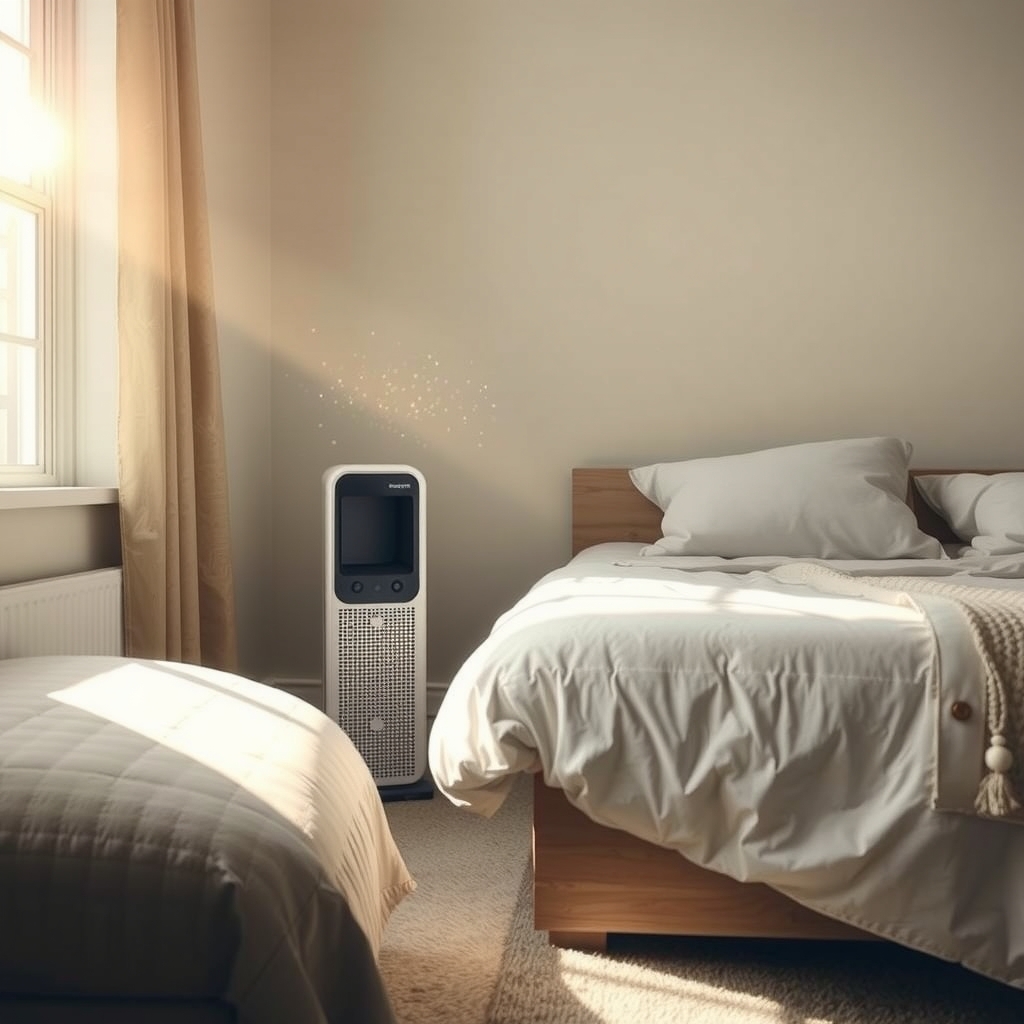 Free fix inside
Air & Temperature · Air Purifier
Air Purifier Too Small for the Room? How to Size One Right
Read the fix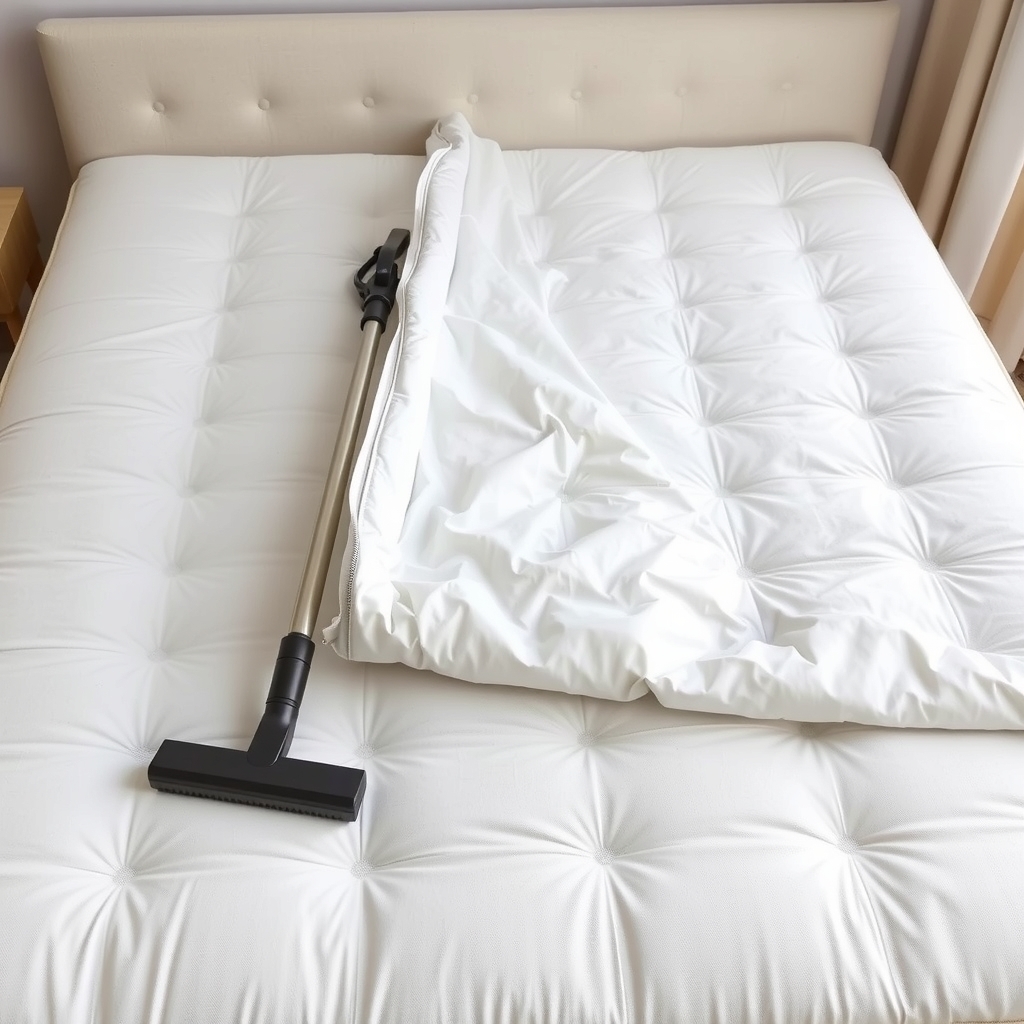 Free fix inside
Bedroom & Sleep · Dust Mites
Dust Mites in Your Mattress? What an Encasement Does (and Doesn't)
Read the fixAs an Amazon Associate I earn from qualifying purchases. Affiliate disclosure