Dust Mites in Your Mattress? What an Encasement Does (and Doesn't)
You cannot kill every mite in a mattress, but you can seal them in. Wash hot, lower humidity, and add a zippered encasement for what washing cannot reach.
By Jamilur Rahman Updated November 5, 2026 · 7 min read
- Time
- 30 min
- Cost
- $50-$150
- Difficulty
- Easy
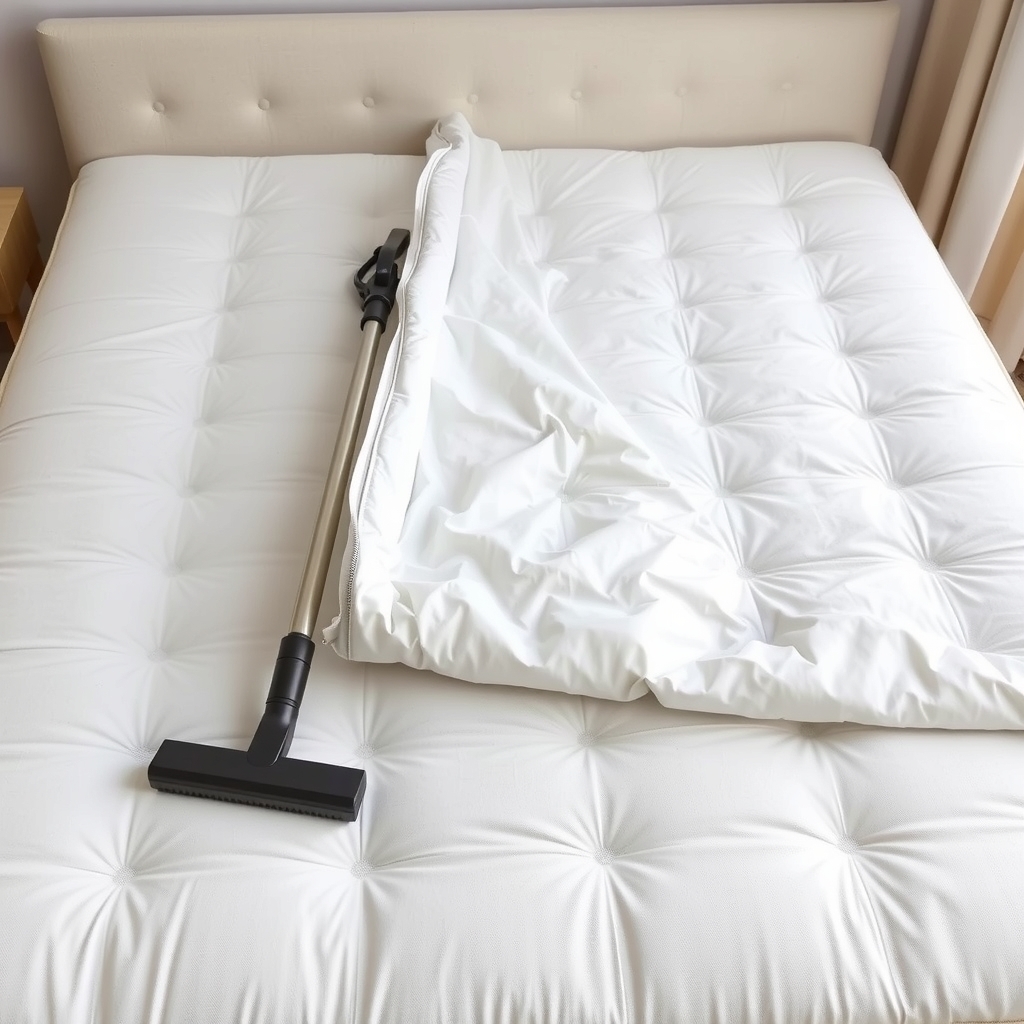
In this guide
Quick answer
Dust mites live in mattresses, pillows and bedding, feeding on skin flakes, and you cannot kill them all. You can cut their numbers by washing bedding weekly in hot water, keeping indoor humidity under 50 percent and vacuuming. Mites deep inside the mattress are out of reach of all of that. A zippered mite-proof encasement seals the mattress, so the mites inside cannot reach you and new ones cannot move in. It does not kill anything, so the washing still matters.
Free fix vs. permanent fix
Hot wash, vacuum, dry the air
- Wash sheets and pillowcases weekly at 130 degrees F, if the label allows
- Vacuum the mattress top and sides, slowly
- Keep indoor humidity below 50 percent
- Wash or hot-dry pillows and blankets
How long it lasts: Keeps numbers down as long as you keep it up. Mites inside the mattress stay and rebuild.
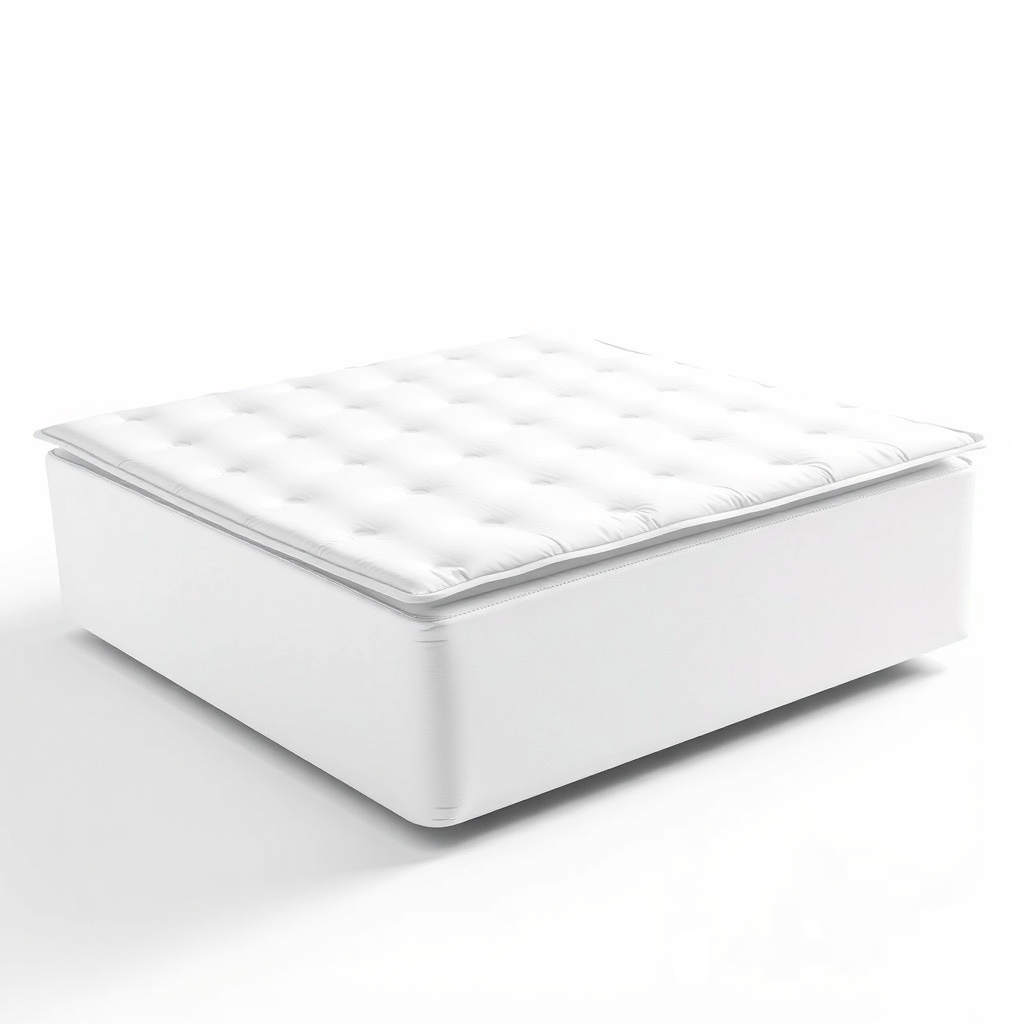
A zippered dust mite proof mattress encasement
A tightly woven, fully zippered cover puts a barrier between you and the mites and their waste inside the mattress. Washing treats what is on top, and the encasement deals with what is inside. Used with the washing, it cuts how much allergen reaches your nose.
What to get: Zippered dust mite proof mattress encasement
How long it lasts: Years. Wash it every few months and it keeps working.
As an Amazon Associate I earn from qualifying purchases.
What you'll need
-
Washer and dryer on hot
130 degrees F water or a hot dryer, if the care label allows
You have it -
Vacuum with an upholstery tool
For the mattress top and sides
You have it - Illustration
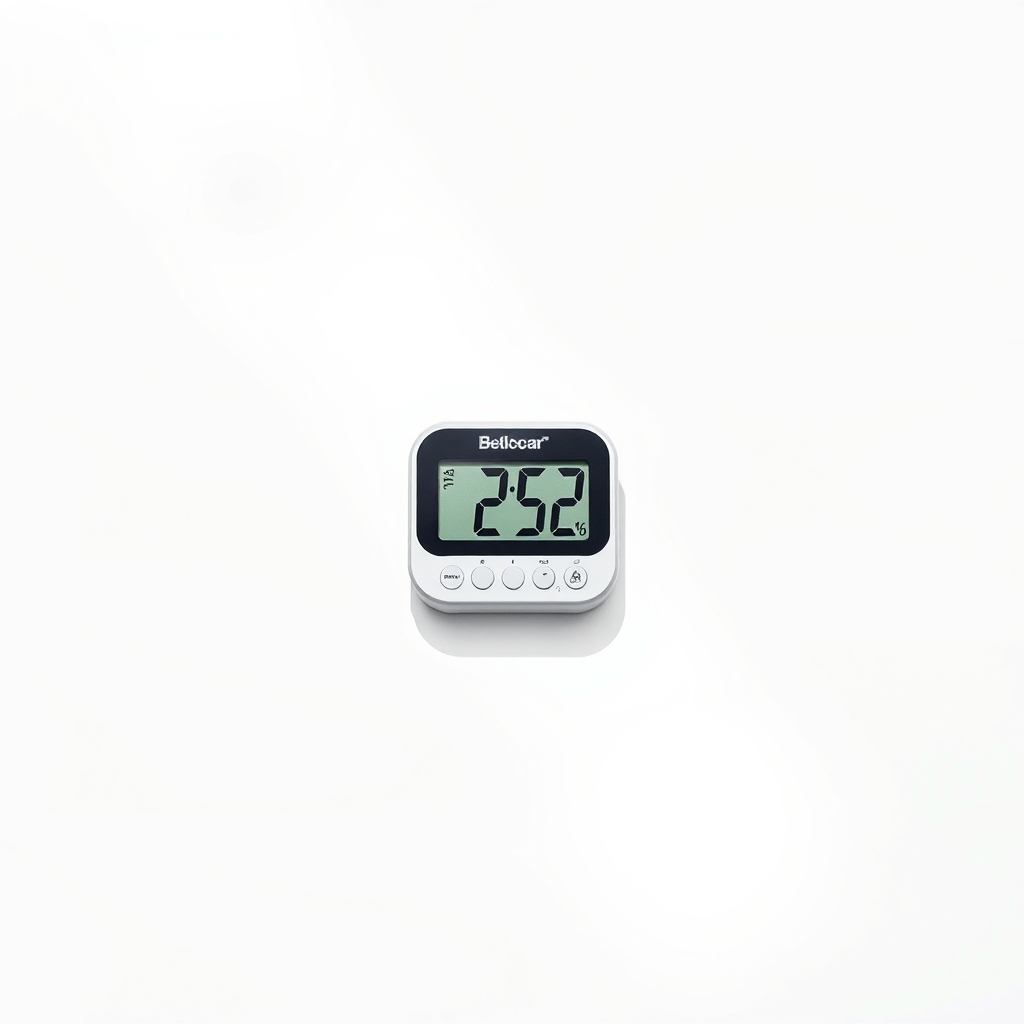
Digital hygrometer
Reads humidity so you know when you are over 50 percent
- Our pick Illustration
Zippered dust mite proof mattress encasement
Seals the mattress on all six sides
- Illustration
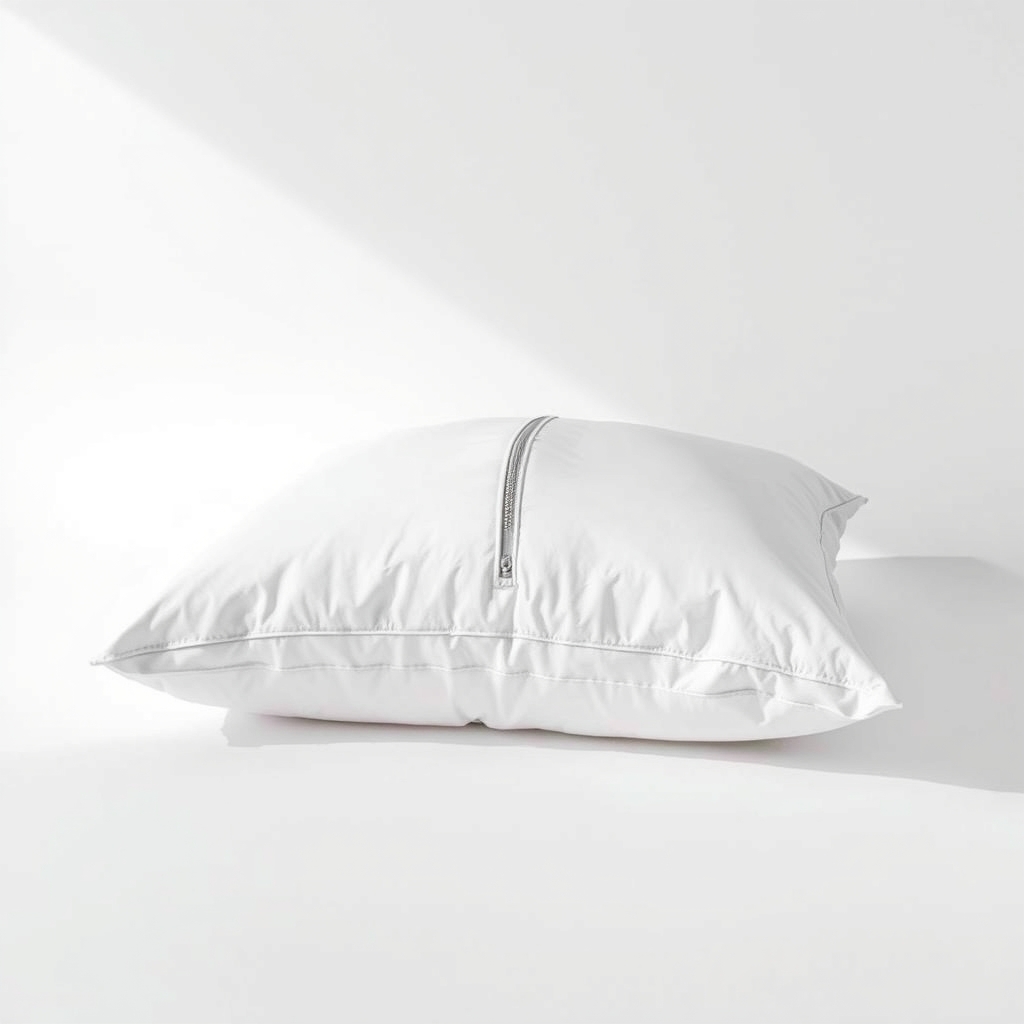
Zippered dust mite proof pillow protectors
The cheapest place to start, since pillows sit by your nose
- Illustration
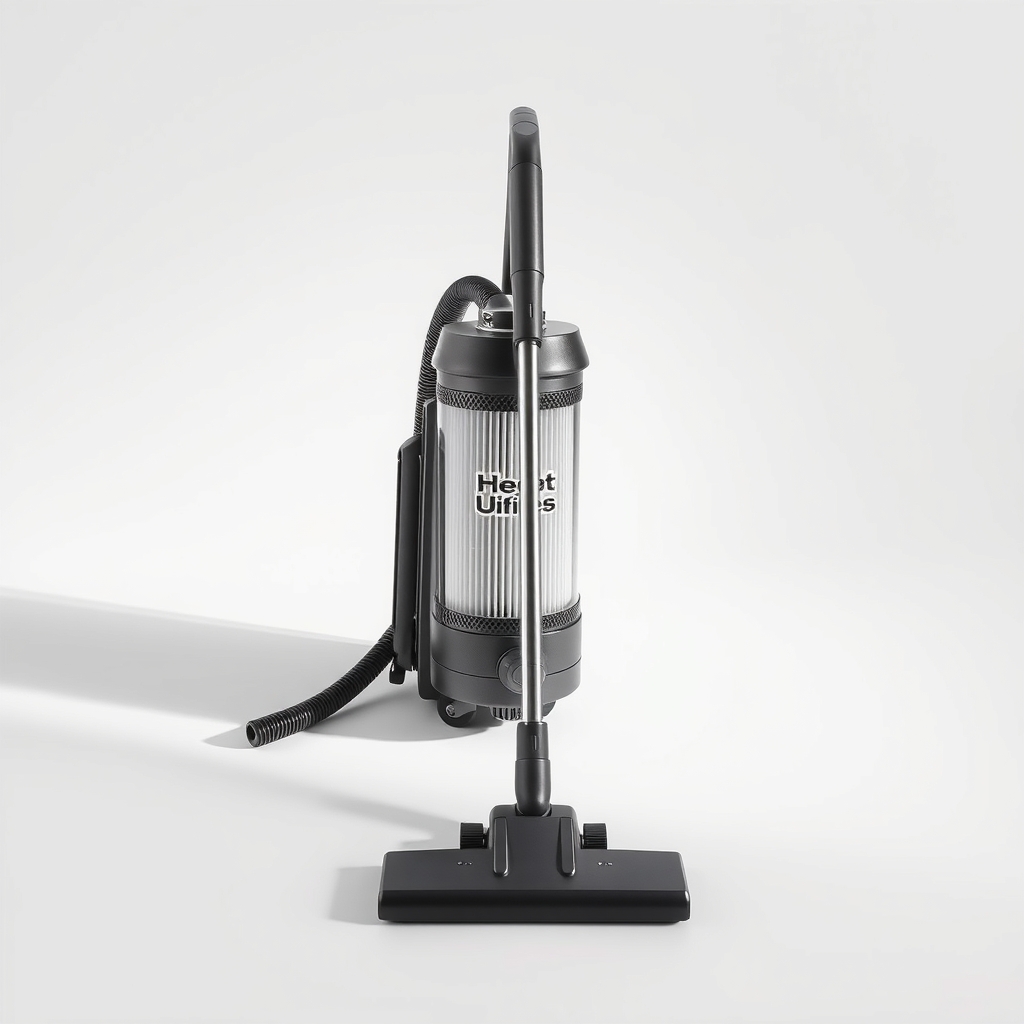
Vacuum cleaner with a HEPA filter
Keeps allergen from blowing back into the air
Why it happens
Skin flakes and warmth
Mites eat the dead skin people shed. A bed gets about eight hours of body heat and moisture a night, which makes it a perfect home.
Humidity above 50 percent
Mites take in water from humid air. In a dry room they dry out; in a damp one they thrive.
Soft, deep fillings
Mattress foam and fiber, pillow fill and plush toys hold mites out of reach of normal cleaning.
Infrequent washing
Bedding left for weeks builds up skin flakes and the mite waste that triggers symptoms. It is that waste and the mite body parts that cause allergy, not bites.
Try this first (free)
Do these in order, starting with the simplest.
-
Strip and hot wash the bedding
Tool used: Washer and dryer on hotWash sheets, pillowcases and mattress pads weekly in water of at least 130 degrees F, using the machine's hot or sanitize setting. If the care label does not allow hot water, run the dryer on high for at least 15 minutes first, then wash to remove the allergen.
-
Vacuum the mattress
Tool used: Vacuum with an upholstery toolWith the bed stripped, go slowly over the top and sides with the upholstery tool, then the headboard and the floor around the bed. Do it weekly.
-
Measure and lower the humidity
Tool used: Digital hygrometerPut a hygrometer in the bedroom. If it reads over 50 percent, run a dehumidifier or the air conditioner, fix any leaks and ventilate.
IllustrationCheck price on AmazonTool for this step
Digital hygrometer · Reads humidity so you know when you are over 50 percent
-
Wash pillows, blankets and soft toys
Wash pillows and comforters every few months if the label allows, then dry on high. Wash soft toys that can take it, since they hold mites too.
-
Fit the encasement
Tool used: Zippered dust mite proof mattress encasementPut it on a clean, vacuumed mattress. Cover all six sides, zip it fully, and put the fitted sheet over it. Do the pillows too.
IllustrationCheck price on AmazonTool for this step
Zippered dust mite proof mattress encasement · Seals the mattress on all six sides
-
Keep up the routine
Wash the encasement as its label directs. Wipe hard surfaces with a damp cloth, not a dry one, so dust does not just move around.
When free fixes aren't enough
Washing and vacuuming only treat the surface. The bulk of mites live deep in the mattress and pillows, out of reach, and they return when humidity rises. An encasement is the step that deals with that. Be realistic: studies of covers used alone show mixed results for symptoms, and they work best together with hot washing and humidity control. If you wake sneezing, with itchy eyes or a stuffy nose that eases away from home, or if asthma is worse at night, see a doctor or allergist. They can confirm a dust mite allergy. If you see bites, blood marks or rust-colored spots, think bed bugs, which need a pest professional.
Buy the fix
Still stuck after the free fixes? These are the products we would look at.
| Pick | Product | Fixes | Who it's for | Buy |
|---|---|---|---|---|
| Best pick | Zippered dust mite proof mattress encasement | mites and allergen inside the mattress that washing cannot reach | Anyone with allergy or asthma symptoms, or who sleeps on an older mattress. | Check price |
| Budget pick | Zippered dust mite proof pillow protectors | mites in pillows, which sit closest to your nose | Anyone on a tight budget who wants to start with the pillows. | Check price |
| Upgrade pick | Vacuum cleaner with a HEPA filter | dust and allergen blown back into the air while you vacuum | Allergy sufferers who vacuum the whole house every week. | Check price |
Zippered dust mite proof mattress encasement
Fixes: mites and allergen inside the mattress that washing cannot reach
Look for: Fully encloses all six sides with a closed zipper; Tightly woven, allergen-blocking fabric listed for dust mites; A breathable, quiet fabric, not crinkly vinyl; A depth that fits your mattress, including a pillow-top.
- Who it's for
- Anyone with allergy or asthma symptoms, or who sleeps on an older mattress.
- Honest downside
- You have no mite allergy and just want a cleaner bed. Hot washing and humidity control may be enough.
Zippered dust mite proof pillow protectors
Fixes: mites in pillows, which sit closest to your nose
Look for: A full zipper closure; A tight, breathable weave; A size that fits your pillows, standard or king.
- Who it's for
- Anyone on a tight budget who wants to start with the pillows.
- Honest downside
- You are replacing your pillows soon anyway. Buy the protectors with the new pillows.
Vacuum cleaner with a HEPA filter
Fixes: dust and allergen blown back into the air while you vacuum
Look for: A sealed system with a HEPA filter; An upholstery or mattress tool; Cord or battery life that covers the whole bedroom.
- Who it's for
- Allergy sufferers who vacuum the whole house every week.
- Honest downside
- Your current vacuum already has a sealed HEPA filter. It is not worth a second one.
As an Amazon Associate I earn from qualifying purchases. We don't show prices because they change, so use the button to see today's price.
How we picked: How we picked: this page is based on dust mite guidance from allergy and health groups, product specs for encasements and vacuums, and the problems and fixes people report in reviews. We do not test products by hand.
What an encasement does and does not do
- Does: seal mites and their waste inside the mattress, and stop new mites from colonizing it.
- Does not: kill mites, clean the sheets and pillows on top, or lower the humidity in your room.
- Works best with: weekly hot washing and humidity under 50 percent.
Choosing one that fits and lasts
Measure the depth of your mattress, including any pillow-top, and pick an encasement rated for it. Choose a tightly woven but breathable fabric. Crinkly vinyl covers are noisy and sweaty. Zip it fully and check that no seam is left open, because a gap lets mites through.
What to skip
Mite-killing sprays and gadgets
Sprays and wands that promise to kill mites reach the surface at most, can irritate sensitive airways and leave the allergen behind, since dead mites still trigger symptoms. Wash, vacuum and seal instead.
Frequently asked questions
Can you get rid of dust mites completely?
How do I get rid of dust mites in pillows?
How do I get rid of dust mites in the house?
Are dust mites the same as bed bugs?
Related problems

As an Amazon Associate I earn from qualifying purchases. Affiliate disclosure