Black Dust in Your House? Common Sources and How to Cut It Down
Black dust is usually soot from candles, a fireplace, a furnace or traffic. Find the source, wipe it with a damp cloth and catch the rest with a better filter.
By Jamilur Rahman Updated November 5, 2026 · 6 min read
- Time
- 30 min plus a week of watching
- Cost
- Under $20
- Difficulty
- Easy
In this guide
Quick answer
Why is my house dust black? It is usually soot, tiny particles from candles, incense, a fireplace, a gas stove, a furnace or outdoor traffic and smoke. Look at where it settles to find the source, wipe it with a damp cloth, since dry dusting smears it, and swap your furnace filter for a pleated MERV 11 filter if your system allows it. If the soot is coming from the furnace itself, call a technician.
Free fix vs. permanent fix
Find the source and wipe it up
- Note where the dust is thickest: vents, carpet edges, windowsills or one room
- Skip candles and incense for a week to test
- Wipe with a damp microfiber cloth and a drop of dish soap
- Check the furnace filter and replace it if it is gray
How long it lasts: As long as the source stays off. If candles or traffic are the cause, the dust returns whenever they do.
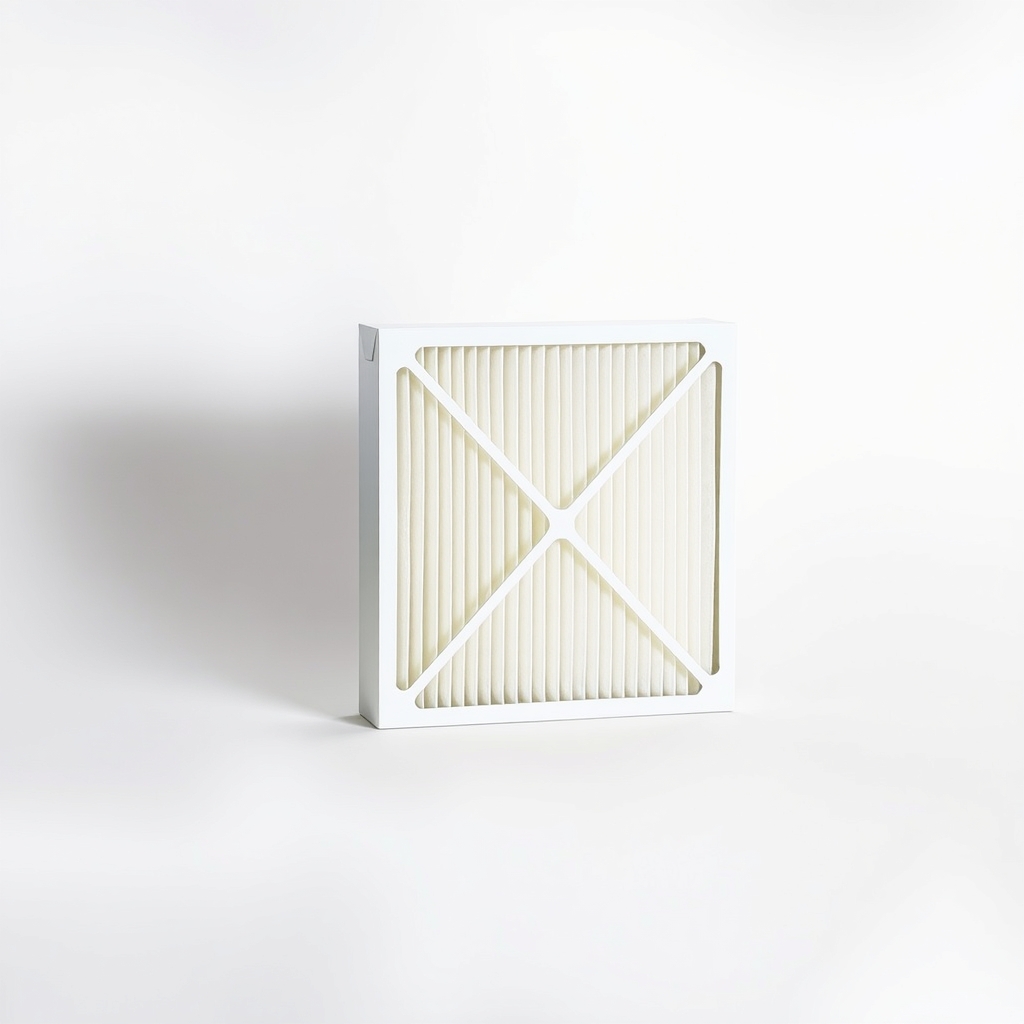
A MERV 11 pleated furnace filter
Soot particles are very fine. A basic fiberglass filter lets much of it pass and circulate. A pleated MERV 11 filter has a denser weave that catches more fine particles on each pass, so less lands on your shelves. It cleans the air but does not remove the source.
What to get: MERV 11 pleated furnace filter
How long it lasts: Swapped every one to three months, it keeps catching fine soot and dust every time the system runs.
As an Amazon Associate I earn from qualifying purchases.
What you'll need
-
Microfiber cloths
Use them damp, not dry
You have it -
Flashlight
Side light shows where dust settles
You have it - Our pick Illustration
MERV 11 pleated furnace filter
Match the size printed on your current filter
- Illustration
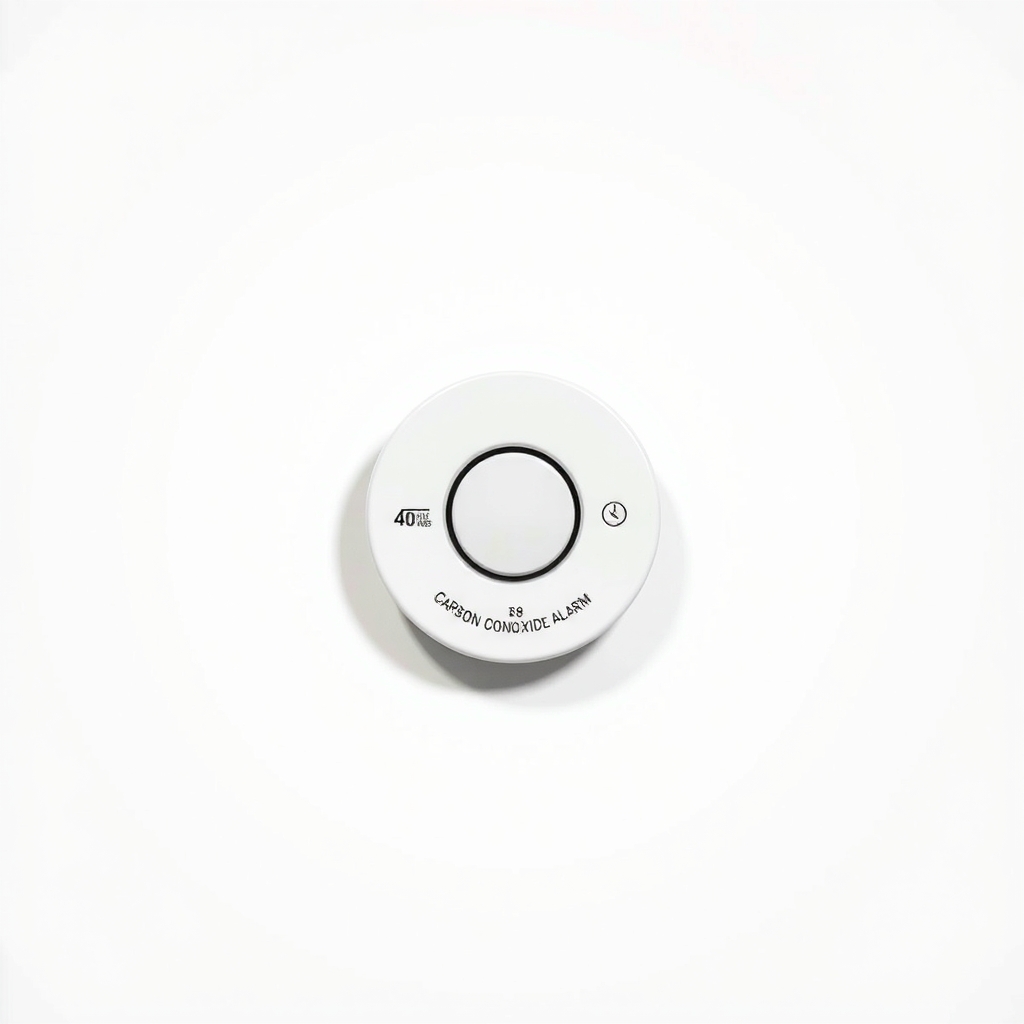
Carbon monoxide alarm
A safety check if soot may come from a furnace or fuel-burning appliance
Why it happens
Candles and incense
Paraffin candles with long wicks, scented candles and incense give off soot that settles as a black film, often on walls and ceilings above them.
A fireplace, wood stove or gas stove
Smoke or a poor draft pushes soot into the room. A gas flame that burns yellow or orange instead of blue makes more soot.
The furnace or HVAC system
A dirty burner or a furnace that burns poorly can leave black dust at vents. Black dust only around the supply registers deserves a closer look.
Outdoor traffic, construction or smoke
Fine particles from vehicles, trains, wildfires and neighbors burning wood come in through open windows and leaks.
Air squeezing through gaps
Dark lines along carpet edges, baseboards, under doors and around vent grilles come from airborne soot that gets trapped where air squeezes through small gaps. The soot is the same. The gap is where it shows.
Try this first (free)
Do these in order, starting with the simplest.
-
Map where it shows up
Tool used: FlashlightWalk through with a flashlight held low. Is it thickest near vents, a fireplace, the kitchen, windows or along carpet edges? Wipe a finger across it. Greasy and smeary means soot.
-
Pause the usual suspects for a week
Skip candles, incense and the fireplace for a week, run the stove hood when you cook and keep windows shut on heavy-traffic days. If the dust slows, you found it. If you keep candles, trim the wick to about a quarter inch.
-
Wipe it, do not dust it
Tool used: Microfiber clothsDry dusting smears soot. Use a damp microfiber cloth with a drop of dish soap and rinse it often. On painted walls, test a hidden spot first.
-
Check and replace the furnace filter
Tool used: MERV 11 pleated furnace filterPull the filter and hold it to the light. Gray or black means it is overdue. Note the size printed on the frame. Basic filters often need changing every month or two, and pleated ones about every three months, or sooner with heavy soot.
IllustrationCheck price on AmazonTool for this step
MERV 11 pleated furnace filter · Match the size printed on your current filter
-
Make sure a carbon monoxide alarm is working
Tool used: Carbon monoxide alarmIf a furnace, fireplace or gas appliance could be the source, check that you have a working carbon monoxide alarm on each level and near bedrooms. Press the test button and check the date on the back.
IllustrationCheck price on AmazonTool for this step
Carbon monoxide alarm · A safety check if soot may come from a furnace or fuel-burning appliance
When free fixes aren't enough
If candles, incense and the fireplace are off and the black dust keeps coming, the source is probably outdoors, in your ducts or furnace, or in how air moves through the house. Better filtration at the furnace is the practical step, since it works every time the system runs. A filter will not fix a furnace that is making soot. Call an HVAC technician if you see soot at the furnace or only around the supply registers, a yellow gas flame, or smell oil or exhaust.
Buy the fix
Still stuck after the free fixes? These are the products we would look at.
MERV 11 pleated furnace filter
Fixes: fine soot and dust circulating through the house
Look for: The exact size printed on your current filter's frame; A MERV 11 rating listed on the package; Pleated media with a sturdy frame; A multi-pack for regular swaps.
- Who it's for
- Anyone with forced-air heating or cooling and a basic fiberglass filter.
- Honest downside
- Your system's manual limits you to a lower rating, or airflow drops after the change. A very dense filter can strain the blower, so ask an HVAC pro if unsure. And if the soot is coming from the furnace itself, fix that first.
As an Amazon Associate I earn from qualifying purchases. We don't show prices because they change, so use the button to see today's price.
How we picked: How we picked: this page is based on public indoor air quality and home heating safety guidance, furnace filter guides, and the problems and fixes people report in reviews of pleated filters. We do not test products by hand.
Quick clues: where the black dust shows up
- Above and near candles or incense: burning soot.
- Along carpet edges, under doors and around vents: soot carried through gaps by moving air.
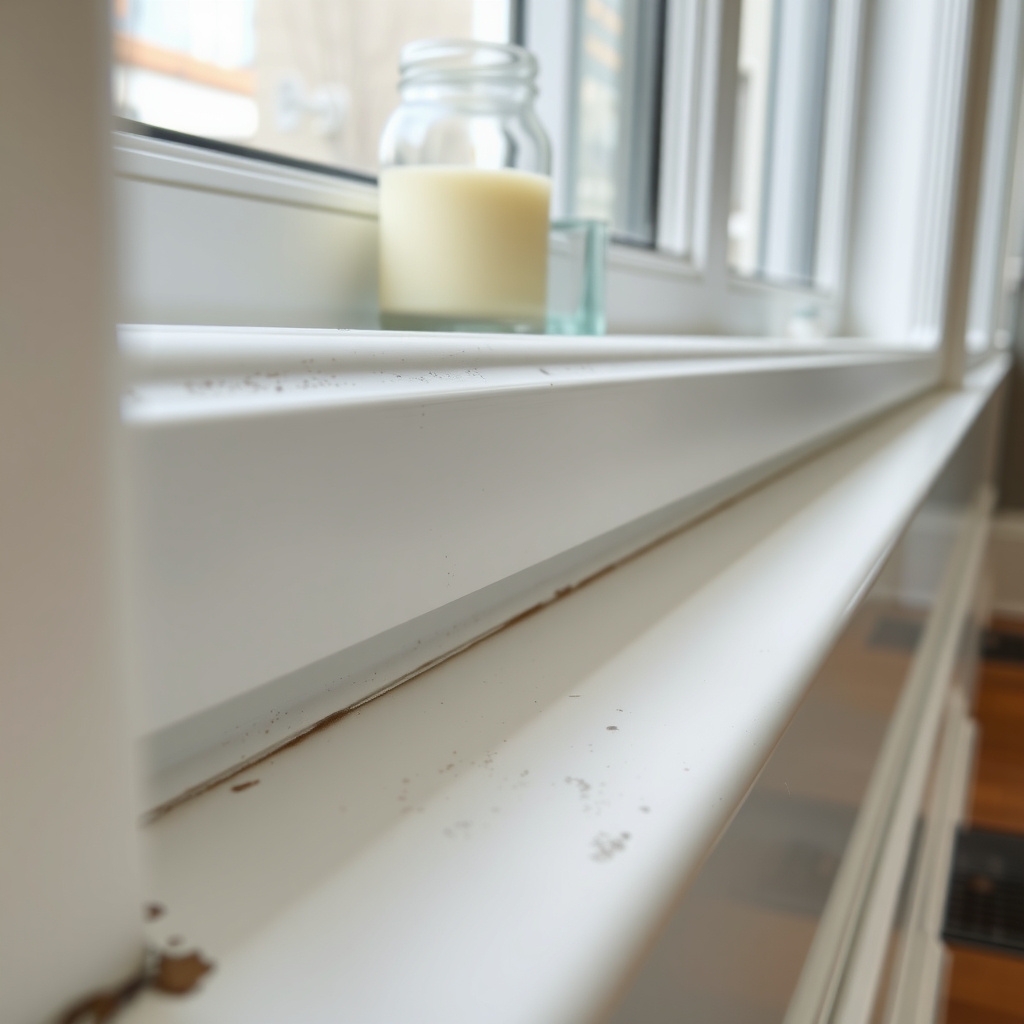
- On windowsills near open windows: outdoor traffic or smoke.
- Only at the supply vents and furnace room: the HVAC system. Check the filter and call a technician.
- Around the stove hood: cooking soot. Run the hood fan.
When black dust is a safety problem
Soot that appears suddenly around a furnace, boiler, water heater or fireplace, a yellow or orange gas flame instead of blue, and an oily or exhaust smell all point to poor burning, and carbon monoxide can be present. If a carbon monoxide alarm sounds or anyone feels dizzy or sick, get everyone outside and call emergency services. Do not relight appliances until a licensed technician checks them.
What to skip
Dry dusters and air-freshening sprays
Dry dusters and feather dusters stir soot into the air to resettle. Sprays that claim to neutralize dust leave a film. Also be wary of duct cleaning offers that begin with scare tactics. Have an HVAC technician look first.
Frequently asked questions
Is black dust in my house dangerous?
Why is there black dust around my vents?
Why is there black dust on my windowsills?
Do scented candles cause black dust?
Related problems
 Free fix inside
Cleaning · House Dust
House Dusty All the Time? 7 Reasons and What Cuts It Most
Read the fix Free fix inside
Cleaning · House Dust
Dust in the Air? What Really Clears It and Which Purifier Specs Matter
Read the fix Free fix inside
Cleaning · House Dust
House Dustier in Winter? Dry Air and Closed Windows Are Part of It
Read the fix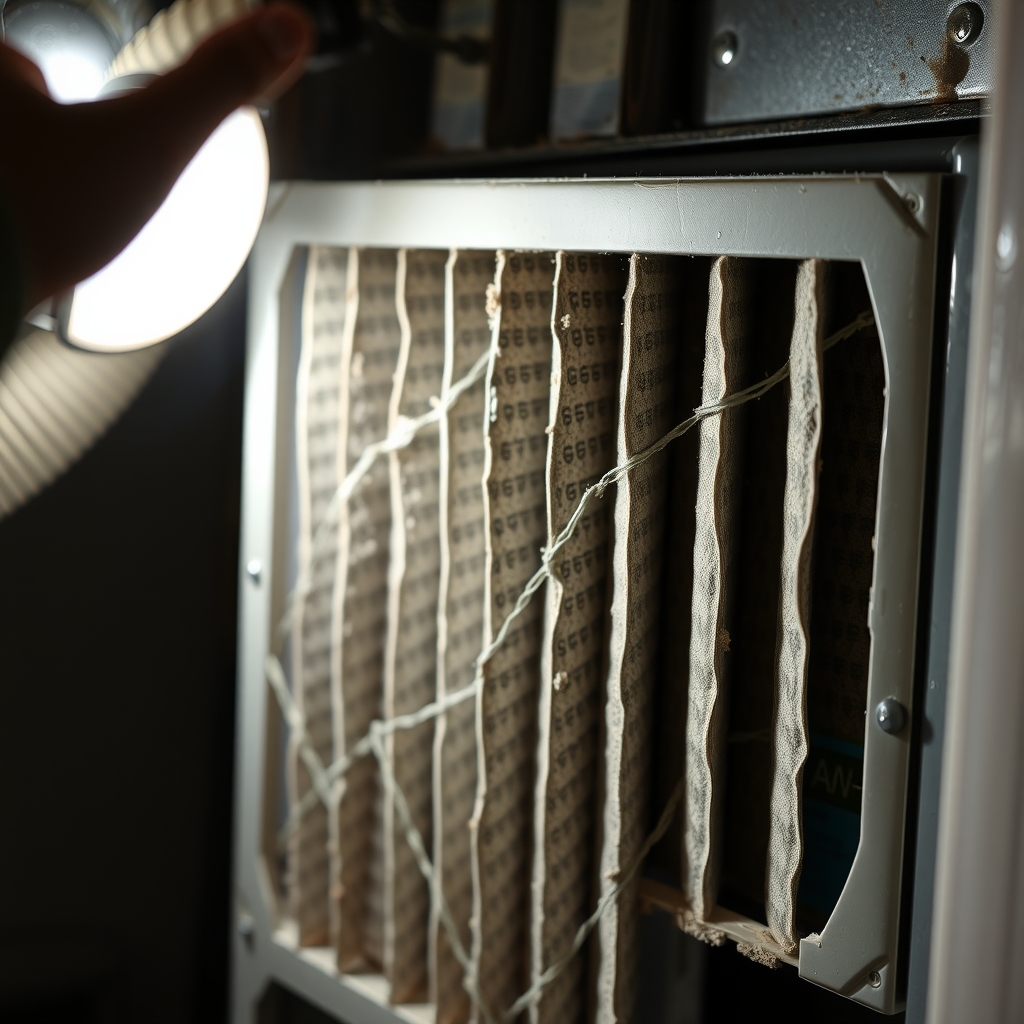 Free fix inside
Cleaning · House Dust
House Smells Dusty When the Heat Comes On? Why and What to Change
Read the fixAs an Amazon Associate I earn from qualifying purchases. Affiliate disclosure