Blinds Get So Dusty? Clean Every Slat at Once With This Tool
Flat slats catch every speck that floats by. A damp sock clears them free, and a multi-slat duster does the whole window in minutes.
By Jamilur Rahman Updated November 5, 2026 · 6 min read
- Time
- 15 min
- Cost
- Under $20
- Difficulty
- Easy
In this guide
Quick answer
Why do my blinds get so dusty? Flat slats work like tiny shelves for the dust that settles from the air, and static on vinyl and metal slats holds it in place. A damp sock or microfiber cloth clears the slats for free in about 15 minutes. A multi-slat blind duster cleans several slats per pass, so the weekly wipe takes five minutes and actually gets done.
Free fix vs. permanent fix
Damp sock or microfiber cloth
- Dust dry first so you do not smear dirt into mud
- Slide a damp sock over tongs, one slat at a time
- Tilt the slats the other way and do the second side
- Rinse the sock when it turns gray
How long it lasts: The blinds look clean for 2 to 4 weeks, then dust settles again. The method works. It is just slow, so many people skip it.

A multi-slat blind duster
The free method cleans one slat at a time. A duster with several microfiber channels wraps a handful of slats at once and covers both sides in a single pass, so the job drops from about 15 minutes to about 5. That is quick enough to repeat every week, which is what stops the buildup.
What to get: Multi-slat blind duster tool
How long it lasts: Years. Washable heads keep the weekly clean fast, so dust never cakes on.
As an Amazon Associate I earn from qualifying purchases.
What you'll need
-
Microfiber cloth or clean sock
Damp, not wet
You have it -
Kitchen tongs
Pinch the cloth around the slat from both sides
You have it -
Old towel
Lay it on the sill and floor to catch falling dust
You have it - Our pick Illustration
Multi-slat blind duster
Cleans several slats per pass and rinses clean
- Illustration

Microfiber duster mitt
A low-cost option for small windows
Why it happens
Flat slats act as shelves
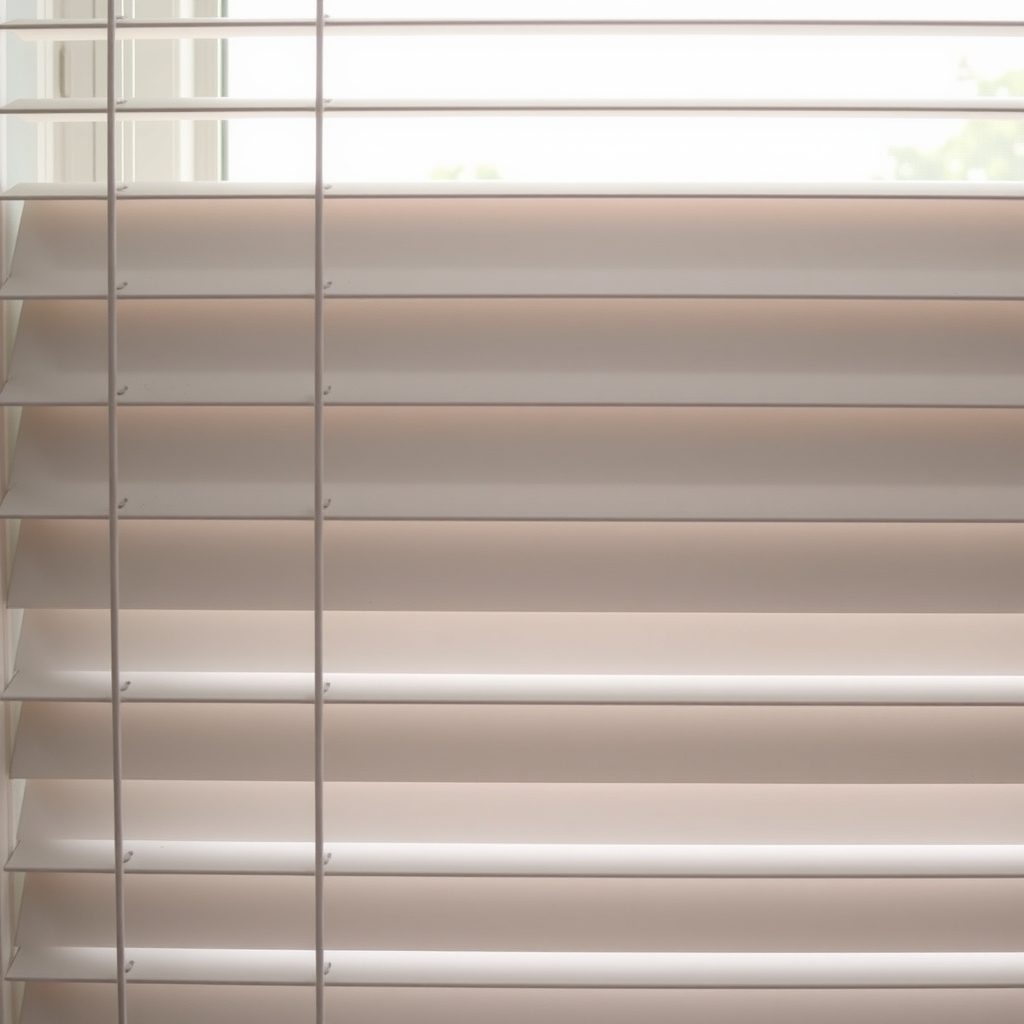
Horizontal slats are small ledges. Dust floating in the room settles on them, and a single window can have two dozen shelves to fill.
Static on plastic and metal
Vinyl and aluminum slats pick up static, which holds dust against the surface instead of letting it fall. A dry feather duster flicks it into the air, and it lands again by morning.
Moving air from vents and windows
Blinds sit next to heating vents, open windows and drafts. Moving air carries dust to them. Blinds in kitchens also catch cooking vapor that turns dust into a sticky film.
Months between cleanings
Left for a season, dust mixes with humidity and grease into a film that a dry wipe will not lift. Light dust comes off in one pass, which is why cleaning often is easier than cleaning rarely.
Try this first (free)
Do these in order, starting with the simplest.
-
Dust dry first, top to bottom
Tool used: Microfiber cloth or clean sockTilt the slats closed so they face down, then wipe each one with a dry microfiber cloth or a vacuum brush, working from the top. Wetting thick dust only turns it to mud.
-
Pull a damp sock over the tongs
Tool used: Kitchen tongsSlip a clean sock over each tong arm, wet it with water and one drop of dish soap, and pinch a slat between the arms. Slide from one end to the other. Rinse the sock when it turns gray.
-
Catch the fallout
Tool used: Old towelLay an old towel over the sill and floor before you start. Loose dust falls as you work, and you do not want it back on the carpet.
-
Flip the slats and repeat
Tilt them the other way and clean the second side. Then wipe the headrail, the cords and the bottom bar, where dust piles up and drops onto clean slats.
-
Make it a five-minute weekly pass
Tool used: Multi-slat blind dusterA light dusting once a week beats a deep clean every three months. A multi-slat duster makes the weekly pass quick enough to keep up.
IllustrationCheck price on AmazonTool for this step
Multi-slat blind duster · Cleans several slats per pass and rinses clean
When free fixes aren't enough
If dust comes back within days, look at the source: a vent aimed at the blinds, an open window or a dusty carpet nearby. If the slats feel sticky, that is cooking grease, and a damp cloth with a little dish soap clears it. The honest case for a tool is speed. A sock cleans one slat at a time, and most people give up halfway down a big window. A multi-slat duster covers more per pass, so the job gets finished, and that is what keeps dust from building up.
Buy the fix
Still stuck after the free fixes? These are the products we would look at.
| Pick | Product | Fixes | Who it's for | Buy |
|---|---|---|---|---|
| Best pick | Multi-slat blind duster tool | slow, slat-by-slat dusting that never gets finished | Anyone with several windows of horizontal blinds, or with tall windows that are awkward to reach. | Check price |
| Budget pick | Microfiber duster mitt | dust on a few small windows without buying a long tool | People with one or two small windows who want the lowest-cost option. | Check price |
Multi-slat blind duster tool
Fixes: slow, slat-by-slat dusting that never gets finished
Look for: Several washable microfiber channels so one pass cleans multiple slats; A flexible or hinged head that fits tight slats; A handle you can angle for tall or high windows; Heads that come off for machine washing.
- Who it's for
- Anyone with several windows of horizontal blinds, or with tall windows that are awkward to reach.
- Honest downside
- Your blinds are fabric, cellular or woven wood. Vacuum those with a brush instead.
Microfiber duster mitt
Fixes: dust on a few small windows without buying a long tool
Look for: Machine-washable microfiber; A snug fit on your hand or fingers; Thin enough to slide between slats.
- Who it's for
- People with one or two small windows who want the lowest-cost option.
- Honest downside
- You have many large windows. You will want a tool that cleans several slats at once.
As an Amazon Associate I earn from qualifying purchases. We don't show prices because they change, so use the button to see today's price.
How we picked: How we picked: this page is based on blind-care guides from window covering makers, cleaning-tool instructions, and the problems and fixes people report in owner reviews. We do not test products by hand.
Match the method to your blinds
- Vinyl or aluminum: dry dust, then a damp cloth. Safe for the sock method or a duster tool.
- Faux wood: a barely damp cloth, dried right away. Avoid soaking.
- Real wood: dry microfiber only, or a very lightly damp cloth with the slats dried at once.
- Fabric, cellular or woven wood: vacuum with a soft brush attachment. Do not use water or a damp sock.
A five-minute weekly routine
Close the slats so they face down, wipe from top to bottom, flip them and wipe again. Finish with the headrail. Once a month, do the damp pass. A short routine you will really do beats a long one you will skip.
What to skip
Feather dusters and furniture polish
A feather duster pushes dust into the air, and it settles on the slats again by the next morning. Skip furniture polish on blinds too, since it can leave a film that attracts more dust.
Frequently asked questions
How often should I clean my blinds?
Why do my blinds get dusty so fast even after I clean them?
Can I wash blinds in the bathtub?
What is the best way to clean wood or faux wood blinds?
Related problems
 Free fix inside
Cleaning · House Dust
House Dusty All the Time? 7 Reasons and What Cuts It Most
Read the fix Free fix inside
Cleaning · Blinds
Blinds Won't Stay Up? Replace the Cord Lock, Not the Blind
Read the fix Free fix inside
Bedroom & Sleep · Bedroom Air
Bedroom Always Dusty? The Weekly Habit and the Right Purifier
Read the fix Free fix inside
Bedroom & Sleep · Bedroom Curtains
Bedroom Curtains Not Blocking Light? What Blackout Really Means
Read the fixAs an Amazon Associate I earn from qualifying purchases. Affiliate disclosure