Blinds Won't Stay Up? Replace the Cord Lock, Not the Blind
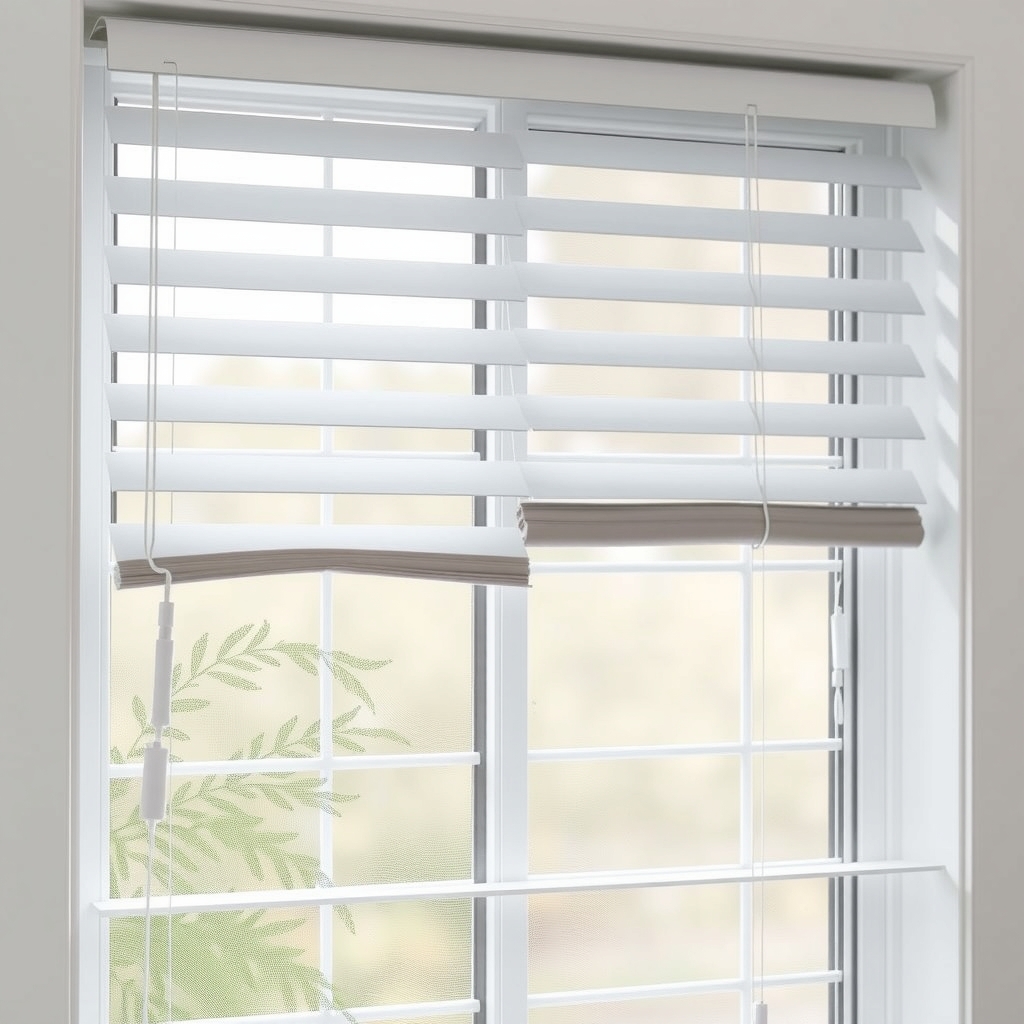
Blinds drop when the cord lock in the headrail jams or wears out. Free checks come first, then a new cord lock takes about 20 minutes.
By Jamilur Rahman Updated November 5, 2026 · 7 min read
- Time
- 20 min
- Cost
- Under $20
- Difficulty
- Medium
In this guide
Quick answer
Corded blinds stay up because a small cord lock in the headrail clamps the lift cords. When the lock is dirty, jammed or worn, it lets go and the blind drops. Untangle the cords and clean the lock first. If the blind still creeps down, the lock itself is worn, and replacing that one part is faster and cheaper than replacing the blind.
Free fix vs. permanent fix
Untangle the cords and clean the lock
- Check both lift cords for knots, twists and fraying
- Brush or blow dust out of the lock
- Raise the blind and pull the cord out at an angle to lock it
- Keep oil and grease away from the lock
How long it lasts: A jam or tangle is fixed for good. A worn lock may hold for days or weeks and then fail again.
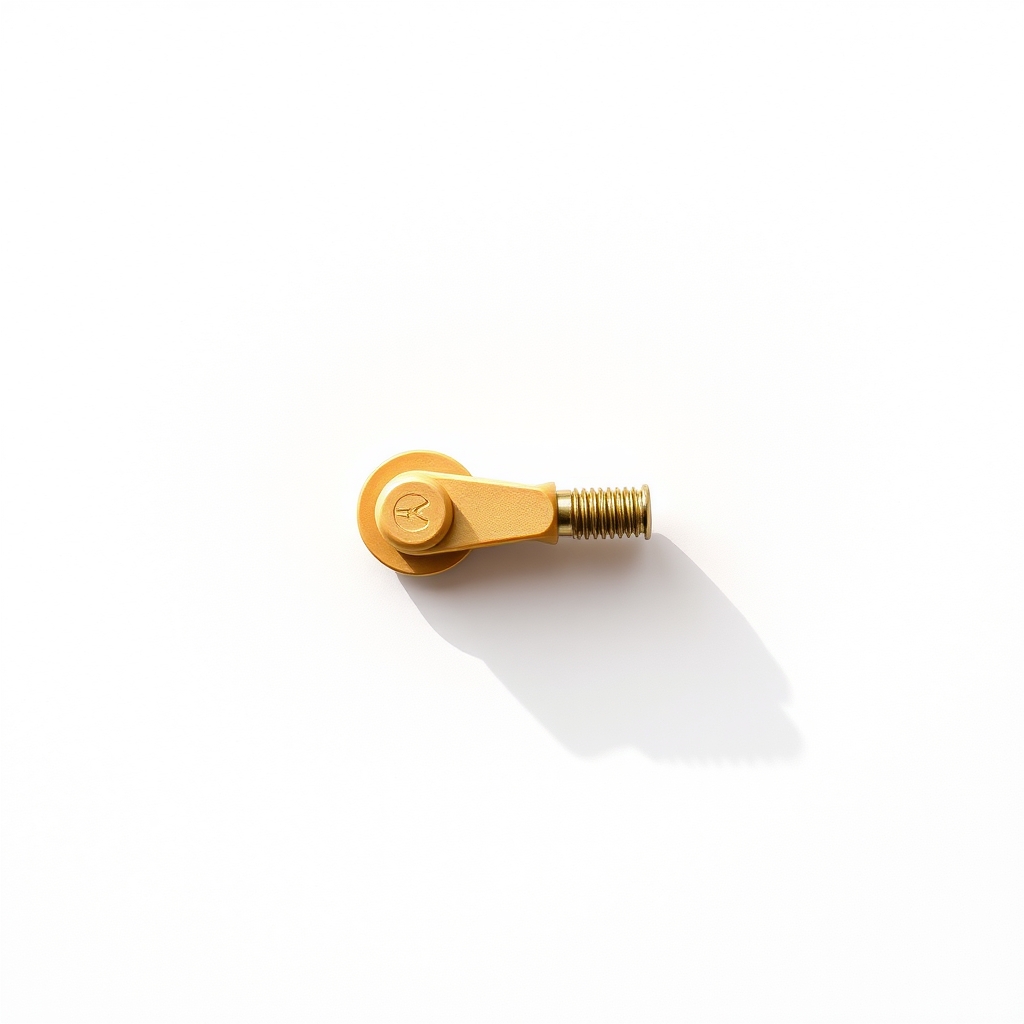
A replacement cord lock
Cleaning cannot restore teeth that have worn smooth. A new cord lock grips the lift cords again, so the blind stays where you leave it, and you keep the blind you already like.
What to get: Blind cord lock repair kit
How long it lasts: Years. A new lock grips the cords like the original did.
As an Amazon Associate I earn from qualifying purchases.
What you'll need
-
Small flashlight
To see the lock inside the headrail
You have it -
Needle-nose pliers
For knots and tight clips
You have it - Our pick Illustration
Replacement cord lock
Match the cord thickness and headrail size
- Illustration
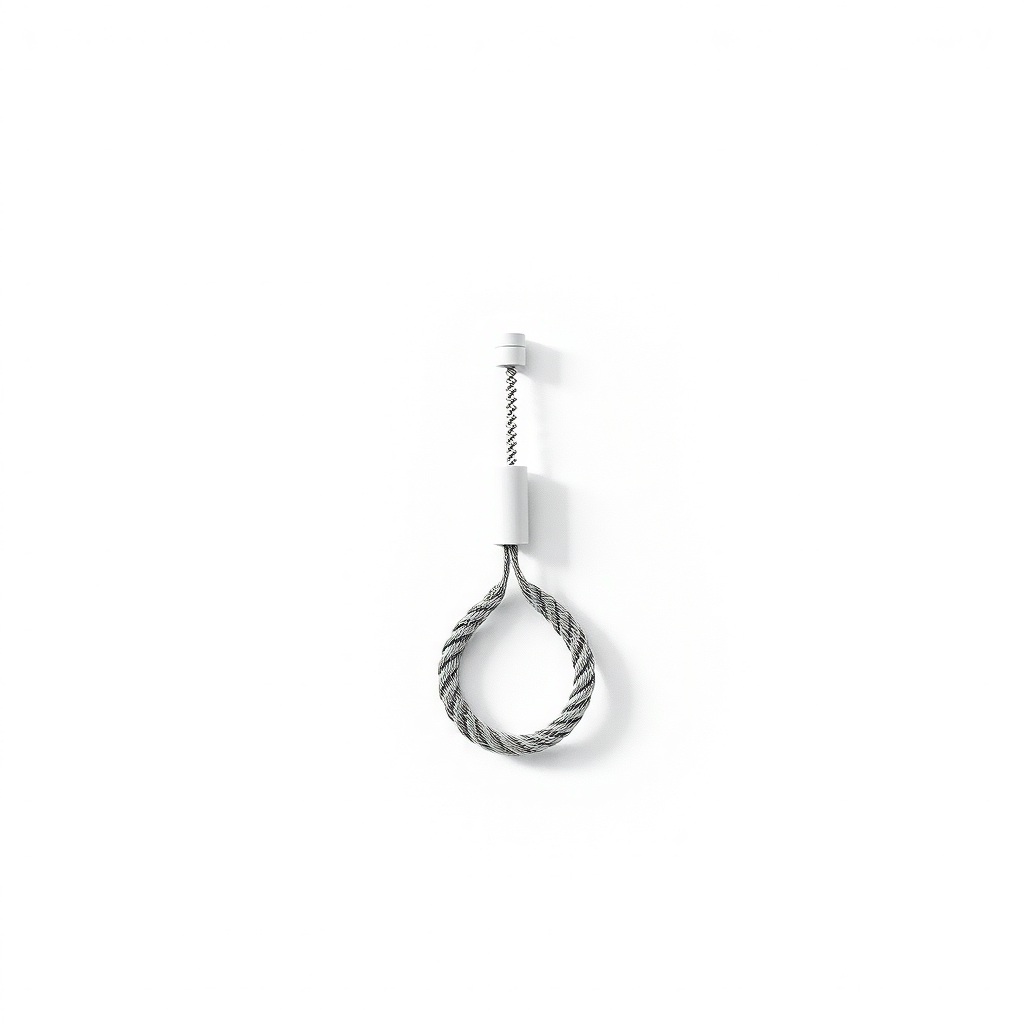
Replacement lift cord
Only if the cord is frayed or too thin to grip
- Illustration
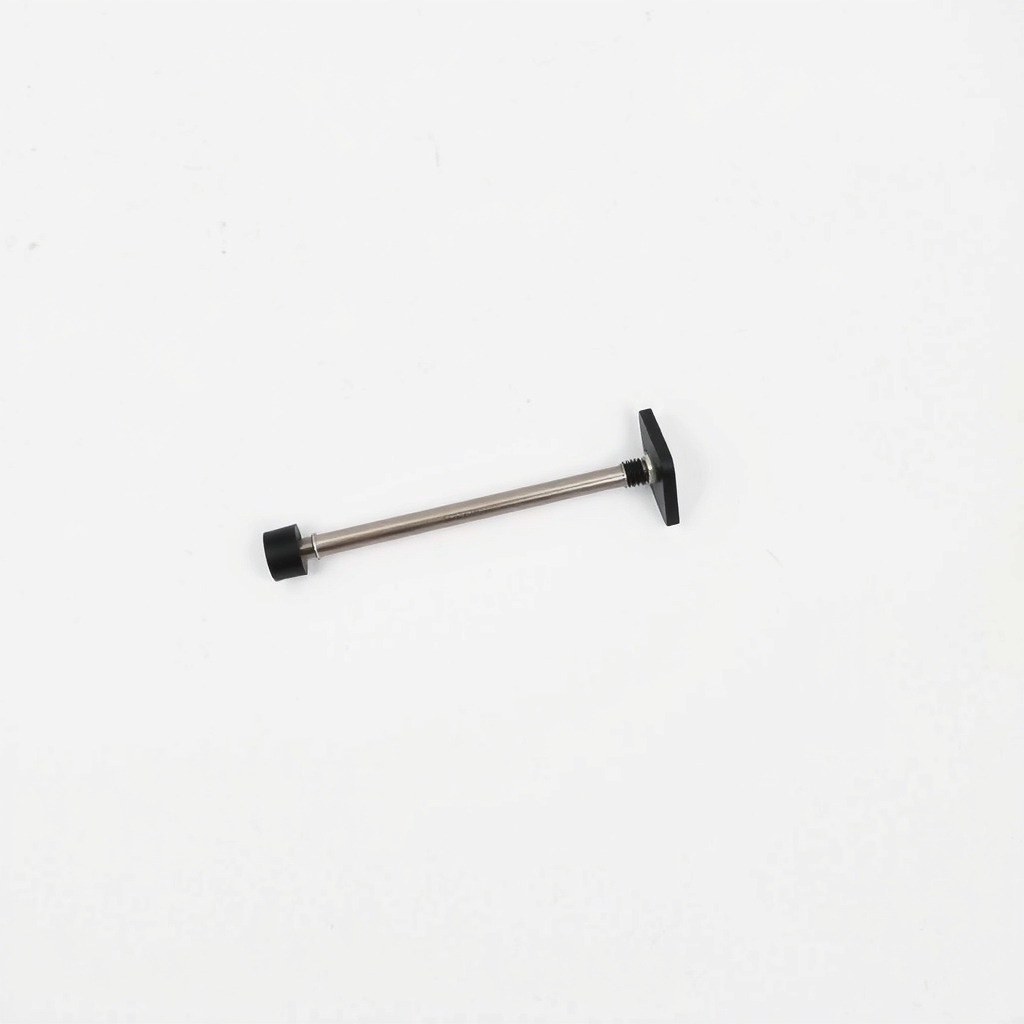
Replacement tilt mechanism
For blinds whose wand turns but slats do not
Why it happens
Worn lock teeth
A cord lock clamps the cords with a small wedge. After thousands of pulls it wears smooth and cannot grip, and the blind slides down.
Dust and grime in the lock
Dirt in the lock stops the wedge from seating, so the cord slips through. This one is easy to clear.
Knotted, twisted or frayed cords
A knot can hold the lock open. A frayed cord is thinner and slips.
A bent or dented headrail
A dent can stop the lock from moving freely, so it does not catch when you let go.
Try this first (free)
Do these in order, starting with the simplest.
-
Check the cords for knots and fraying
Lower the blind fully and look at both lift cords. Untangle knots and twists. If a cord is badly frayed, plan to replace it.
-
Look at the lock and clear it
Tool used: Small flashlightRaise the blind and shine a light into the headrail where the cords pass through. Brush out dust with a dry brush or blow it out. Avoid oil, since it attracts dust and can make the lock slip.
-
Test the lock
Raise the blind two-thirds of the way. Pull the cord out to an angle and release it slowly. Most cord locks hold when the cord is angled. If the blind drops, the lock is not gripping.
-
Take the blind down and open the headrail
Tool used: Needle-nose pliersPhotograph how the cords run through the headrail before you touch anything. Then pry off the end cap. A tight knot or a stubborn clip can be worked loose with needle-nose pliers. Pull gently so you do not bend the headrail.
-
Replace the cord lock
Tool used: Replacement cord lockUndo the knot and pull out the old lock. Thread the cords through the new lock the same way as the photo shows, retie the knot and snap the cap back.
IllustrationCheck price on AmazonTool for this step
Replacement cord lock · Match the cord thickness and headrail size
-
Rehang and test
Hang the blind and raise it all the way, then partway, pulling slowly. It should hold at any height when you release the cord at an angle.
When free fixes aren't enough
Cleaning and untangling fix a jam, but they cannot rebuild worn teeth. If the blind holds for a day and then drops, or the lock looks smooth and shiny, it is worn out. A replacement cord lock is the lasting fix. It will not fix a bent headrail, brittle plastic that cracks when you touch it, or slats that are broken. If the whole blind is old and cracked, replace it.
Buy the fix
Still stuck after the free fixes? These are the products we would look at.
| Pick | Product | Fixes | Who it's for | Buy |
|---|---|---|---|---|
| Best pick | Blind cord lock repair kit | blinds that slide down because the lock has worn out | Anyone whose blind will not hold a position even after the cords are untangled and the lock is clean. | Check price |
| Budget pick | Replacement lift cord for blinds | frayed or snapped cords that cannot grip the lock | People whose lock is fine but whose cord is frayed or broken. | Check price |
| Upgrade pick | 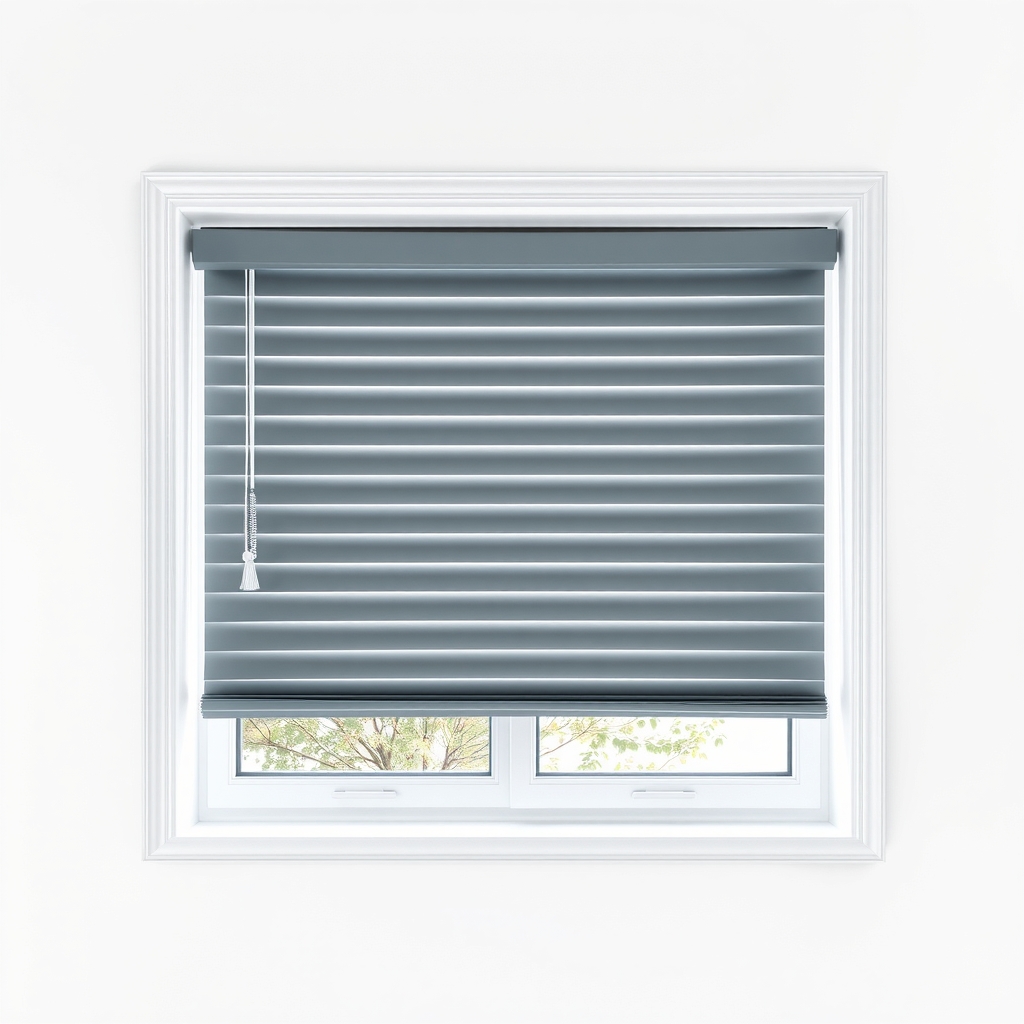 Cordless blinds, cut to your window size | worn blinds and the safety risk of hanging cords | Homes with young kids or pets, or blinds that are old and brittle. | Check price |
Blind cord lock repair kit
Fixes: blinds that slide down because the lock has worn out
Look for: Sized for the cord thickness of your blind; Sized for your headrail, so check the width first; Metal or sturdy plastic teeth that grip; Sold with a few spare locks if possible.
- Who it's for
- Anyone whose blind will not hold a position even after the cords are untangled and the lock is clean.
- Honest downside
- The headrail is bent or cracked, or the blind is a cordless model. A cord lock will not help.
Replacement lift cord for blinds
Fixes: frayed or snapped cords that cannot grip the lock
Look for: A thickness that matches your old cord; Braided, not twisted, so it does not fray; Enough length for the full drop of your blind, plus slack.
- Who it's for
- People whose lock is fine but whose cord is frayed or broken.
- Honest downside
- The lock itself is worn. New cord in a worn lock will still slip.
Cordless blinds, cut to your window size
Fixes: worn blinds and the safety risk of hanging cords
Look for: Measured to fit your window; A cordless lift, with no dangling cords; A headrail that matches your mounting brackets, or a full set of new brackets.
- Who it's for
- Homes with young kids or pets, or blinds that are old and brittle.
- Honest downside
- Your blinds are in good shape apart from the lock. A new lock is far cheaper.
As an Amazon Associate I earn from qualifying purchases. We don't show prices because they change, so use the button to see today's price.
How we picked: How we picked: this page is based on window blind repair guides, parts instructions from blind makers, child-safety guidance on window cords, and the problems and fixes people report in reviews. We do not test products by hand.
Blinds that will not turn, open or close
- Wand turns but the slats stay put: the tilt gear inside the headrail has worn out. A replacement tilt mechanism fits inside the headrail. Match the shape of the old one.
- Wand is stiff or stuck: look for a slat jammed in the ladder strings, or a twisted tilt cord.
- Blind will not rise past a certain point: a knot or snag where the cord passes through the slats. Free it by hand.
- Roller shade keeps rolling down: a chain roller shade is held by a clutch that can wear out. A spring roller shade may need its tension reset. Lift it off the brackets, roll it up or down a few turns by hand and replace it.
What to skip
Taping, clamping or tying the cords
Tape or a clothespin on the cord holds the blind for a day and then slips. Tying the cord around a cleat while the blind is up is fine as a short-term holder, but it does not fix the lock.
Frequently asked questions
Why do my blinds not stay up?
Can I fix blinds without replacing them?
Are blind cords dangerous?
Why does my blind drop only on one side?
Related problems

As an Amazon Associate I earn from qualifying purchases. Affiliate disclosure