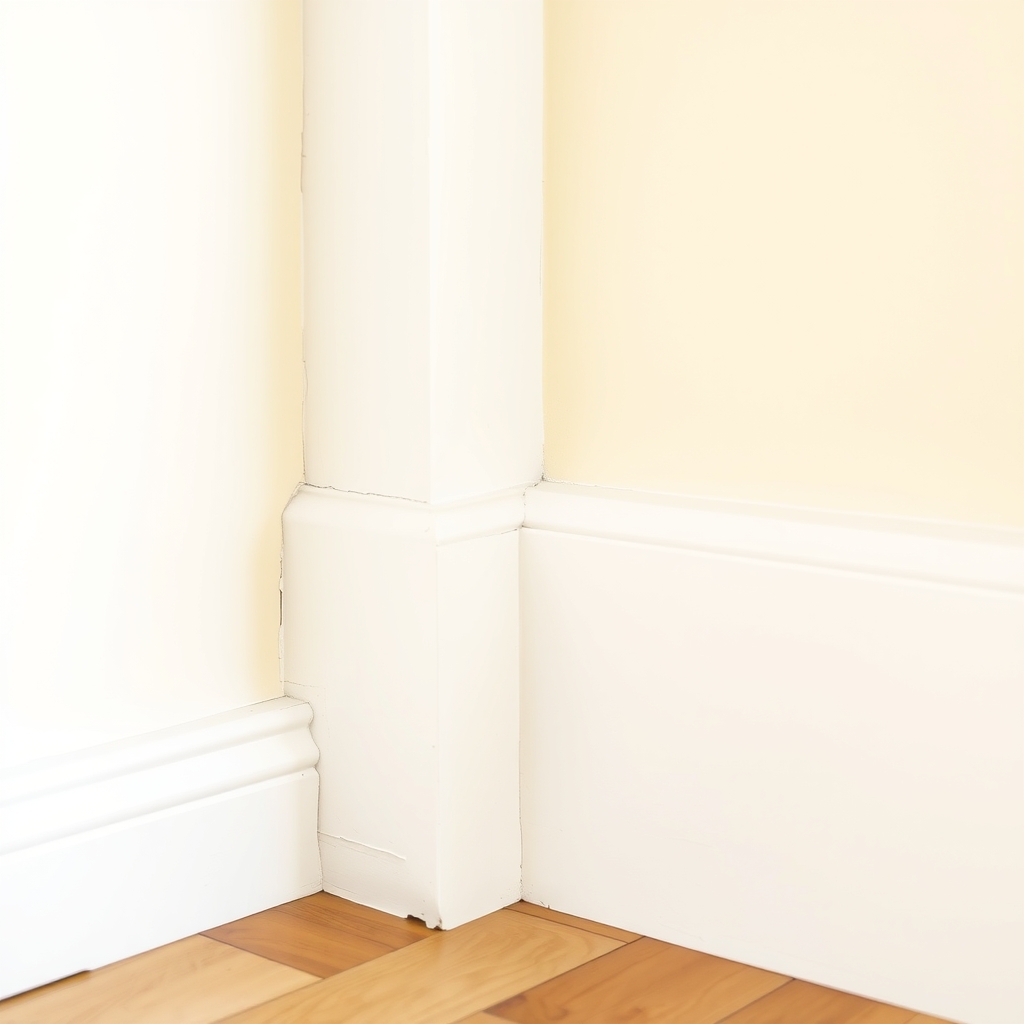
Baseboards Turning Yellow? Why It Happens and the Paint Fix
Yellow trim is usually grime on the paint or old oil paint aging. Wash it first; if it stays, seal it with a stain-blocking primer and repaint.
By Jamilur Rahman Updated November 5, 2026 · 6 min read
- Time
- A weekend, with dry time
- Cost
- $20-$50
- Difficulty
- Medium
In this guide
Quick answer
Why are my baseboards turning yellow? Usually old oil-based paint aging, grease and dirt on the surface, or wood tannins bleeding through the paint. Wash the trim with a degreaser first, since many stains lift off. If the yellow stays, scuff the paint, seal it with a stain-blocking primer and repaint with semi-gloss trim paint.
Free fix vs. permanent fix
Wash and degrease the trim
- Wipe with warm water and a drop of dish soap
- Compare to a clean spot behind a door
- Try a degreaser or TSP substitute on stubborn film
- If the yellow stays, the paint is the problem
How long it lasts: For good, if the yellow is grime. Not at all if the paint itself has yellowed.
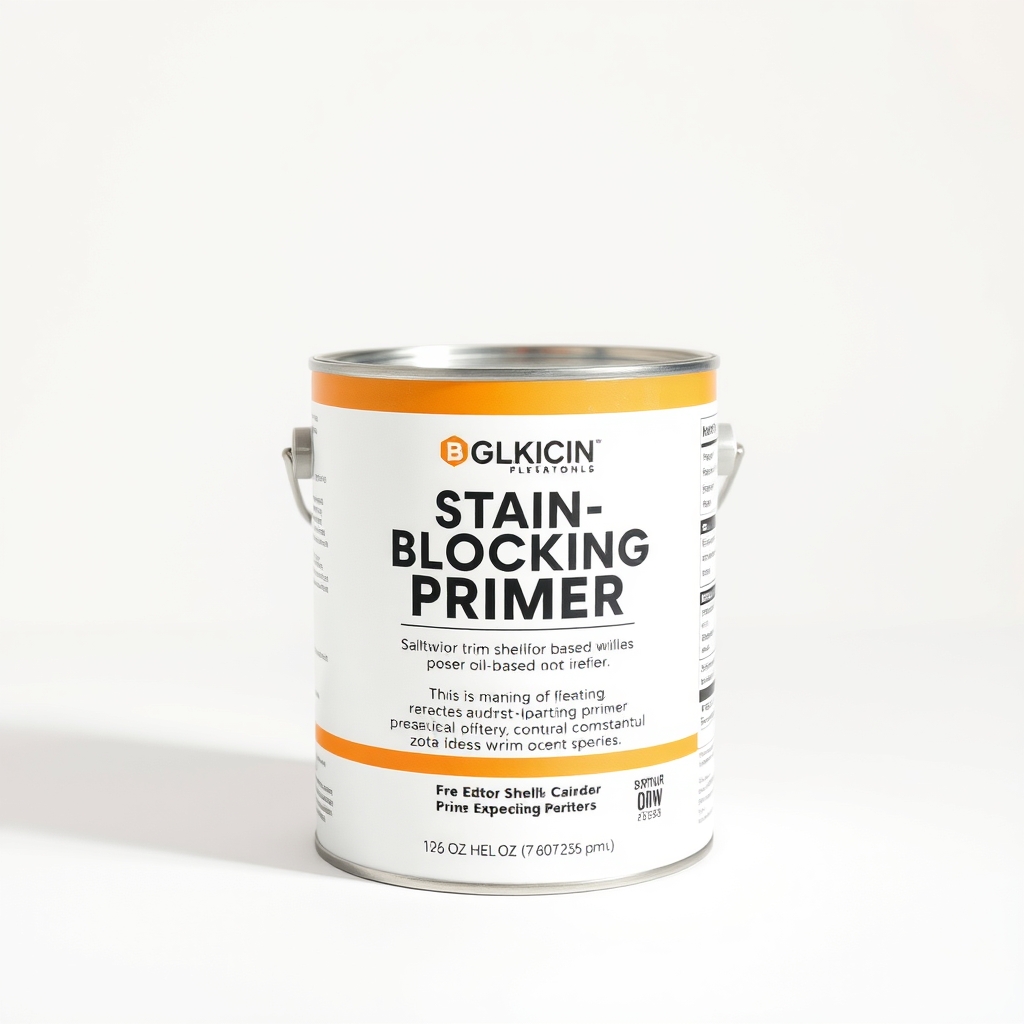
Stain-blocking primer, then trim paint
Yellowed oil paint and tannin stains bleed through a plain coat of new paint. A stain-blocking primer seals them in, and a fresh coat of water-based semi-gloss covers it with a washable finish.
What to get: Stain-blocking primer, shellac-based or oil-based, for interior trim
How long it lasts: Years. The primer seals the stain, and water-based trim paint resists yellowing.
As an Amazon Associate I earn from qualifying purchases.
What you'll need
-
Dish soap and warm water
First test: is it grime or paint?
You have it - Illustration
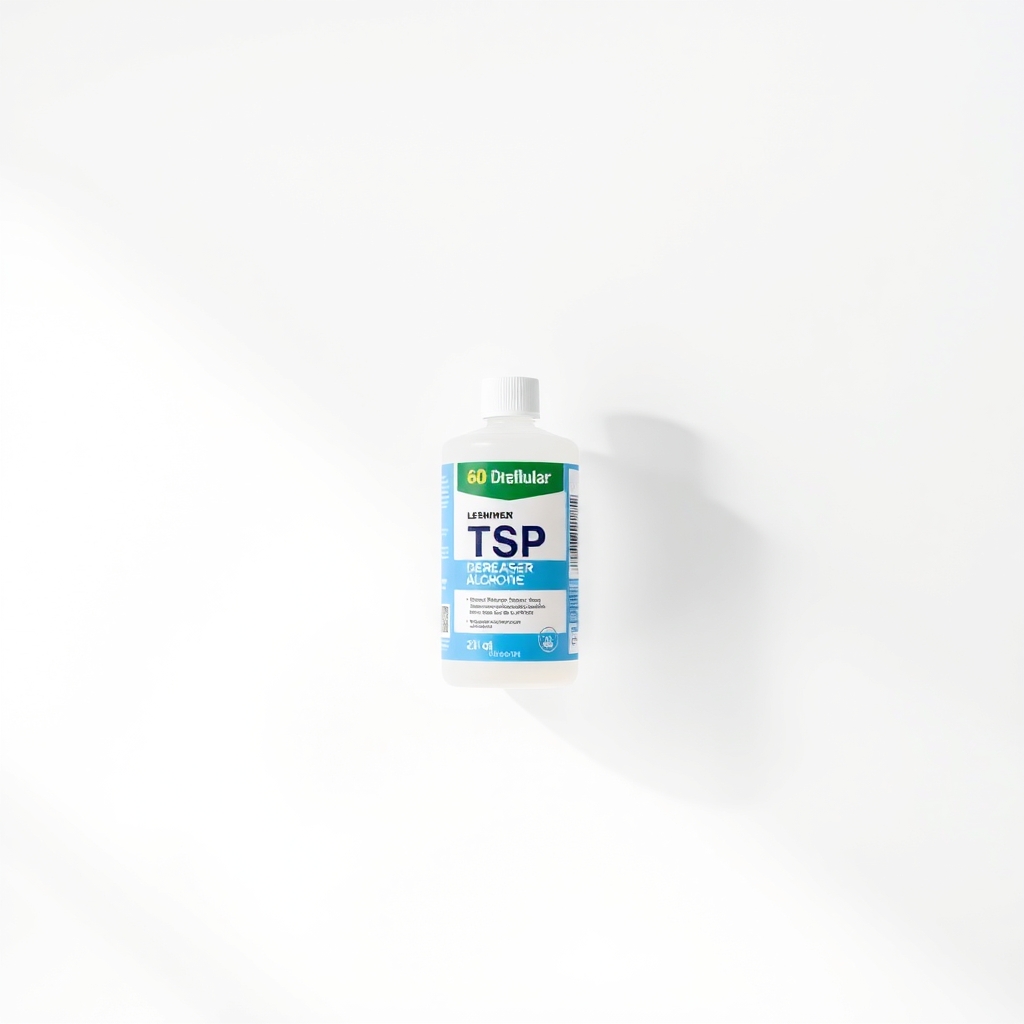
Degreaser or TSP substitute
Cuts grease and smoke film; wear gloves
-
Fine sanding sponge
A light scuff so primer sticks
You have it - Illustration
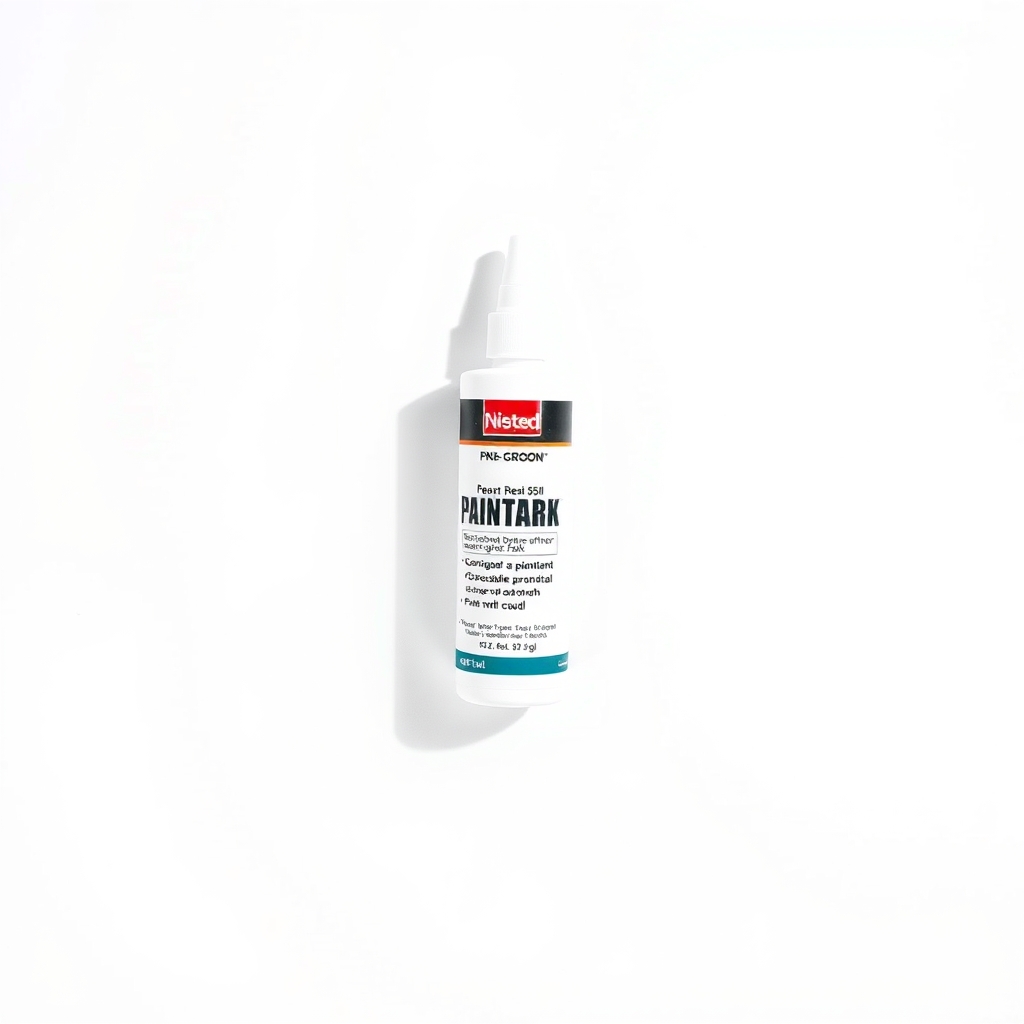
Paintable caulk
Seals the top seam so the new paint looks clean
- Our pick Illustration
Stain-blocking primer
Seals yellow and brown stains under new paint
- Illustration
Semi-gloss trim paint
Water-based paint that wipes clean
Why it happens
Old oil-based paint aging
Oil-based (alkyd) trim paint yellows over time, most in low-light rooms and on whites and creams. It is not dirt, and washing will not fix it.
Grease, smoke and hand oils
Cooking grease, smoke, candle soot and skin oils form a yellow film on trim, especially near kitchens and doorways.
Wood tannins bleeding through
Woods such as oak, pine and cedar hold tannins that seep through paint and show as yellow or brown stains.
Moisture and mopping
Water from mops, leaks or steam can lift tannins in wood trim and leave a brown stain. If the trim is soft or swollen, find the water source first.
Try this first (free)
Do these in order, starting with the simplest.
-
Test a small spot
Tool used: Dish soap and warm waterWipe one spot with warm water and dish soap, dry it and compare it to an untouched spot behind a door. If the yellow wipes off, it is grime. If not, the paint itself has yellowed.
-
Degrease the whole baseboard
Tool used: Degreaser or TSP substituteWash with a degreaser or TSP substitute following the label, and wear gloves. Rinse with clean water and let the trim dry fully, which often takes a few hours.
IllustrationCheck price on AmazonTool for this step
Degreaser or TSP substitute · Cuts grease and smoke film; wear gloves
-
Scuff the surface
Tool used: Fine sanding spongeIf the yellow remains, rub lightly with a fine sanding sponge until the sheen is dull, then wipe off the dust. In a home built before 1978, test for lead paint before you sand.
-
Caulk the gaps and tape the wall
Tool used: Paintable caulkRun paintable caulk along the top seam, smooth it and let it dry as the label says. Tape the wall edge and lay a drop cloth along the floor.
IllustrationCheck price on AmazonTool for this step
Paintable caulk · Seals the top seam so the new paint looks clean
-
Prime, then paint two thin coats
Tool used: Stain-blocking primerBrush on the stain-blocking primer and let it dry as directed. Then apply two thin coats of water-based semi-gloss trim paint with an angled brush. Ventilate the room well.
IllustrationCheck price on AmazonTool for this step
Stain-blocking primer · Seals yellow and brown stains under new paint
When free fixes aren't enough
If washing does nothing, or the yellow shows again days after a plain coat of paint, the stain is in the paint film or the wood, and cleaning cannot reach it. Priming is the step that ends it, because a stain blocker seals the discoloration so the new paint stays white. If the trim is soft, swollen or moldy, fix the moisture first or replace that section. Shellac and oil-based primers give off strong fumes, so open windows and keep away from flames. Rags soaked in oil-based products can self-heat, so spread them flat outside to dry.
Buy the fix
Still stuck after the free fixes? These are the products we would look at.
| Pick | Product | Fixes | Who it's for | Buy |
|---|---|---|---|---|
| Best pick | Stain-blocking primer, shellac-based or oil-based, for interior trim | yellow and brown stains that bleed through new paint | Anyone whose trim stays yellow after washing, or whose stain returns through paint. | Check price |
| Budget pick | 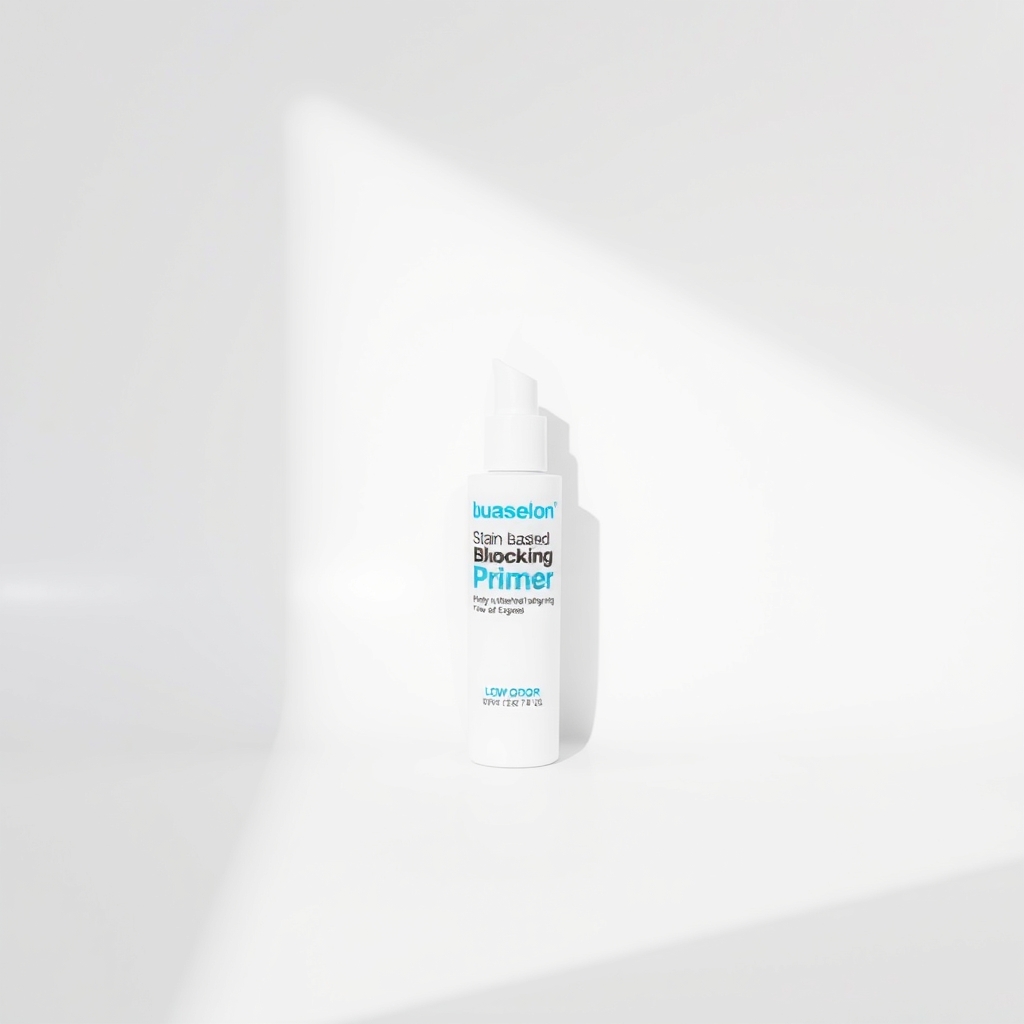 Water-based stain-blocking primer, low odor | light yellowing and grime stains without strong fumes | Anyone with mild yellowing, kids or pets at home, or poor ventilation. | Check price |
Stain-blocking primer, shellac-based or oil-based, for interior trim
Fixes: yellow and brown stains that bleed through new paint
Look for: Labeled to block stains, tannin bleed, smoke and grease; Rated for interior trim and sandable; Sticks to glossy old paint, as the label states.
- Who it's for
- Anyone whose trim stays yellow after washing, or whose stain returns through paint.
- Honest downside
- You cannot ventilate the room well. Choose the water-based primer below instead.
Water-based stain-blocking primer, low odor
Fixes: light yellowing and grime stains without strong fumes
Look for: Labeled stain-blocking for interior surfaces; Low odor; Soap-and-water cleanup.
- Who it's for
- Anyone with mild yellowing, kids or pets at home, or poor ventilation.
- Honest downside
- The stain is dark brown or tannin-heavy. Water-based primers can let it bleed through, so use the shellac or oil-based one.
As an Amazon Associate I earn from qualifying purchases. We don't show prices because they change, so use the button to see today's price.
How we picked: How we picked: this page is based on paint-prep and stain-blocking guides, primer instructions from paint makers, and the stain problems people report in reviews. We do not test products by hand.
Yellow or brown: which stain do you have?
- Even yellow in a dim hallway: aging oil paint.
- Yellow patches near the kitchen or an ashtray: grease or smoke film.
- Brown streaks that show through new paint: tannin bleed from the wood.
- Brown at floor level near a bathroom or exterior door: water. Find the leak before you paint.
What to skip
Plain white paint over the stain
A second coat of ordinary paint hides the yellow for a few days, then the stain bleeds back through. Skip bleach too. It does not lift yellowed paint and can dull the finish.
Frequently asked questions
Why are my baseboards turning brown?
Will baseboards turn yellow again after painting?
What is the best paint for baseboards?
Does bleach or vinegar whiten yellow baseboards?
Related problems
 Free fix inside
Cleaning · Baseboards
Baseboards Always Dusty? A No-Bend Cleaning Tool and a Wipe-Down Habit
Read the fix Free fix inside
Cleaning · Baseboards
Gaps Behind Baseboards? Paintable Caulk Hides Them in 20 Minutes
Read the fix Free fix inside
Cleaning · Baseboards
Baseboards Chewed by Your Dog? Fill, Paint, and Stop Repeat Chewing
Read the fix Free fix inside
Cleaning · Walls
Peeling Paint on Walls? Scrape, Prime, and Repaint So It Sticks
Read the fixAs an Amazon Associate I earn from qualifying purchases. Affiliate disclosure