Peeling Paint on Walls? Scrape, Prime, and Repaint So It Sticks
Paint peels when it never bonded: damp, dirty or glossy walls. Find the cause, scrape the flakes, then prime so the new paint stays put.
By Jamilur Rahman Updated November 5, 2026 · 7 min read
- Time
- Half a day plus drying
- Cost
- $20-$50
- Difficulty
- Medium
In this guide
Quick answer
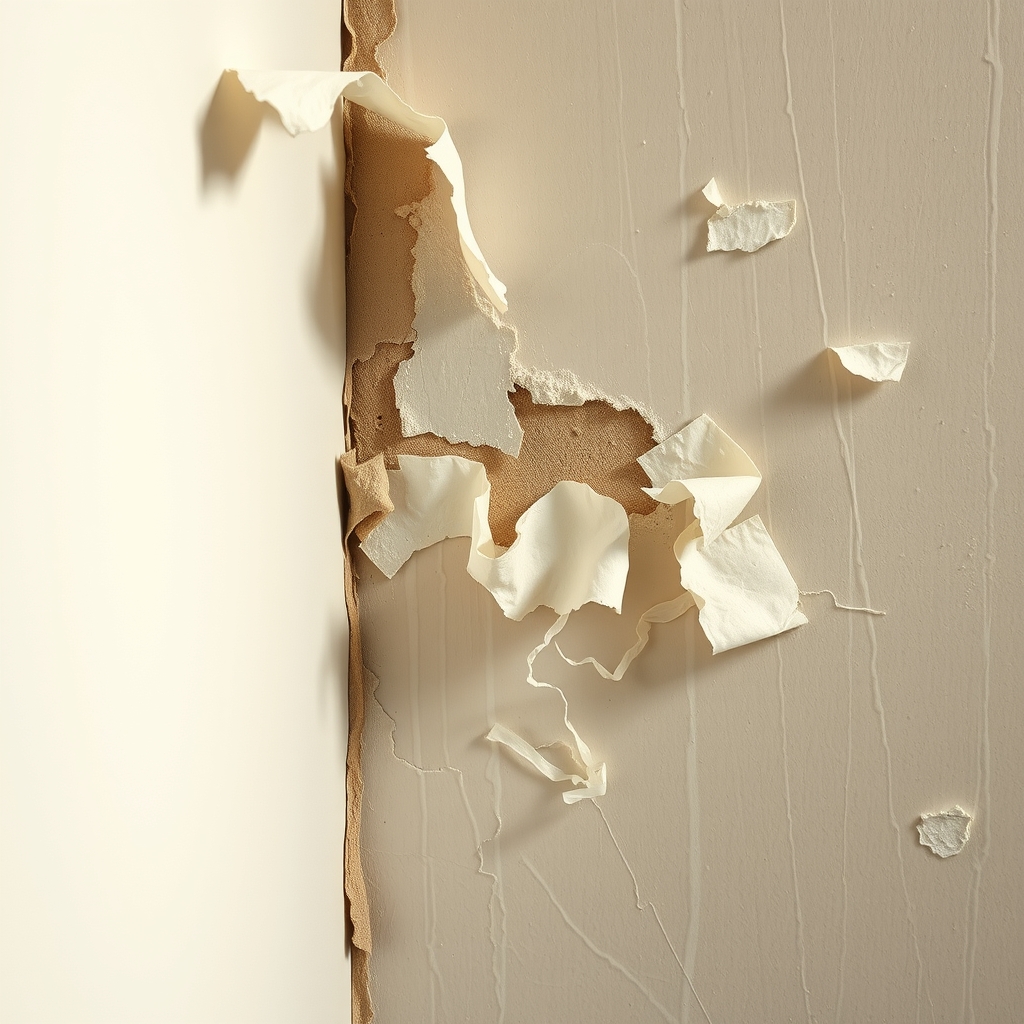
Paint peels because it never bonded. The wall was damp, greasy, dusty or glossy, or the paint went over a different paint type with no primer. Check for moisture first, and in a home built before 1978 test for lead before you scrape. Then remove everything loose, smooth the edges, clean the wall, prime the bare spots with a bonding primer and repaint. The primer is what keeps it from peeling again.
Free fix vs. permanent fix
Scrape, sand and repaint with leftover paint
- Scrape off every loose flake until the edges hold
- Sand the ragged edges smooth
- Wipe off the dust
- Brush on the leftover paint
How long it lasts: Often holds on small, dry patches. On bare plaster, drywall or glossy spots it frequently peels again within months.
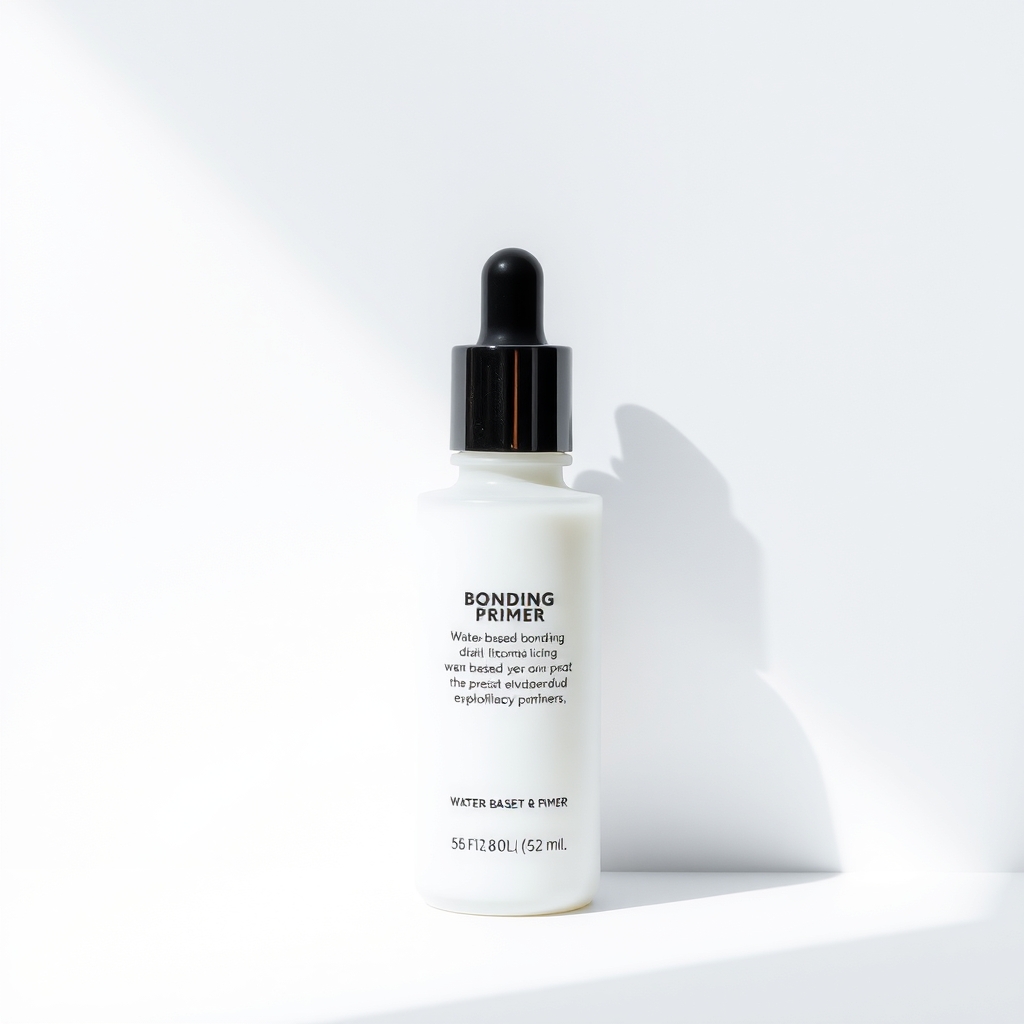
A bonding primer on every bare spot
Peeling means the paint had nothing to grip. A bonding primer sticks to bare, chalky and slick surfaces and gives the topcoat a surface it can hold. Scraping removes what is loose, and primer is what stops the new coat from lifting off the same way.
What to get: Water-based bonding primer
How long it lasts: Years. The primer grips the surface, and your paint grips the primer.
As an Amazon Associate I earn from qualifying purchases.
What you'll need
-
Dust mask (N95)
For dust from scraping and sanding
You have it - Illustration
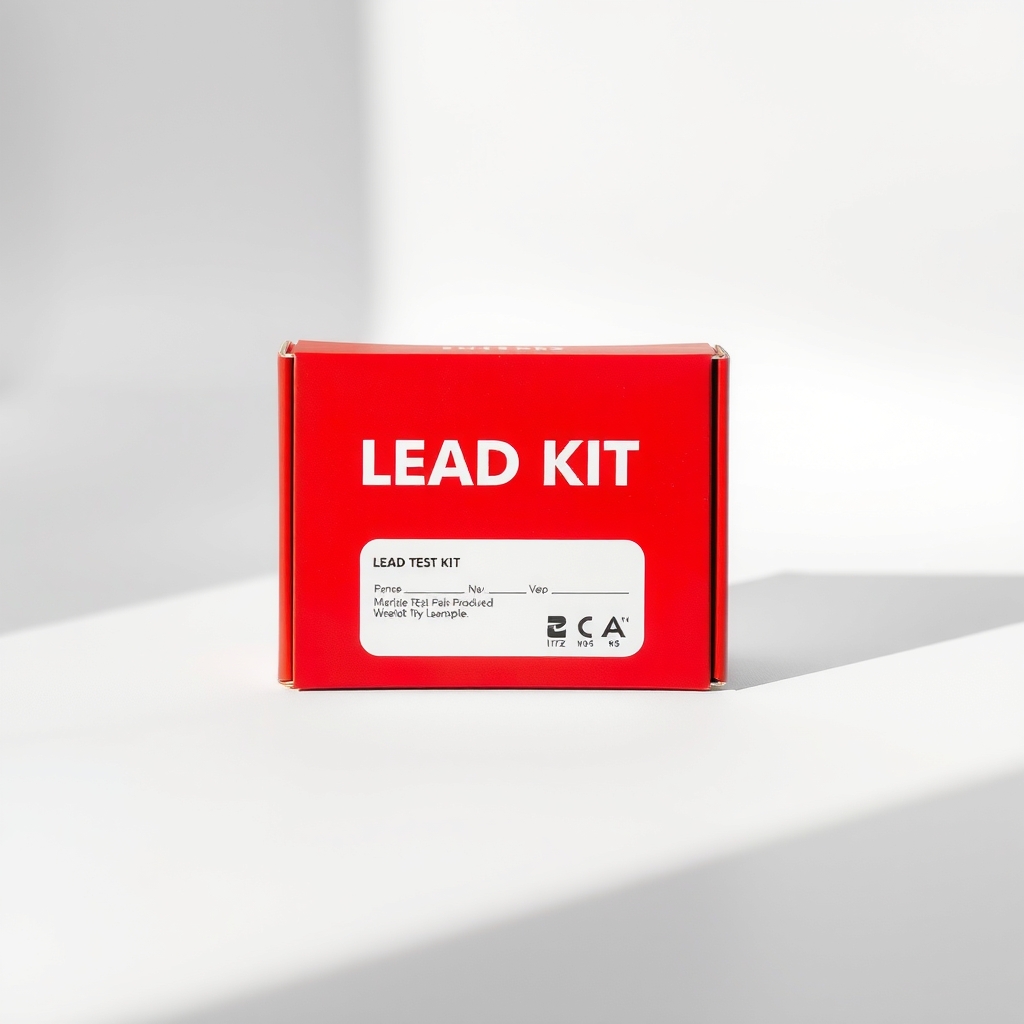
Lead test kit
For homes built before 1978. Test before you scrape
- Illustration
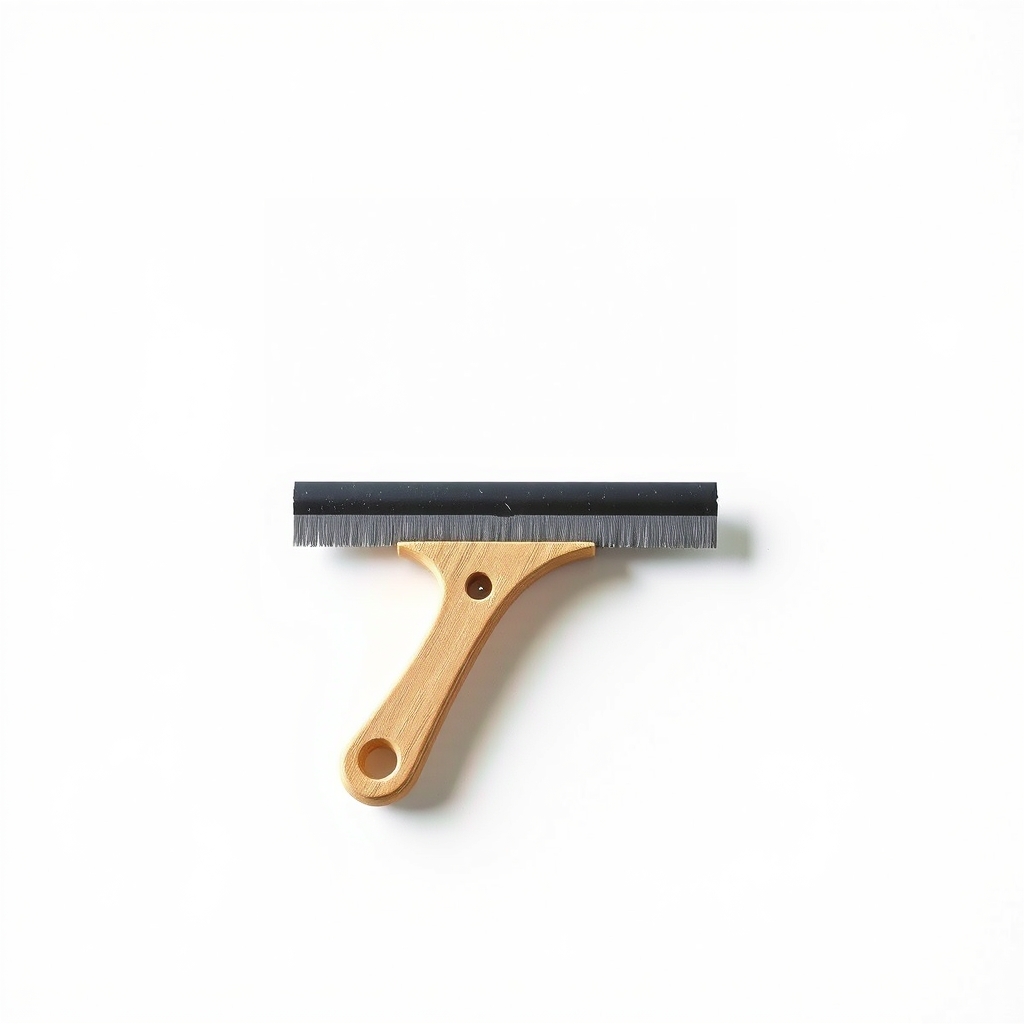
Paint scraper
A stiff blade gets under flakes better than a putty knife
-
Sanding sponge
Medium grit, about 120 to 150. A sanding block works too
You have it - Our pick Illustration
Bonding primer
Water-based and low odor for indoor use
- Illustration
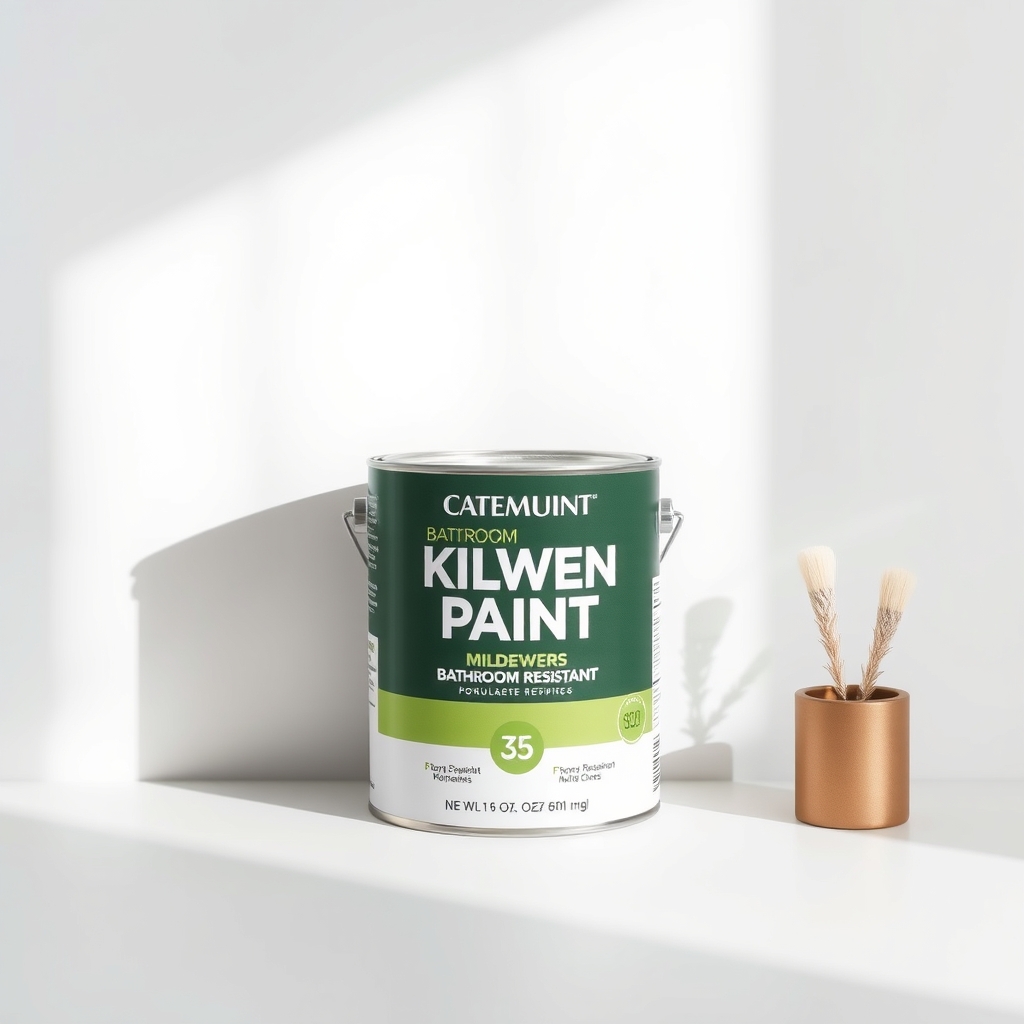
Moisture-resistant paint
For bathrooms, kitchens and laundry rooms
Why it happens
Moisture on or behind the wall
Steam, leaks and damp walls push paint off from behind. Peeling in a bathroom, near a window, under a roof leak or on an outside wall points here. Stained, bubbled or soft paint is a clue. Fix the water first.
Painting over dirt, grease or gloss
Kitchen grease, dust and fingerprints leave nothing for new paint to grip. So does a glossy finish. Water-based paint over a slick surface can peel off in strips.
Latex over oil-based paint without primer
Older homes often have oil-based paint on the walls or trim. Water-based paint applied over it with no primer can peel in sheets a few months later.
Bare patches and thin, cold or damp painting
Fresh patches, bare drywall and chalky plaster soak up paint unevenly, so it dries weak. Painting in cold or damp conditions, or before the wall dried, has the same effect.
Try this first (free)
Do these in order, starting with the simplest.
-
Check for water and test the old paint
Tool used: Lead test kitLook for stains, soft spots and a musty smell, and fix any leak first. If the home was built before 1978, test the paint for lead before you scrape or sand. See the lead section below.
IllustrationCheck price on AmazonTool for this step
Lead test kit · For homes built before 1978. Test before you scrape
-
Scrape off everything loose
Tool used: Paint scraperHold the scraper at a low angle and push under the flakes. Keep going until the remaining edges do not lift when you press them with a fingernail. Wear the mask.
IllustrationCheck price on AmazonTool for this step
Paint scraper · A stiff blade gets under flakes better than a putty knife
-
Smooth the edges and fill gouges
Tool used: Sanding spongeSand the ragged edge until it blends into the bare wall, with no step you can feel. Fill gouges with lightweight spackle, let it dry, and sand it flush.
-
Clean the wall and let it dry
Wipe off the dust with a damp cloth. Wash off any grease with dish soap in warm water, rinse, and let the wall dry fully, usually a few hours, or overnight in a damp room.
-
Prime the bare and patched spots
Tool used: Bonding primerBrush bonding primer over every bare or patched area, extending slightly past the edges onto sound paint. Let it dry as the can says before you paint.
IllustrationCheck price on AmazonTool for this step
Bonding primer · Water-based and low odor for indoor use
-
Repaint in two thin coats
Apply two thin coats, waiting the time on the can between them. In a steamy room, choose a paint made for bathrooms or kitchens. Paint to a natural break, such as a corner, so the patch does not show.
When free fixes aren't enough
Leftover paint over bare patches is the weak link. Bare plaster, drywall and old glossy or oil-based paint reject plain latex, which is why free repaints so often peel again. A bonding primer is made to grip those surfaces. In a steamy room, a moisture-resistant paint on top slows the next round of peeling. If it peels again after priming, bubbles over a large area, the wall feels soft, or you see mold across more than about 10 square feet, the water is coming from inside the wall. Call a pro.
Buy the fix
Still stuck after the free fixes? These are the products we would look at.
| Pick | Product | Fixes | Who it's for | Buy |
|---|---|---|---|---|
| Best pick | Water-based bonding primer | new paint that has nothing to grip | Anyone repainting scraped, patched or glossy spots, which is nearly everyone with peeling paint. | Check price |
| Budget pick | Paint scraper | loose paint that has to come off before anything will stick | Anyone starting with no scraper and a small area to do. | Check price |
| Upgrade pick | Mildew-resistant bathroom and kitchen paint | paint that peels again in steamy rooms | Bathrooms, laundry rooms and kitchens where steam is the cause. | Check price |
Water-based bonding primer
Fixes: new paint that has nothing to grip
Look for: Made to stick to glossy, bare and previously painted surfaces; Low odor and water cleanup for indoor use; Stain-blocking, if you have old water marks; Sold in a quart size for small repairs.
- Who it's for
- Anyone repainting scraped, patched or glossy spots, which is nearly everyone with peeling paint.
- Honest downside
- The peeling comes from an active leak. No primer stops water coming through a wall.
Paint scraper
Fixes: loose paint that has to come off before anything will stick
Look for: A sturdy metal blade with a straight edge; A comfortable, non-slip grip; A corner or hook edge for stubborn flakes.
- Who it's for
- Anyone starting with no scraper and a small area to do.
- Honest downside
- Your home was built before 1978 and you have not tested the paint. Do not scrape until you know.
Mildew-resistant bathroom and kitchen paint
Fixes: paint that peels again in steamy rooms
Look for: Labeled for bathrooms, kitchens or high-humidity rooms; A mildew-resistant film; A washable satin or semi-gloss finish.
- Who it's for
- Bathrooms, laundry rooms and kitchens where steam is the cause.
- Honest downside
- The wall has an active leak or mold. Fix that first.
As an Amazon Associate I earn from qualifying purchases. We don't show prices because they change, so use the button to see today's price.
How we picked: How we picked: this page is based on paint maker preparation guides, public lead-safe renovation advice, and the problems and fixes people report in reviews of primers and scrapers. We do not test products by hand.
Built before 1978? Test for lead before you scrape
Homes built before 1978 may have lead paint. Dry scraping and sanding can put lead dust into the air. Test first with a lead test kit made for paint. If it is positive, stop, keep children and pregnant people out of the room, and hire a contractor with lead-safe certification.
Where it peels tells you why
- Bathroom walls and ceilings: steam. Use a moisture-resistant paint and run the fan.
- Below windows or on outside walls: condensation or a leak. Dry the area and find the source.
- Above the stove or sink: grease. Degrease before priming.
- Trim and doors: a glossy or oil-based finish painted over without primer.
What to skip
Painting over the peeling spots, or one thick coat
Paint over loose flakes just lifts again, taking the new coat with it. A single thick coat dries slowly, skins over and cracks. Two thin coats over primed, clean wall grip far better.
Frequently asked questions
Why is my paint peeling off the wall in sheets?
Can I just paint over peeling paint?
Do I have to sand the whole wall?
Should I use primer or a paint-and-primer in one?
Related problems
As an Amazon Associate I earn from qualifying purchases. Affiliate disclosure