Holes in Walls? Patch Kits for Small and Medium Holes
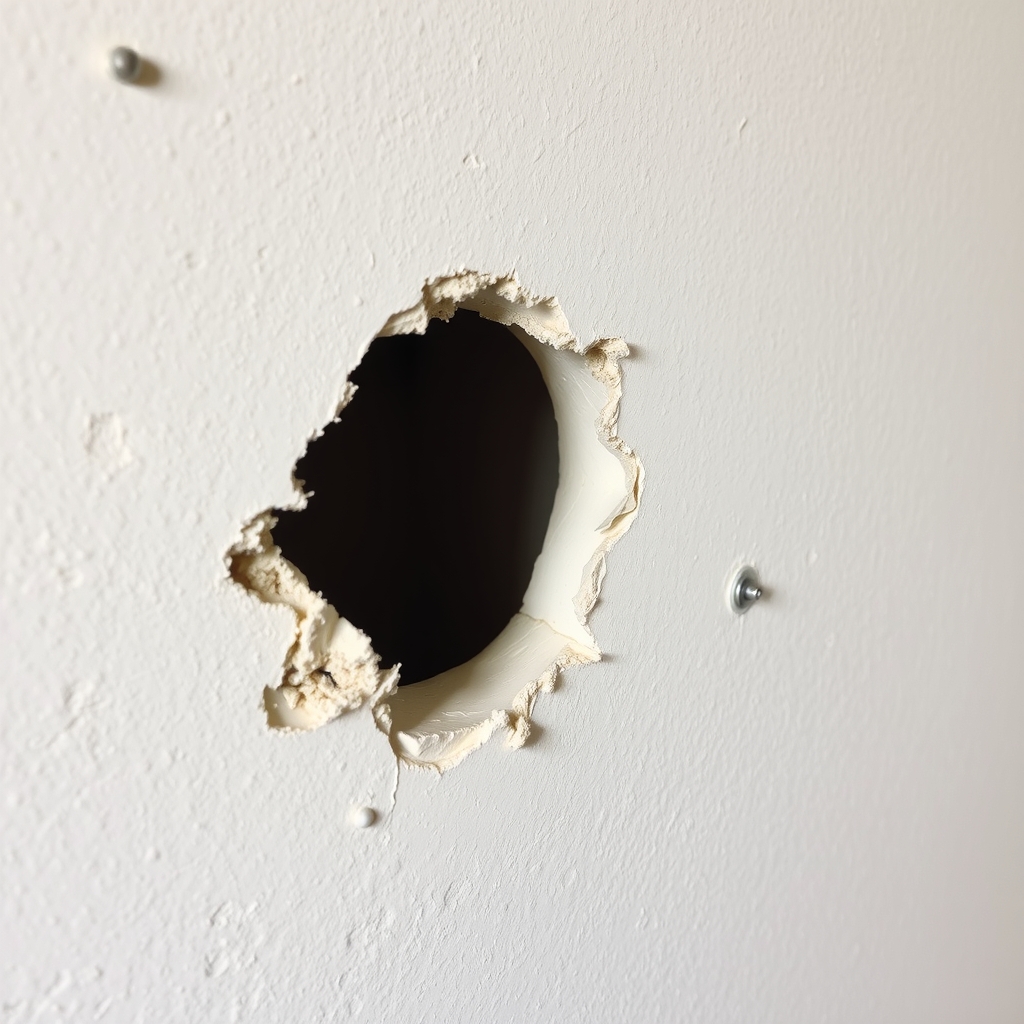
A nail hole needs spackle. A bigger hole needs a patch behind the filler. Match the repair to the hole and it disappears under paint.
By Jamilur Rahman Updated November 5, 2026 · 7 min read
- Time
- 1 hour plus drying
- Cost
- Under $20
- Difficulty
- Medium
In this guide
Quick answer
Match the repair to the hole. Nail holes and dings only need spackle. A hole bigger than about half an inch, up to roughly 6 inches, needs a self-adhesive patch, covered with thin coats of spackle or joint compound, sanded smooth, primed and painted. A patch kit bundles those pieces, and the patch gives the filler something to hold onto, which spackle alone cannot do across an open hole.
Free fix vs. permanent fix
Spackle the small stuff
- Press raised edges flat with a putty knife
- Fill in a thin layer, let it dry, add a second layer if it shrinks
- Sand lightly, then prime the patch
- Touch up with matching paint
How long it lasts: Permanent for nail holes and small dings. On anything bigger, spackle sinks, cracks or falls out.
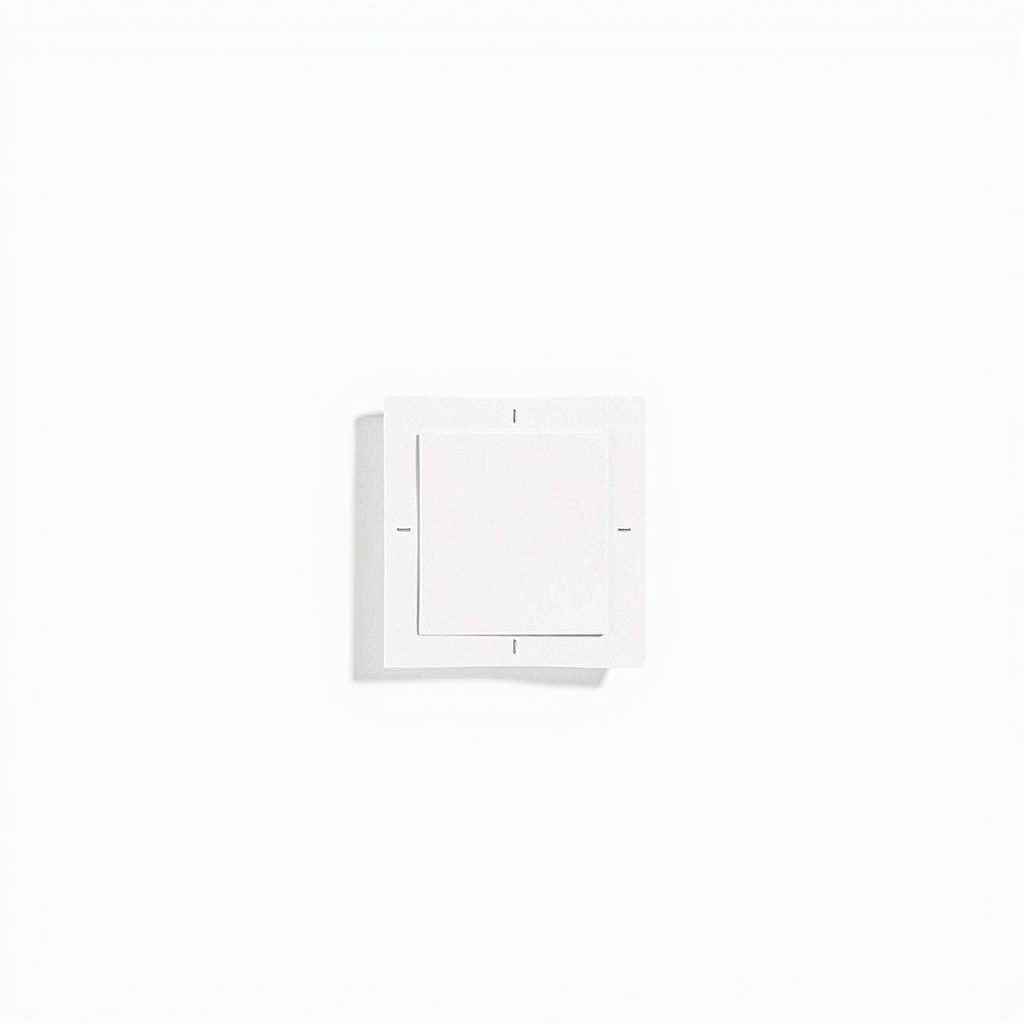
A drywall patch kit
Spackle has nothing to hold across an open hole. A self-adhesive patch spans the gap, so the filler goes over a solid surface and stays flat and crack-free once it is painted.
What to get: Drywall patch kit (self-adhesive patches)
How long it lasts: As long as the wall. The patch bridges the hole instead of just filling it.
As an Amazon Associate I earn from qualifying purchases.
What you'll need
-
Putty knife
Three to six inches wide; an old plastic card works on tiny holes
You have it - Illustration
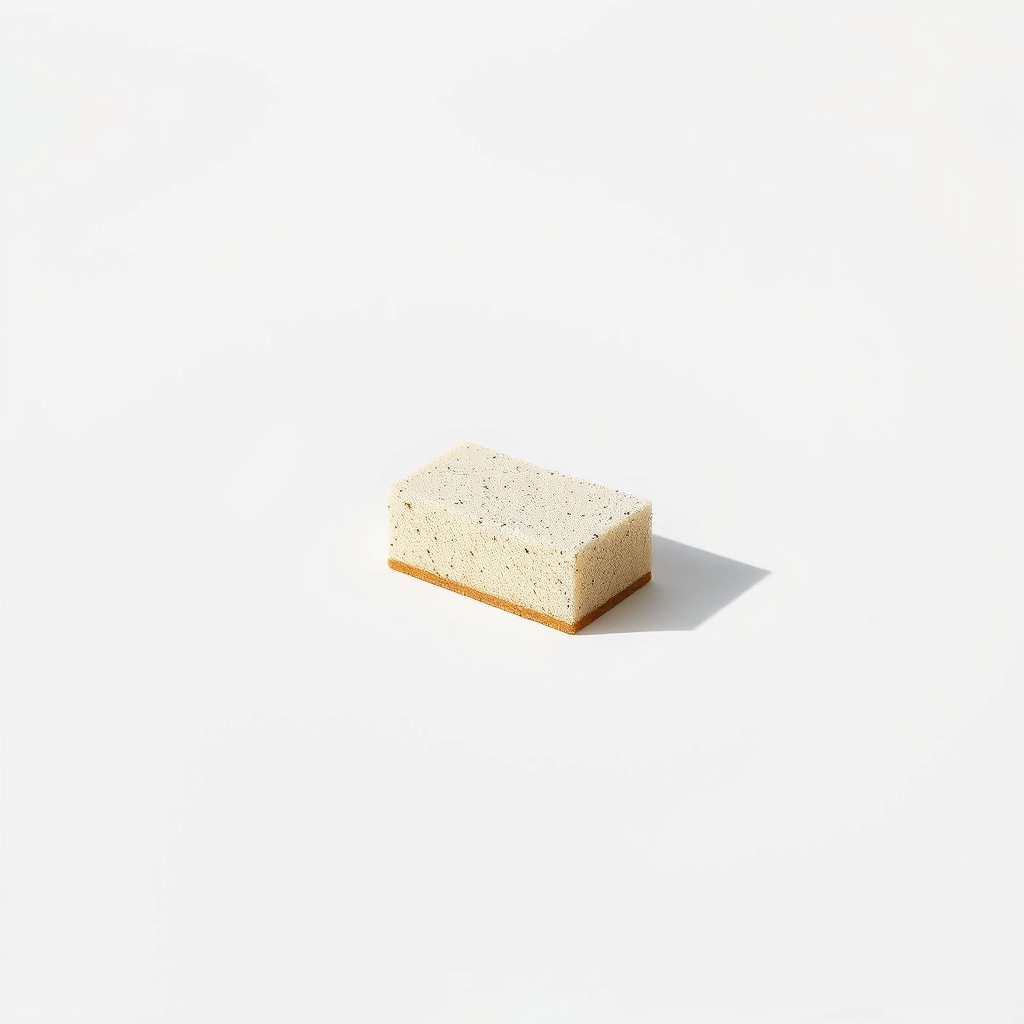
Fine sanding sponge
For smoothing the edges once the filler is dry
- Illustration
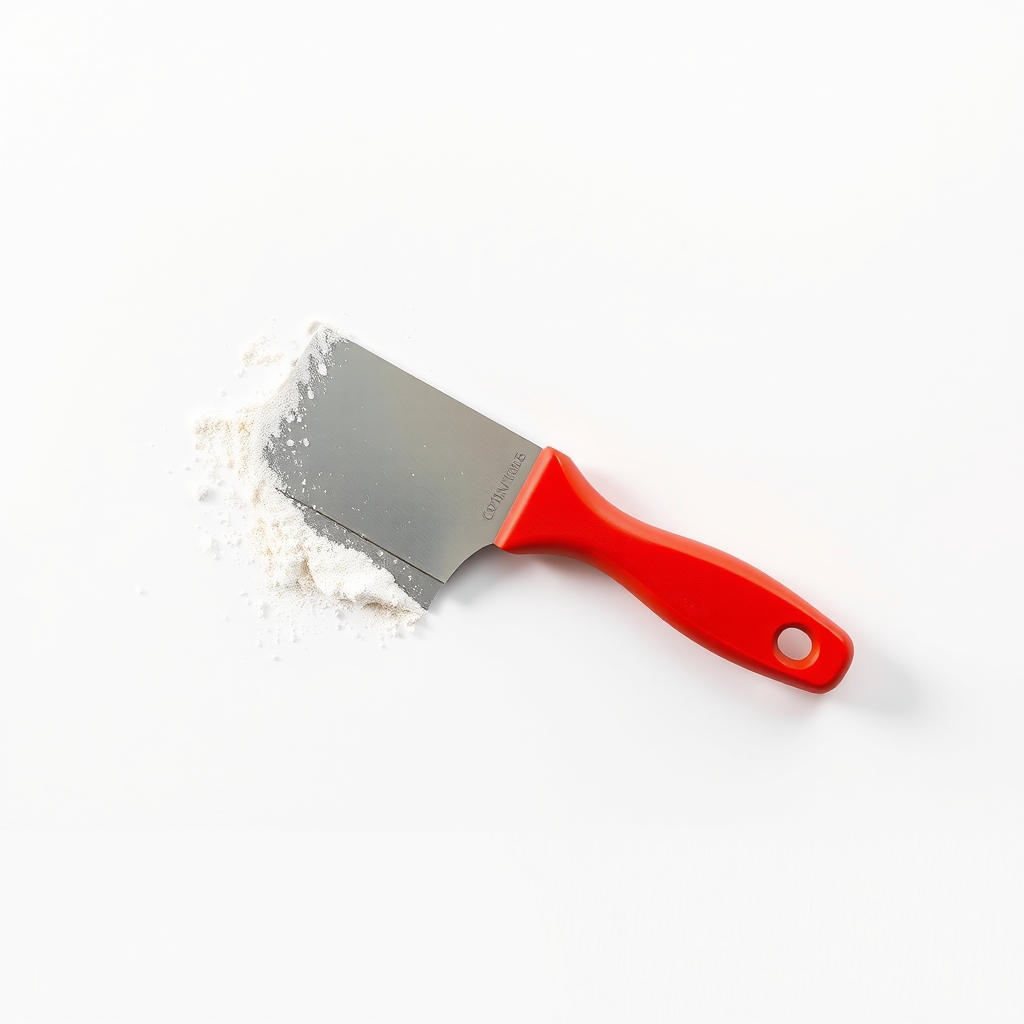
Lightweight spackle
Enough for nail holes and for finishing over a patch
- Our pick Illustration
Drywall patch kit
Self-adhesive patches in a few sizes
- Illustration
Large drywall repair kit
Only for holes bigger than the largest patch
- Illustration
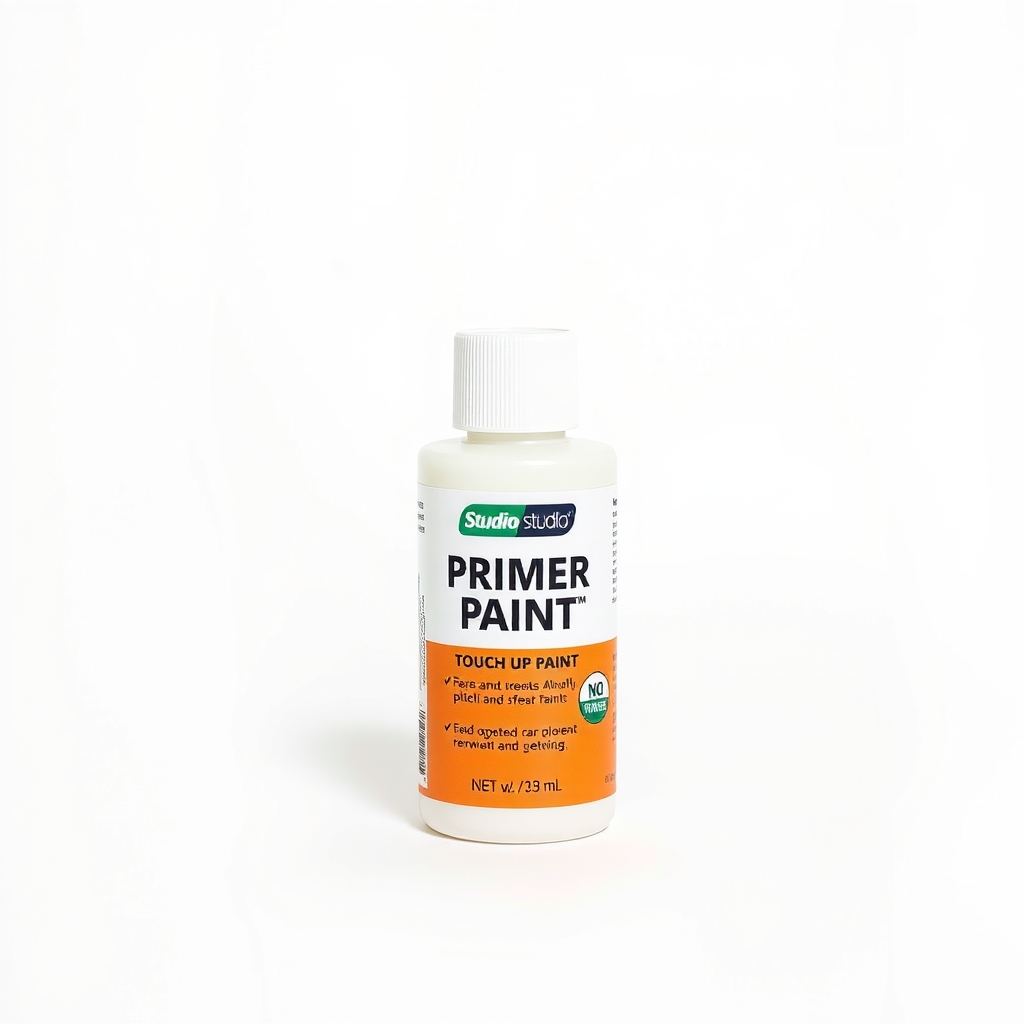
Primer and touch-up paint
If you rent, ask the landlord for the paint color name
Why it happens
Nails, screws and anchors
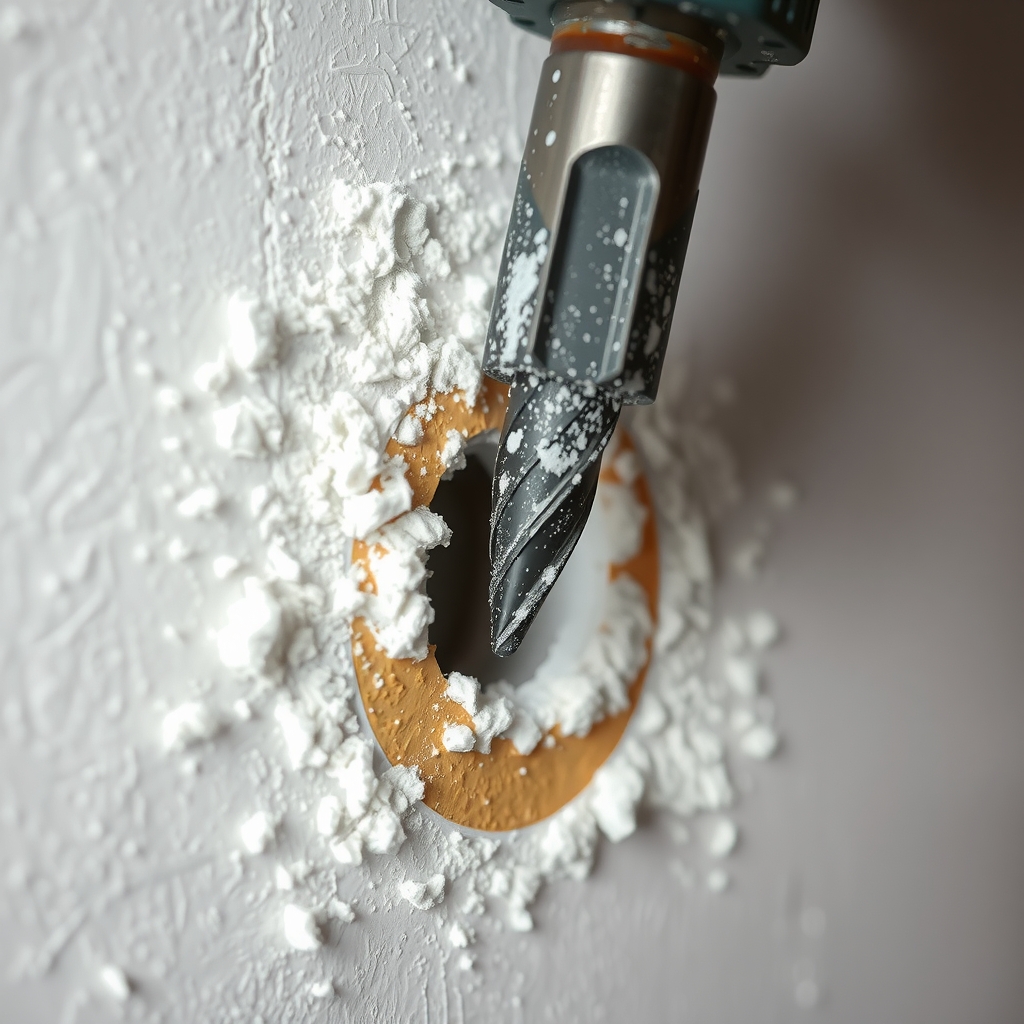
Pulled out of the wall, they leave small craters, and sometimes a ring of raised paint around the edge.
Doorknobs and furniture
A knob or chair back that hits thin drywall can leave a round dent or punch through, making a hole 2 to 4 inches across.
Removed shelves and mounts
Taking down a TV mount or shelf leaves a row of screw holes, and torn paper where the backing came off.
Tape and hook damage
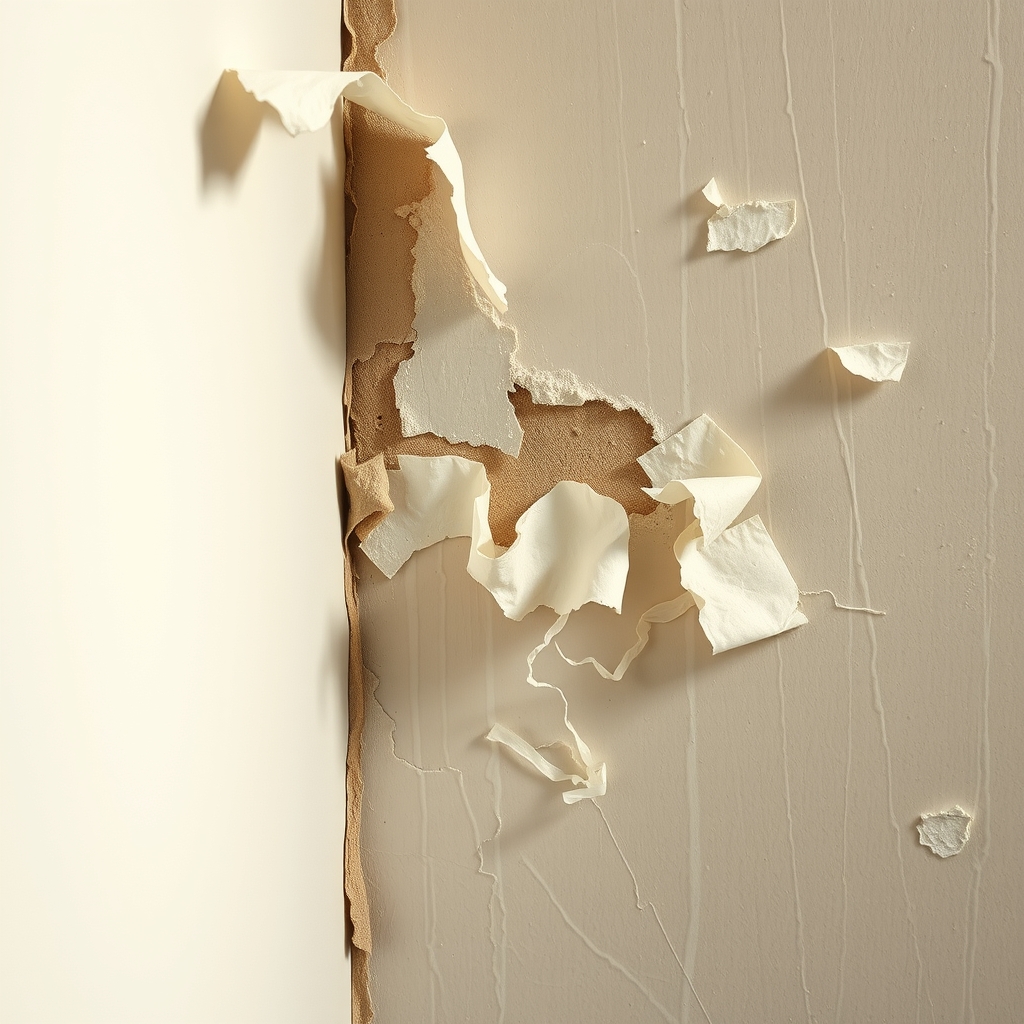
Poster tape and strips can pull off paint and the paper layer under it, leaving a ripped patch that shows through any paint.
Try this first (free)
Do these in order, starting with the simplest.
-
Clean up the edges
Tool used: Putty knifeCut away loose paint and torn paper with the putty knife, and press down any raised edge. Brush off the dust so the filler bonds to a clean surface.
-
Fill small holes with spackle
Tool used: Lightweight spacklePress spackle in with the knife and scrape it flat. Let it dry, then add a second thin coat if it shrinks. Lightweight spackle dries quickly and sands easily.
IllustrationCheck price on AmazonTool for this step
Lightweight spackle · Enough for nail holes and for finishing over a patch
-
Press a patch over a bigger hole
Tool used: Drywall patch kitFor a hole larger than a nickel, trim any loose bits, then press a self-adhesive patch over it, centered, with a couple of inches of wall around it. Smooth it flat from the center out.
IllustrationCheck price on AmazonTool for this step
Drywall patch kit · Self-adhesive patches in a few sizes
-
Cover the patch in thin coats
Tool used: Putty knifeSpread filler over the patch, feathering the edges 2 to 3 inches past it. Let each coat dry fully, often a few hours or overnight, and plan on 2 to 3 coats.
-
Sand smooth
Tool used: Fine sanding spongeSand with a fine sponge until you cannot feel the edge with your fingertips. Wipe off the dust.
IllustrationCheck price on AmazonTool for this step
Fine sanding sponge · For smoothing the edges once the filler is dry
-
Prime and paint
Tool used: Primer and touch-up paintPrime the patch so it does not show as a dull spot, then paint. If the new paint does not match the old, repaint the whole wall, corner to corner.
IllustrationCheck price on AmazonTool for this step
Primer and touch-up paint · If you rent, ask the landlord for the paint color name
When free fixes aren't enough
Spackle alone cannot bridge a hole bigger than about half an inch, because there is nothing behind it to hold the filler. If it is bigger than a nail or screw hole, use a patch. If the hole is wider than about 6 inches, a standard patch will not be enough, and you need a larger repair kit or a cut-in drywall piece. Stop and call a pro if the drywall is wet, soft or moldy, if the wall is old plaster that crumbles, or if you cut into wires or pipes.
Buy the fix
Still stuck after the free fixes? These are the products we would look at.
| Pick | Product | Fixes | Who it's for | Buy |
|---|---|---|---|---|
| Best pick | Drywall patch kit (self-adhesive patches) | doorknob holes, anchor holes and dents up to about 6 inches | Anyone fixing a hole bigger than a nail hole in drywall, including renters and dorm residents. | Check price |
| Budget pick | Lightweight spackle with a putty knife | nail holes, screw holes and small dings | Anyone with only small hanging holes or minor dings. | Check price |
| Upgrade pick | Large drywall repair kit with a rigid patch | holes bigger than a standard patch can span | People repairing a hole left by a removed fixture, or a big impact hole. | Check price |
Drywall patch kit (self-adhesive patches)
Fixes: doorknob holes, anchor holes and dents up to about 6 inches
Look for: Several patch sizes, up to about 6 inches; Self-adhesive mesh or metal-backed patches; A putty knife, spackle and a sanding sponge in the kit; Thin edges that you can feather with paint.
- Who it's for
- Anyone fixing a hole bigger than a nail hole in drywall, including renters and dorm residents.
- Honest downside
- The wall is plaster, wet, moldy or crumbling, or the hole is bigger than the largest patch.
Lightweight spackle with a putty knife
Fixes: nail holes, screw holes and small dings
Look for: Dries white and sands easily; Shrinks very little; A small tub, since it dries out in an open tub.
- Who it's for
- Anyone with only small hanging holes or minor dings.
- Honest downside
- The hole is bigger than a nickel. Use a patch instead.
Large drywall repair kit with a rigid patch
Fixes: holes bigger than a standard patch can span
Look for: Patches larger than 6 inches; A rigid or metal-backed patch that spans the opening; Joint compound and a wide knife in the kit.
- Who it's for
- People repairing a hole left by a removed fixture, or a big impact hole.
- Honest downside
- The hole is small. A smaller patch is easier to hide.
As an Amazon Associate I earn from qualifying purchases. We don't show prices because they change, so use the button to see today's price.
How we picked: How we picked: this page is based on drywall repair guides, instructions from patch kit makers, and the problems and fixes people report in reviews. We do not test products by hand.
Which repair for which hole
- Nail or screw hole: spackle and a light sand.
- Dent or hole up to about 2 inches: small self-adhesive patch, then spackle.
- Doorknob-size hole, up to about 6 inches: larger self-adhesive patch, then 2 to 3 coats.
- Wider than about 6 inches: a large repair kit, or a pro.
Fixing apartment drywall without a fight
Check your lease or housing rules before you patch, since some landlords want to approve or do the repair. Take a photo of the damage first. Ask for the paint color name, or take a chip to a paint store so they can match it.
What to skip
Toothpaste, soap and a poster
Toothpaste fills a nail hole for a day or two, then shrinks and can stain. Soap does not hold. A poster covers the hole but does not repair it, and you may lose a deposit when you move out.
Frequently asked questions
Do I have to repaint after patching a hole?
How do I fix a hole in a dorm room wall?
How long should I wait between coats?
How do I fix small ripped paint on a wall?
Related problems
As an Amazon Associate I earn from qualifying purchases. Affiliate disclosure