Wall Crumbling When You Drill? The Anchors That Hold in Soft Walls
Soft drywall and old plaster crumble under a drill and strip plastic anchors. Find a stud if you can, and use toggle bolts where you cannot.
By Jamilur Rahman Updated November 5, 2026 · 6 min read
- Time
- 20 min
- Cost
- Under $20
- Difficulty
- Medium
In this guide
Quick answer
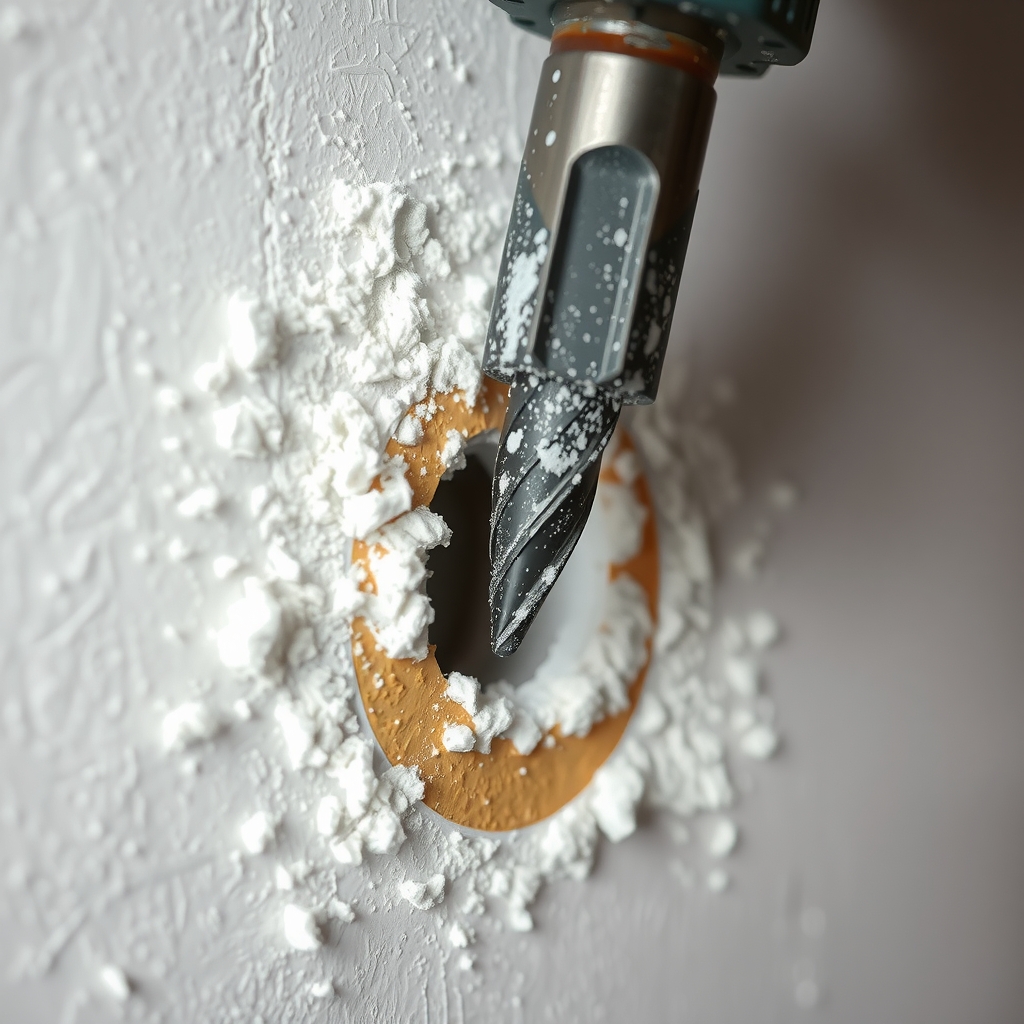
Walls crumble when the drill hits soft or brittle material: a chalky drywall core, old plaster, or a hole drilled too fast with the hammer setting on. Find a stud first and screw straight into it. If there is no stud, drill slowly with a sharp bit and use heavy-duty toggle bolts. Their wings open behind the wall and spread the load, instead of gripping a crumbly hole.
Free fix vs. permanent fix
Hit a stud and drill gently
- Find the stud with a knock test or a stud finder
- Tape over the spot before you drill
- Use drill mode at low speed, not hammer mode
- Patch any hole that crumbled before you try again
How long it lasts: A stud mount lasts as long as the wall. But there is often no stud where you want to hang something.
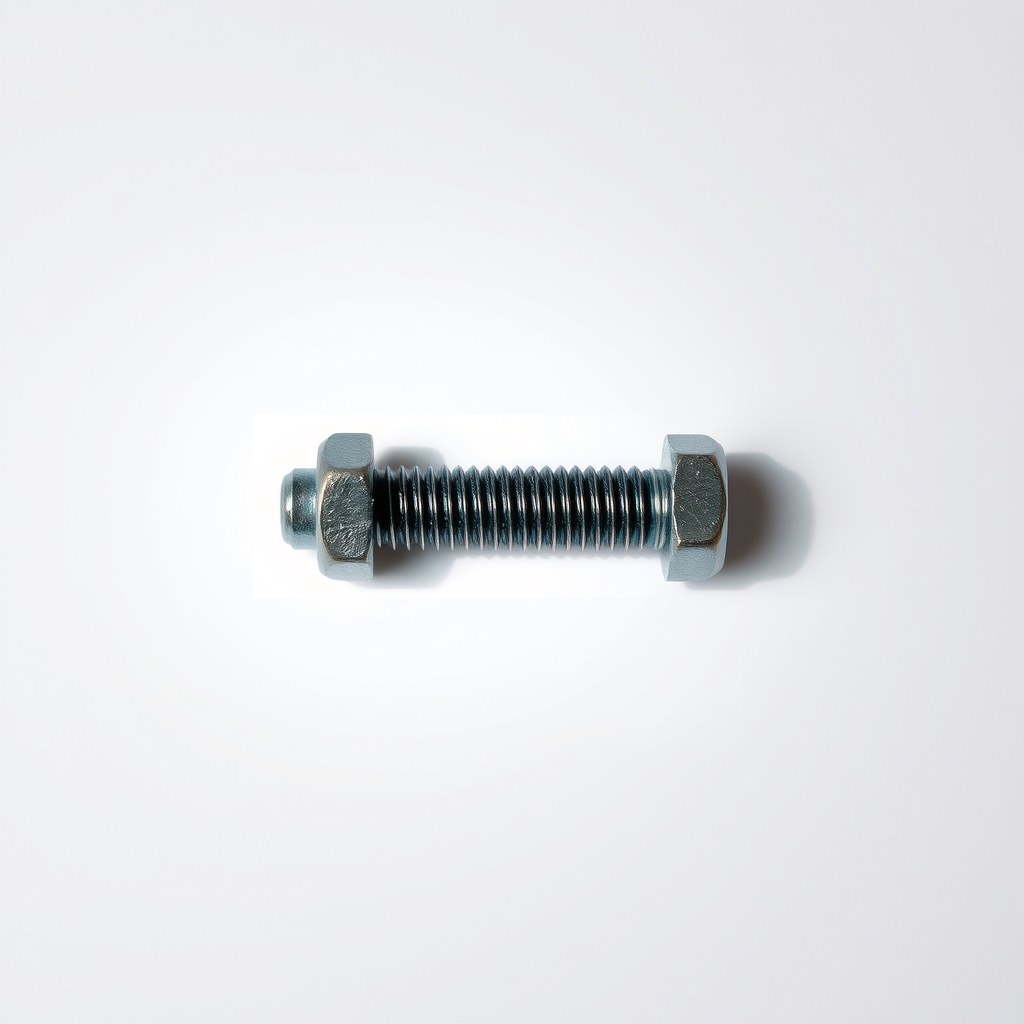
Heavy-duty toggle bolts
A plastic anchor grips only the walls of the hole, and soft drywall or plaster crumbles away from it. A toggle bolt opens wings behind the wall and clamps against it, so it holds even when the hole's edges are rough.
What to get: Heavy-duty toggle bolts (spring-wing)
How long it lasts: Years. The wings sit behind the wall and the load spreads over a wide area.
As an Amazon Associate I earn from qualifying purchases.
What you'll need
-
Drill
Use drill mode, never hammer mode
You have it -
Masking tape
Stops paint chipping around the hole
You have it - Illustration
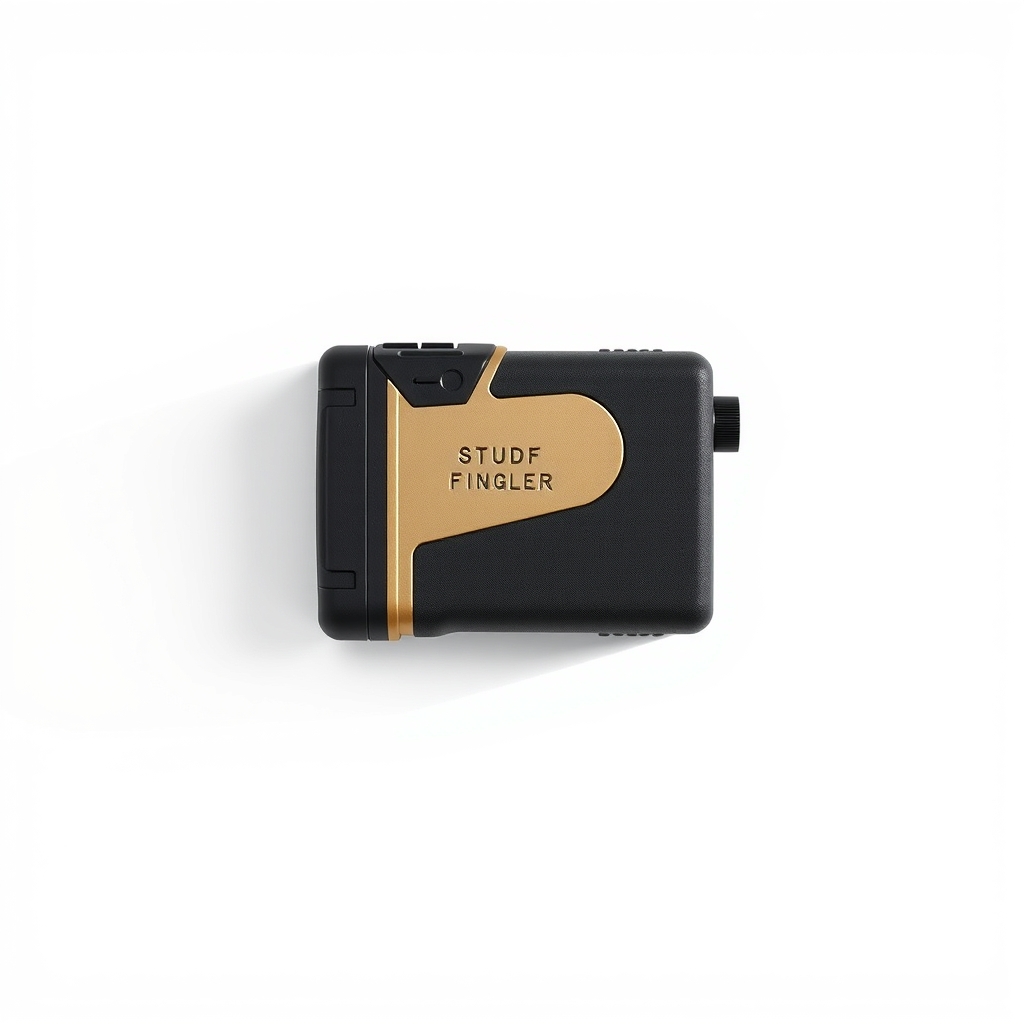
Stud finder
Pick one with live wire detection
-
Spackle
Patches a hole that already crumbled
You have it - Our pick Illustration
Heavy-duty toggle bolts
Check the hole size and load rating on the pack
- Illustration
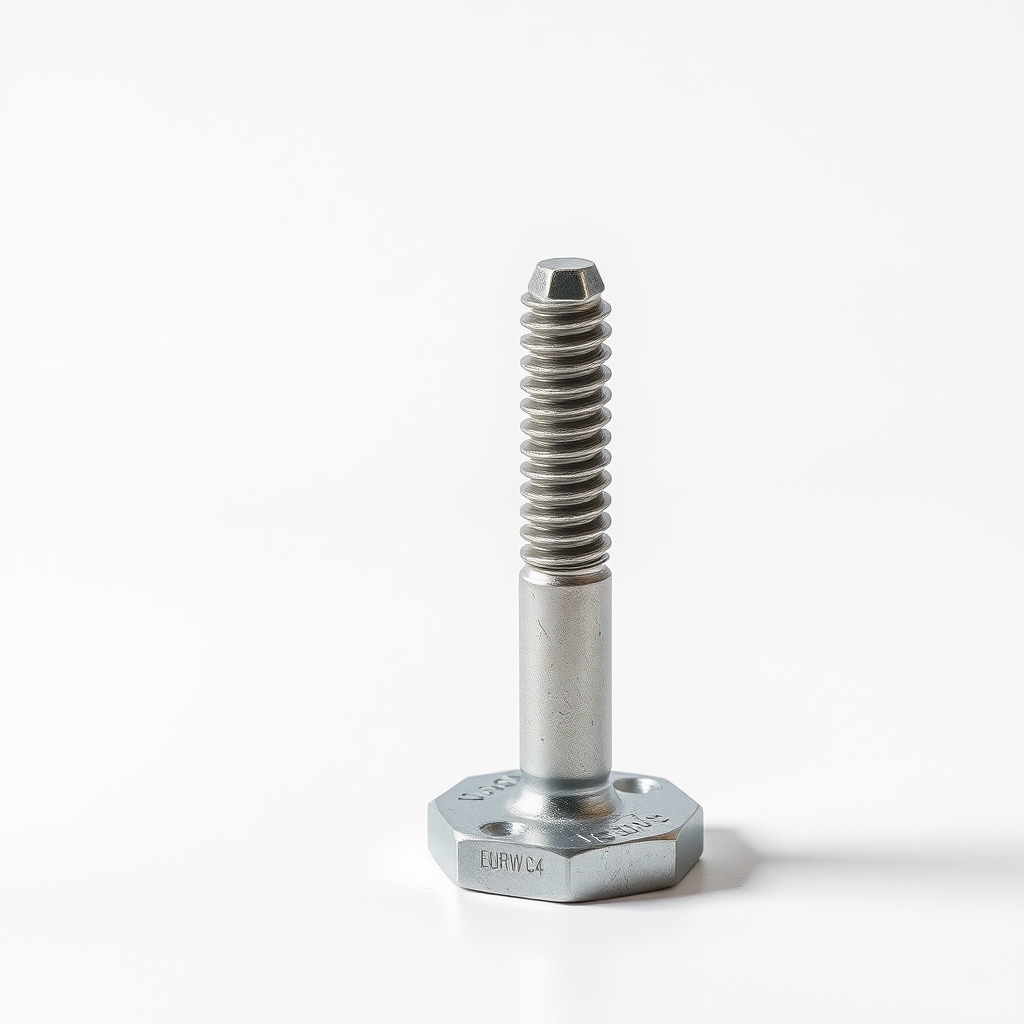
Metal self-drilling drywall anchors
For light items on firm drywall
Why it happens
Thin or old gypsum drywall
Drywall is a chalky gypsum core between two sheets of paper. Old, damp or low-grade board is soft and powders when a bit cuts through.
Old plaster
Lath-and-plaster walls are hard on the surface but can break off in chunks when the plaster loosens from the wood strips behind it. Drilling too fast knocks pieces loose.
The wrong bit or setting
A dull bit, or hammer mode on a drywall wall, batters the board instead of cutting it. Use a sharp bit in plain drill mode.
Plastic anchors in a soft wall
A ribbed plastic anchor relies on grip. In a soft wall it spins or pulls out, and every failed try makes the hole bigger.
Try this first (free)
Do these in order, starting with the simplest.
-
Find a stud and check for hazards
Tool used: Stud finderKnock along the wall. A hollow sound is drywall, a solid thud is a stud. Or scan with a stud finder. Studs are usually 16 inches apart, center to center. Avoid spots above or below outlets and switches, which can hide wires. If you hit a stud, drive a wood screw straight in. No anchor needed.
IllustrationCheck price on AmazonTool for this step
Stud finder · Pick one with live wire detection
-
Tape the spot
Tool used: Masking tapePut a square of masking tape over your pencil mark. It keeps the paint and the top layer from chipping around the hole as the bit goes in.
-
Drill slowly in drill mode
Tool used: DrillUse a sharp bit, hammer function off, at low speed with light pressure. In hard plaster, use a carbide-tipped masonry bit and drill in short pulses. Pull the bit out now and then to clear the dust.
-
Patch a hole that already crumbled
Tool used: SpackleBrush out the loose crumbs, fill the hole with lightweight spackle and let it dry. Then drill again in a firm spot, about 2 inches away.
-
Fit the toggle bolt
Tool used: Heavy-duty toggle boltsDrill the hole size printed on the pack, often 3/8 to 1/2 inch. Thread the bolt through your bracket first, then screw on the wings and fold them. Push them through the hole until they spring open, pull back gently and tighten. If you take the bolt out later, the wings drop inside the wall.
IllustrationCheck price on AmazonTool for this step
Heavy-duty toggle bolts · Check the hole size and load rating on the pack
When free fixes aren't enough
A stud is the best place for anything heavy, but you cannot always hang an item where one sits. When there is no stud, a toggle bolt is the fix. If the drywall is damp, soft or breaking in chunks well beyond the hole, stop: no anchor will hold in it, and the wall may have a moisture problem. Plaster that comes off in big pieces helps a toggle only if it is still firmly attached to the lath. For a TV mount or a bookcase that could tip, use studs, or ask a pro.
Buy the fix
Still stuck after the free fixes? These are the products we would look at.
| Pick | Product | Fixes | Who it's for | Buy |
|---|---|---|---|---|
| Best pick | Heavy-duty toggle bolts (spring-wing) | anchors that spin or pull out of soft, crumbly walls | Anyone hanging a shelf, a heavy mirror or a cabinet where there is no stud. | Check price |
| Budget pick | Metal self-drilling drywall anchors | light items in firm drywall without drilling a pilot hole | Picture frames, a light shelf or towel hooks in drywall that is still firm. | Check price |
Heavy-duty toggle bolts (spring-wing)
Fixes: anchors that spin or pull out of soft, crumbly walls
Look for: A load rating on the pack for 1/2-inch drywall; Metal wings and a bolt long enough to pass through your bracket and the wall; The hole size, or a matching drill bit, listed on the pack.
- Who it's for
- Anyone hanging a shelf, a heavy mirror or a cabinet where there is no stud.
- Honest downside
- You are hanging a TV or a bookcase that could tip. Use studs. And keep the real weight well under the pack's rating.
Metal self-drilling drywall anchors
Fixes: light items in firm drywall without drilling a pilot hole
Look for: Metal, not plastic; Screws included; A weight rating printed on the pack.
- Who it's for
- Picture frames, a light shelf or towel hooks in drywall that is still firm.
- Honest downside
- The wall is plaster or already powdery at the hole. They need solid drywall to bite, and they are not for heavy loads.
As an Amazon Associate I earn from qualifying purchases. We don't show prices because they change, so use the button to see today's price.
How we picked: How we picked: this page is based on drywall and plaster care guides, anchor maker instructions and load charts, and the problems and fixes people report in reviews. We do not test products by hand.
Old house? Check before you drill
Homes built before 1978 may have lead paint, and some older plaster and joint compound contain asbestos. Drilling makes dust. If you are unsure, test first. Keep the dust down with tape, wipe with a damp cloth and use a HEPA vacuum, never a broom. Do not dry sand.
Which anchor for which load
- Pictures and small decor: a metal self-drilling anchor, if the drywall is firm.
- Shelves and mirrors with no stud: toggle bolts.
- TVs, bookcases and anything that can tip: screw into studs, or call a pro.
What to skip
Plastic ribbed anchors and a longer screw
Plastic expansion anchors grip the sides of the hole, so a crumbly wall lets them spin or pull out. A longer screw into hollow drywall has nothing to bite. Do not push harder or use a bigger drill. Use an anchor that works behind the wall.
Frequently asked questions
Why does my drill make such a big hole in drywall?
How do I stop plaster from crumbling when I drill?
How much weight can a toggle bolt hold?
Can I reuse a hole that crumbled?
Related problems
 Free fix inside
Cleaning · Walls
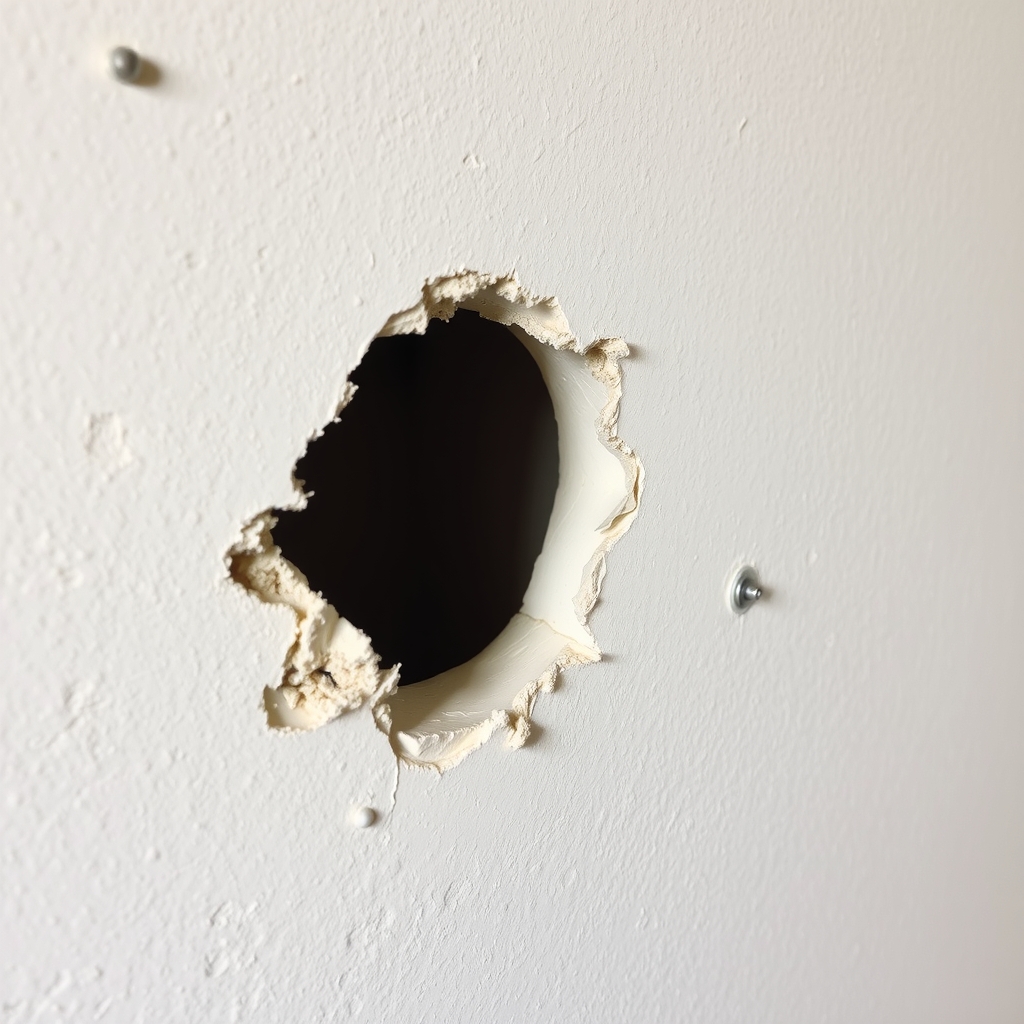
Holes in Walls? Patch Kits for Small and Medium Holes
Read the fix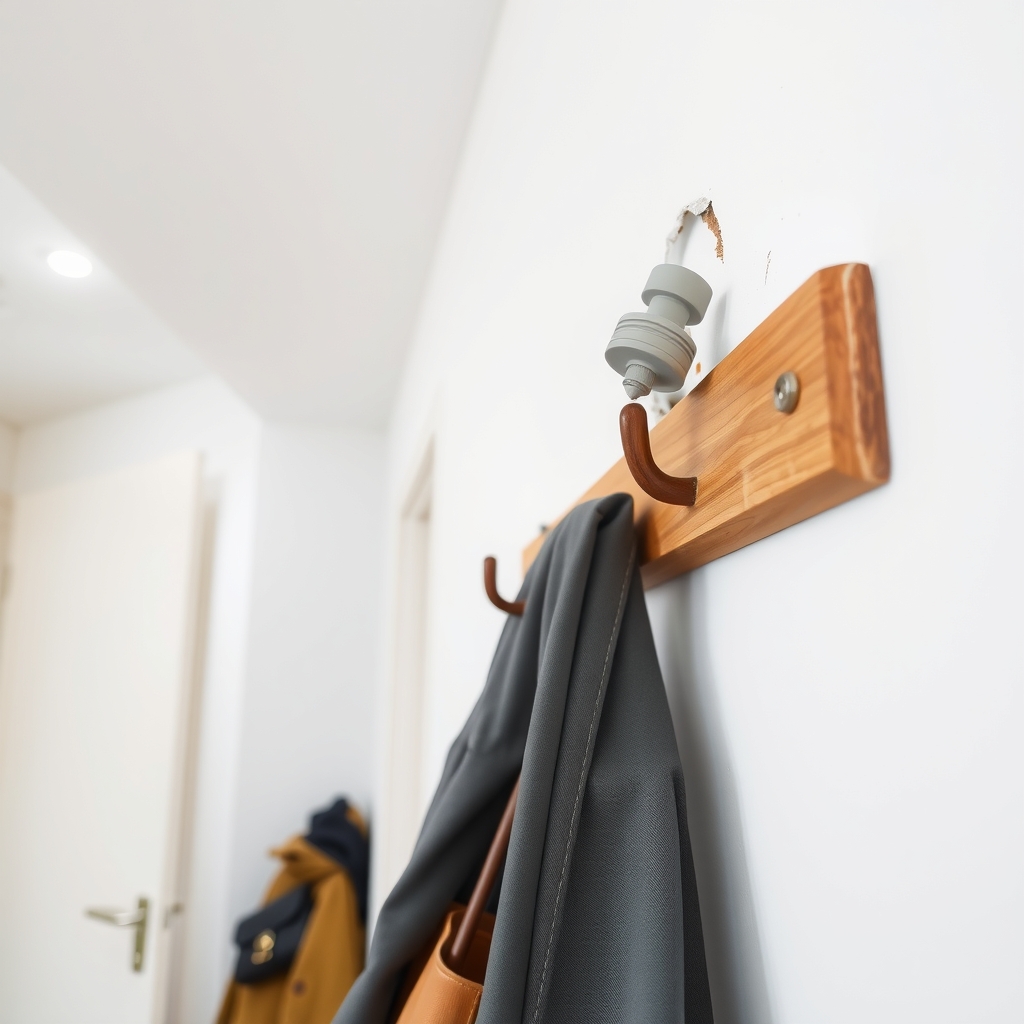 Free fix inside
Small Spaces & Storage · Coat Rack
Coat Rack Keeps Falling Off the Wall? Anchors That Hold in Drywall
Read the fix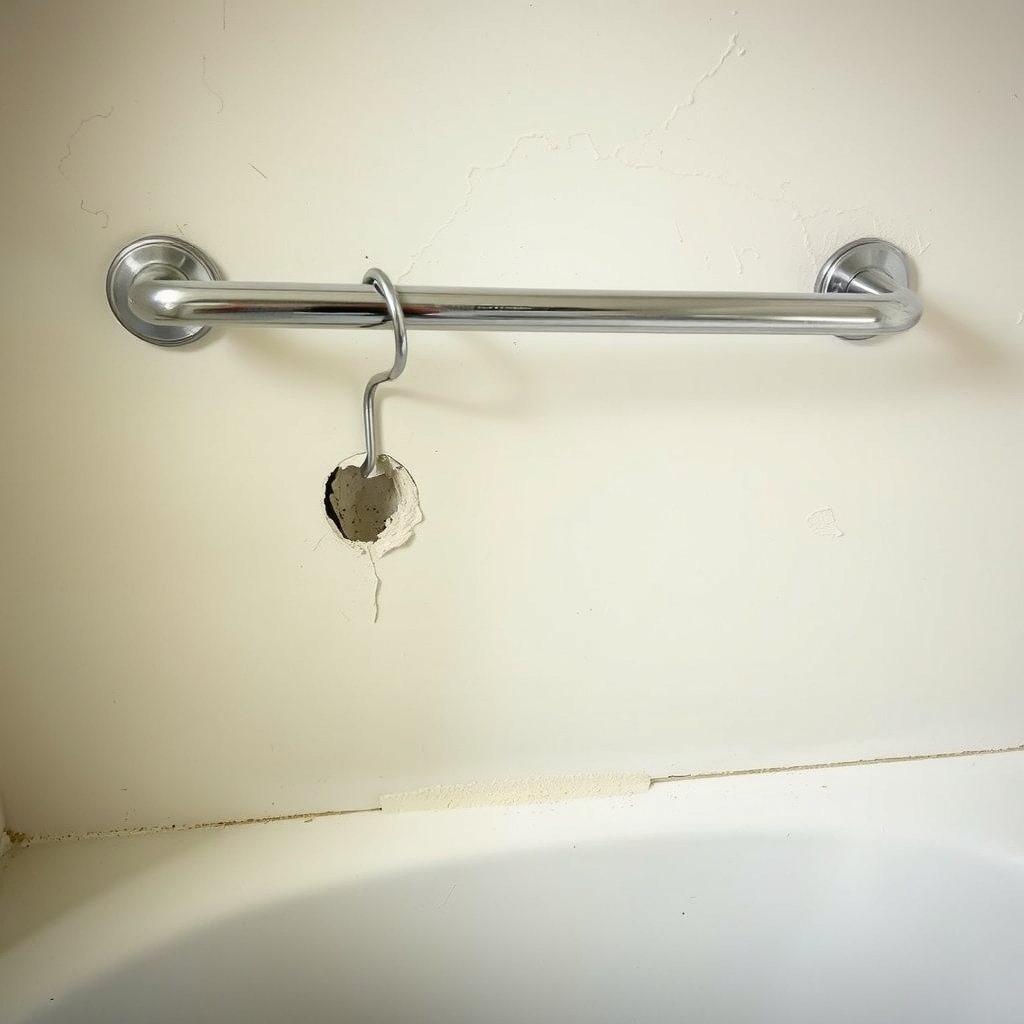 Free fix inside
Bathroom · Bathroom Accessories
Bathroom Towel Holder Pulled Out of the Wall? The Anchor That Holds
Read the fixAs an Amazon Associate I earn from qualifying purchases. Affiliate disclosure