Bathroom Towel Holder Pulled Out of the Wall? The Anchor That Holds
Plastic anchors in drywall give way under a wet towel. Re-hang the holder on a stud or on toggle anchors that spread the load behind the wall.
By Jamilur Rahman Updated November 5, 2026 · 7 min read
- Time
- 30 min
- Cost
- Under $20
- Difficulty
- Medium
In this guide
Quick answer
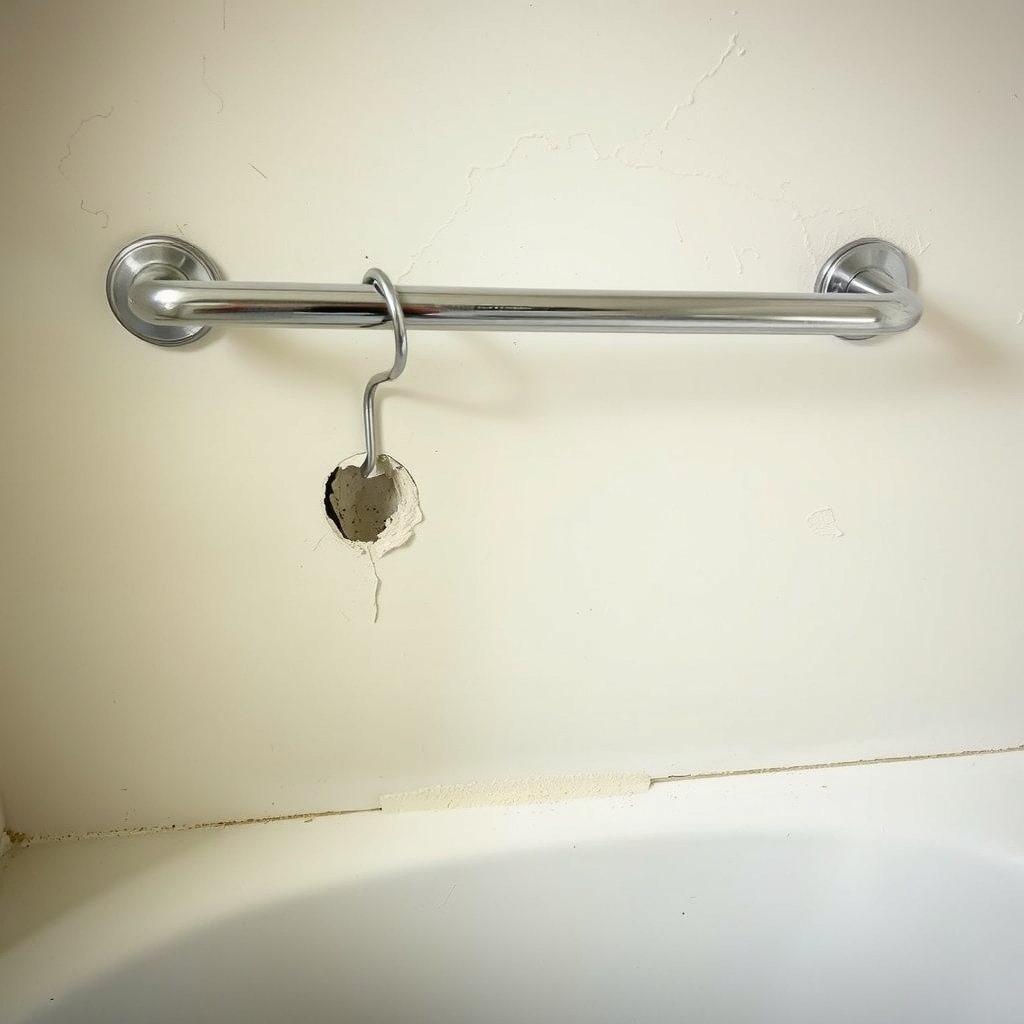
A towel holder pulls out because its screws are held by a small plastic anchor, or by nothing but crumbly drywall, and wet towels and daily tugging work them loose. Find a stud and screw into it if you can. If not, patch the hole and re-hang the holder on heavy-duty toggle anchors, which open up behind the wall and spread the load over a much wider area.
Free fix vs. permanent fix
Re-hang it on a stud, or pack the old hole
- Check for a stud near the holder with a knock test or finder
- Screw straight into the stud if it lines up
- Pack a small stripped hole with glued toothpicks
- Hang less weight on it until it is fixed
How long it lasts: A stud holds for years. A glued toothpick patch in drywall holds a light bar for a while, then pulls out under a hard tug.
Heavy-duty toggle anchors
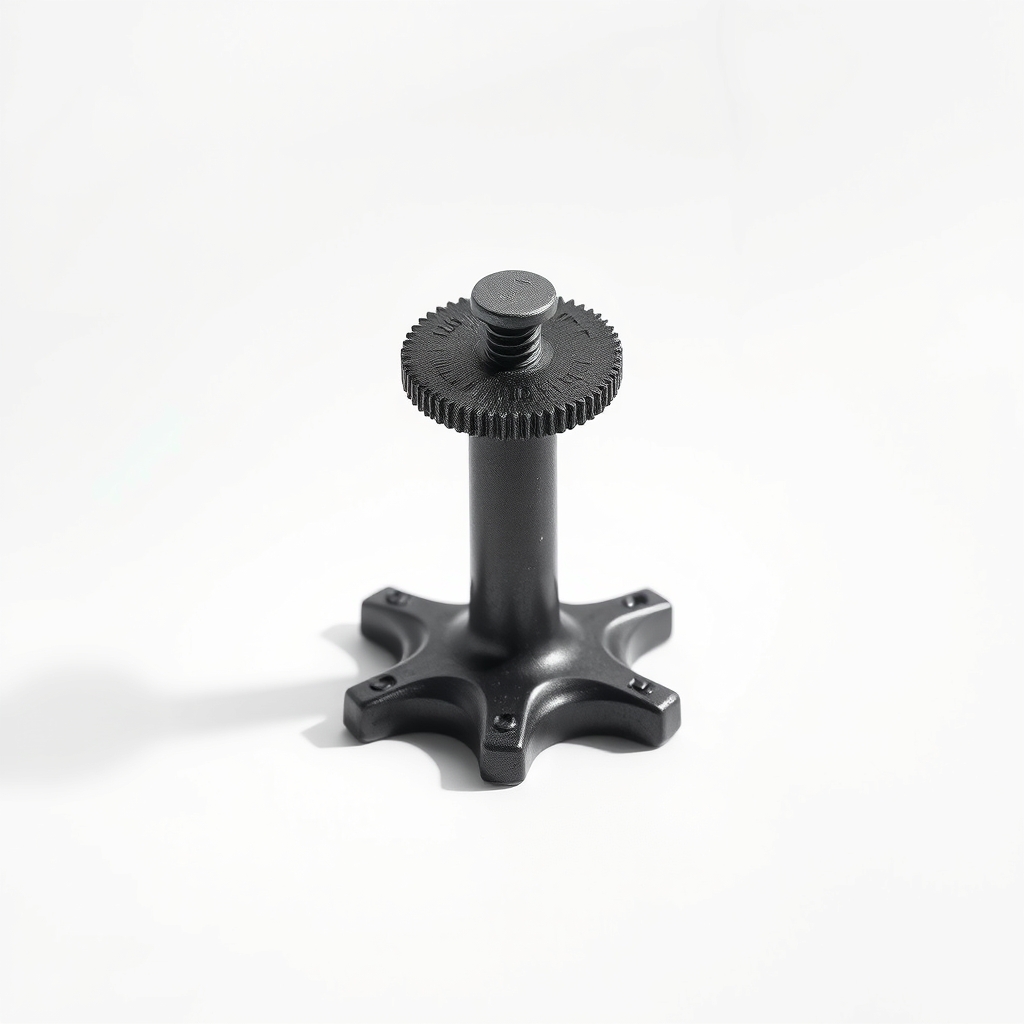
A plastic anchor grips a thin ring of drywall. A toggle has wings or a bar that open behind the wall and press on a large area, so a wet towel or a hard tug cannot pull the screw through. Check the load rating on the pack. It is far above that of plain plastic anchors.
What to get: Heavy-duty drywall toggle anchors
How long it lasts: Years. A toggle spreads the load behind the drywall instead of pinching one small hole.
As an Amazon Associate I earn from qualifying purchases.
What you'll need
-
Drill, pencil and level
To mark the holes straight and drill them to size
You have it -
Toothpicks and wood glue
A quick patch for a small stripped hole
Free - Illustration
Spackle or self-adhesive drywall patch
Fills holes you will not reuse
- Our pick Illustration
Heavy-duty toggle anchors
Pick snap-toggle or spring-toggle, rated well above your load
- Illustration
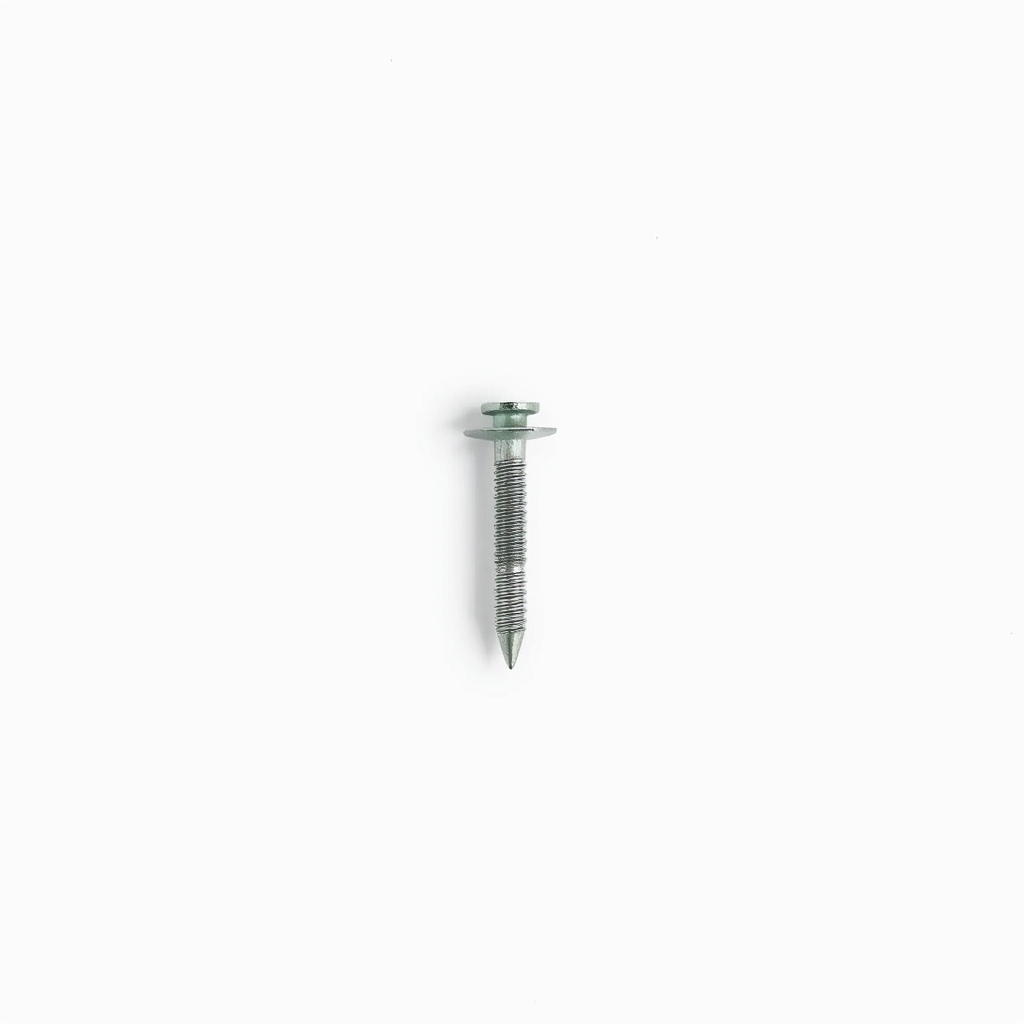
Self-drilling metal drywall anchors
A cheaper step up from plastic, for light loads
- Illustration
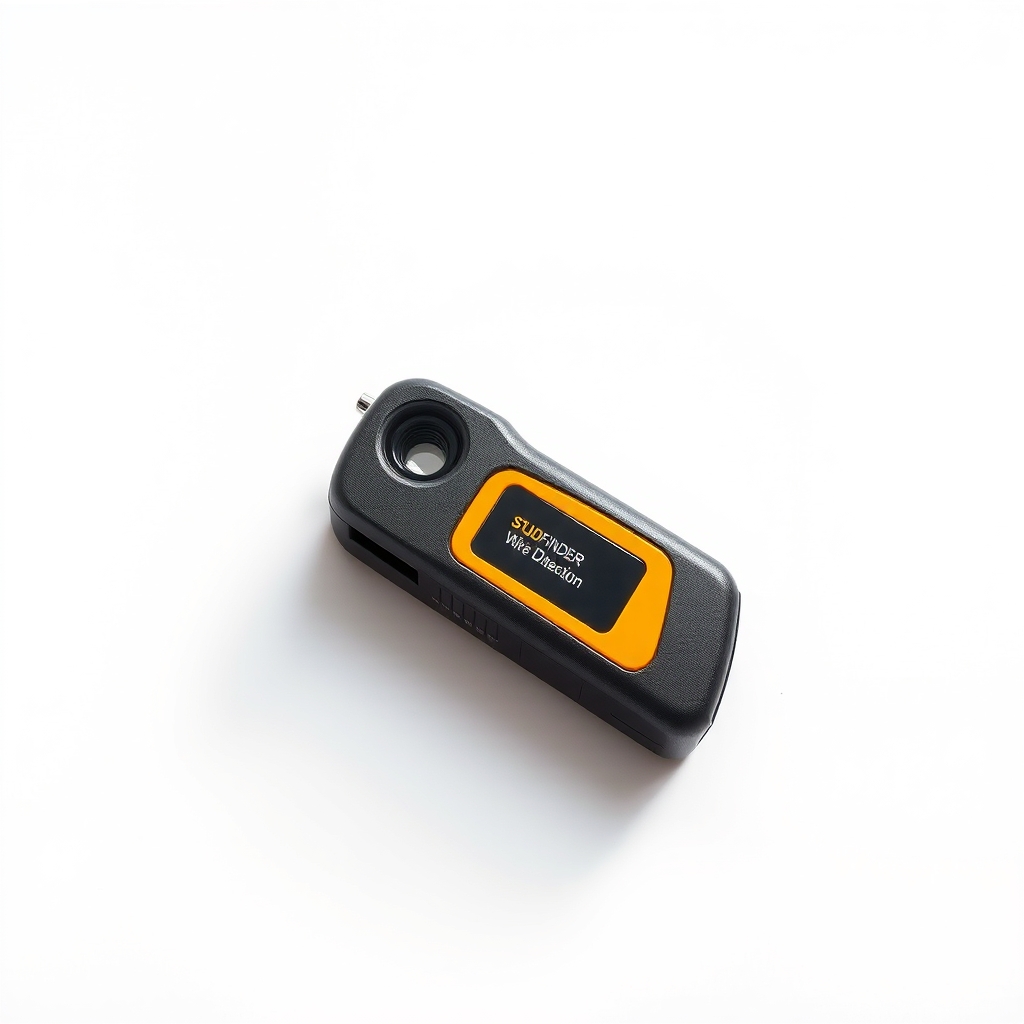
Stud finder
Finds a stud so you can screw into solid wood
Why it happens
Plastic anchors in plain drywall
Drywall is soft gypsum between sheets of paper. A small plastic anchor grips only a thin ring of it, and constant pulling crumbles that ring.
No stud behind the screws
Studs sit about 16 inches apart. A towel bar often has one end on a stud or neither, so the screws bite only drywall.
More load than the holder was built for
A wet bath towel, a robe and a hanging bag add up. People also grab a bar to steady themselves, and a hard sideways tug is worse than any weight.
Steam and moisture
Bathroom steam softens drywall around the screw and rusts cheap screws, so the hold loosens over time.
Short or mismatched screws
Screws that are too short, or the wrong anchor for the wall, only just reach the drywall and cannot take a load.
Try this first (free)
Do these in order, starting with the simplest.
-
Take the holder down and look at the holes
Unscrew the bar and the wall plate. A small, intact hole can sometimes be reused. If a hole is bigger than about 1/2 inch, patch it or move the holder.
-
Find a stud
Tool used: Stud finderSlide a stud finder across the wall. Studs are usually 16 inches apart, and one often sits next to a door or window frame. If a stud lines up with a bracket hole, screw into it.
IllustrationCheck price on AmazonTool for this step
Stud finder · Finds a stud so you can screw into solid wood
-
Patch or pack the old holes
Tool used: Toothpicks and wood glueFill holes you will not reuse with spackle or a self-adhesive patch, then dry and sand. For a small stripped hole under a light bar, dip a few toothpicks in wood glue, push them in, break them off flush and let them dry before re-screwing.
-
Mark and drill the new holes
Tool used: Drill, pencil and levelHold the bracket against the wall and mark the holes, using a level. Drill the hole size printed on the anchor pack. Go straight in, and stop as soon as the bit is through.
-
Set the toggle anchors
Tool used: Heavy-duty toggle anchorsFor snap-toggles, push the toggle through, slide the channel to the wall and snap off the strap. Fit the bracket and screw in. For spring toggles, thread the screw through the bracket first, squeeze the wings and push them through.
IllustrationCheck price on AmazonTool for this step
Heavy-duty toggle anchors · Pick snap-toggle or spring-toggle, rated well above your load
-
Tighten, tug and check
Tighten until firm, then stop. Give the bar a firm tug before you hang towels. Check the screws again after a week.
When free fixes aren't enough
If no stud lines up with the bracket, the hold has to come from the anchor. Plastic ones have already failed, and glued toothpicks give way under a hard pull. A toggle anchor is the step up. It opens behind the wall and presses on far more drywall. If the wall is tile over cement board, the drywall is crumbling or the hole is larger than about 1 inch, patch or repair the wall first. Check for pipes and wires before you drill near the sink, tub or an outlet, and call a pro if you are unsure.
Buy the fix
Still stuck after the free fixes? These are the products we would look at.
| Pick | Product | Fixes | Who it's for | Buy |
|---|---|---|---|---|
| Best pick | Heavy-duty drywall toggle anchors | a holder that pulls out of drywall where no stud is behind it | Anyone whose holder sits on drywall away from a stud. | Check price |
| Budget pick | Self-drilling metal drywall anchors | a light holder that needs a better grip than plastic anchors | People with a light towel ring or hook that is not pulled on much. | Check price |
| Upgrade pick | Stud finder with wire detection | guessing where the stud is, since a screw in a stud is the strongest hold | Anyone who plans to hang more bars, shelves or hooks. | Check price |
Heavy-duty drywall toggle anchors
Fixes: a holder that pulls out of drywall where no stud is behind it
Look for: A load rating for drywall that is well above your towel load; Metal construction, not only plastic; Screws or bolts in the pack that fit your bracket holes; A drill size and drywall thickness printed on the pack.
- Who it's for
- Anyone whose holder sits on drywall away from a stud.
- Honest downside
- The holder is on tile, brick or concrete. Use anchors made for those walls.
Self-drilling metal drywall anchors
Fixes: a light holder that needs a better grip than plastic anchors
Look for: Metal, not plastic; Wide, coarse threads that bite into drywall; Screws included.
- Who it's for
- People with a light towel ring or hook that is not pulled on much.
- Honest downside
- Your holder carries heavy wet towels or gets pulled on. Use toggles.
Stud finder with wire detection
Fixes: guessing where the stud is, since a screw in a stud is the strongest hold
Look for: A clear stud edge or center marker; An AC wire warning; Works through standard 1/2 inch drywall.
- Who it's for
- Anyone who plans to hang more bars, shelves or hooks.
- Honest downside
- Your wall is tile over cement board. Many stud finders read it poorly.
As an Amazon Associate I earn from qualifying purchases. We don't show prices because they change, so use the button to see today's price.
How we picked: How we picked: this page is based on drywall anchor load guides, home repair how-to articles, and the pull-out problems people report in reviews of toggle anchors and stud finders. We do not test products by hand.
Which toggle anchor? Two types
- Snap-toggle: you set the anchor first, then fit the bracket and screw. It is handy for towel bars.
- Spring toggle: you thread the screw through the bracket first. If you back the screw out, the wings drop behind the wall, so do not take it out.
Check what is behind the wall first
Water pipes often run behind tub and sink walls, and wires run near outlets, switches and fans. Stay away from those spots, and move over if a stud finder warns of live wire. If you are not sure what is behind a spot, pick another.
What to skip
Bigger plastic anchors and filler stuffed in the hole
Wedging more plastic, filler or glue into a crumbled hole makes a soft plug that fails again. Patch the hole properly and use an anchor that opens behind the wall.
Frequently asked questions
What anchor holds a towel bar in drywall?
Can I re-hang a towel bar in the same holes?
How much weight should a towel bar hold?
How do I find a stud without a stud finder?
As an Amazon Associate I earn from qualifying purchases. Affiliate disclosure