Wall Keeps Getting Moldy? Clean It, Block It, Fix the Moisture
Mold on a wall means moisture is getting in or staying put. Clean it off safely, seal the wall with the right primer and find the damp that feeds it.
By Jamilur Rahman Updated November 5, 2026 · 6 min read
- Time
- 2 hours
- Cost
- $20-$50
- Difficulty
- Medium
In this guide
Quick answer
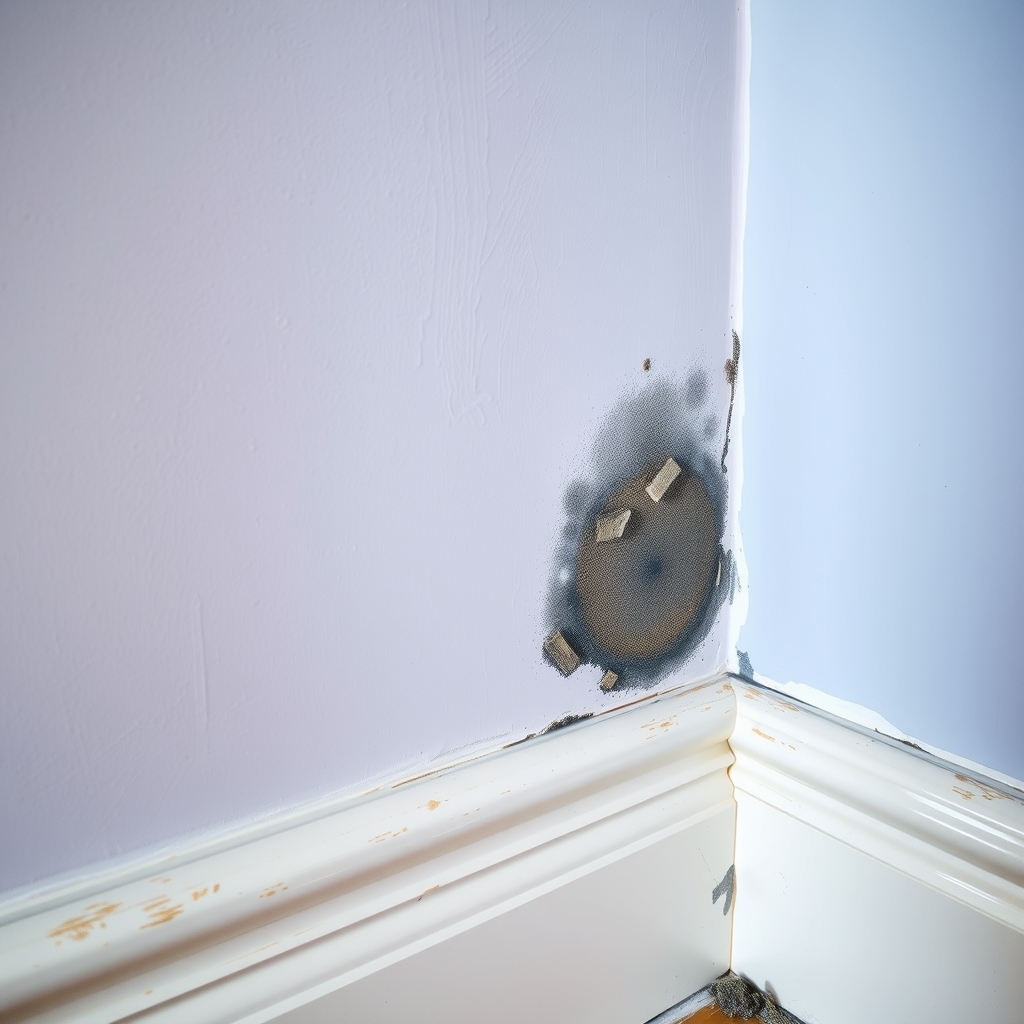
If a wall keeps getting moldy, there is a moisture source feeding it, and cleaning alone will not stop it. Wipe a small patch with detergent and water, dry the wall, find the damp (a leak, condensation or humid air), then seal the clean, dry wall with a mold-blocking primer. The primer helps hold the stain back, but it only lasts if the moisture is fixed.
Free fix vs. permanent fix
Clean it and cut the moisture
- Wear a mask, gloves and goggles
- Scrub the patch with detergent and water, then dry it fully
- Move furniture a few inches off the wall
- Run a fan or dehumidifier and fix any leak
How long it lasts: Months, as long as the wall stays dry. If damp returns, so does the mold.
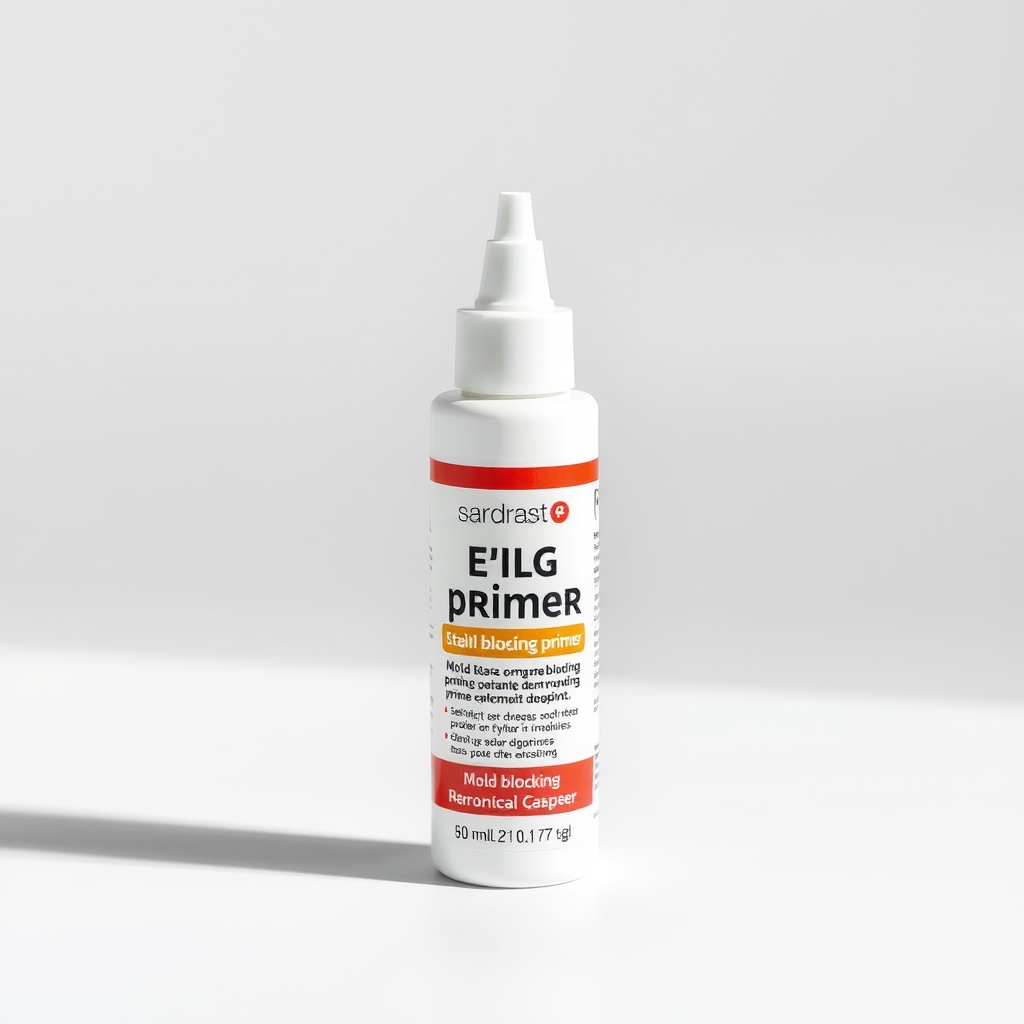
Mold-blocking primer on a clean, dry wall
Cleaning removes what you can see, but the pores in drywall and paint can hold spores. A mold-resistant primer seals the surface and stops stains bleeding back through. It does not replace fixing the damp. It protects the wall once the damp is gone.
What to get: Mold-blocking stain-blocking primer
How long it lasts: Years on a wall that stays dry. It seals stains and resists growth on the surface.
As an Amazon Associate I earn from qualifying purchases.
What you'll need
-
N95 mask, gloves and goggles
Mold spores and cleaner fumes are best kept off you
You have it -
Dish soap and sponge
For the first wash on a small patch
You have it - Illustration
Digital hygrometer
Shows if the room is humid enough to feed mold
- Illustration
Mold stain remover spray
Lifts dark stains the soap leaves behind
- Our pick Illustration
Mold-blocking stain primer
Seals the clean, dry wall before repainting
Why it happens
Humid air in a closed room
Cooking, showers, drying clothes and breathing all add moisture. If it cannot escape, it settles on the coolest surface. Mold likes humidity above about 60 percent.
Cold outside walls
Walls that face outdoors stay cold, so moisture in the room condenses on them. Corners and walls behind wardrobes, beds and sofas are the worst spots.
A leak or damp coming through
A leaking pipe, roof or window, a gutter overflow or rising damp can wet the wall from behind. If mold returns in the same patch whatever you do, suspect a leak.
No airflow behind furniture
A wardrobe or bed pushed flat to the wall traps cold, still air. Moisture sits there with nothing to move it.
Try this first (free)
Do these in order, starting with the simplest.
-
Protect yourself and open a window
Tool used: N95 mask, gloves and gogglesPut on a mask, gloves and goggles and ventilate the room. Do not mix bleach with vinegar or ammonia, because that makes toxic fumes.
-
Scrub the patch with detergent and water
Tool used: Dish soap and spongeUse a sponge with warm soapy water on a small area. Do not soak the wall. Wipe, then dry it with a clean towel.
-
Lift off any stain left behind
Tool used: Mold stain remover sprayUse a mold stain remover spray as the label says, then rinse or wipe it off and dry the wall completely.
IllustrationCheck price on AmazonTool for this step
Mold stain remover spray · Lifts dark stains the soap leaves behind
-
Measure the humidity
Tool used: Digital hygrometerPut a hygrometer in the room. Aim to keep indoor humidity between about 30 and 50 percent. Above 60, run a dehumidifier or open windows.
IllustrationCheck price on AmazonTool for this step
Digital hygrometer · Shows if the room is humid enough to feed mold
-
Prime and repaint once it is fully dry
Tool used: Mold-blocking stain primerWait at least a day after the wall feels dry, then roll on a mold-blocking primer and finish with paint. Never paint over wet or mold-covered wall.
IllustrationCheck price on AmazonTool for this step
Mold-blocking stain primer · Seals the clean, dry wall before repainting
When free fixes aren't enough
Washing a wall rarely works when moisture keeps coming back. If the patch returns within weeks, the wall feels cold or damp, the paint is bubbling or the drywall is soft, you have a leak or a condensation problem, not a cleaning one. The primer helps the surface and hides the history, but it cannot hold back real water. Call a pro if the mold covers more than about 10 square feet, smells strongly or sits behind a leak.
Buy the fix
Still stuck after the free fixes? These are the products we would look at.
| Pick | Product | Fixes | Who it's for | Buy |
|---|---|---|---|---|
| Best pick | Mold-blocking stain-blocking primer | mold stains that keep showing through, and regrowth on a clean wall | Anyone who has cleaned a mold patch, dried the wall and fixed the moisture source. | Check price |
| Budget pick | Mold stain remover spray | dark mold stains that soap and water leave behind | People with a small patch who want a quick clean before priming. | Check price |
Mold-blocking stain-blocking primer
Fixes: mold stains that keep showing through, and regrowth on a clean wall
Look for: A label that says mold- and mildew-resistant for interior walls; Stain-blocking, so dark spots do not bleed through; Suitable for drywall and previously painted surfaces; Low odor, since you will be working in a closed room.
- Who it's for
- Anyone who has cleaned a mold patch, dried the wall and fixed the moisture source.
- Honest downside
- The wall is still damp, the drywall is soft or there is an active leak. Fix that first. Primer will not hold.
Mold stain remover spray
Fixes: dark mold stains that soap and water leave behind
Look for: A label that lists painted walls or drywall as safe; A trigger spray with no heavy scrubbing; A formula you can use in a small room with a window open.
- Who it's for
- People with a small patch who want a quick clean before priming.
- Honest downside
- The mold is widespread, soft or comes with a leak. A spray will not fix the cause.
As an Amazon Associate I earn from qualifying purchases. We don't show prices because they change, so use the button to see today's price.
How we picked: How we picked: this page is based on public mold-cleanup guidance from health and environmental agencies, paint-maker directions for mold-resistant primers and what owners report in reviews. We do not test products by hand.
When to stop and call a professional
A small patch, up to about 10 square feet, is something most people can handle. Call a pro if the mold covers more, comes back after a clean, sits on soft or crumbling drywall, follows a leak or flood, or if anyone at home has asthma or a weak immune system. Wear a mask and do not disturb a large patch yourself.
Why bleach is not the whole answer
Bleach can lighten stains on hard surfaces, but it does not soak into drywall, and it does nothing about the damp. Detergent and water, then drying, is the usual first step. If you do use bleach, never mix it with ammonia or vinegar.
What to skip
Painting straight over the mold
Do not paint over mold or a damp wall. The patch grows through the paint and flakes it off. Also skip hiding it behind furniture or room sprays. Clean, dry and seal the wall, and deal with the damp.
Frequently asked questions
How do I stop walls getting mould?
Why does my wall smell like mold or mildew?
Why does my wall smell musty with no visible mold?
Why does my bedroom keep getting moldy?
Related problems
 Free fix inside
Cleaning · Walls
Walls Sweating? Cut the Humidity With a Right-Sized Dehumidifier
Read the fix Free fix inside
Cleaning · Walls
Peeling Paint on Walls? Scrape, Prime, and Repaint So It Sticks
Read the fix Free fix inside
Bedroom & Sleep · Bedroom Air
Bedroom Smells Musty? Find the Damp Source, Then Fix It
Read the fix Free fix inside
Air & Temperature · Dehumidifier
Dehumidifier to Prevent Mold: Size and Settings That Matter
Read the fixAs an Amazon Associate I earn from qualifying purchases. Affiliate disclosure