Walls Cracking? Fill Hairline Cracks So They Stay Filled
Most hairline cracks come from seasonal movement, so a rigid patch cracks again. Use a flexible filler that stretches, then prime and paint.
By Jamilur Rahman Updated November 5, 2026 · 6 min read
- Time
- 1 hour plus drying
- Cost
- Under $20
- Difficulty
- Easy
In this guide
Quick answer
To stop walls cracking again, use a flexible, paintable crack filler that moves with the wall instead of snapping. A house moves a little with the seasons, and hard spackle on a moving crack reopens within months. Scrape the crack clean, fill it, smooth it, then prime and paint. If the crack is wide or growing, it needs a pro instead.
Free fix vs. permanent fix
Fill it with standard spackle
- Scrape out loose paint and dust
- Press lightweight spackle in with a putty knife
- Sand it smooth once dry
- Prime and paint over the patch
How long it lasts: Fine for a stable hairline. If the crack is still moving, it reopens within a season or two.
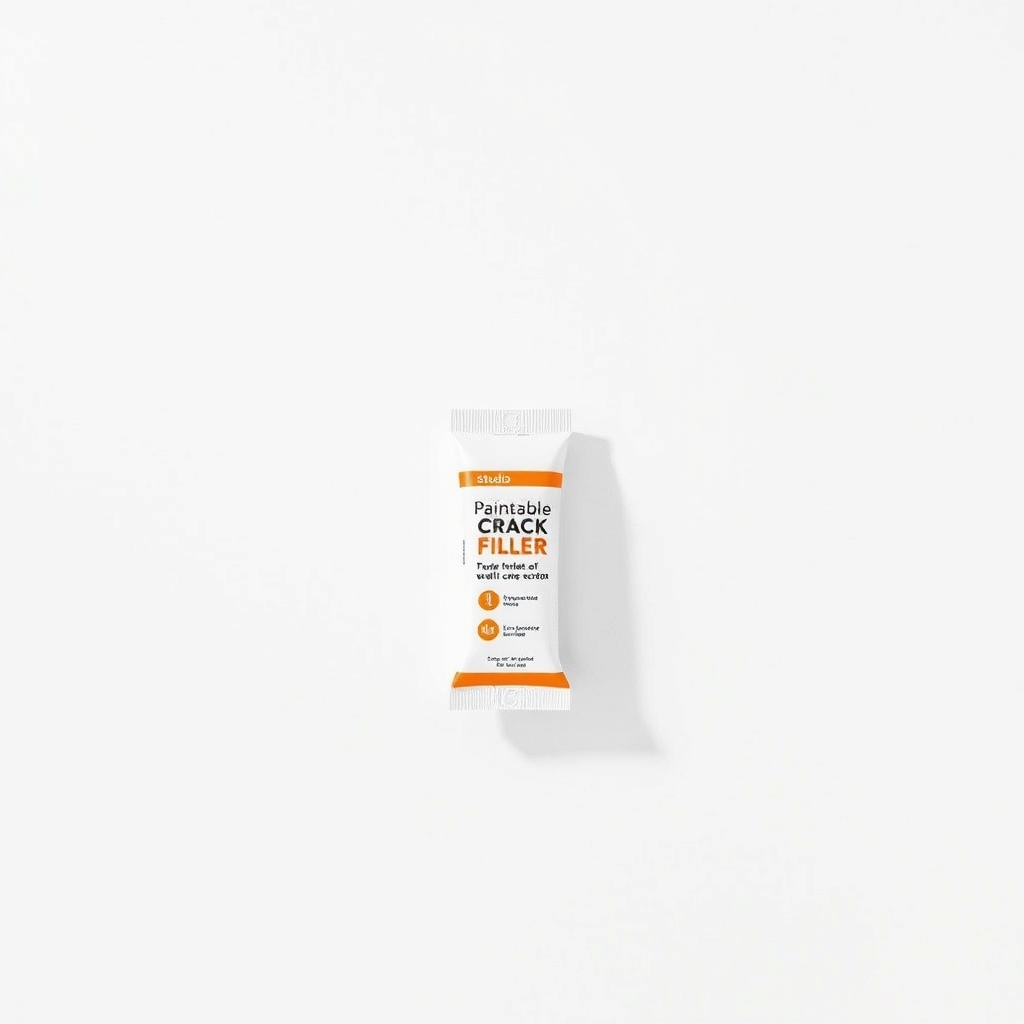
Flexible paintable crack filler
Walls move with changes in humidity and temperature. Hard spackle cannot stretch, so it splits along the old line. A flexible filler moves with the crack and still takes paint like a normal patch.
What to get: Flexible paintable wall crack filler
How long it lasts: Years on most hairline cracks. It stretches a little as the wall moves.
As an Amazon Associate I earn from qualifying purchases.
What you'll need
-
Utility knife
Opens the crack into a shallow V
You have it - Illustration
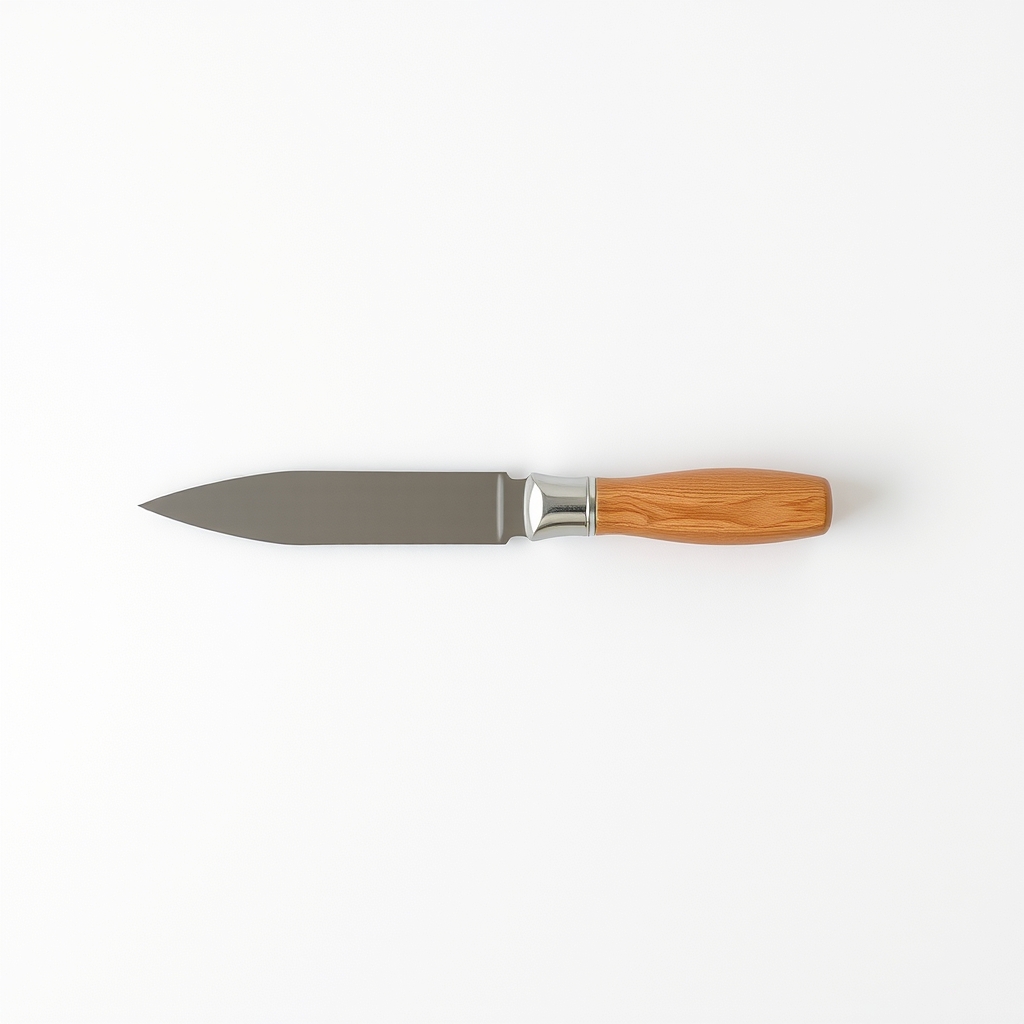
Putty knife
Smooths and levels the filler
- Our pick Illustration
Flexible paintable crack filler
Stays flexible so the crack does not return
- Illustration
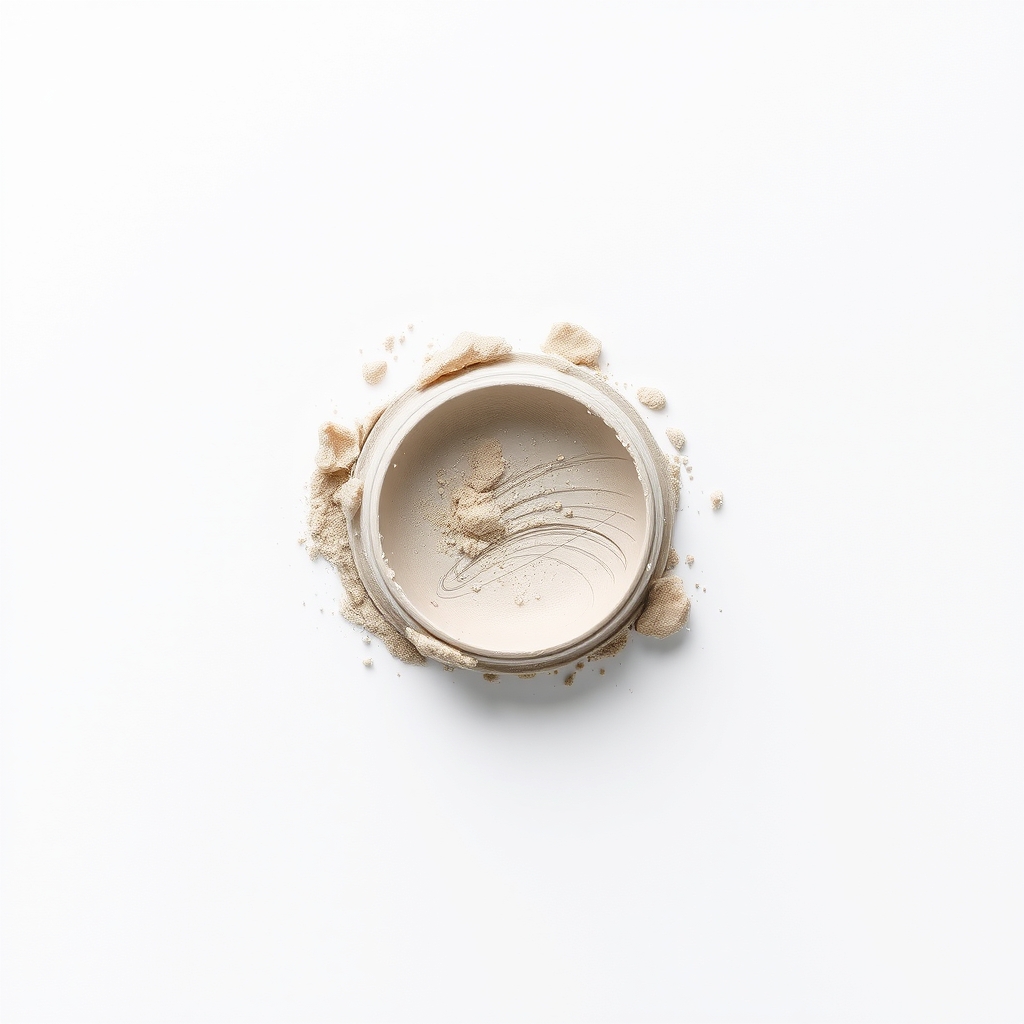
Lightweight spackle
For a hairline that has not moved in years
- Illustration
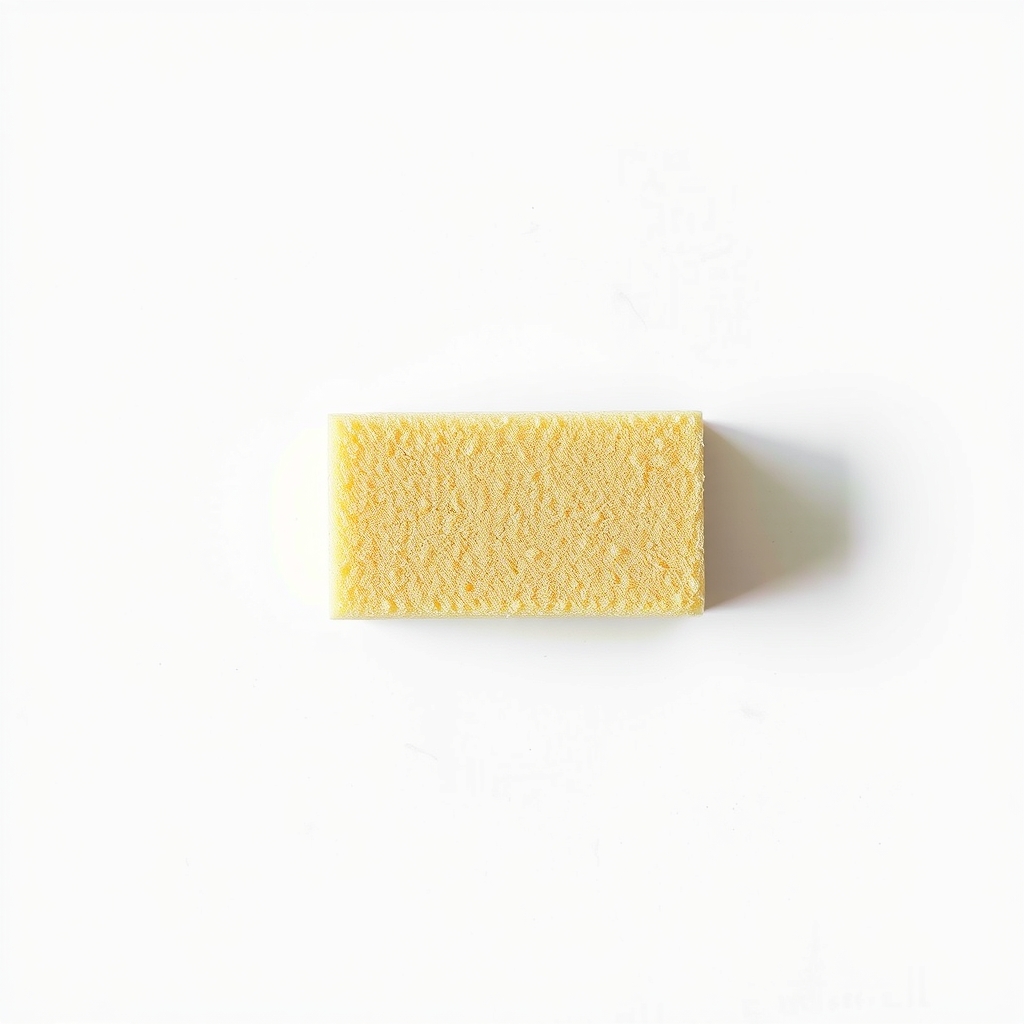
Sanding sponge
Fine grit, for smoothing the dried patch
-
Wall primer and paint
Primer stops the patch from showing through
You have it
Why it happens
Seasonal movement
Wood framing swells in humid months and shrinks in dry ones. Drywall is tied to that framing, so thin cracks open and close with the seasons.
A house settling
New homes often settle in the first few years. Cracks show up above doors and windows and in corners. Hairline cracks like these are usually cosmetic.
Failed joints between sheets
A crack that runs in a straight line, often along a seam, is where the tape or joint compound has let go.
A rigid patch on a moving crack
Standard spackle does not stretch. A patch over a crack that is still moving splits along the same line, which is why a wall seems to keep cracking in the same place.
Moisture
Water stains, bubbling paint or a damp smell near a crack mean water is involved. Find and fix the leak before you fill anything.
Try this first (free)
Do these in order, starting with the simplest.
-
Check that it is only a hairline
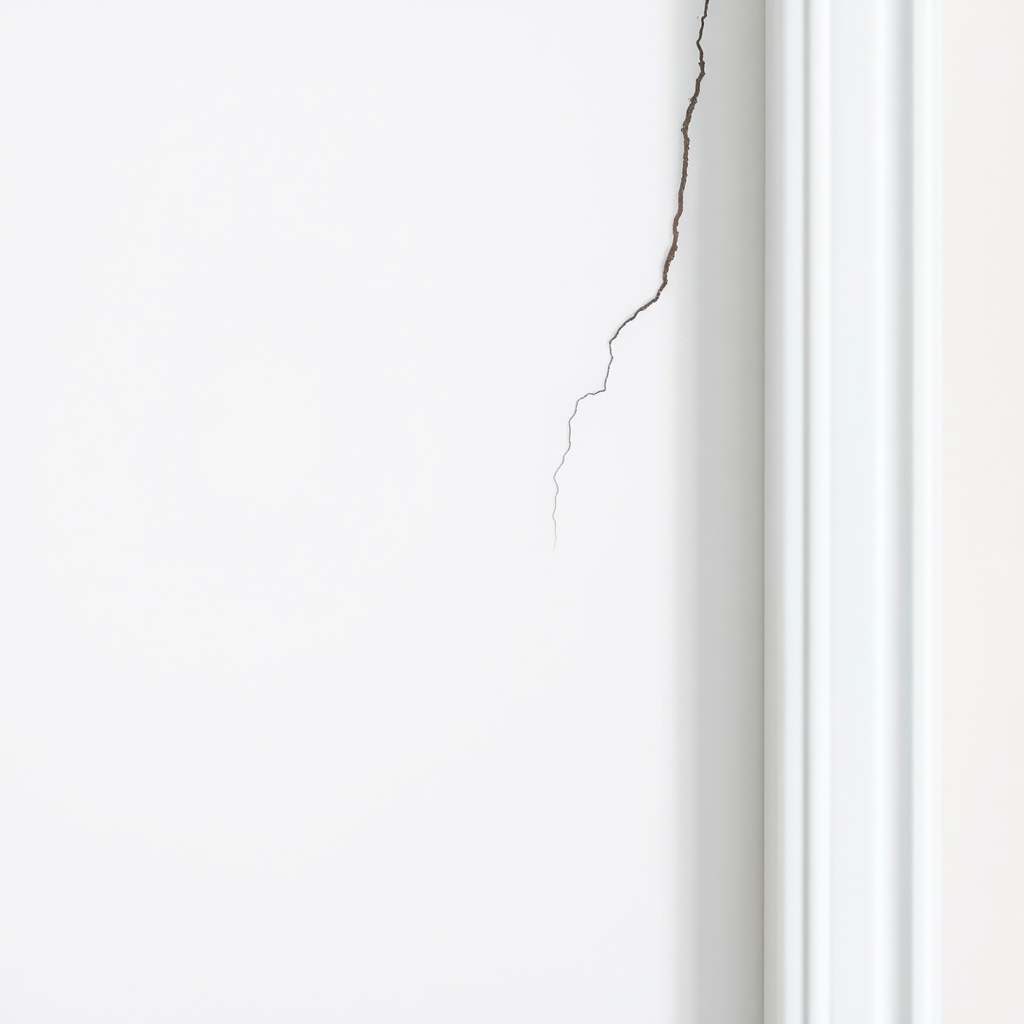
A hairline crack is thin enough that the edge of a credit card barely fits. Wider, growing or stair-stepped cracks need a pro. See the section below.
-
Open the crack and clean it
Tool used: Utility knifeRun the knife tip along the crack to open it into a shallow V, and cut away loose paint. Vacuum or brush out the dust. Filler sticks best to a clean edge.
-
Fill with flexible filler
Tool used: Flexible paintable crack fillerCut the nozzle small, press a bead into the crack and work it in. Wipe the excess off the wall right away. Some flexible fillers do not sand well, so follow the label and keep it neat.
IllustrationCheck price on AmazonTool for this step
Flexible paintable crack filler · Stays flexible so the crack does not return
-
Level the patch
Tool used: Putty knifeDrag the putty knife across the patch at a shallow angle so it sits flush. If the filler shrinks as it dries, add a second thin coat.
-
Sand if the label allows, then prime
Tool used: Sanding spongeLet it dry fully, which the label will say. Sand lightly with fine grit if the product allows it, and wipe off the dust. Spot-prime the patch, because bare filler soaks up paint and leaves a dull spot.
IllustrationCheck price on AmazonTool for this step
Sanding sponge · Fine grit, for smoothing the dried patch
-
Paint the wall
Tool used: Wall primer and paintBrush or roll two thin coats of matching paint, feathering past the edges of the patch. Thick coats can crack as they dry.
When free fixes aren't enough
If the crack comes back in the same spot a few months later, the wall is still moving, and a hard patch will not hold. Use a flexible filler. If the crack runs along a drywall seam, reopen it, press in mesh tape and cover it with joint compound. Call a pro if cracks are wider than about a quarter inch, grow over weeks, form stair steps or run diagonally from a door or window corner. Also call one if doors and windows start sticking, floors slope or the wall bulges.
Buy the fix
Still stuck after the free fixes? These are the products we would look at.
| Pick | Product | Fixes | Who it's for | Buy |
|---|---|---|---|---|
| Best pick | Flexible paintable wall crack filler | hairline cracks that reopen because the wall keeps moving | Anyone whose cracks keep returning in the same spot. | Check price |
| Budget pick | Lightweight spackle | stable, still hairline cracks and nail holes | Renters, or anyone with a crack that has not moved in years. | Check price |
| Upgrade pick | 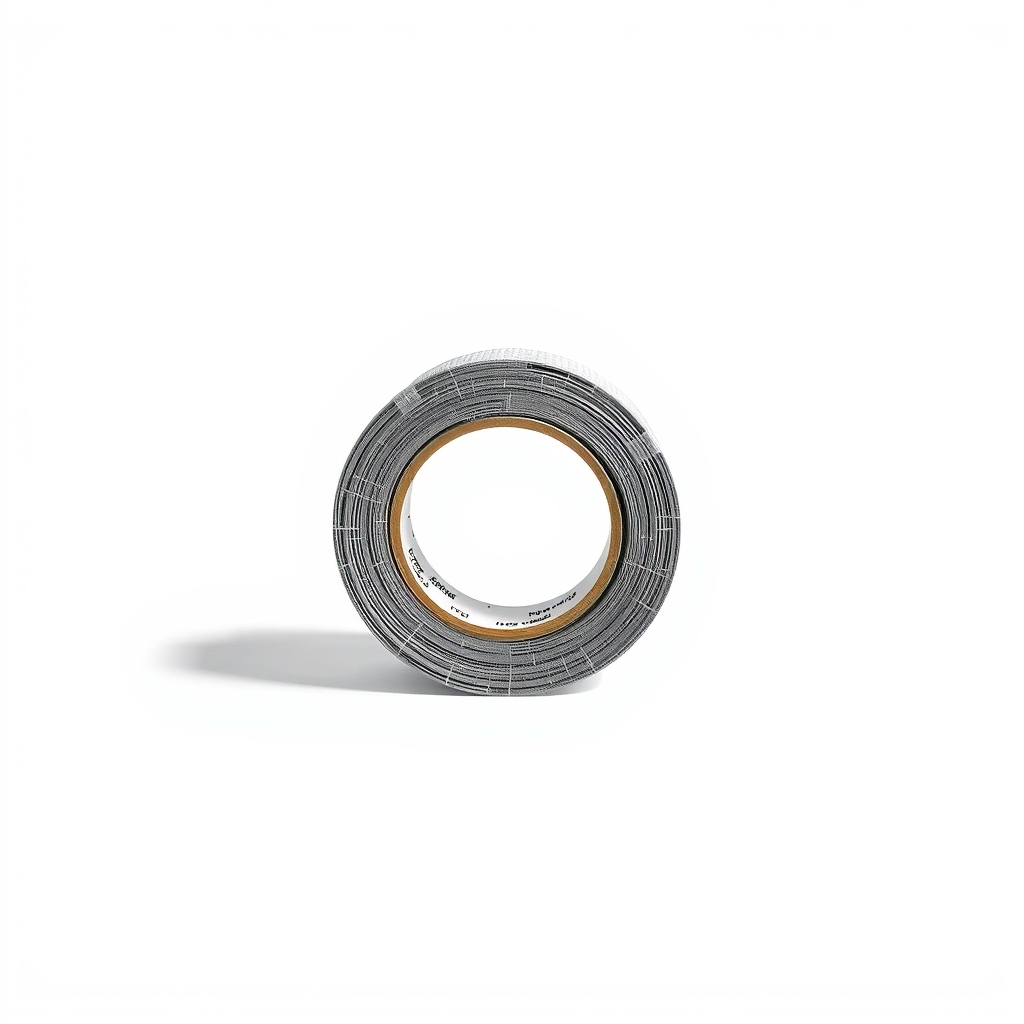 Self-adhesive drywall mesh tape | straight cracks along drywall seams or ceiling joints | Anyone with a seam crack who is comfortable using joint compound. | Check price |
Flexible paintable wall crack filler
Fixes: hairline cracks that reopen because the wall keeps moving
Look for: Stays flexible after it dries; Paintable with standard wall paint; A tube or bottle with a small nozzle; Labeled for interior walls and ceilings.
- Who it's for
- Anyone whose cracks keep returning in the same spot.
- Honest downside
- The crack is wider than about a quarter inch or growing. See a pro first.
Lightweight spackle
Fixes: stable, still hairline cracks and nail holes
Look for: Dries quickly and sands smooth; A small tub, since you only need a little; Paintable.
- Who it's for
- Renters, or anyone with a crack that has not moved in years.
- Honest downside
- The crack has reopened before. Use a flexible filler.
Self-adhesive drywall mesh tape
Fixes: straight cracks along drywall seams or ceiling joints
Look for: Self-adhesive backing that sticks to painted drywall; Fiberglass mesh, thin enough to hide under joint compound; A roll long enough for the crack.
- Who it's for
- Anyone with a seam crack who is comfortable using joint compound.
- Honest downside
- The crack is a short hairline in the middle of a wall. Filler is enough.
As an Amazon Associate I earn from qualifying purchases. We don't show prices because they change, so use the button to see today's price.
How we picked: How we picked: this page is based on drywall repair guides, filler maker instructions, home inspection advice about cracks and what owners report in reviews. We do not test products by hand.
Which cracks are cosmetic, and which are not
- Usually cosmetic: hairline cracks, thinner than a credit card edge, at corners, above doors and windows or along seams.
- Call a pro: cracks wider than about a quarter inch, cracks that grow over weeks, stair-step or horizontal cracks, bulging walls, sticking doors or windows, and cracks with water stains.
Older home or plaster walls
Plaster cracks are common, and a flexible filler works on fine plaster cracks too. If the plaster sounds hollow or feels loose when you press it, ask a plasterer. If the house was built before 1978, test old paint for lead before sanding or scraping.
What to skip
Plain paint and silicone caulk
Paint alone only hides a crack for a few weeks. Silicone caulk looks like a fix, but most paints will not stick to it, so you get a shiny stripe on the wall. Choose a filler that says paintable.
Frequently asked questions
Why do my walls keep cracking?
Why are my walls cracking? Is it serious?
Why does the wall keep cracking in the same place?
How long should I wait before painting the filler?
Related problems
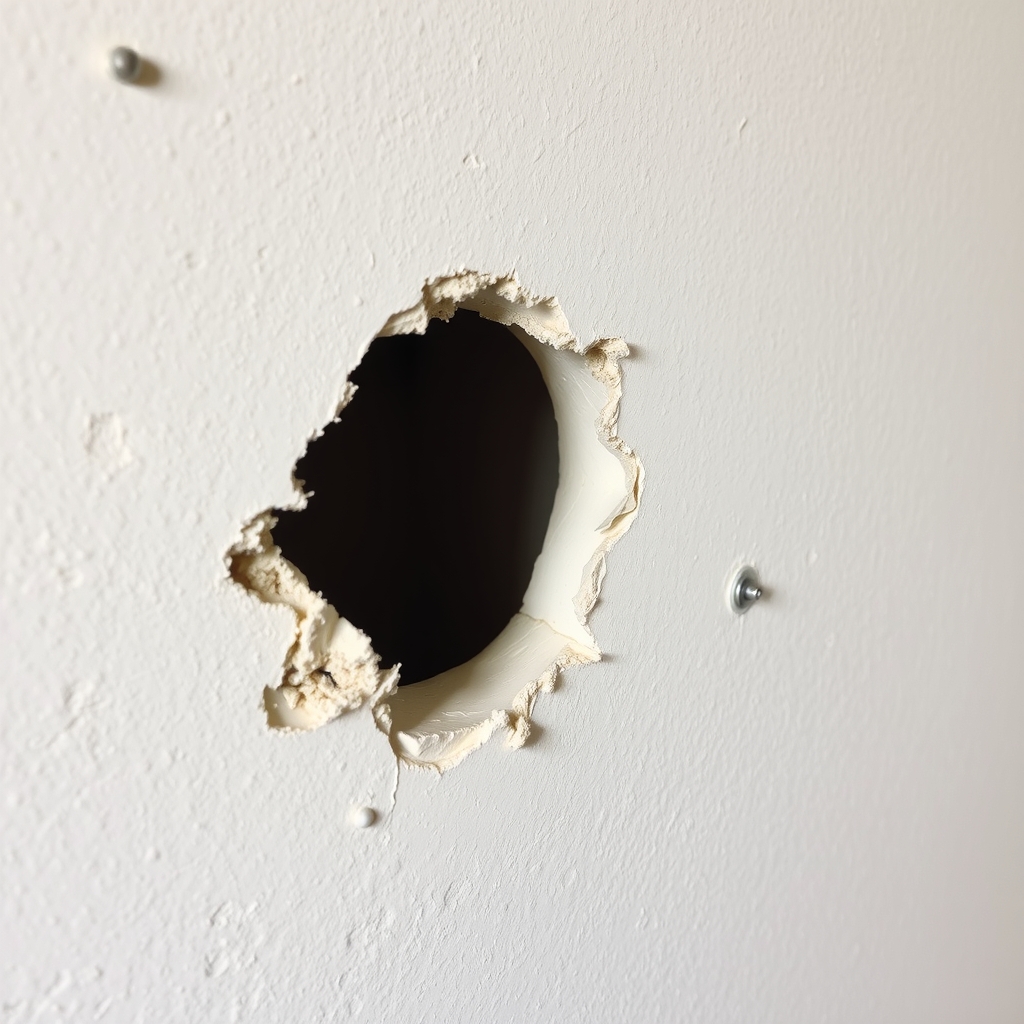 Free fix inside
Cleaning · Walls
Holes in Walls? Patch Kits for Small and Medium Holes
Read the fix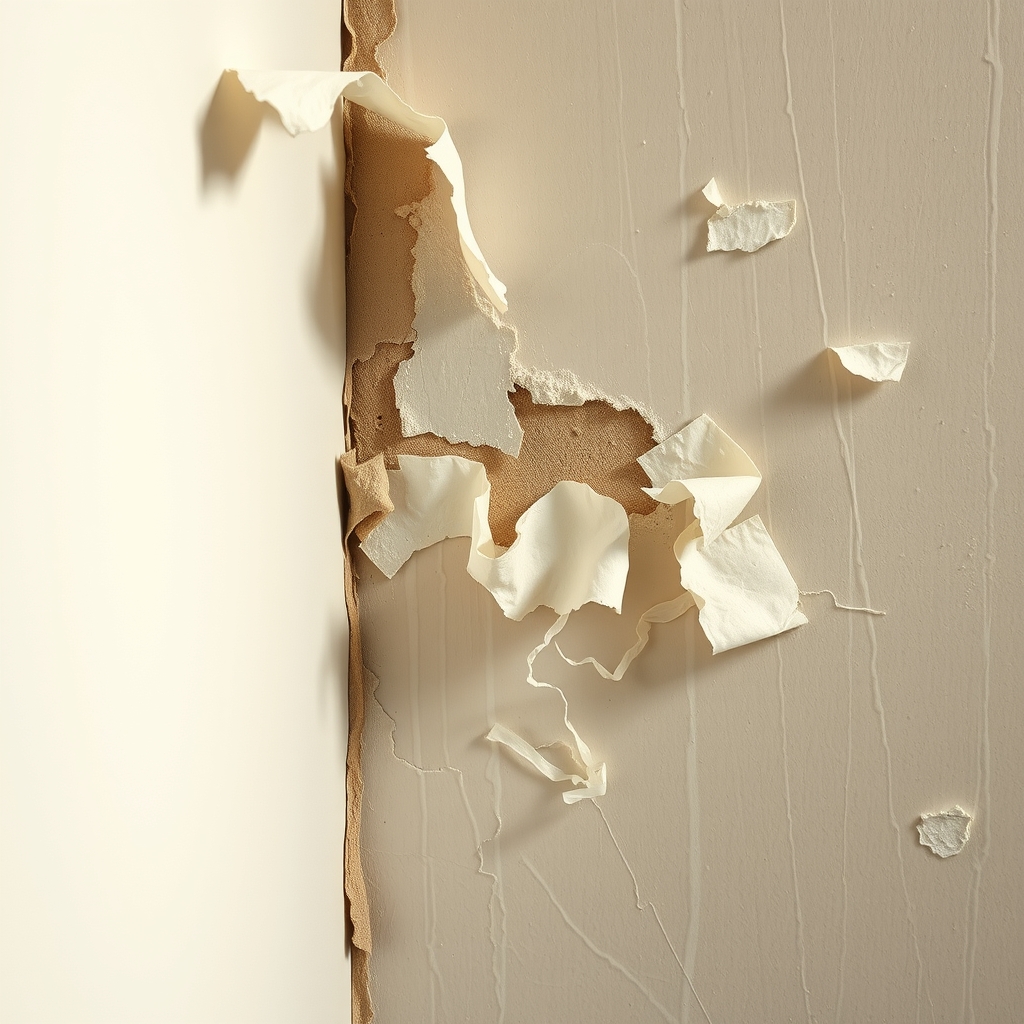 Free fix inside
Cleaning · Walls
Peeling Paint on Walls? Scrape, Prime, and Repaint So It Sticks
Read the fix Free fix inside
Cleaning · Wall Paint Touch-Up
Scuffed Apartment Walls? Touch-Up Paint and Spackle That Blend
Read the fix Free fix inside
Cleaning · Walls
Wall Keeps Getting Moldy? Clean It, Block It, Fix the Moisture
Read the fixAs an Amazon Associate I earn from qualifying purchases. Affiliate disclosure