Hard Water Stains on Stainless Steel? A Gentle Fix, No Scratches
White spots and chalky rings are mineral deposits. Dissolve them with vinegar, wipe with the grain, and use a citric acid cleaner if they linger.
By Jamilur Rahman Updated November 5, 2026 · 6 min read
- Time
- 15 min
- Cost
- Under $20
- Difficulty
- Easy
In this guide
Quick answer
To remove hard water stains from stainless steel, dissolve the minerals with white vinegar on a soft cloth, wipe with the grain, rinse with plain water and dry right away. For crusty spots that vinegar leaves behind, a stainless cleaner with citric acid does the same job faster. Never use steel wool or scouring powder, because they scratch the finish and the spots return faster.
Free fix vs. permanent fix
A vinegar soak, then dry
- Lay a vinegar-soaked cloth on the spot for 5 to 10 minutes
- Wipe with the grain, then rinse with plain water
- Buff dry with a clean microfiber cloth
- Never use steel wool or scouring powder
How long it lasts: The spots are gone. New ones come back as hard water dries on the steel, unless you wipe it dry.
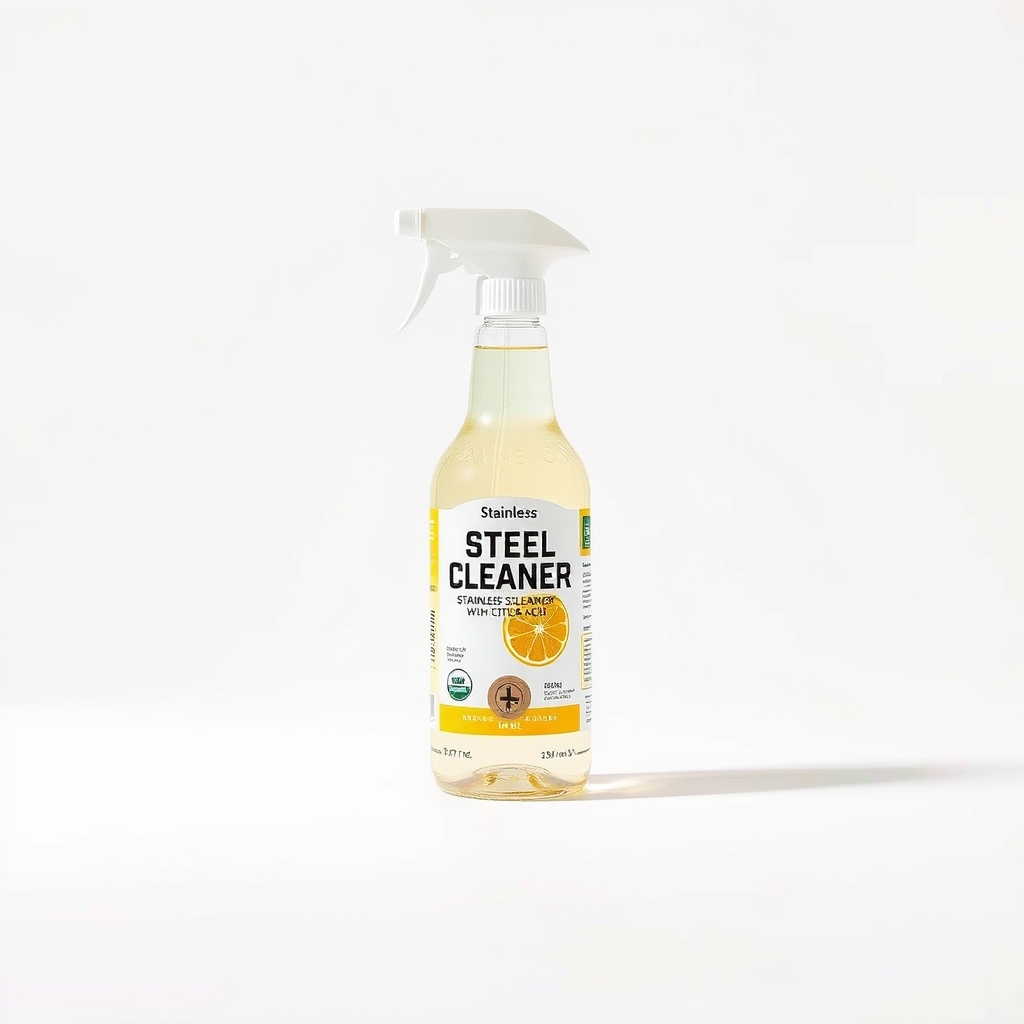
A stainless steel cleaner with citric acid
Citric acid dissolves limescale much like vinegar, but a cleaner made for stainless comes in a spray or gel that clings to vertical surfaces and tackles thick crust, without the vinegar smell. Wiping dry after use is what keeps spots from forming again.
What to get: Stainless steel cleaner with citric acid
How long it lasts: Cleans in one pass and keeps the weekly wipe-down quick. It does not stop new spots, since drying does that.
As an Amazon Associate I earn from qualifying purchases.
What you'll need
-
White vinegar
Warm it slightly for faster results
You have it -
Soft microfiber cloth
For applying and for buffing dry
You have it -
Dish soap
Removes grease before the acid step
You have it - Our pick Illustration
Stainless steel cleaner with citric acid
For crust that vinegar does not lift
- Illustration
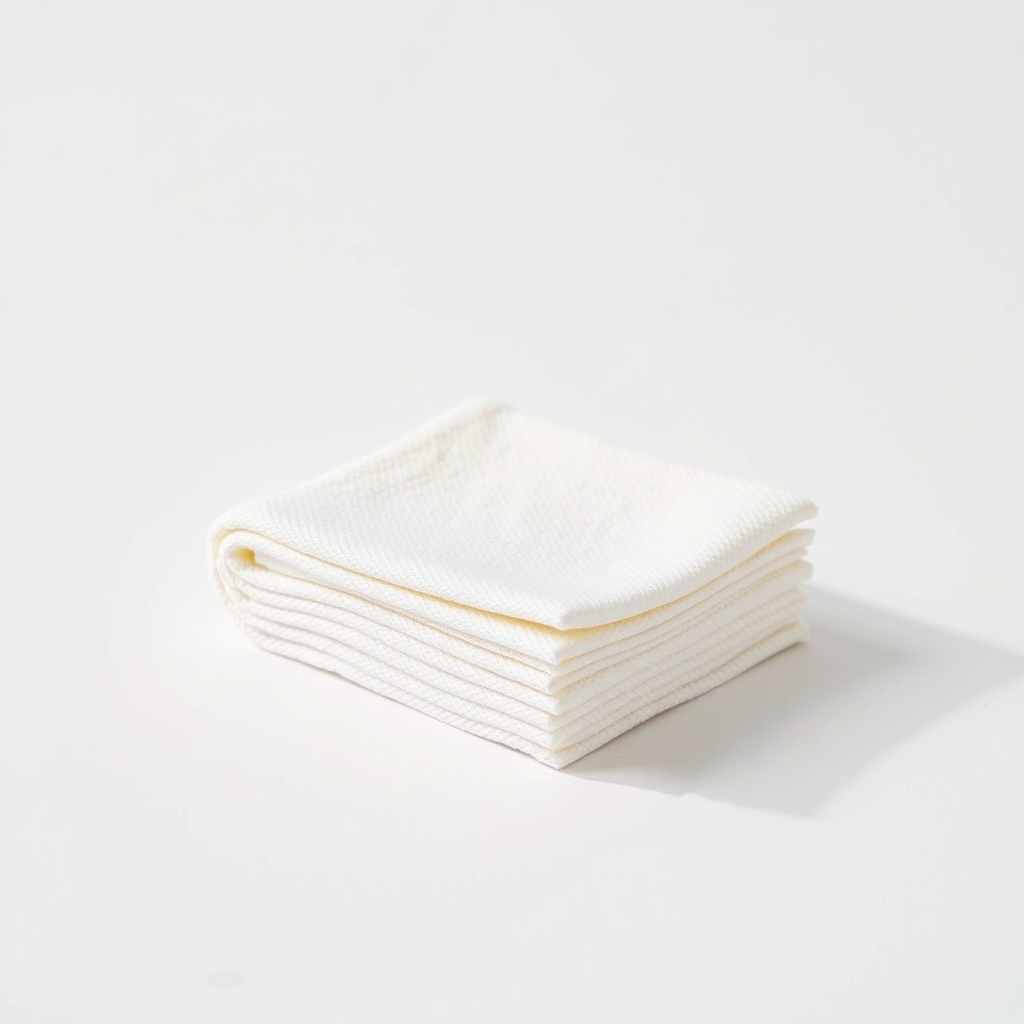
Lint-free microfiber cloth pack
Keeps a dry cloth on hand for buffing
Why it happens
Minerals left behind when water dries
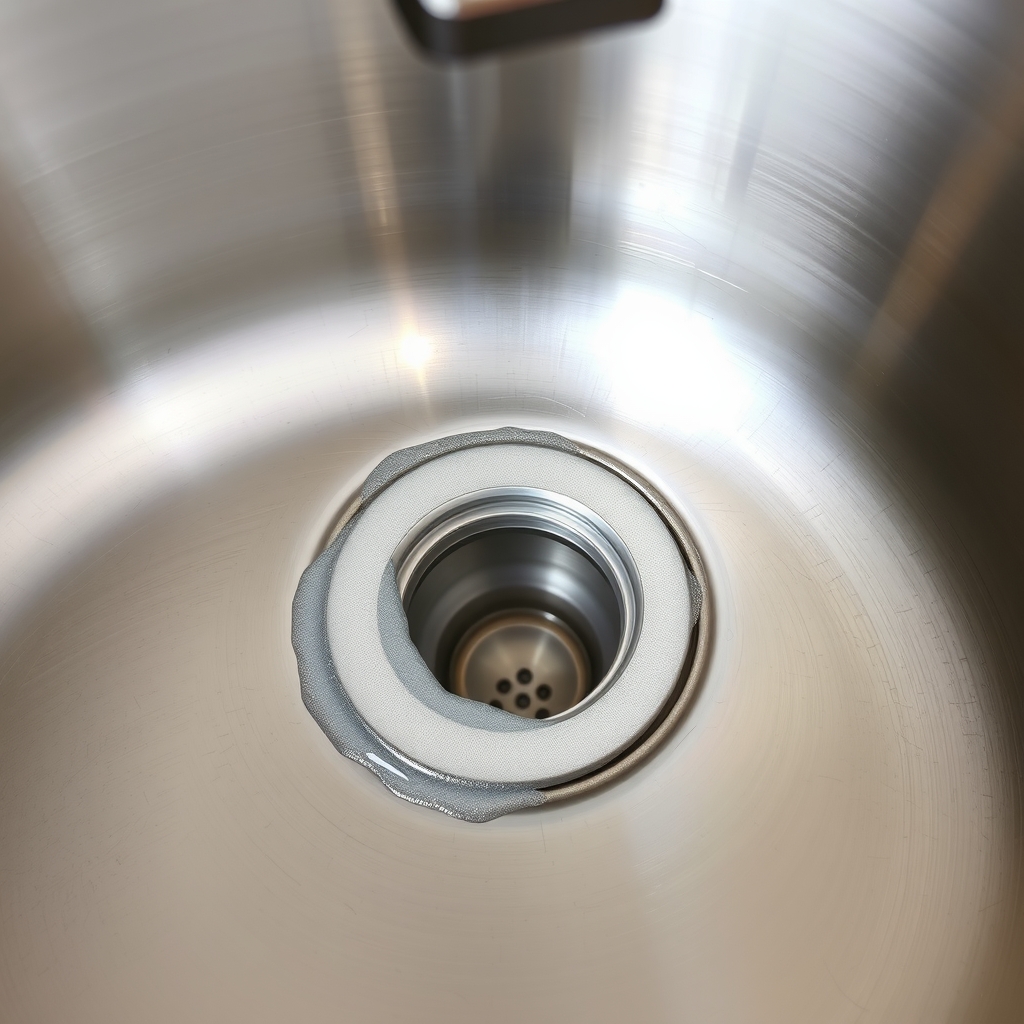
Hard water carries calcium and magnesium. When a drop evaporates, the minerals stay on the steel as white spots and rings.
Water drying slowly on a flat surface
Standing water in a sink bowl or on a splash zone dries in rings. The longer it sits, the harder the film gets.
Very hard water in the house
The harder your water, the faster spots return. Your local water report or a test strip shows how hard it is.
Scrubbing with abrasives
Rough pads scratch the surface. Minerals catch in the scratches, so spots form faster and are harder to remove.
Try this first (free)
Do these in order, starting with the simplest.
-
Remove grease and loose dirt first
Tool used: Dish soapWash the surface with warm water and a drop of dish soap, then rinse. Grease blocks the vinegar from reaching the minerals.
-
Soak the spot with vinegar
Tool used: White vinegarWet a cloth or paper towel with white vinegar and lay it over the stain for 5 to 10 minutes. On a vertical surface, a soaked paper towel stays in place.
-
Wipe with the grain
Tool used: Soft microfiber clothLook for the fine lines in the steel and wipe along them. Rubbing across them leaves visible marks.
-
Rinse and dry right away
Rinse with plain water so no vinegar stays on the surface, then buff dry. Drying stops new spots from forming.
-
Repeat on stubborn crust
A thick white crust may need a second soak with a few more minutes. Do not scrape it with a knife or a scouring pad.
When free fixes aren't enough
If vinegar softens the spots but does not lift them, they have built up for a long time, and a citric acid stainless cleaner lets you work the same way with a stronger formula made for the finish. Check your manual first: black stainless, fingerprint-resistant coatings and some painted finishes can be damaged by acid or abrasives. If you see orange-brown spots or pitting, that is rust and not hard water. If the spots come back within a day, your water is very hard, and a quick dry wipe after each use is the real fix.
Buy the fix
Still stuck after the free fixes? These are the products we would look at.
| Pick | Product | Fixes | Who it's for | Buy |
|---|---|---|---|---|
| Best pick | Stainless steel cleaner with citric acid | crusty hard water spots that vinegar will not lift | Anyone with sink, faucet or appliance spots that keep building up. | Check price |
| Budget pick | Lint-free microfiber cloth pack | streaks and scratches from rough cloths, and spots that return because the steel was not dried | Anyone using paper towels, sponges or rough cloths on steel. | Check price |
Stainless steel cleaner with citric acid
Fixes: crusty hard water spots that vinegar will not lift
Look for: Names citric acid or says it removes hard water and limescale; Labeled safe for stainless steel and free of abrasives; A spray or gel that clings to vertical surfaces.
- Who it's for
- Anyone with sink, faucet or appliance spots that keep building up.
- Honest downside
- Your appliance is black stainless or has a smudge-resistant coating. Read the manual first.
Lint-free microfiber cloth pack
Fixes: streaks and scratches from rough cloths, and spots that return because the steel was not dried
Look for: A soft, non-abrasive weave; Lint-free, so no fibers stay on the steel; Enough cloths to keep one dry for buffing.
- Who it's for
- Anyone using paper towels, sponges or rough cloths on steel.
- Honest downside
- You already own soft microfiber cloths.
As an Amazon Associate I earn from qualifying purchases. We don't show prices because they change, so use the button to see today's price.
How we picked: How we picked: this page is based on stainless steel care guides, appliance manuals, and the problems and fixes people report in reviews. We do not test products by hand.
Which stainless surface do you have?
- Sink and faucet: vinegar-soaked towels around the faucet base and bowl, then rinse and dry.
- Fridge and dishwasher doors: follow the grain, and check the manual for coated finishes.
- Water bottles and pots: fill with diluted vinegar for 10 minutes, then rinse well.
- Kettles and cookware: simmer a half-and-half mix of vinegar and water for a few minutes if the manual allows, then rinse and dry.
What to skip
Steel wool, scouring powder and bleach
Steel wool and scouring powder scratch the finish, and scratches trap minerals. Bleach and chlorine cleaners can pit stainless steel. Keep them off the surface.
Frequently asked questions
Does vinegar damage stainless steel?
Why do hard water spots keep coming back on stainless steel?
Can I use lemon juice instead of vinegar?
How do I remove hard water stains from a stainless steel sink?
Can I use a store-bought limescale remover on stainless steel?
Related problems
 Free fix inside
Cleaning · Stainless Steel Appliances
Fingerprints on Stainless Steel Appliances? Keep Them Smudge Free
Read the fix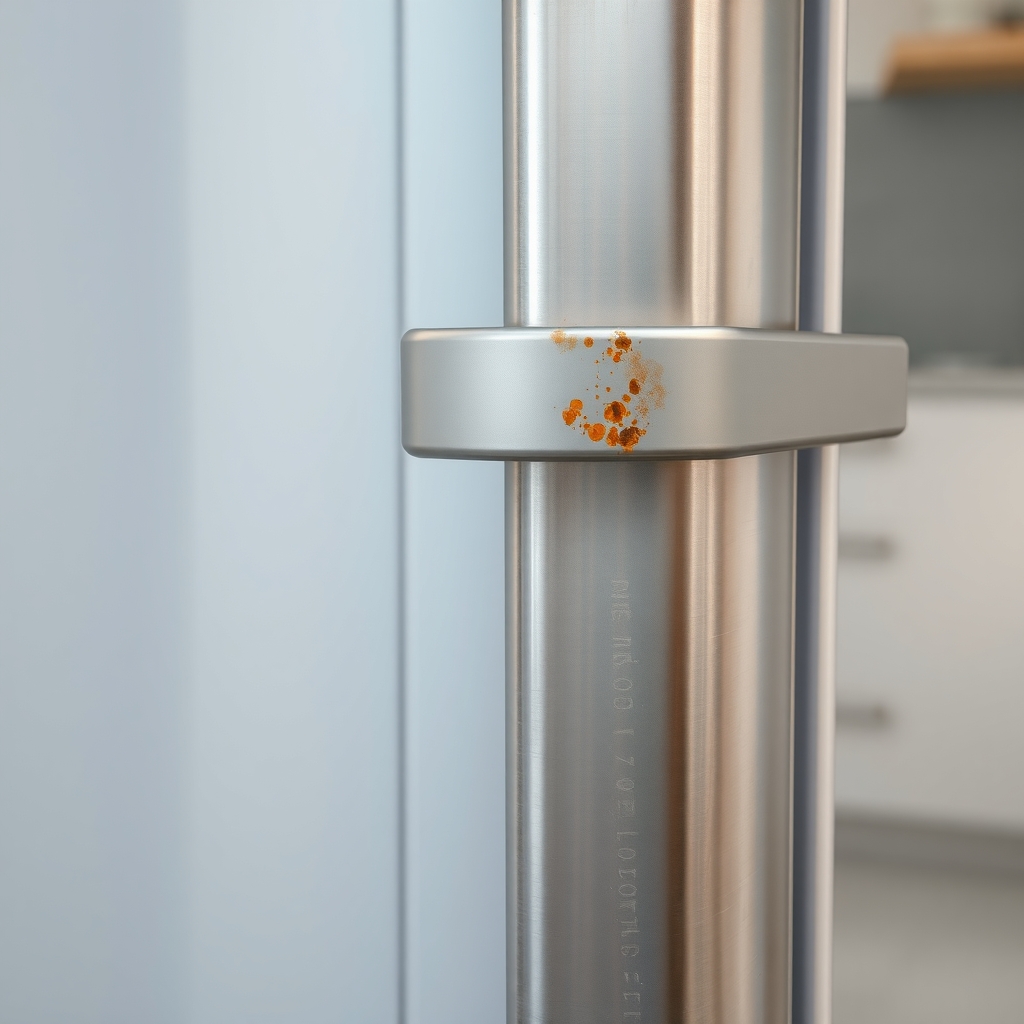 Free fix inside
Cleaning · Stainless Steel Appliances
Rust Spots on Stainless Steel Appliances? Remove Them for Good
Read the fix Free fix inside
Cleaning · Stainless Steel Appliances
Scratched Stainless Steel Appliance? Which Scratches Buff Out
Read the fix Free fix inside
Cleaning · Hard Water Stains
Hard Water Stains on Glass? A Vinegar Soak, Then a Remover That Works
Read the fixAs an Amazon Associate I earn from qualifying purchases. Affiliate disclosure