Scratched Stainless Steel Appliance? Which Scratches Buff Out
Light scratches in stainless steel buff out; deep ones need a grit kit. Run the fingernail test, then work with the grain, never against it.
By Jamilur Rahman Updated November 5, 2026 · 6 min read
- Time
- 20 min
- Cost
- Under $20
- Difficulty
- Easy
In this guide
Quick answer
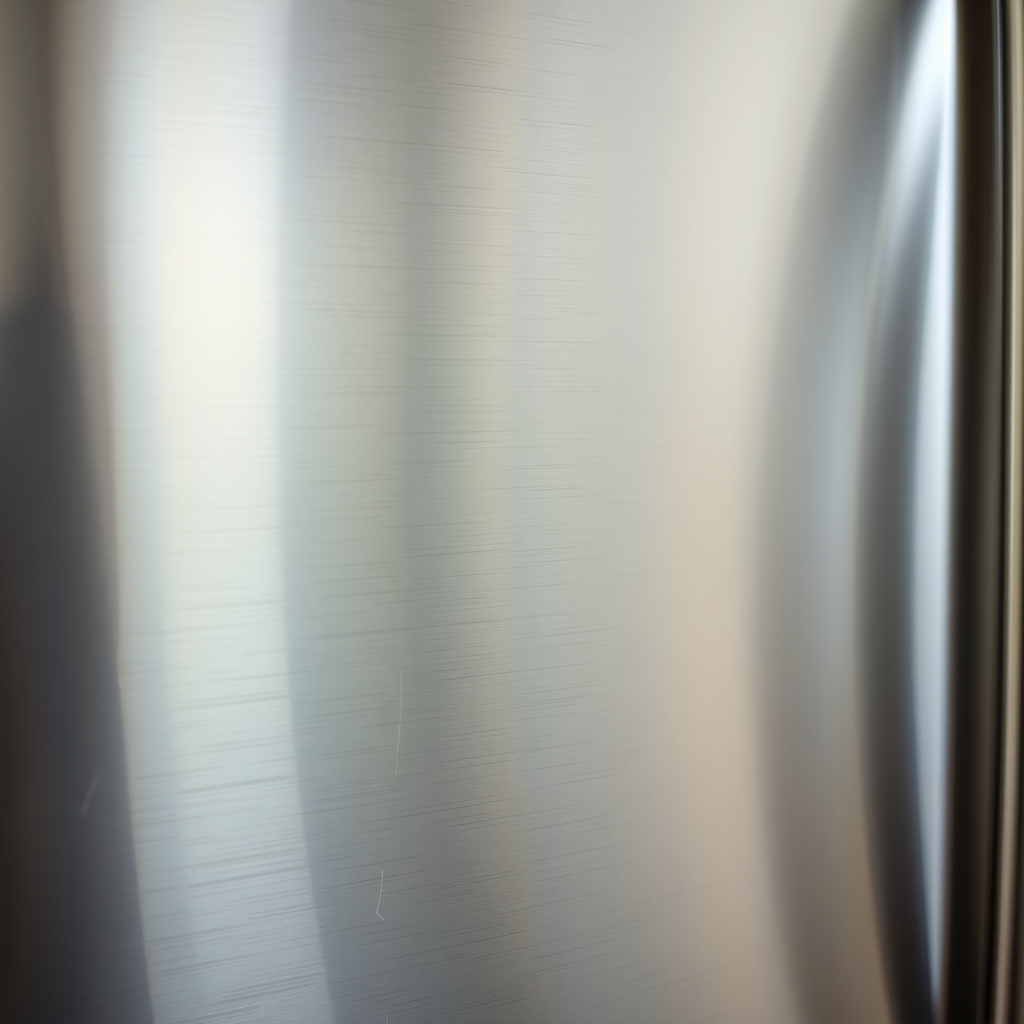
Brushed stainless steel has a fine grain, and most scratches are shallow marks in it. If your fingernail glides over the scratch, a baking soda paste rubbed with the grain often blends it away. If the nail catches, the groove is deeper, and a stainless steel scratch repair kit with graded abrasive pads is what removes it. Check your manual first if the finish is black, dark or coated.
Free fix vs. permanent fix
Fingernail test and baking soda paste
- Drag a fingernail across the scratch to judge how deep it is
- Find the direction of the grain and work only along it
- Rub on a baking soda paste with a damp microfiber cloth
- Wipe clean and buff dry
How long it lasts: Permanent for scuffs and hairline marks, because the surface is polished level. It does nothing for a scratch your nail catches on.
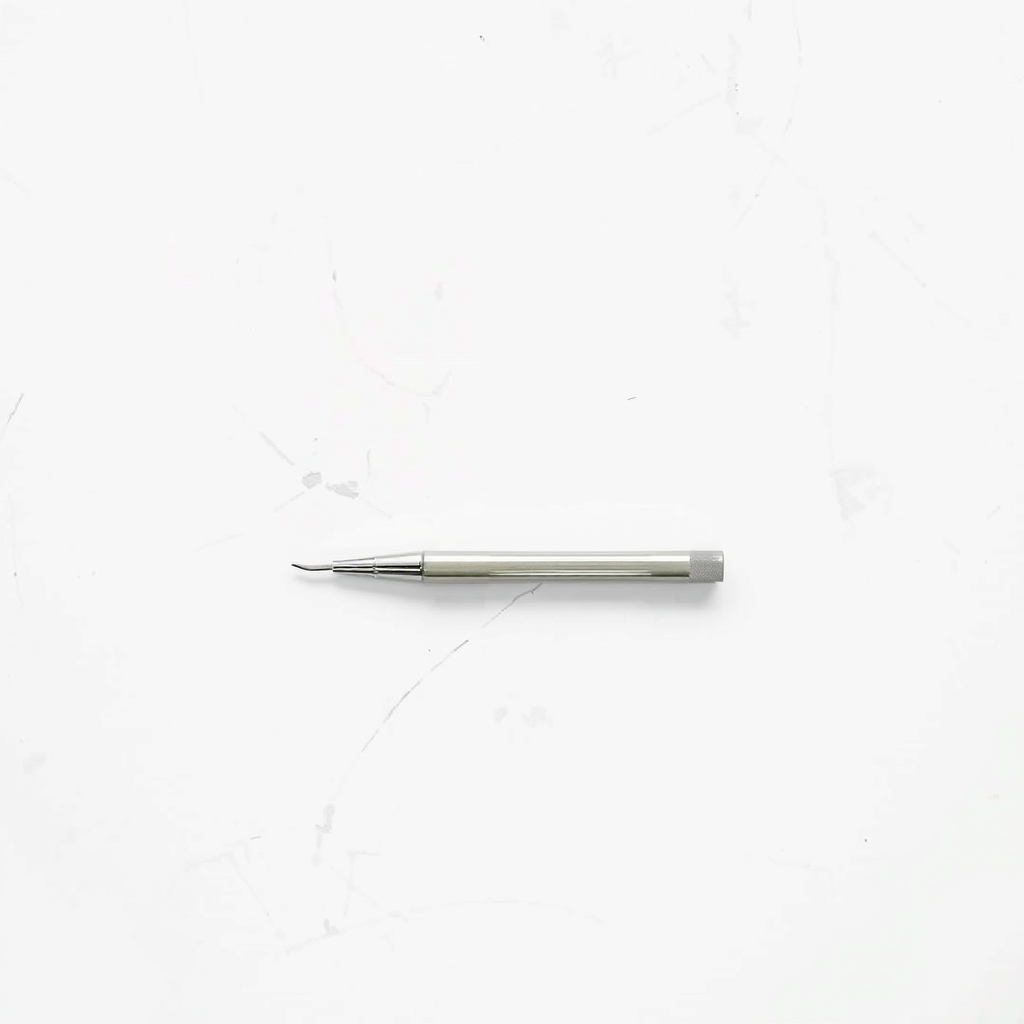
A stainless steel scratch repair kit
A deep scratch is a groove cut into the steel, so paste cannot reach the bottom. A kit gives you graded abrasive pads that wear the surrounding metal down to the groove's level, then re-create the brushed grain. Done with the grain, the mark disappears instead of being hidden.
What to get: Stainless steel scratch repair kit
How long it lasts: Permanent. The scratch is worn out of the metal, not covered over.
As an Amazon Associate I earn from qualifying purchases.
What you'll need
-
Microfiber cloths
One damp, one dry
You have it -
Baking soda
A mild abrasive for light marks
You have it -
Painter's tape
Masks handles, edges and displays so only the scratched panel gets rubbed
You have it - Our pick Illustration
Stainless steel scratch repair kit
Graded pads and polish for scratches your nail catches on
- Illustration
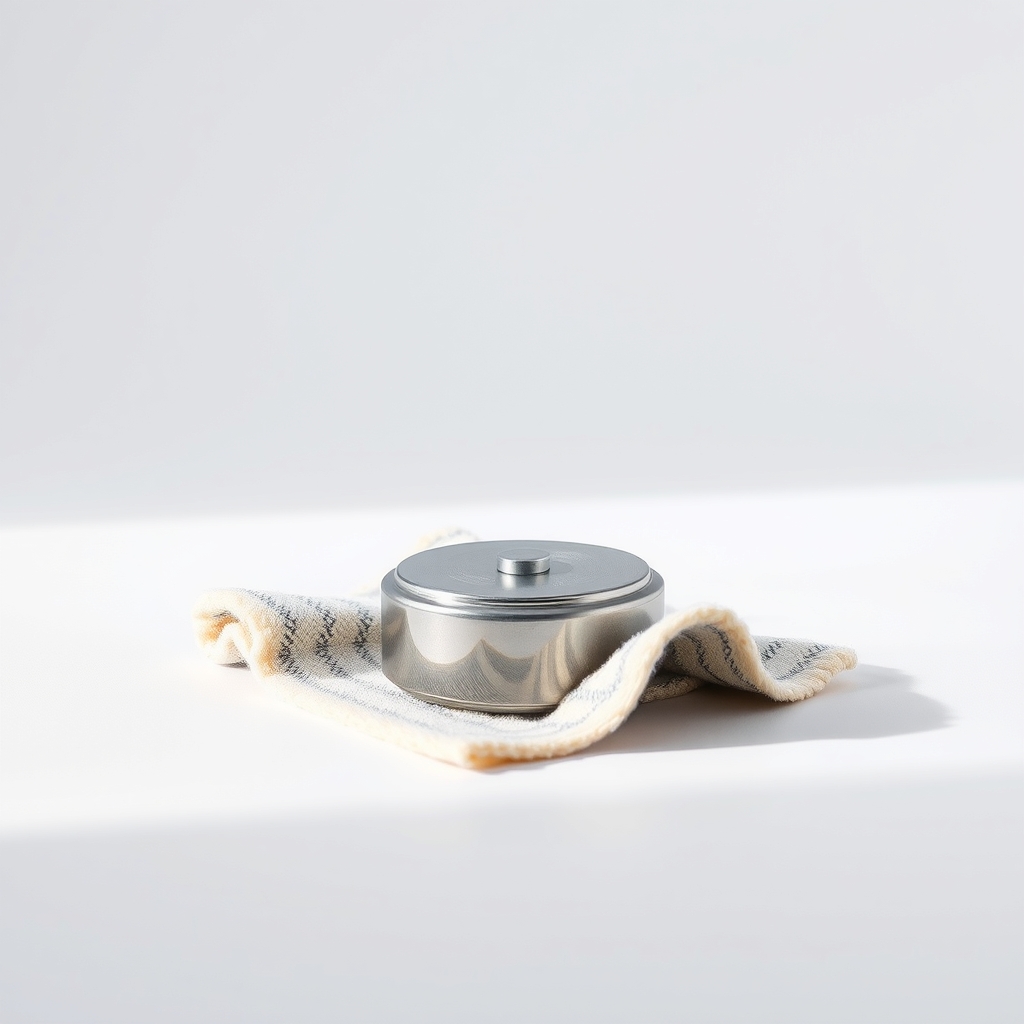
Stainless steel polish
Fills faint lines and cuts fingerprints
Why it happens
Abrasive cleaning tools
Steel wool, gritty powders and rough scrub pads cut lines into the finish. Even a dry cloth drags grit across the door like fine sandpaper.
Everyday knocks
Belt buckles, keys, rings, pot handles and kids' toys scrape front panels. A sharp edge makes a deep groove, not just a scuff.
Moving the appliance
Dragging a fridge or dishwasher out of a tight gap scrapes the sides against cabinets and walls.
Try this first (free)
Do these in order, starting with the simplest.
-
Run the fingernail test
Slide a fingernail across the scratch, at a right angle. If it glides over, the scratch is shallow and will buff out. If it catches, skip ahead to the repair kit.
-
Find the grain and clean the spot
Tool used: Microfiber clothsLook closely. Brushed steel has fine parallel lines, running either side to side or top to bottom. Wipe the area with a damp microfiber cloth, so trapped grit does not add new scratches.
-
Tape off the nearby trim
Tool used: Painter's tapeMask handles, rubber seals, badges and any digital display. You only want to rub the scratched panel.
-
Buff along the grain with baking soda paste
Tool used: Baking sodaMix 2 tablespoons of baking soda with a little water to make a paste like toothpaste. Rub with long strokes, only with the grain, using light pressure for about a minute. Wipe off, dry, and check the spot in good light.
-
Use a repair kit for scratches your nail catches on
Tool used: Stainless steel scratch repair kitFollow the kit's directions. Start with the mildest pad that makes progress, rubbing with the grain in long strokes, and wipe often to check. Finish with the finest pad or the polish, and blend a couple of inches past each end of the scratch.
IllustrationCheck price on AmazonTool for this step
Stainless steel scratch repair kit · Graded pads and polish for scratches your nail catches on
When free fixes aren't enough
If your nail catches in the scratch, baking soda will only polish the edges and leave the groove. The metal around it has to be worn down to the groove's depth, which is what graded pads do. Be careful with black stainless steel, dark tinted finishes and fingerprint-resistant coatings: abrasives can strip them, so check the manual or ask the maker first. A dent, a scratch through to a different color, or a cracked panel is a job for the manufacturer or an appliance technician. Rust spots are a separate problem with their own fix.
Buy the fix
Still stuck after the free fixes? These are the products we would look at.
| Pick | Product | Fixes | Who it's for | Buy |
|---|---|---|---|---|
| Best pick | Stainless steel scratch repair kit | scratches deep enough to catch a fingernail | Anyone with a scratch they can feel on a brushed stainless fridge, dishwasher, range or microwave. | Check price |
| Budget pick | Stainless steel polish with a soft cloth | faint hairline marks that show up in side light | Someone with light surface marks who also wants fewer fingerprints. | Check price |
Stainless steel scratch repair kit
Fixes: scratches deep enough to catch a fingernail
Look for: Several grades of abrasive pad, so you can start gentle and work up; A polishing compound or finishing pad to blend the grain; Instructions that say to work with the grain; Listed as safe for brushed stainless steel appliances.
- Who it's for
- Anyone with a scratch they can feel on a brushed stainless fridge, dishwasher, range or microwave.
- Honest downside
- Your appliance is black stainless, colored or coated. Ask the maker before you rub anything abrasive on it.
Stainless steel polish with a soft cloth
Fixes: faint hairline marks that show up in side light
Look for: A formula made for brushed stainless steel appliances; Wipes on and buffs off without streaks; Safe around food areas, with a clear label.
- Who it's for
- Someone with light surface marks who also wants fewer fingerprints.
- Honest downside
- Your nail catches in the scratch. Polish only masks a deep scratch for a few weeks, and then it wears off.
As an Amazon Associate I earn from qualifying purchases. We don't show prices because they change, so use the button to see today's price.
How we picked: How we picked: this page is based on appliance care guides, advice from makers of stainless steel cleaners and repair kits, and the results and complaints owners report in reviews. We do not test products by hand.
Which scratches buff out?
- Your nail glides over it: a surface scuff or hairline scratch. Baking soda paste or polish will blend it.
- Your nail catches slightly: a shallow groove. Use a repair kit and start with the mildest pad.
- Your nail catches hard, or you see a dent or bare, different-colored metal: a deep gouge. A kit can soften it, but it may stay visible. Ask the maker about a replacement panel.
Brushed, black and coated finishes
Standard brushed stainless steel can be rubbed back to a matching grain. Black stainless, dark finishes and fingerprint-resistant coatings sit on top of the metal, so abrasives can strip them and leave a bright patch. If the manual says nothing, or you are unsure, rub a hidden spot first, such as the bottom edge or the side.
What to skip
Steel wool, scouring powder and rubbing across the grain
Steel wool leaves tiny bits of steel that can rust and cut deeper lines. Scouring powders and bleach cleaners dull and stain the finish. Rubbing across the grain turns a faint scratch into a visible patch, so always follow the lines.
Frequently asked questions
Can you buff scratches out of stainless steel?
How do I restore the finish of a stainless steel appliance?
Will toothpaste or oil fix a scratched stainless steel appliance?
Is a scratch on a new appliance covered by the warranty?
As an Amazon Associate I earn from qualifying purchases. Affiliate disclosure