Hard Water Stains on Glass? A Vinegar Soak, Then a Remover That Works
Light hard water spots lift with a warm vinegar soak. If a cloudy haze stays, the minerals have etched the glass and you need a remover made for glass.
By Jamilur Rahman Updated November 5, 2026 · 6 min read
- Time
- 1 hour
- Cost
- Under $20
- Difficulty
- Easy
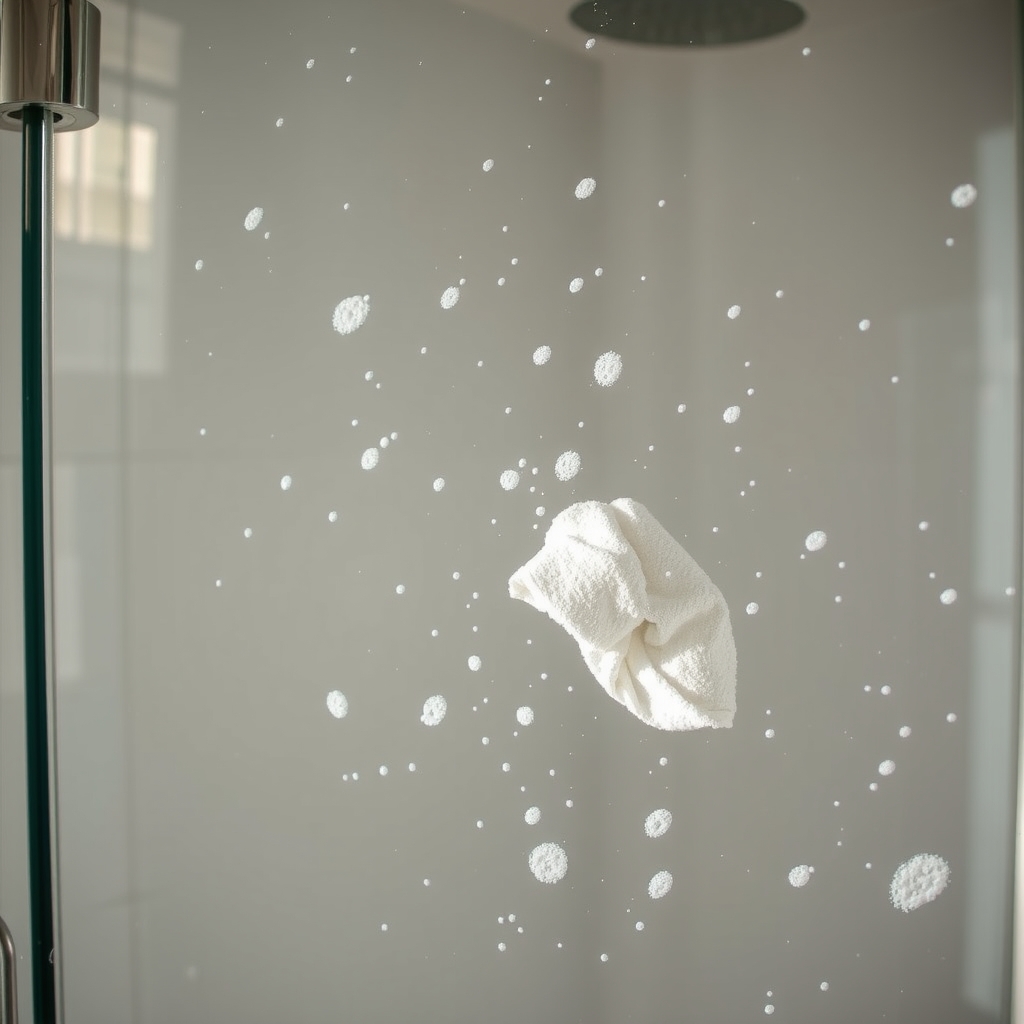
In this guide
Quick answer
How to remove hard water stains from glass: soak the glass with warm white vinegar for 15 to 30 minutes, scrub with a non-scratch pad and rinse. Light spots usually come off. If a cloudy haze stays, the minerals have bonded to or etched the glass, and a stain remover made for glass is what lifts it, since vinegar is too mild.
Free fix vs. permanent fix
Warm vinegar soak and a gentle scrub
- Warm white vinegar in a spray bottle, no dilution for heavy spots
- Lay a soaked cloth over the glass and keep it wet 15 to 30 minutes
- Scrub with a non-scratch pad, then rinse and dry
- Do not mix vinegar with bleach or other cleaners
How long it lasts: Clears light, recent spots well. Heavy, old stains improve but often leave a haze, and spots return unless the glass is dried after each use.
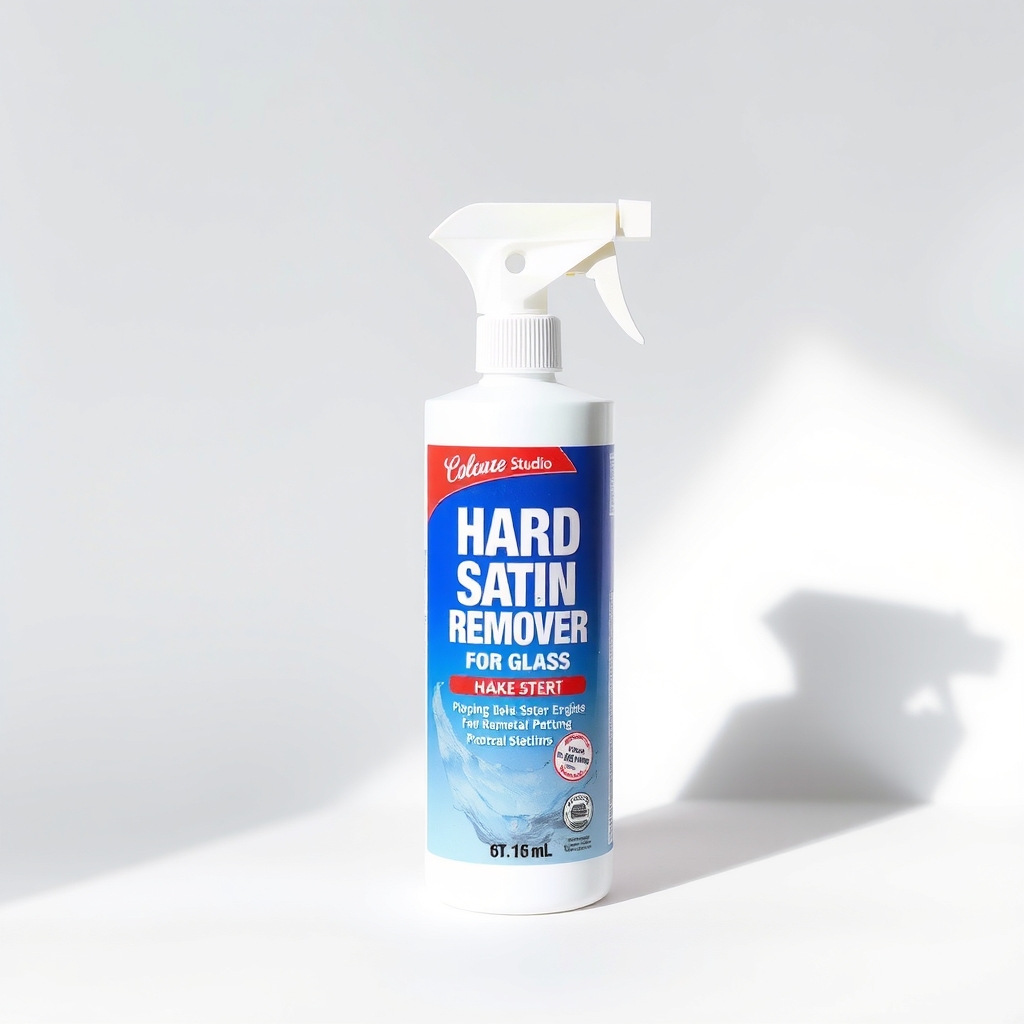
A hard water stain remover made for glass
White vinegar is a weak acid and it cannot break down thick, old deposits. A remover made for glass is stronger or uses a mild abrasive to lift baked-on minerals without scratching the glass. It is the step that clears the stains vinegar leaves behind.
What to get: Hard water stain remover for glass
How long it lasts: The spots are gone until minerals build up again. Drying the glass after each use keeps them away.
As an Amazon Associate I earn from qualifying purchases.
What you'll need
-
Warm white vinegar in a spray bottle
Warm it in the microwave for 30 seconds
You have it -
Soft cloths or paper towels
To hold the vinegar against vertical glass
You have it -
Rubber gloves
Protect your hands from cleaners
You have it - Illustration
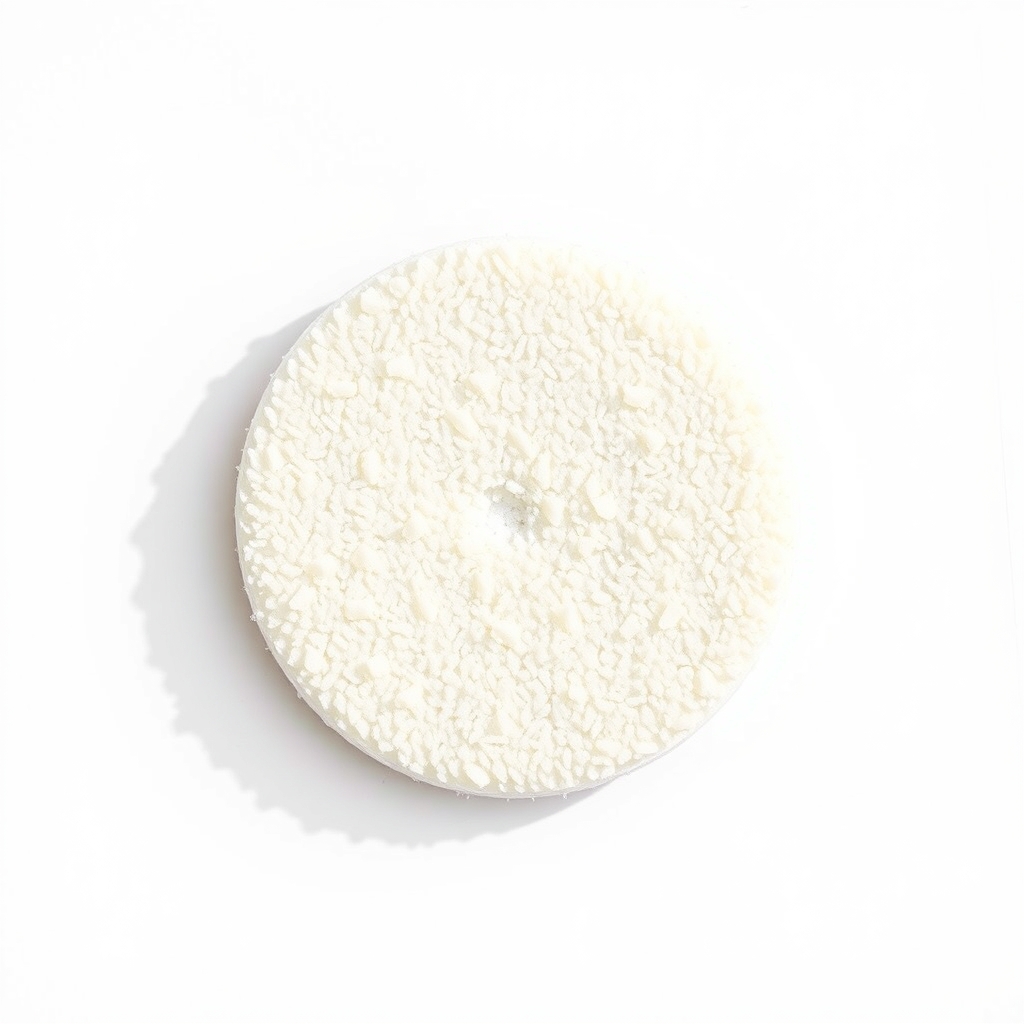
Non-scratch scrub pads
Safe for glass, no metal fibers
- Our pick Illustration
Hard water stain remover for glass
Follow the label and test a small area first
- Illustration
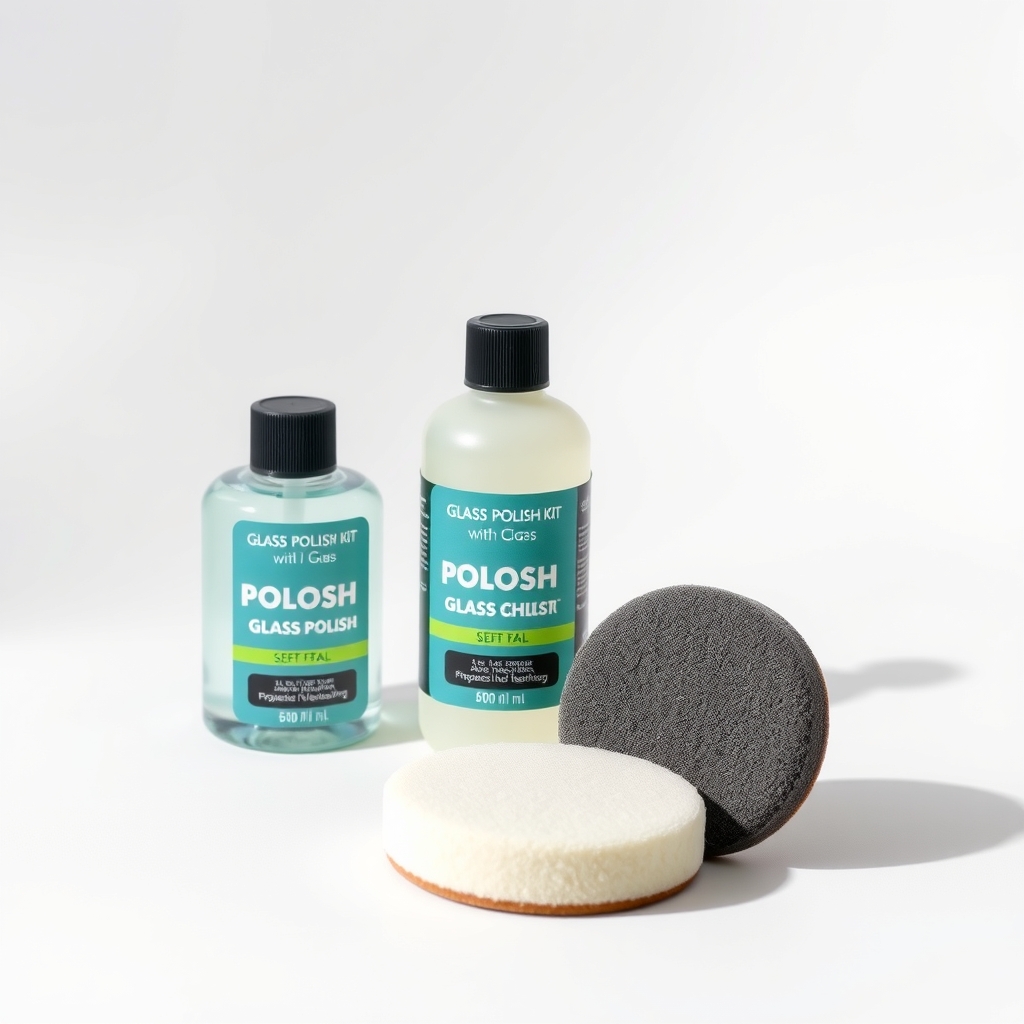
Glass polish with a polishing pad
Only for etched glass that the remover does not clear
Why it happens
Mineral deposits left by evaporating water
Hard water carries calcium and magnesium. When drops dry on glass, the water goes and the minerals stay as white spots or a chalky film.
Deposits that have bonded to the glass
The longer minerals sit, the harder they hold. Hot, damp bathrooms and sprinklers hitting windows leave layers that a quick wipe will not move.
Etching
Over months or years, minerals and cleaners can microscopically damage the glass surface. That is a cloudy pattern in the glass itself, not a coating on top, and it never fully wipes away.
Cleaners that leave residue
Soapy sprays and soap scum can dry into a film that looks like hard water. Rinsing well and drying the glass stops that.
Try this first (free)
Do these in order, starting with the simplest.
-
Test your glass
Run a fingernail across a spot. Deposits feel slightly raised or rough. Etched glass feels smooth but looks cloudy. If it is smooth, minerals have already damaged the surface.
-
Soak the glass with warm vinegar
Tool used: Warm white vinegar in a spray bottleSpray warm white vinegar on the glass. Lay a cloth or paper towel over it, then spray again so it stays wet. Leave 15 to 30 minutes and respray whenever the cloth begins to dry.
-
Scrub gently
Tool used: Non-scratch scrub padsWipe away the cloth and scrub in small circles with a non-scratch pad, wearing gloves. Use light pressure. Rinse well with water.
IllustrationCheck price on AmazonTool for this step
Non-scratch scrub pads · Safe for glass, no metal fibers
-
Dry the glass completely
Wipe it dry with a clean cloth. Water left on the glass dries into new spots.
-
Use a glass stain remover on what is left
Tool used: Hard water stain remover for glassIf the haze stays, use a remover made for glass. Test a small corner first, wear gloves, ventilate the room, and follow the label for time and rinsing.
IllustrationCheck price on AmazonTool for this step
Hard water stain remover for glass · Follow the label and test a small area first
When free fixes aren't enough
If you have soaked twice and the glass still looks cloudy, vinegar has done what it can. A glass-safe remover tackles thick or baked-on deposits. If the spots feel smooth under a fingernail, the glass is etched, and a remover may improve the look but not fully restore it. A glass polishing kit can help on stubborn etching, though badly etched glass may need replacing. Do not use acids on coated, tinted or filmed glass without checking the label.
Buy the fix
Still stuck after the free fixes? These are the products we would look at.
| Pick | Product | Fixes | Who it's for | Buy |
|---|---|---|---|---|
| Best pick | Hard water stain remover for glass | baked-on mineral deposits that vinegar does not lift | Anyone who has soaked with vinegar and still has white spots or haze. | Check price |
| Budget pick | Non-scratch scrub pads | stains that need gentle scrubbing after the soak | People whose spots are light and recent, and who just need something safe to scrub with. | Check price |
| Upgrade pick | Glass polish kit with a polishing pad | etched glass that a remover cannot clear | People with glass that is still cloudy after a remover, and who are willing to polish by hand. | Check price |
Hard water stain remover for glass
Fixes: baked-on mineral deposits that vinegar does not lift
Look for: Made for glass and safe for shower doors; A gel or paste that clings to vertical glass; Clear instructions on dwell time and rinsing; A formula that does not need heavy scrubbing.
- Who it's for
- Anyone who has soaked with vinegar and still has white spots or haze.
- Honest downside
- Your glass is coated, tinted or film-covered, or it sits next to natural stone or metal the label warns against.
Non-scratch scrub pads
Fixes: stains that need gentle scrubbing after the soak
Look for: Labeled safe for glass; No metal fibers or coarse grit; Holds up to repeated use.
- Who it's for
- People whose spots are light and recent, and who just need something safe to scrub with.
- Honest downside
- The stains are already clear after a vinegar soak. A cloth is enough.
Glass polish kit with a polishing pad
Fixes: etched glass that a remover cannot clear
Look for: Made for glass, with a felt or foam pad; Designed for hand use on household glass; Clear instructions for etched glass.
- Who it's for
- People with glass that is still cloudy after a remover, and who are willing to polish by hand.
- Honest downside
- Your glass is tempered or coated and the maker advises against polishing. Check first.
As an Amazon Associate I earn from qualifying purchases. We don't show prices because they change, so use the button to see today's price.
How we picked: How we picked: this page is based on glass and bathroom care guides, cleaner label instructions, and what owners report about hard water stains on glass. We do not test products by hand.
How to remove hard water stains from other surfaces
The same idea works elsewhere: soften the deposit, then lift it. On chrome and stainless faucets, wrap a vinegar-soaked cloth around the fixture for 15 to 30 minutes. On ceramic tile, spray vinegar and wait, then scrub. Skip vinegar on natural stone like marble, since acids etch it. Always rinse and dry afterward.
What to skip
Steel wool, razor blades and abrasive powders
Steel wool, metal scrapers and scouring powders scratch glass, and scratches collect more minerals. Scrapers also risk scratching coated glass. Soak first, then use soft tools.
Frequently asked questions
Why are hard water stains not coming off my glass?
Vinegar not removing hard water stains: what next?
CLR not removing hard water stains: why?
Hard water stains not coming off: is the glass ruined?
Related problems
 Free fix inside
Cleaning · Hard Water Stains
Hard Water Stains in the Shower? A 30-Second Daily Habit Stops Them
Read the fix Free fix inside
Cleaning · Soap Scum
Soap Scum on Glass Shower Doors? What Dissolves It and What Doesn't
Read the fix Free fix inside
Cleaning · Hard Water Stains
Hard Water Stains on Granite? Safe Cleaners and What to Avoid
Read the fix Free fix inside
Cleaning · Hard Water Stains
Hard Water Stains on Stainless Steel? A Gentle Fix, No Scratches
Read the fixAs an Amazon Associate I earn from qualifying purchases. Affiliate disclosure