Soap Scum on Glass Shower Doors? What Dissolves It and What Doesn't
Soap scum is soap fat glued to hard-water minerals. Warm vinegar and dish soap dissolve most of it, and a squeegee keeps the glass clear.
By Jamilur Rahman Updated November 5, 2026 · 7 min read
- Time
- 30 min
- Cost
- Under $20
- Difficulty
- Easy
In this guide
Quick answer
To get rid of soap scum on glass shower doors, spray the glass with warm vinegar and dish soap, wait 15 minutes, then scrub with a non-scratch pad. Soap scum is soap fat stuck to hard-water minerals, so an acid plus a degreaser dissolves it. For old film that this leaves behind, a glass-safe soap scum remover works faster, and a squeegee after each shower stops it coming back.
Free fix vs. permanent fix
Warm vinegar and dish soap soak
- Mix equal parts warm white vinegar and dish soap in a spray bottle
- Spray, wait 15 to 30 minutes, then scrub with a non-scratch pad
- Rinse well and squeegee the door dry
- Keep steel wool and metal scrapers away from coated glass
How long it lasts: Clears light to moderate film. It returns in a few weeks if the door is not wiped after showers.
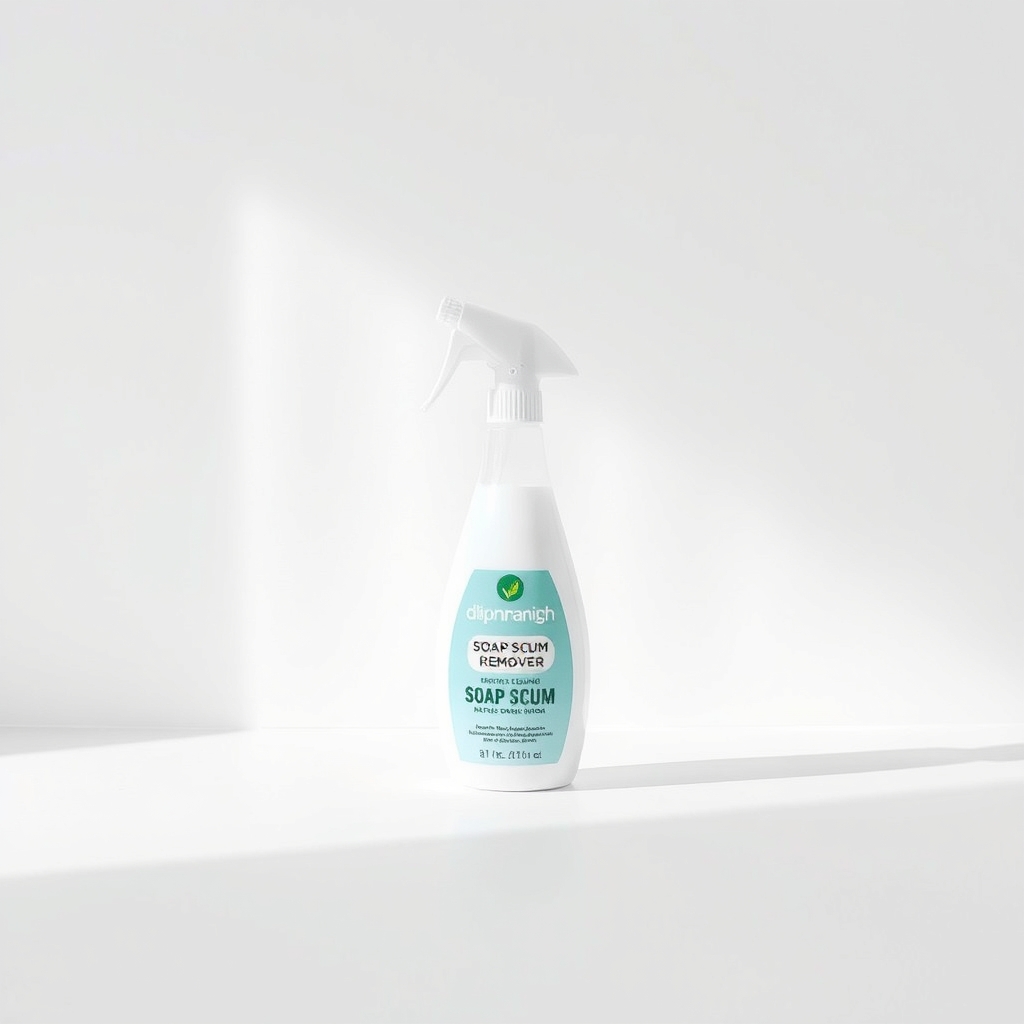
A glass-safe soap scum remover
Film that has built up for years hardens into a layer that vinegar only softens. A remover made for glass dissolves it in one pass with less scrubbing, and the squeegee habit that follows stops the next layer from forming.
What to get: Soap scum remover for glass shower doors
How long it lasts: One pass clears old film. A quick squeegee after showers keeps it clear.
As an Amazon Associate I earn from qualifying purchases.
What you'll need
-
Spray bottle
For the vinegar and dish soap mix
You have it -
White vinegar and dish soap
Blue dish soap works well; warm the vinegar first
You have it - Illustration
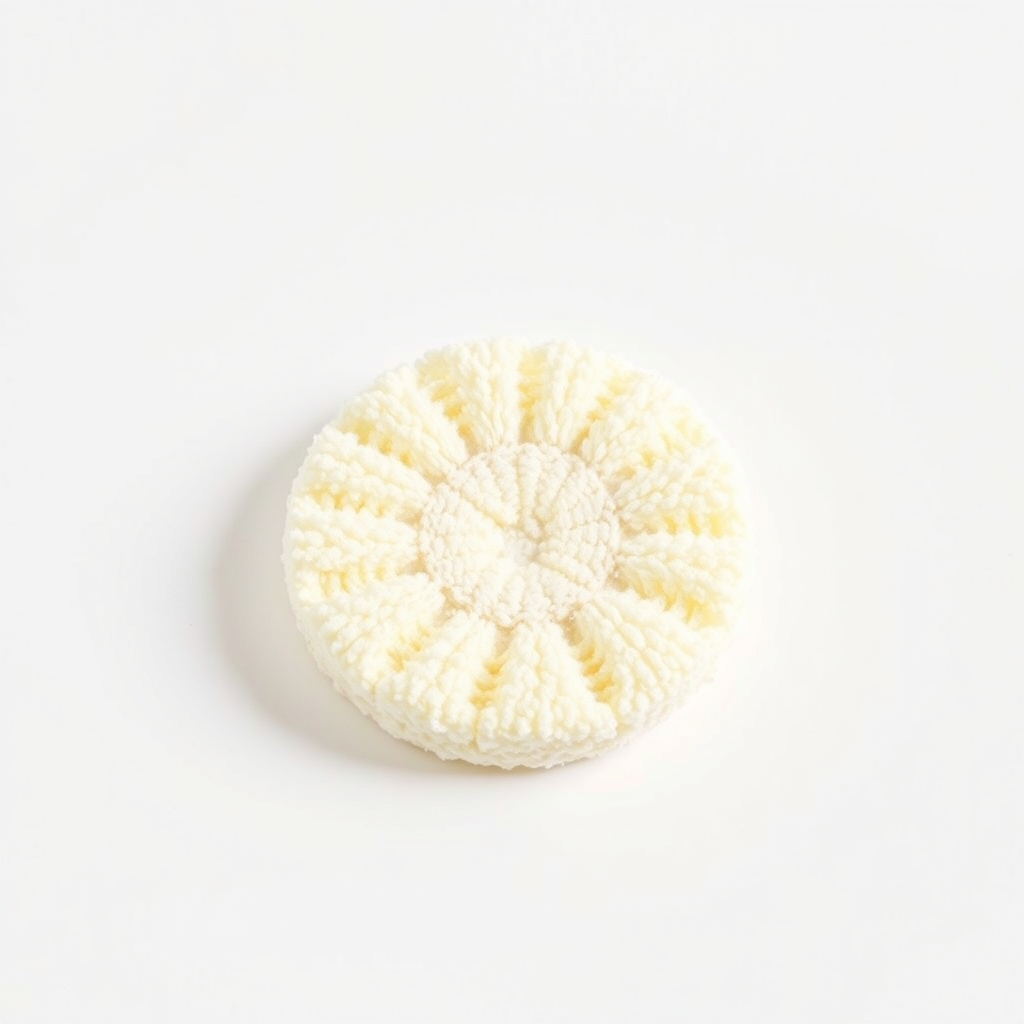
Non-scratch scrub pad
Safe on glass, unlike steel wool
- Our pick Illustration
Glass-safe soap scum remover
For old film that vinegar only softens
- Illustration
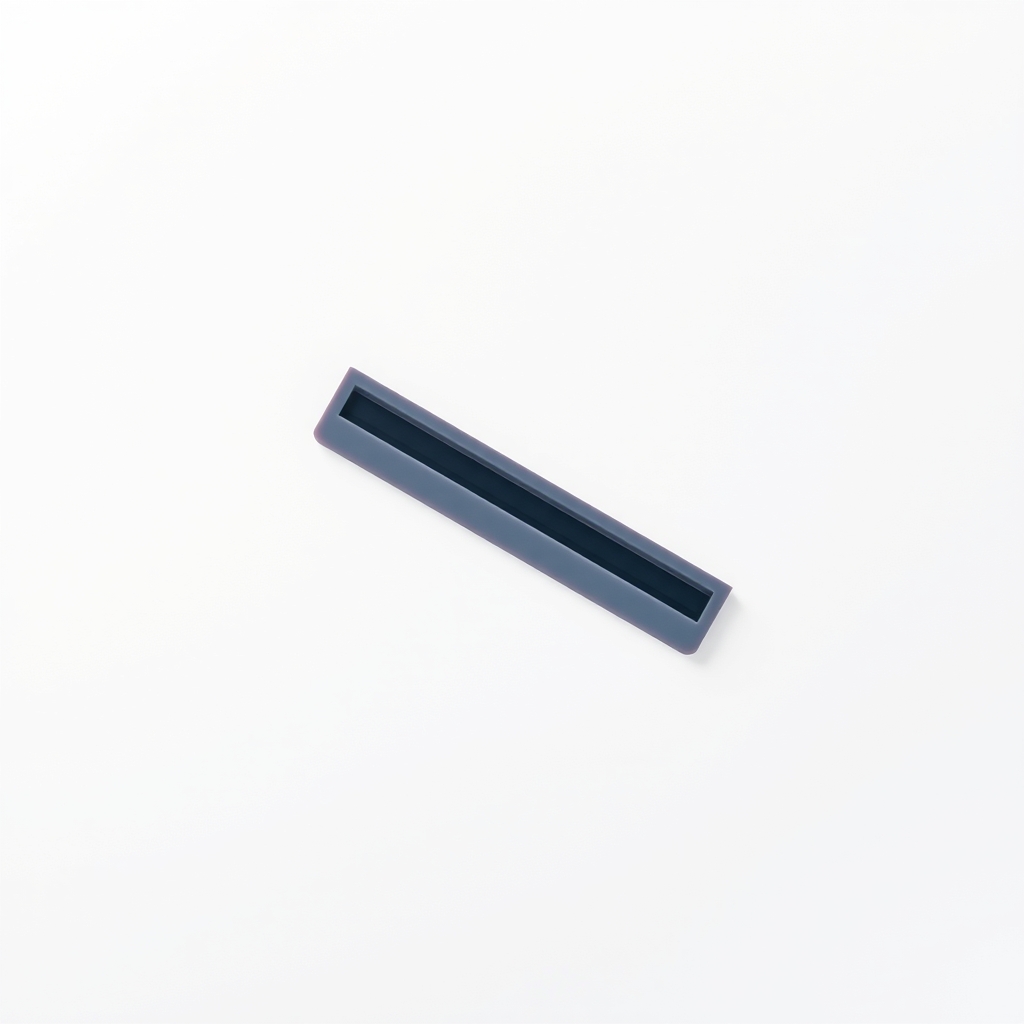
Shower squeegee
The 20-second habit that stops new film
Why it happens
Soap fat plus hard-water minerals
Bar soap and some body washes leave a fatty residue. Calcium and magnesium in hard water bind to it and form a chalky film that rinsing alone does not remove.
Water left to dry on the glass
Every drop that dries leaves minerals and soap behind. The layer thickens with each shower until the door looks hazy.
A bathroom that stays damp
Poor ventilation slows drying, so the film has more time to set. Mildew spots can start in the corners and along the bottom edge.
Etched glass, which is not scum
Cloudy glass that does not clear with vinegar may be etched by years of hard water. That damage is in the glass itself and cannot be wiped away.
Try this first (free)
Do these in order, starting with the simplest.
-
Warm and mix the cleaner
Tool used: Spray bottleWarm 1 cup of white vinegar in the microwave for about 30 seconds. Pour it into a spray bottle with 1 cup of dish soap and swirl gently. Shaking hard makes it foam up.
-
Spray the whole door and wait
Spray from top to bottom and leave it for 15 to 30 minutes. Respray any patch that dries out. The wait does the work, not your arm.
-
Scrub with a non-scratch pad
Tool used: Non-scratch scrub padWork in small circles, then wipe down. Use a baking soda paste on stubborn patches with light pressure, and keep the glass wet so the grit does not scratch.
IllustrationCheck price on AmazonTool for this step
Non-scratch scrub pad · Safe on glass, unlike steel wool
-
Rinse well and squeegee dry
Tool used: Shower squeegeeRinse with warm water so no vinegar or soap stays on the glass. Pull a squeegee from top to bottom and wipe the blade after each pass.
IllustrationCheck price on AmazonTool for this step
Shower squeegee · The 20-second habit that stops new film
-
Make the squeegee a habit
Tool used: Shower squeegeeA 20-second squeegee after each shower stops the minerals from drying onto the glass. Switching from bar soap to liquid body wash also leaves less film in hard water.
IllustrationCheck price on AmazonTool for this step
Shower squeegee · The 20-second habit that stops new film
When free fixes aren't enough
If the glass is still cloudy after two rounds, try the mineral test: leave straight vinegar on one patch for 10 minutes and wipe. If it clears, you have mineral film, and a glass-safe remover will finish the job. If it does not clear, the glass is probably etched, and no cleaner will fix it. A remover also saves a lot of effort on film that is years old. Whichever you choose, the film returns unless the glass is wiped after showers.
Buy the fix
Still stuck after the free fixes? These are the products we would look at.
| Pick | Product | Fixes | Who it's for | Buy |
|---|---|---|---|---|
| Best pick | Soap scum remover for glass shower doors | thick, old soap scum film that vinegar only softens | Anyone whose door has years of buildup, or who wants it done in one pass. | Check price |
| Budget pick | Shower squeegee with a silicone blade | new film forming from water left to dry on the glass | A new or recently cleaned door, or anyone who wants to stop the film coming back. | Check price |
Soap scum remover for glass shower doors
Fixes: thick, old soap scum film that vinegar only softens
Look for: Says it is safe on glass and chrome; Non-abrasive, with no grit that could scratch; A gel or foam that clings to vertical glass; Listed for soap scum and hard-water film.
- Who it's for
- Anyone whose door has years of buildup, or who wants it done in one pass.
- Honest downside
- Your door has an easy-clean coating and the label does not say it is safe for coated glass, or natural stone tile sits next to the door. Acids can etch stone.
Shower squeegee with a silicone blade
Fixes: new film forming from water left to dry on the glass
Look for: A soft silicone blade that will not scratch; Wide enough to cover the door in a few passes; A hook or suction mount inside the shower.
- Who it's for
- A new or recently cleaned door, or anyone who wants to stop the film coming back.
- Honest downside
- The glass is already caked with old scum. A squeegee will not remove it, so clean the door first.
As an Amazon Associate I earn from qualifying purchases. We don't show prices because they change, so use the button to see today's price.
How we picked: How we picked: this page is based on glass-care and hard-water cleaning guides, cleaner makers' label instructions, and the problems and fixes people report in reviews. We do not test products by hand.
Why does my glass shower door look cloudy?
Two things make glass cloudy: a film sitting on top, or damage in the glass. The film is soap scum and mineral deposits. It feels slightly rough or waxy and wipes off with the cleaner above.
The other cause is etching, where hard water slowly eats at the surface over years. Test it by leaving vinegar on one wet patch for 10 minutes, then wiping. If the patch clears, it was film. If the haze stays, the glass is etched, and no cleaner can fix it. A squeegee will stop it getting worse, or the glass can be replaced.
What dissolves soap scum and what doesn't
- Dissolves it: an acid such as warm vinegar for the minerals, a degreaser such as dish soap for the fat, and a glass-safe remover made for both.
- Helps lift it: baking soda paste and a non-scratch pad, used gently.
- Does not dissolve it: plain water, dish soap alone, window spray, and bleach.
What to skip
Steel wool, metal scrapers and bleach mixes
Steel wool and metal scrapers risk scratching glass and stripping an easy-clean coating, and scratches hold even more scum. Never mix bleach with vinegar or an ammonia cleaner, because they release toxic gas. Bleach does little to soap scum anyway.
Frequently asked questions
How do I get rid of soap scum on a shower door without scrubbing hard?
How do I get rid of soap scum on shower glass without damaging it?
Can I use a melamine sponge on a glass shower door?
How often should I clean a glass shower door?
Related problems
 Free fix inside
Cleaning · Hard Water Stains
Hard Water Stains on Glass? A Vinegar Soak, Then a Remover That Works
Read the fix Free fix inside
Cleaning · Hard Water Stains
Hard Water Stains in the Shower? A 30-Second Daily Habit Stops Them
Read the fix Free fix inside
Cleaning · Glass Shower Door
Glass Shower Door Leaking? Replace the Sweep and Seal in 10 Minutes
Read the fix Free fix inside
Cleaning · Glass Shower Door
Shower Door Off Track? Replace the Rollers and Slide It Back On
Read the fixAs an Amazon Associate I earn from qualifying purchases. Affiliate disclosure