Glass Shower Door Leaking? Replace the Sweep and Seal in 10 Minutes
Water escapes where the bottom sweep or side seal is worn, hard or the wrong size. Redirect the spray, clean the strip, then swap it.
By Jamilur Rahman Updated November 5, 2026 · 7 min read
- Time
- 10-20 min
- Cost
- Under $20
- Difficulty
- Easy
In this guide
Quick answer
A glass shower door leaks because the gap at the bottom or side is bigger than the seal can cover. Usually the rubber sweep has flattened, hardened or slipped, or the wrong size was fitted. Aim the spray away from the door, clean the old sweep and check the door lines up. If water still escapes, a new sweep with a longer fin or a drip rail, or a side seal, closes the gap.
Free fix vs. permanent fix
Aim, clean and re-seat the old sweep
- Turn the shower head away from the door gap
- Scrub scum off the sweep and the bottom edge of the glass
- Slide a loose sweep back to the bottom of the glass
- Close the door and look for gaps of light
How long it lasts: Fixes a dirty or slipped sweep. A flattened or hardened one will not seal for long.
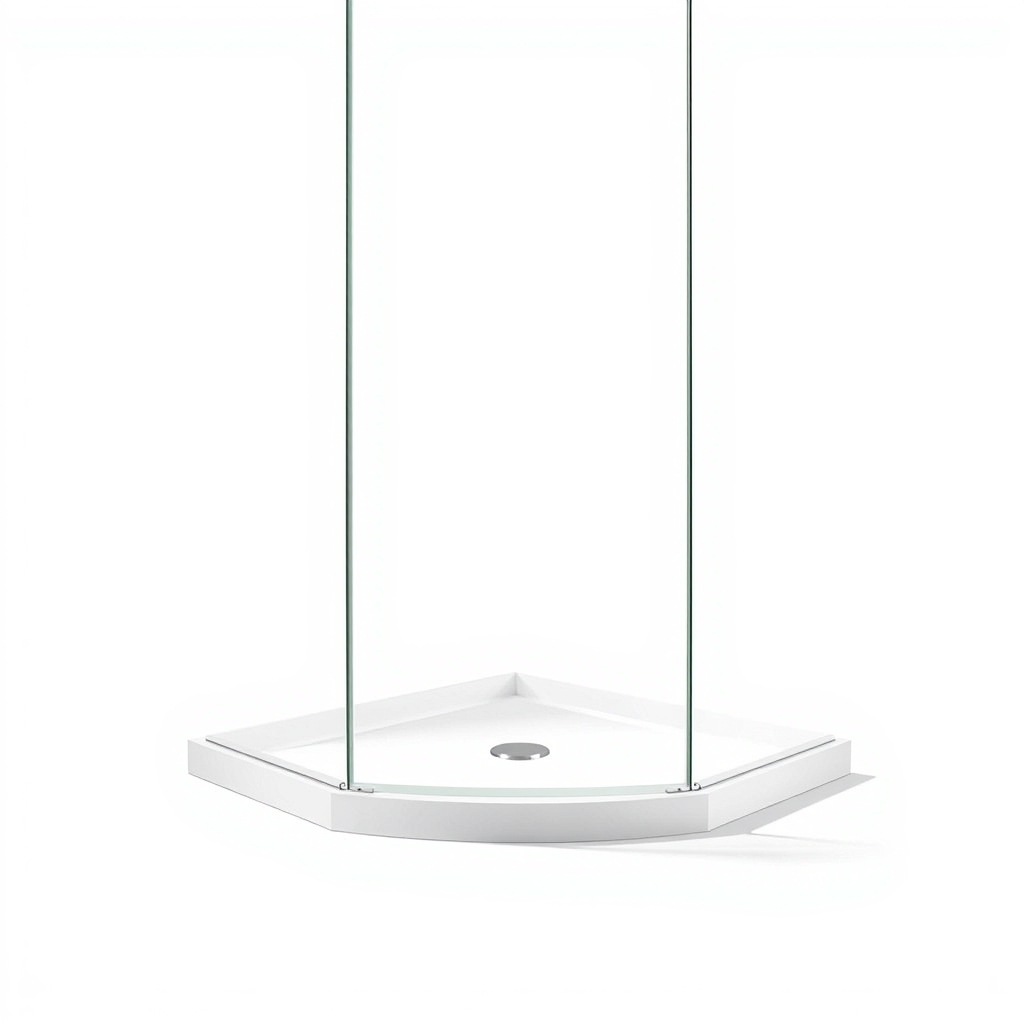
A new bottom sweep with a drip rail
A fresh sweep that matches your glass thickness fills the gap under the door, and a drip rail sends water back into the shower instead of out onto the floor. Cleaning cannot bring back a seal that has gone hard.
What to get: Frameless shower door bottom sweep with drip rail
How long it lasts: Several years, until the vinyl hardens or tears.
As an Amazon Associate I earn from qualifying purchases.
What you'll need
-
Tape measure
To measure glass thickness, door width and the gap
You have it -
Soft brush and dish soap
Scum and mineral build-up stop a seal from touching the glass
You have it -
Scissors
To trim the new sweep to length
You have it - Our pick Illustration
Bottom door sweep with drip rail
Match the thickness of your glass
- Illustration
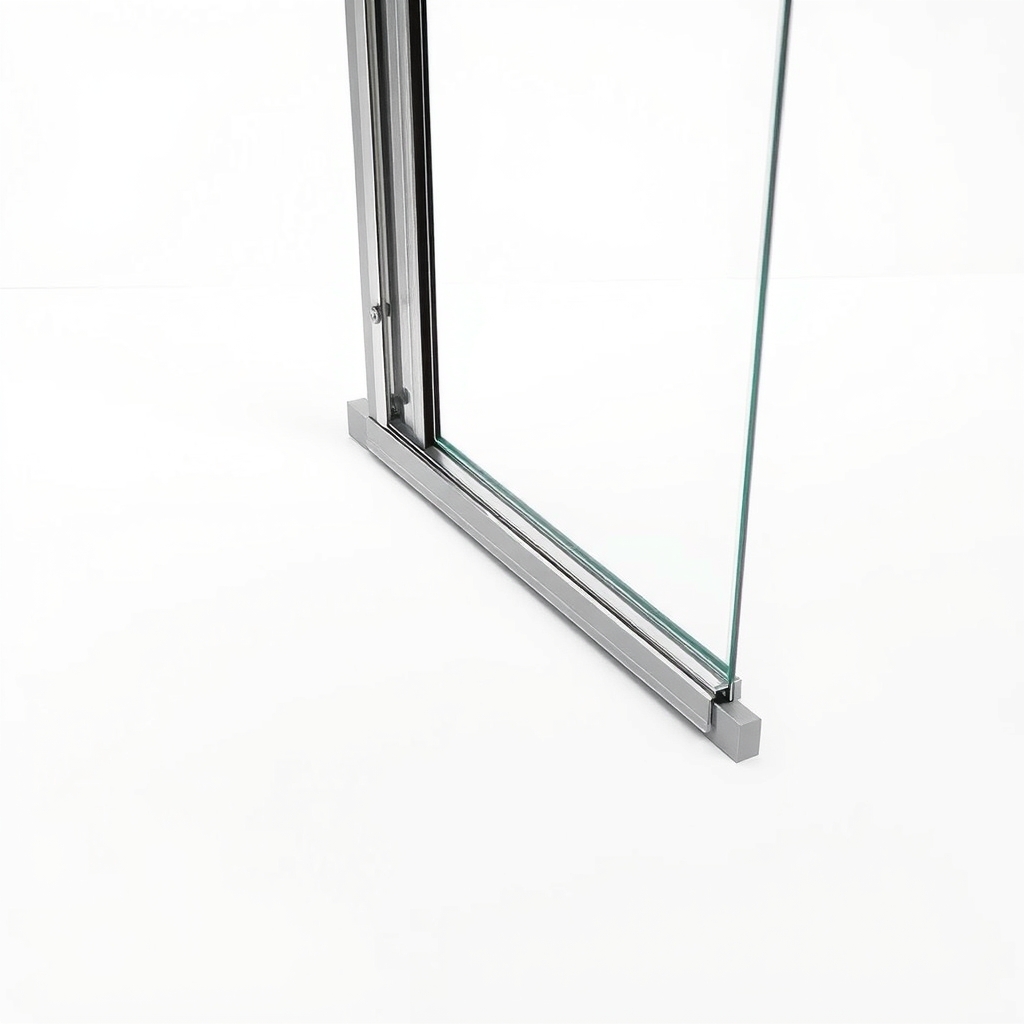
Door seal kit with side strip
If the door also leaks at the sides
Why it happens
A flattened or hardened sweep
Rubber and vinyl seals wear and stiffen from water, soap and heat. A hard seal no longer bends to meet the curb.
The wrong sweep for your glass
Sweeps are made for specific glass thicknesses and gap sizes. A loose fit slides up and leaves an open gap at the bottom.
Spray hitting the gap
A shower head aimed near the door edge throws water straight into any gap, and even a good seal can lose some.
Soap scum and mineral build-up
Scum keeps the fin from touching the curb, and hard water stiffens the rubber.
A door that has dropped or a curb that slopes
Loose hinges let the door sag, which leaves an uneven gap. A sloped curb sends water toward the low corner.
Try this first (free)
Do these in order, starting with the simplest.
-
Aim the spray away from the opening
Turn the shower head so it points at the wall, not at the door. Spray hitting the gap can overwhelm even a good seal.
-
Clean the sweep and the glass edge
Tool used: Soft brush and dish soapScrub the sweep and the bottom of the glass with dish soap and a soft brush. Scum keeps the fin from sealing against the curb.
-
Find the gap
Close the door and look for light coming through at the bottom and sides, or run your finger along the seal. Tighten any loose hinge screws so the door hangs level.
-
Measure before you buy
Tool used: Tape measureMeasure the glass thickness at the bottom edge. It is commonly 3/8 or 1/2 inch, but check. Also measure the door width and the gap between the glass and the curb. The fin has to reach the curb.
-
Slide the new sweep on and trim it
Tool used: Bottom door sweep with drip railPull off the old sweep and dry the glass edge. Slide the new sweep onto the bottom of the glass from one end and trim it to length with scissors. Do not stretch it as you go.
IllustrationCheck price on AmazonTool for this step
Bottom door sweep with drip rail · Match the thickness of your glass
-
Test it
Close the door and run the shower for a minute or two. Watch the floor outside for water, especially near the corners and hinges.
When free fixes aren't enough
If the sweep is cracked, hard or flattened, no amount of cleaning will make it seal, and re-seating it only moves the gap. Rubber seals wear out. A new sweep with a drip rail closes the bottom, and a side seal handles gaps at the edges. A new sweep cannot fix a chipped or cracked glass edge, a door that has dropped on its hinges, or a failed seal at the curb or tray. If the glass is chipped or cracked, stop using the door and call a pro. Chips on tempered glass can lead to breakage.
Buy the fix
Still stuck after the free fixes? These are the products we would look at.
| Pick | Product | Fixes | Who it's for | Buy |
|---|---|---|---|---|
| Best pick | Frameless shower door bottom sweep with drip rail | water running under the door and out of the shower | Anyone whose door leaks along the bottom, or whose old sweep is flat, hard or slipped. | Check price |
| Upgrade pick | Shower door seal kit (bottom sweep plus side seal strip) | leaks at the sides and the bottom of the door | Doors that leak at the hinge side or between the door and a fixed panel, as well as at the bottom. | Check price |
Frameless shower door bottom sweep with drip rail
Fixes: water running under the door and out of the shower
Look for: Sized for your glass thickness, so measure first; A drip rail that sends water back into the shower; A fin long enough to reach the curb; A flexible clear vinyl that you can trim.
- Who it's for
- Anyone whose door leaks along the bottom, or whose old sweep is flat, hard or slipped.
- Honest downside
- Your door has a metal frame with its own track seal. Buy the matching replacement for that frame.
Shower door seal kit (bottom sweep plus side seal strip)
Fixes: leaks at the sides and the bottom of the door
Look for: A bottom sweep for your glass thickness; A vertical side strip for the gap at the hinge or panel; Sold in lengths that you can trim to fit.
- Who it's for
- Doors that leak at the hinge side or between the door and a fixed panel, as well as at the bottom.
- Honest downside
- The door only leaks at the bottom. A bottom sweep alone is cheaper.
As an Amazon Associate I earn from qualifying purchases. We don't show prices because they change, so use the button to see today's price.
How we picked: How we picked: this page is based on shower door care guides, installation instructions from seal makers, and the problems and fixes people report in reviews. We do not test products by hand.
Where is the water coming from?
- Under the door: the bottom sweep, or the curb height.
- Between the door and a fixed panel or wall: a vertical seal strip is missing, hard or too thin.
- Around the hinges: a loose hinge, or a gap that a side strip can cover.
- From the curb or tray: failed caulk at the base, which is a sealant job, not a door job.
Door will not close at the bottom?
If the bottom of the door swings out and will not close, a new sweep may be too stiff, or the door may have sagged on its hinges. Tighten the hinge screws, then slide the sweep off and test the door without it. If it closes, buy a softer sweep with a shorter fin.
What to skip
Sealing the gap with caulk or silicone
A frameless door needs a gap so it can swing. Caulk or silicone along the door edge traps water, glues the door shut and can damage the glass edge. Use a sweep or side strip instead.
Frequently asked questions
Why does my frameless shower door leak?
How do I know what size sweep to buy?
How often should I replace a shower door sweep?
Why does water get out at the bottom corner?
Related problems
As an Amazon Associate I earn from qualifying purchases. Affiliate disclosure