Rust Spots on Stainless Steel Appliances? Remove Them for Good
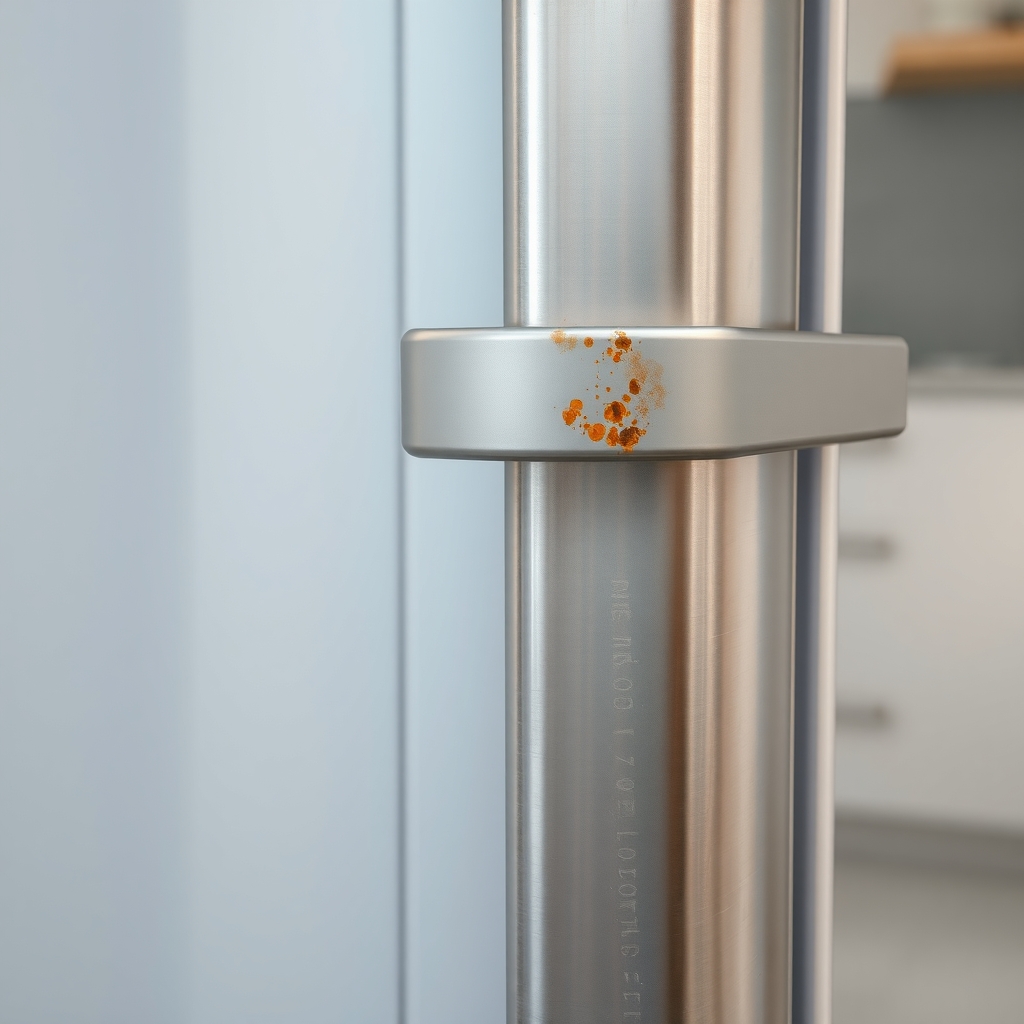
Rust on stainless is usually iron that landed on the surface, not the steel failing. Lift it gently, then keep the finish dry and protected.
By Jamilur Rahman Updated November 5, 2026 · 6 min read
- Time
- 20 min
- Cost
- Under $20
- Difficulty
- Easy
In this guide
Quick answer
To stop stainless steel appliances from rusting, remove the spots with a soft cloth and a non-abrasive cleaner, then keep the surface dry and away from steel wool, bleach and standing water. Most rust spots are iron from scrubbers, cookware or hard water that stuck to the surface, or a scratch that exposed bare metal. A non-abrasive stainless rust remover lifts them without scratching.
Free fix vs. permanent fix
Baking soda paste, wiped with the grain
- Mix baking soda and water into a thick paste
- Rub gently with a soft cloth, along the grain
- Rinse and dry right away
- Never use steel wool or bleach
How long it lasts: Works on light surface spots. If the cause is still there, such as a wet sponge or a scratch, they return within weeks.
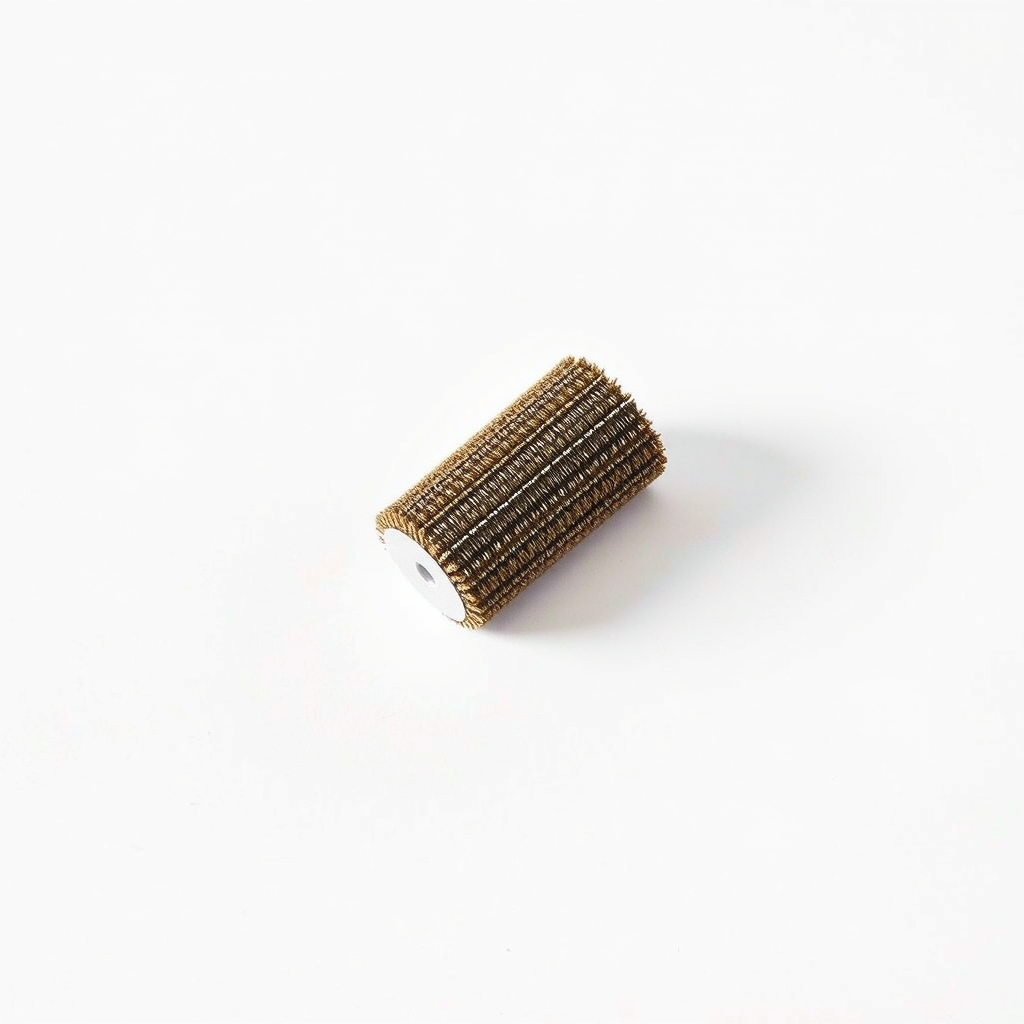
A non-abrasive stainless steel rust remover
A rust remover made for stainless dissolves the iron stain chemically instead of scraping it off, so it clears rust without scratching the finish. Paired with the dry-off habits below, spots rarely come back.
What to get: Non-abrasive stainless steel rust remover
How long it lasts: It clears stubborn spots the paste leaves behind, so you rarely scrub again. Use it only when a new spot appears.
As an Amazon Associate I earn from qualifying purchases.
What you'll need
-
Soft microfiber cloths
Soft so they do not scratch
You have it -
Baking soda
Mild enough for light spots
You have it -
Rubber gloves
Rust removers can irritate skin
You have it - Our pick Illustration
Non-abrasive stainless steel rust remover
For spots the baking soda does not lift
- Illustration
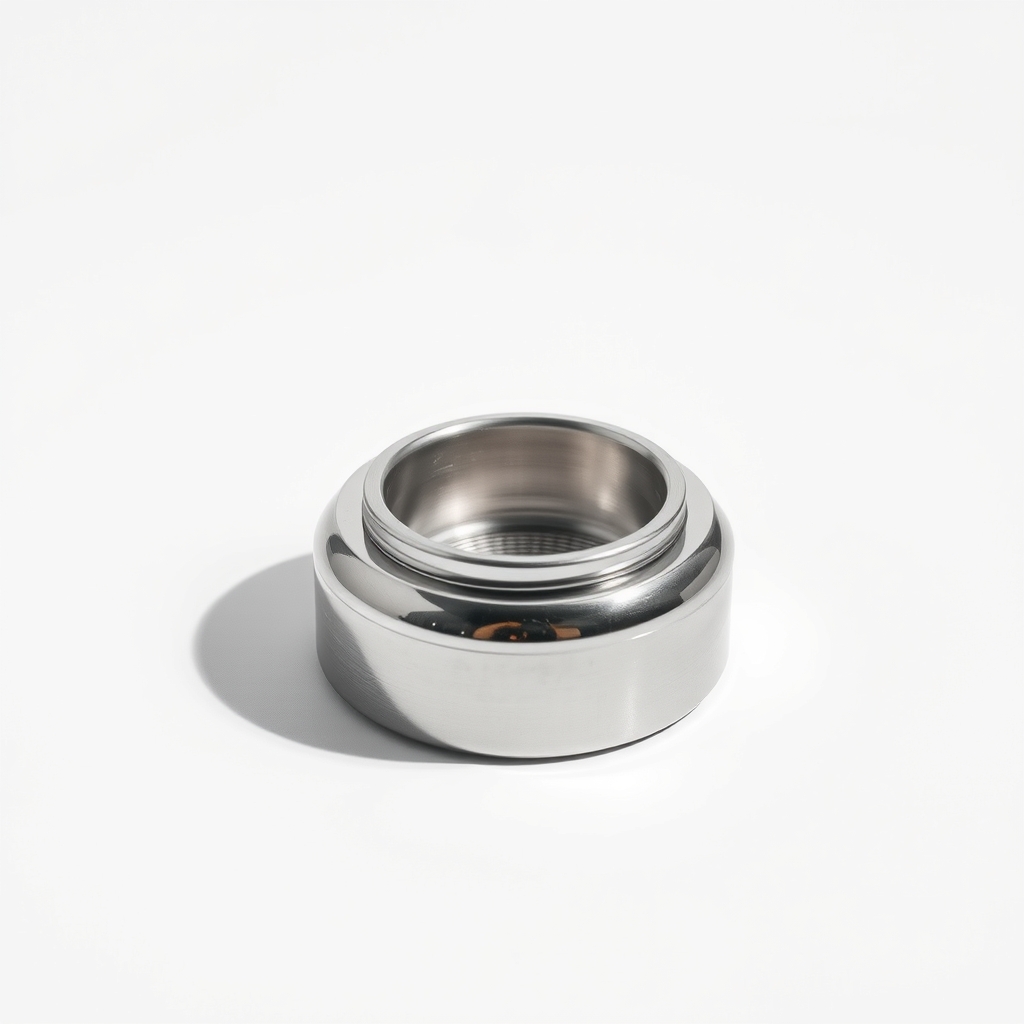
Stainless steel polish
Leaves a thin film so water beads off
Why it happens
Iron picked up from outside
Steel wool, wire brushes, cast-iron pans, knives and even hard water with iron leave tiny iron particles. They rust and look as if the appliance itself is rusting.
Salt and chlorine
Stainless steel resists rust thanks to a thin, invisible oxide layer. Salty spills, chlorine bleach and some cleaners can break that layer down. Salty air near the coast does it slowly.
Scratches
A deep scratch exposes bare metal, and dirt in the scratch keeps the layer from rebuilding. Rust often starts there.
Standing water and wet cloths
The layer needs air to repair itself. Wet sponges, damp cloths and water pooling at door edges and seams keep air away, so rust forms there first.
Try this first (free)
Do these in order, starting with the simplest.
-
1. Check the finish first
Read the manual. Some appliances have a coating or a fingerprint-resistant film that strong cleaners can strip. If the finish is bubbling or flaking, stop; cleaning will not fix it.
-
2. Wash off grease
Tool used: Soft microfiber clothsWipe the spot with warm water and a drop of dish soap on a microfiber cloth, then dry it. Grease blocks cleaners from reaching the rust.
-
3. Rub with baking soda paste
Tool used: Baking sodaMix about 2 tablespoons of baking soda with just enough water to make a paste. Rub along the grain for a minute or two. Do not press hard. Rinse and dry.
-
4. Treat spots that stay
Tool used: Non-abrasive stainless steel rust removerWear gloves. Apply a non-abrasive stainless rust remover to the spot only, wait the time on the label, then wipe with the grain and rinse well.
IllustrationCheck price on AmazonTool for this step
Non-abrasive stainless steel rust remover · For spots the baking soda does not lift
-
5. Dry and polish
Tool used: Stainless steel polishWipe with clean water, dry fully and buff with the grain. A little stainless polish helps water bead off so spots do not return.
IllustrationCheck price on AmazonTool for this step
Stainless steel polish · Leaves a thin film so water beads off
When free fixes aren't enough
If a spot returns within weeks, look for the source: a wet sponge on the door, a steel scrubber, or a magnet holder. A rust remover finishes the job where baking soda stops, and it gets into small marks without scratching. If the metal is rough, pitted or bubbling, the panel is damaged and no cleaner will fix it. Call the manufacturer, since panels can sometimes be replaced. Heavy rust on a heating part or inside an oven needs a service call.
Buy the fix
Still stuck after the free fixes? These are the products we would look at.
| Pick | Product | Fixes | Who it's for | Buy |
|---|---|---|---|---|
| Best pick | Non-abrasive stainless steel rust remover | rust spots and orange stains left on stainless | Anyone with light to moderate rust spots after the baking soda paste. | Check price |
| Upgrade pick | Stainless steel polish with a protective finish | fingerprints and water spots that lead to new rust | Anyone who wipes the appliance often and wants the finish to stay clean. | Check price |
Non-abrasive stainless steel rust remover
Fixes: rust spots and orange stains left on stainless
Look for: Label says it is safe for stainless steel; No grit, so it will not scratch; A gel or liquid you can control on a small spot; No chlorine bleach.
- Who it's for
- Anyone with light to moderate rust spots after the baking soda paste.
- Honest downside
- The surface is coated or fingerprint-resistant, or the manual says to use only soap and water. Pitted or bubbling metal needs a repair, not a cleaner.
Stainless steel polish with a protective finish
Fixes: fingerprints and water spots that lead to new rust
Look for: Made for appliances; Leaves a thin film that helps water bead; Applied with a cloth, along the grain.
- Who it's for
- Anyone who wipes the appliance often and wants the finish to stay clean.
- Honest downside
- The finish is coated or fingerprint-resistant, unless the label says the polish is safe for it.
As an Amazon Associate I earn from qualifying purchases. We don't show prices because they change, so use the button to see today's price.
How we picked: How we picked: this page is based on appliance care manuals, stainless steel care guides, and the problems and fixes people report in owner reviews. We do not test products by hand.
Quick test: is it the appliance, or something that touched it?
Wipe the spot with a damp white cloth. If orange comes off easily and the metal underneath is smooth and gray, it was iron from outside. If the metal is rough, pitted or bubbling, the steel or its finish is damaged.
Four habits that stop rust spots from coming back
- Dry the surface after you clean it.
- Use only soft cloths, and wipe along the grain.
- Do not leave wet sponges or cloths on the appliance.
- Wipe salty or acidic spills right away.
What to skip
Steel wool, bleach and scouring powder
Steel wool leaves iron behind and scratches. Bleach and other chlorine cleaners attack the protective layer. Scouring powder scratches the finish and creates places for rust to start. Even a scrubber sold for stainless can scratch if you press hard.
Frequently asked questions
Why do my stainless steel appliances rust?
Why are my stainless steel appliances rusting at the edges?
Why is my stainless steel refrigerator rusting?
Why does my stainless steel refrigerator have rust spots after cleaning?
How do I fix rust on stainless steel appliances without scratching them?
Related problems
 Free fix inside
Cleaning · Stainless Steel Appliances
Scratched Stainless Steel Appliance? Which Scratches Buff Out
Read the fix Free fix inside
Cleaning · Stainless Steel Appliances
Fingerprints on Stainless Steel Appliances? Keep Them Smudge Free
Read the fix Free fix inside
Cleaning · Hard Water Stains
Hard Water Stains on Stainless Steel? A Gentle Fix, No Scratches
Read the fix Free fix inside
Cleaning · Stainless Steel Appliances
Stainless Steel Fridge Not Magnetic? Magnets That Stick Anyway
Read the fixAs an Amazon Associate I earn from qualifying purchases. Affiliate disclosure