Dust Mites on the Couch? Vacuum and Spray Steps That Lower Them
You cannot kill every mite on a couch, but you can cut their numbers. Vacuum the right way, wash what comes off, then keep it up with a HEPA upholstery vacuum.
By Jamilur Rahman Updated November 5, 2026 · 6 min read
- Time
- 45 min
- Cost
- $50-$150
- Difficulty
- Easy
In this guide
Quick answer
To get rid of dust mites on a couch, vacuum every seam and under each cushion slowly, wash removable covers hot and keep room humidity below 50 percent. Mites can only be kept low, not wiped out for good. A vacuum with a HEPA filter does the job best, because it traps the fine particles instead of blowing them back into the room.
Free fix vs. permanent fix
Vacuum, wash the covers, dry the room
- Vacuum the seams, crevices and the frame under the cushions
- Wash removable covers at the hottest setting the label allows
- Air the cushions in the sun when you can
- Bring room humidity under 50 percent
How long it lasts: A few weeks. Mites feed on skin flakes, so they return unless you repeat the routine.
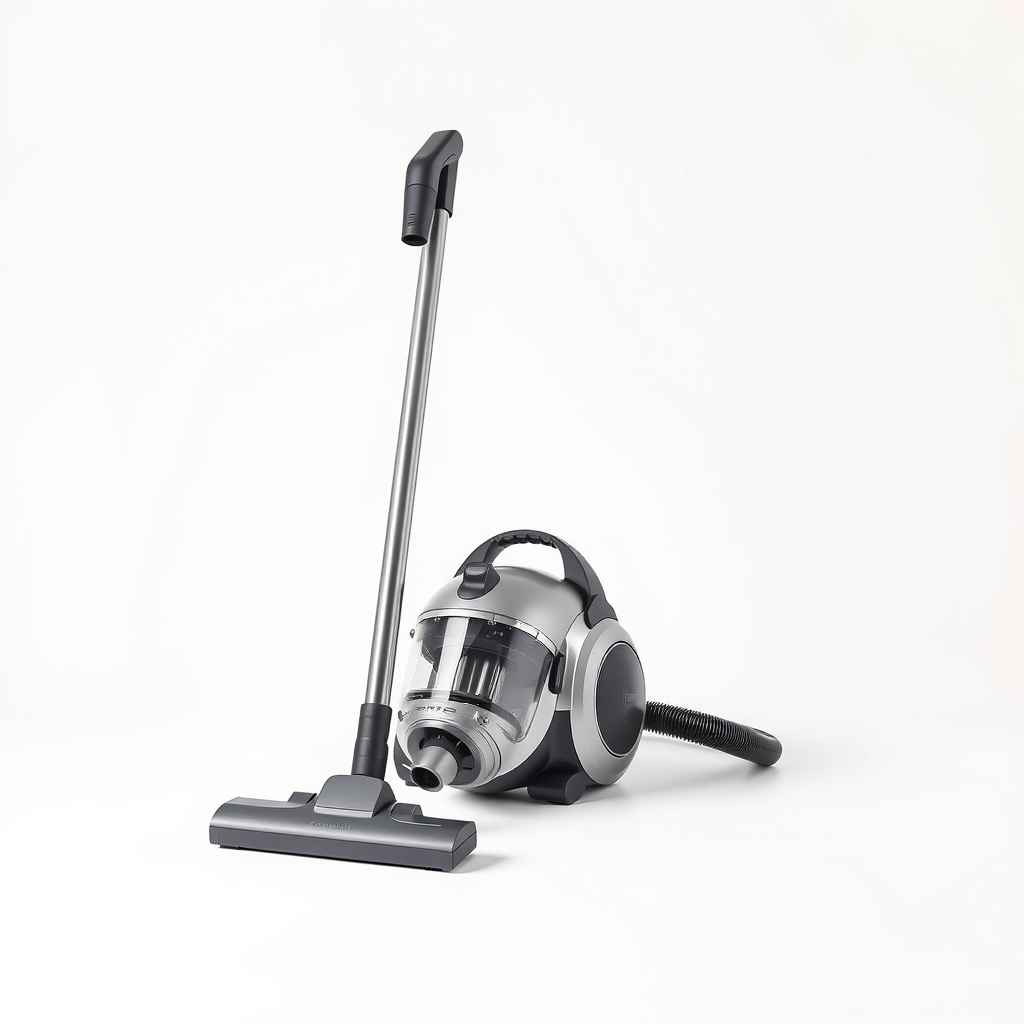
A vacuum with a HEPA filter and an upholstery tool
Mites live deep in the padding, so you cannot get them all in one session. What you can do is remove their food, the skin flakes, and their droppings, week after week. A sealed HEPA vacuum captures the fine particles that a basic vacuum blows back out.
What to get: Vacuum with a HEPA filter and an upholstery tool
How long it lasts: Years. It turns a weekly vacuum into a pass that actually removes allergens.
As an Amazon Associate I earn from qualifying purchases.
What you'll need
-
Couch care tag
Check the code under a cushion before you wet or steam anything
You have it -
Upholstery brush attachment
Loosens dust from the seams so the vacuum can lift it
You have it - Illustration
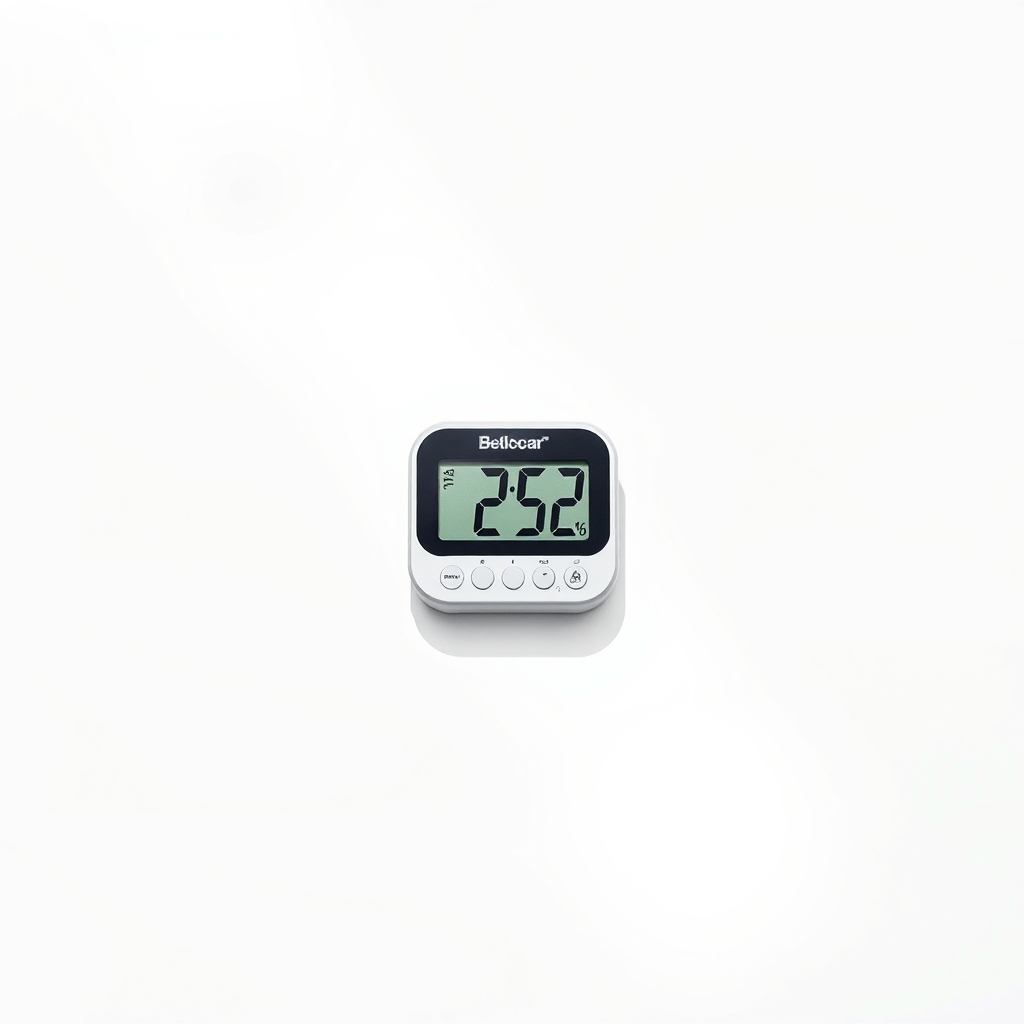
Digital hygrometer
Mites do well above about 50 percent humidity, so it is worth measuring
- Our pick Illustration
HEPA upholstery vacuum
Traps the fine particles a basic vacuum blows back out
- Illustration
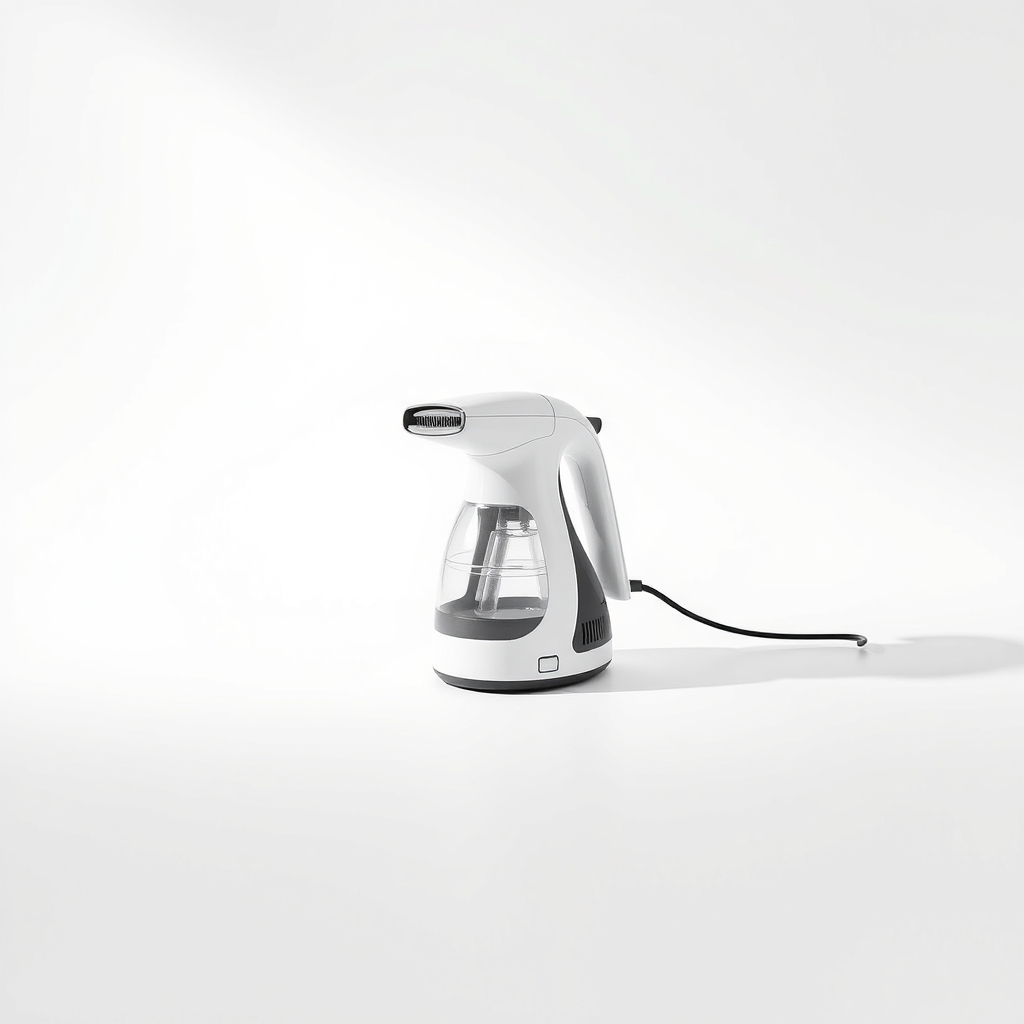
Handheld steam cleaner
Only if the couch tag allows water-based cleaning
Why it happens
Skin flakes as food
Mites eat the skin people and pets shed. A couch you sit on every day, especially one shared with a dog or cat, is a steady food source.
Humid air
Mites absorb water from the air, and humidity above about 50 percent lets them thrive. Rooms with poor airflow or a damp climate are most at risk.
Deep padding and seams
Cushion foam, fibers and seams give them warmth and shelter. A quick wipe of the surface never reaches them.
Covers that never get washed
Washable covers collect skin flakes and droppings. The droppings are the real allergen, and they are what make people sneeze or itch.
Try this first (free)
Do these in order, starting with the simplest.
-
Check the care tag
Tool used: Couch care tagFind the tag under a seat cushion. The code tells you what you may use. See the section below for what W, S, WS and X mean.
-
Vacuum slowly and everywhere
Tool used: Upholstery brush attachmentRemove the cushions. Use the upholstery tool with slow, overlapping passes over the top, sides and seams, then the crevice tool along the seams and the frame underneath. Do the same to the cushions.
-
Wash what comes off
Wash removable covers and throw blankets at the hottest setting the label allows. Water around 130°F (54°C) kills mites. If the label only allows cool water, wash, then tumble dry on high heat for 15 minutes or more if the fabric allows.
-
Spray only what the tag allows
Test any spray on a hidden patch first. Anti-allergen sprays labeled for upholstery break down allergens on the surface, but they do not reach deep padding. Treat them as a top-up, not a fix.
-
Dry the room out
Tool used: Digital hygrometerIf the hygrometer shows more than 50 percent, run a dehumidifier or the air conditioner, and open windows on dry days. Mites struggle in dry air.
IllustrationCheck price on AmazonTool for this step
Digital hygrometer · Mites do well above about 50 percent humidity, so it is worth measuring
When free fixes aren't enough
If you still sneeze, itch or wake up congested after two or three weeks of weekly vacuuming, the allergens in the padding are not coming out with an ordinary vacuum. A HEPA upholstery vacuum catches the fine particles that basic bags and filters let through, and a steam tool can reach a little deeper if the care tag allows. If the couch is very old, sags or smells musty, replacement or professional cleaning may make more sense. See a doctor or allergist if you wheeze or your symptoms are severe.
Buy the fix
Still stuck after the free fixes? These are the products we would look at.
| Pick | Product | Fixes | Who it's for | Buy |
|---|---|---|---|---|
| Best pick | Vacuum with a HEPA filter and an upholstery tool | mite allergens that a basic vacuum leaves behind or blows back out | Households with allergies, pets or kids who sit on the couch every day. | Check price |
| Upgrade pick | Handheld steam cleaner for upholstery | mites in the top layer of fabric that a vacuum misses | People whose tag says W or WS and who want an extra step. | Check price |
| Budget pick | Digital hygrometer | damp air that lets mites breed in the first place | Anyone in a humid home or climate. | Check price |
Vacuum with a HEPA filter and an upholstery tool
Fixes: mite allergens that a basic vacuum leaves behind or blows back out
Look for: A HEPA filter and a sealed body, so air does not leak out around the filter; A brush or motorized upholstery tool that agitates the fabric; A crevice tool for seams; A bin that is easy to empty without a cloud of dust.
- Who it's for
- Households with allergies, pets or kids who sit on the couch every day.
- Honest downside
- You already own a HEPA vacuum with an upholstery tool. Use it and spend nothing.
Handheld steam cleaner for upholstery
Fixes: mites in the top layer of fabric that a vacuum misses
Look for: Steam that reaches 130°F or hotter at the fabric; A fabric attachment or a cloth cover for the nozzle; A tank that heats up quickly.
- Who it's for
- People whose tag says W or WS and who want an extra step.
- Honest downside
- The tag says S or X. Steam can shrink, stain or damage those fabrics and leave the padding damp.
Digital hygrometer
Fixes: damp air that lets mites breed in the first place
Look for: A percent humidity readout; A display that updates every few minutes; Small enough for a shelf.
- Who it's for
- Anyone in a humid home or climate.
- Honest downside
- You already have a thermostat that shows humidity.
As an Amazon Associate I earn from qualifying purchases. We don't show prices because they change, so use the button to see today's price.
How we picked: How we picked: this page is based on allergy and asthma guidance on dust mites, upholstery cleaning-code labels, vacuum filter standards, and what owners report in reviews of HEPA upholstery vacuums. We do not test products by hand.
What the cleaning code on your couch means
- W: water-based cleaners and steam are fine.
- S: solvent cleaners only, so no water or steam.
- WS: either water-based or solvent cleaners work.
- X: vacuum only. Do not use any liquid.
If there is no tag, treat the fabric as X and vacuum only.
What to skip
Soaking the couch
Skip anything that soaks the padding. Damp foam stays damp for days, which helps mites and mold. Disinfecting sprays kill germs, not mite allergens. Couches coded S or X should not be wet at all.
Frequently asked questions
Can you see dust mites on a couch?
Do dust mites bite?
Does baking soda kill dust mites on a couch?
How often should I vacuum a couch for dust mites?
Related problems
 Free fix inside
Cleaning · Dust Mites
Dust Mites in Carpet? What Actually Cuts Them Down
Read the fix Free fix inside
Bedroom & Sleep · Dust Mites
Dust Mites in Your Mattress? What an Encasement Does (and Doesn't)
Read the fix Free fix inside
Cleaning · Couch Smell
Couch Smells Musty? Dry It Out, Then Deodorize the Right Way
Read the fix Free fix inside
Cleaning · House Dust
House Dusty All the Time? 7 Reasons and What Cuts It Most
Read the fixAs an Amazon Associate I earn from qualifying purchases. Affiliate disclosure