Couch Smells Musty? Dry It Out, Then Deodorize the Right Way
A musty couch is a damp couch. Dry it first, then pull the smell out with baking soda. Perfume sprays only cover it up.
By Jamilur Rahman Updated November 5, 2026 · 6 min read
- Time
- 30 min, plus an overnight wait
- Cost
- Under $20
- Difficulty
- Easy
In this guide
Quick answer
Couch smells musty? That smell is almost always trapped dampness or early mildew in the cushions, from humid air, a spill that never fully dried, or a couch pressed against a cold wall. Pull off the cushions, air everything out until it is dry, then sprinkle baking soda, let it sit and vacuum it up. A baking soda-based upholstery deodorizing powder does the same job in a shaker, with fabric-safe directions.
Free fix vs. permanent fix
Dry it out, then pantry baking soda
- Air the cushions near a fan or an open window
- Dust baking soda over every fabric surface
- Leave it for several hours, then vacuum slowly
- Aim for indoor humidity of 30 to 50 percent
How long it lasts: Works as long as the damp is gone. The smell returns if the room stays humid or the cushions get wet again.
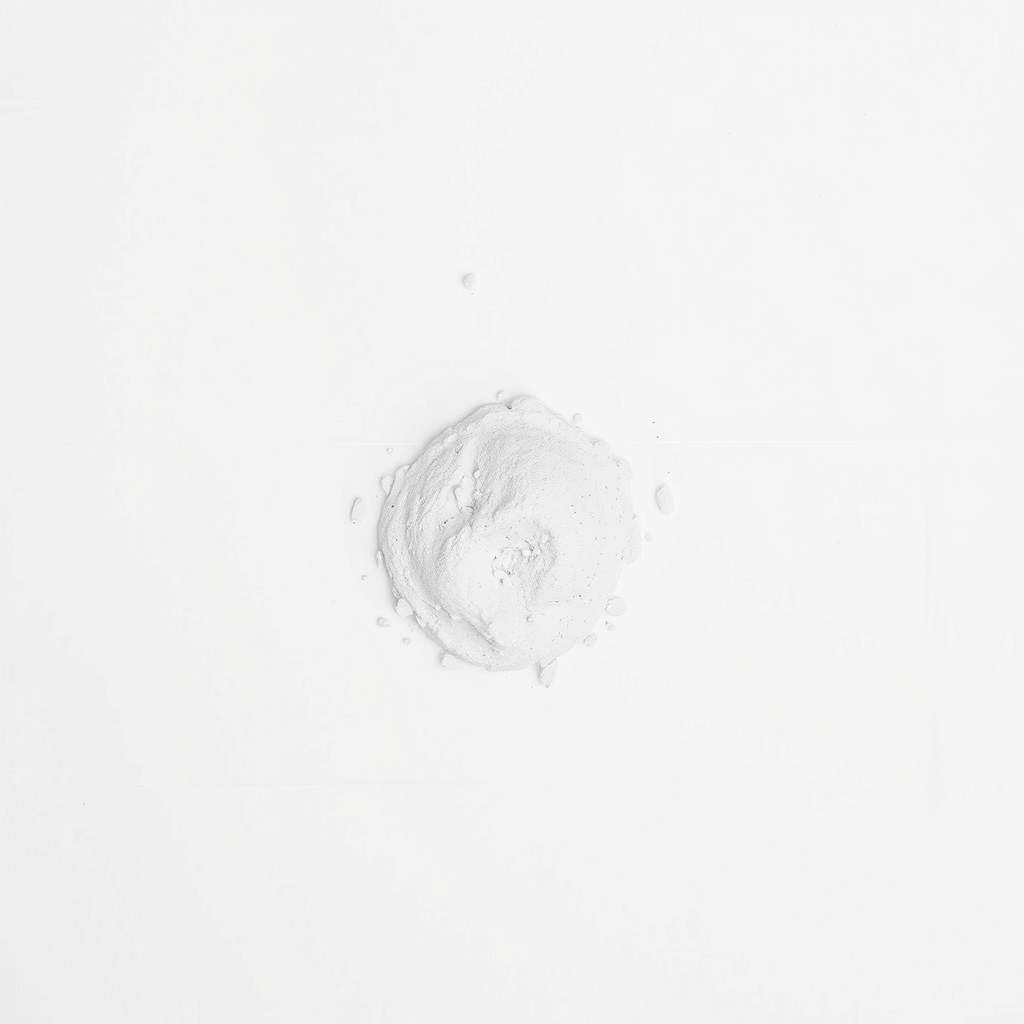
A baking soda-based upholstery deodorizing powder
Baking soda does the work, and a pantry box is a fair free option. An upholstery powder adds a shaker top, directions written for fabric, and sometimes a light scent, so you can refresh the couch without measuring or guessing. It cannot cure damp, so dry the couch first.
What to get: Baking soda-based upholstery deodorizing powder
How long it lasts: Each use. It soaks up odor, and a shaker lid makes it easy to refresh the couch every month or two.
As an Amazon Associate I earn from qualifying purchases.
What you'll need
-
Vacuum with upholstery attachment
Use the brush or crevice tool, not the bare hose
You have it -
Fan or open window
Airflow is what dries the foam
You have it -
Baking soda
A plain box from the pantry works
You have it -
Soft brush
Works the powder lightly into the fabric
You have it - Our pick Illustration
Baking soda-based upholstery deodorizing powder
A shaker-top version of the same fix
- Illustration
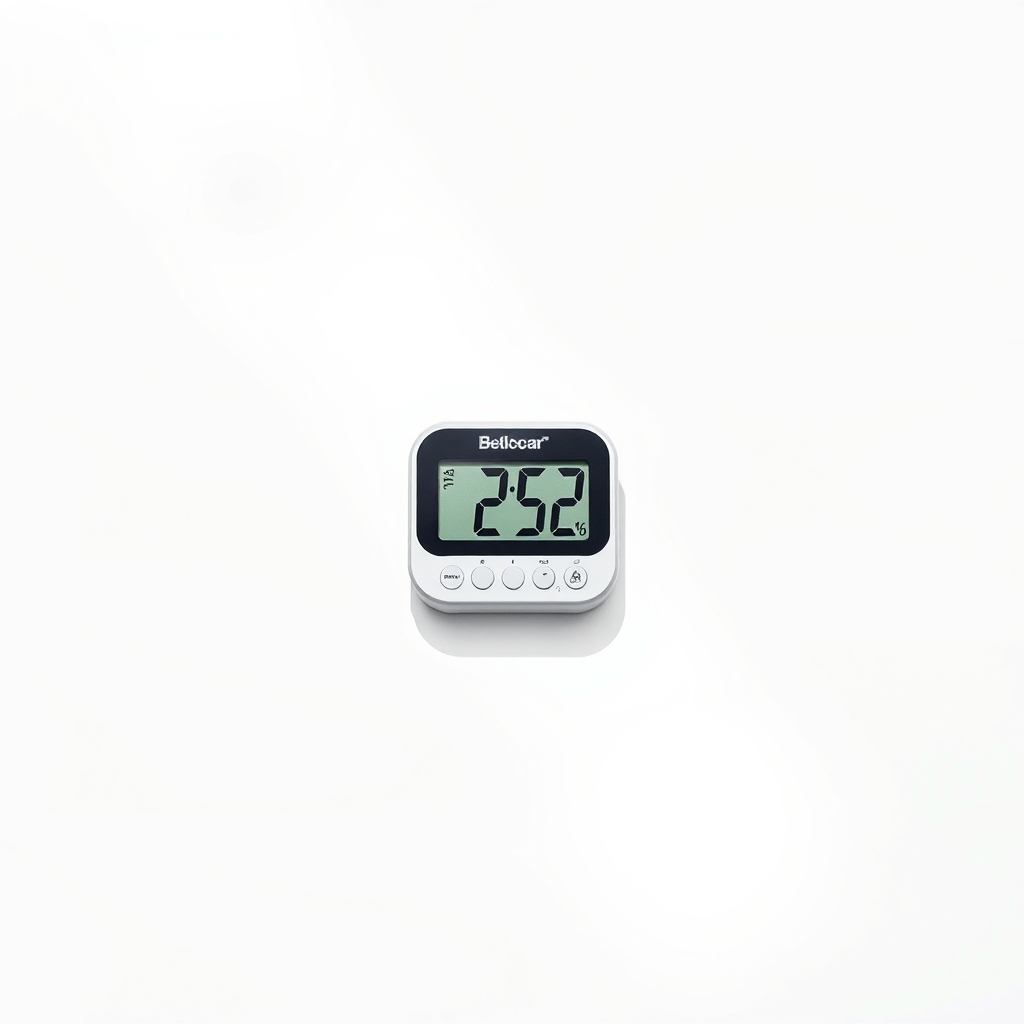
Digital hygrometer
A cheap gauge that shows if the room is too humid
Why it happens
Humidity and poor airflow
Fabric and foam soak up moisture from damp air. A couch against an outside wall, in a basement or in a humid room stays slightly damp, and mildew grows.
A spill that never fully dried
Drinks, pet accidents and over-wet cleaning can leave water deep in the foam. Foam dries slowly, so the smell shows up days later.
Body oils, sweat and food
Years of skin oils and sweat soak into cushions. In warm, damp weather they smell stale, a bit like old laundry.
Mildew on or under the cushions
Gray, green or black spots on the fabric, the cushion cover or the frame mean the musty smell is real mildew, not just a stale odor.
Try this first (free)
Do these in order, starting with the simplest.
-
1. Check the tag and test a spot
Look under a cushion for the cleaning code. W means water-based cleaners are fine, S means solvent only, WS allows either, and X means vacuum only. Test any product on a hidden spot first.
-
2. Take it apart and dry it out
Tool used: Fan or open windowPull off the cushions, stand them on edge, and put the couch near an open window or a fan for several hours. Wash removable covers only if the tag allows it. Prefer shade to direct sun, which can fade fabric.
-
3. Vacuum every surface
Tool used: Vacuum with upholstery attachmentGo slowly over the seat, back, arms and the gaps, and under the cushions. This lifts dust and skin flakes that hold odor.
-
4. Dust on baking soda and wait
Tool used: Baking sodaSprinkle a thin, even layer over the fabric and work it in lightly with a soft brush. Leave it at least a few hours, or overnight for a strong smell. Keep pets and kids off it.
-
5. Vacuum it up slowly, then repeat if needed
Tool used: Baking soda-based upholstery deodorizing powderVacuum with the upholstery tool until the powder is gone. If a smell lingers, repeat once with an upholstery deodorizing powder that is labeled for your fabric.
IllustrationCheck price on AmazonTool for this step
Baking soda-based upholstery deodorizing powder · A shaker-top version of the same fix
-
6. Find and cut the damp
Tool used: Digital hygrometerCheck the room's humidity. Mildew thrives above about 60 percent, and the EPA suggests keeping indoor humidity between 30 and 50 percent. Move the couch a few inches off outside walls and run a fan or dehumidifier.
IllustrationCheck price on AmazonTool for this step
Digital hygrometer · A cheap gauge that shows if the room is too humid
When free fixes aren't enough
If the couch still smells musty after drying and two rounds of baking soda, the damp is probably deep in the foam or the frame, or the room stays humid. Powder helps with lingering odor, but it cannot cure damp. If you see widespread black or green mold, the smell is strong, or anyone has asthma or allergies, replace the cushions or the couch, or call a cleaning pro, rather than scrubbing it yourself.
Buy the fix
Still stuck after the free fixes? These are the products we would look at.
Baking soda-based upholstery deodorizing powder
Fixes: lingering musty or stale smell in dry fabric
Look for: Baking soda as the main ingredient; Directions for fabric upholstery on the label; A shaker top for even coverage; An unscented or light scent option if you dislike heavy perfume.
- Who it's for
- Anyone who wants an easy monthly refresh without measuring from a pantry box each time.
- Honest downside
- The couch is still damp or has visible mold. Powder cannot fix either, so dry or replace it first.
As an Amazon Associate I earn from qualifying purchases. We don't show prices because they change, so use the button to see today's price.
How we picked: How we picked: this page is based on upholstery care guides, the EPA's indoor humidity advice, and what owners report about musty couches and baking soda deodorizers. We do not test products by hand.
Couch smells bad? Why does my couch smell, and what each smell means
- Musty or earthy: damp or mildew. Dry it, then deodorize.
- Sour or milky: an old drink spill in the foam.
- Pet or urine: needs an enzyme-style cleaner; see the page on a couch that smells like dog.
- Smoke or cooking: absorbed into the fabric. Air it out and use baking soda.
- New couch: foam and fabric treatments can smell for days to a few weeks, and it fades with airing.
Keep the couch smelling fresh
Leave a 2 to 3 inch gap from outside walls. Flip and rotate cushions each week. Run a fan on humid days. Wash covers on the tag's schedule and vacuum monthly. Powder every month or two before smell returns.
What to skip
Perfume sprays and soaking the cushions
Fragrance sprays cover the smell for a day and add moisture, while the damp underneath keeps growing mildew. Soaking cushions with water or steam is worse, since foam holds water and takes days to dry, which deepens the smell.
Frequently asked questions
Why does my couch smell musty?
My couch smells like mildew. Is it mold, and is it safe?
Why does my couch stink even after I cleaned it?
How long should baking soda sit on a couch?
Related problems
 Free fix inside
Cleaning · Couch
Couch Smells Like Dog? Deodorize the Fabric Without Soaking It
Read the fix Free fix inside
Cleaning · Carpet
Carpet Smells Musty? Dry It Out and Find Where the Damp Comes From
Read the fix Free fix inside
Cleaning · Rug
Rug Smells Musty? Sun, Baking Soda, and a Deodorizer That Helps
Read the fix Free fix inside
Cleaning · Dust Mites
Dust Mites on the Couch? Vacuum and Spray Steps That Lower Them
Read the fixAs an Amazon Associate I earn from qualifying purchases. Affiliate disclosure