How to Fix a Window That Won't Stay Up (Free Trick First)
A window that drops shut usually has a dirty track, an unhooked balance or a worn spring. Try the free reset first; a matching balance ends the drop.
By Jamilur Rahman Updated November 5, 2026 · 6 min read
- Time
- 30-45 min
- Cost
- $20-$50
- Difficulty
- Medium
In this guide
Quick answer
To fix a window that won't stay up, start with the sash balance, the spring or cord system that carries the weight of the sash. Clean the tracks, check that each balance is still hooked on, and add tension if yours allows it. If the spring is stretched or snapped, a matching replacement balance is the fix that holds.
Free fix vs. permanent fix
Clean the tracks and re-seat the balance
- Vacuum and wipe the tracks, then use silicone spray on a cloth
- Check that both balances are still hooked to the sash
- Add a few turns of tension to spiral balances that allow it
- Prop the sash with a dowel as a stopgap
How long it lasts: Years if the balance was just dirty or unhooked. It will not help a worn-out spring.
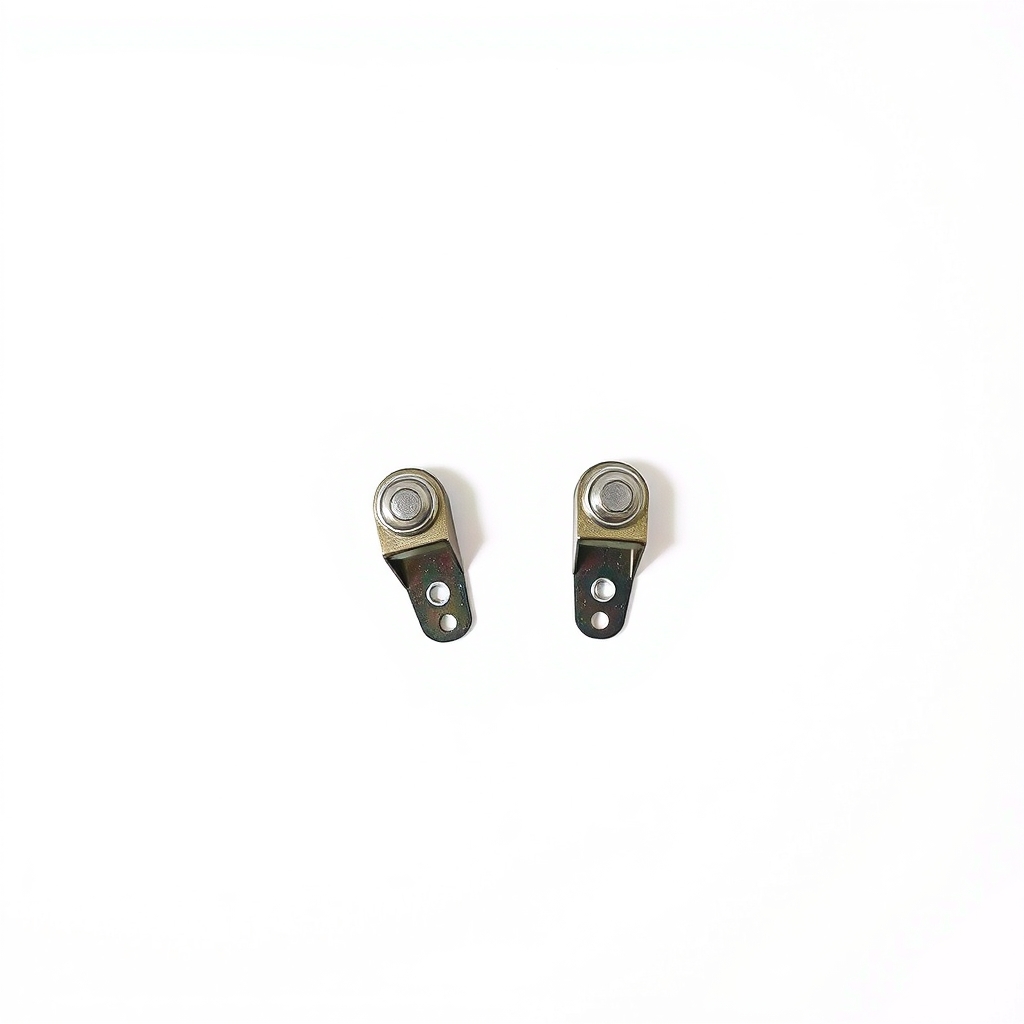
A matching replacement sash balance
A worn spring cannot be made strong again, and a stretched one lets the sash creep down. A new balance matched to your sash weight and track does the job the old one stopped doing.
What to get: Replacement window sash balance kit, matched pair
How long it lasts: Years. New springs carry the sash weight the way the originals did.
As an Amazon Associate I earn from qualifying purchases.
What you'll need
-
Work gloves and safety glasses
Springs and glass can snap or drop
You have it -
Screwdrivers
Flat and Phillips, for stops and tension
You have it -
Wooden dowel or stick
A temporary prop; remove it if the window may be needed as an exit
Free - Illustration
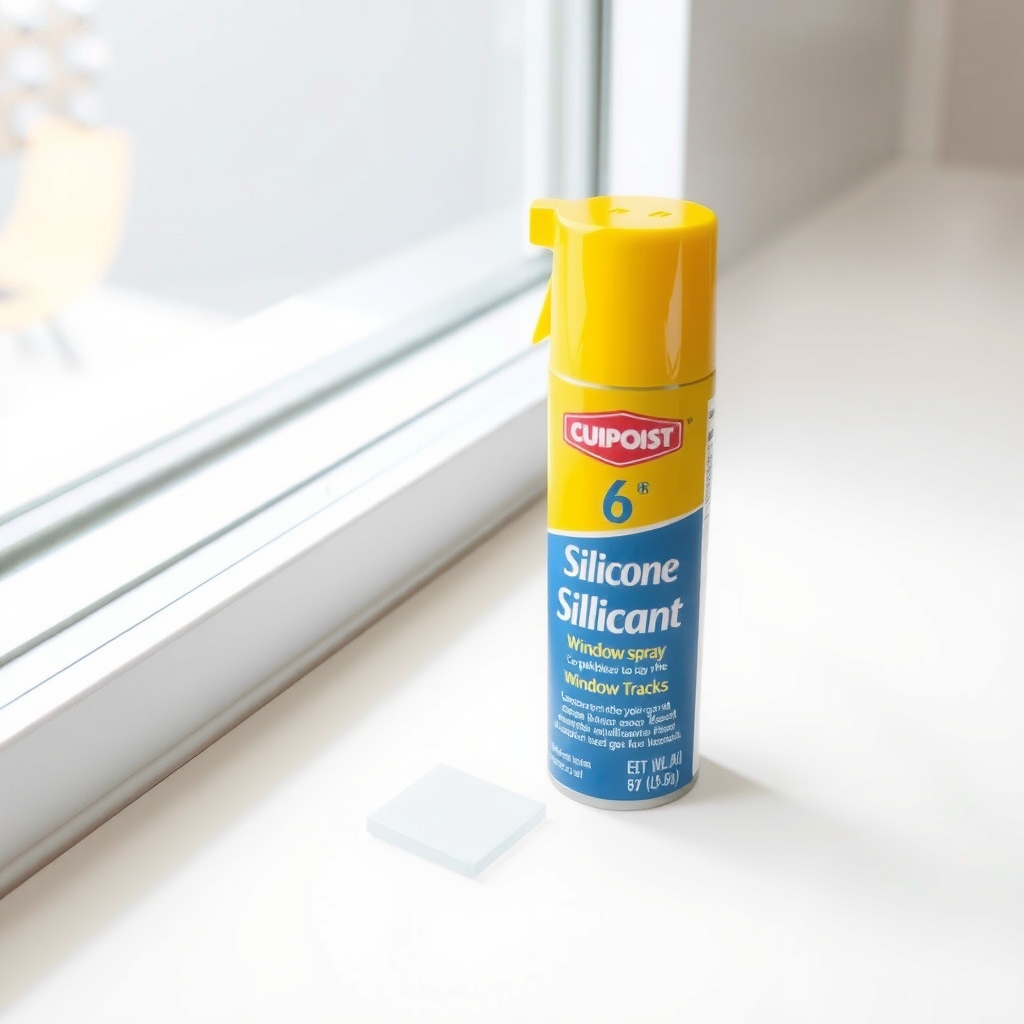
Silicone spray lubricant
Use on a cloth in the tracks; skip oil, which attracts grit
- Our pick Illustration
Replacement sash balance kit
Match the type, length and sash weight; sold as a pair
Why it happens
A worn or stretched spring
Spring balances weaken with age. One that has lost tension can no longer carry the sash, and one weak side makes the sash drop crooked.
A balance that came unhooked
The hook, shoe or pivot pin can slip off the sash. When one side lets go, the sash sags and will not hold.
A broken cord on an older window
Wood windows from before the mid-1900s often use cords and iron weights inside the wall. A snapped cord leaves the sash hanging at full weight.
Worn friction pads
Some vinyl windows hold the sash with friction pads or tension shoes. They wear flat or dry out, and the sash slides down.
Try this first (free)
Do these in order, starting with the simplest.
-
Find out how it fails
Lift the sash a foot and let go with a hand ready underneath. A slow slide means a weak balance. A fast drop on one side means a balance came loose or snapped. A gritty feel means start with the tracks.
-
Clean and lubricate the tracks
Tool used: Silicone spray lubricantVacuum the channels, wipe them with a damp cloth and scrape loose paint from the stops with a putty knife. Spray silicone onto a cloth and wipe the track. Do not use oil, because it holds grit.
IllustrationCheck price on AmazonTool for this step
Silicone spray lubricant · Use on a cloth in the tracks; skip oil, which attracts grit
-
Check that each balance is hooked on
Tool used: Work gloves and safety glassesWear gloves and glasses. Follow your window's manual or a photo guide to tilt or lift out the sash, and hold it so it cannot drop. Look for a balance that has popped off its pivot, and re-seat it.
-
Add tension if your balance allows it
Tool used: ScrewdriversSome spiral balances can be wound a few turns with a screwdriver, following the maker's directions. Stop if it gets stiff, and keep your fingers clear.
-
Prop it as a stopgap
Tool used: Wooden dowel or stickCut a dowel to the height you want and rest it in the track on the sill. It stops the sash from dropping but is only a stopgap. Remove it if the window might be needed as a fire exit.
When free fixes aren't enough
If the sash still drops after cleaning, or a balance is visibly stretched, rusted or snapped, no amount of cleaning will fix it. The spring has lost its tension. Replace both sides together so they match, and take the old balance with you for comparison. If the window is old, painted shut or cord-and-weight, think about a pro. Never leave a sash held by hand alone, because it can drop on your fingers or break the glass.
Buy the fix
Still stuck after the free fixes? These are the products we would look at.
| Pick | Product | Fixes | Who it's for | Buy |
|---|---|---|---|---|
| Best pick | Replacement window sash balance kit, matched pair | a sash that drops because the spring is weak or broken | Anyone whose window still drops after cleaning, or whose balance is visibly stretched or broken. | Check price |
| Budget pick | Silicone spray lubricant for window tracks | a sash that sticks or catches in dirty tracks | Anyone whose window is gritty but not clearly broken. | Check price |
Replacement window sash balance kit, matched pair
Fixes: a sash that drops because the spring is weak or broken
Look for: Type that matches yours: spiral, block-and-tackle or tube; Length and weight rating that match the old balance; Sold as a pair, for both sides; Clear fit details, such as channel width.
- Who it's for
- Anyone whose window still drops after cleaning, or whose balance is visibly stretched or broken.
- Honest downside
- You cannot tell your balance type or measurements. Photograph and measure the old one first, or ask the window maker for parts.
Silicone spray lubricant for window tracks
Fixes: a sash that sticks or catches in dirty tracks
Look for: Silicone-based, not oil; Dries without leaving a sticky film; Safe on vinyl and painted wood.
- Who it's for
- Anyone whose window is gritty but not clearly broken.
- Honest downside
- The sash drops fast on its own after you clean it. The balance is the problem, and lube will not fix it.
As an Amazon Associate I earn from qualifying purchases. We don't show prices because they change, so use the button to see today's price.
How we picked: How we picked: this page is based on window-balance repair guides, parts instructions from balance makers, and the fit problems owners report in reviews. We do not test products by hand.
Which balance do you have?
- Spiral (tube) balance: a twisted rod inside a tube at the side of the sash. Sized by length and sash weight.
- Block-and-tackle: a metal channel with a cord and pulley, common in vinyl and aluminum windows. Sized by length and channel width.
- Cord and weight: a cord over a pulley to a weight inside the wall, found in older wood windows. You replace the cord, not a spring.
Older home? Lead paint warning
Homes built before 1978 may have lead paint on window frames. Do not dry-scrape or sand it, and keep kids and pets out of the area. Test with a lead swab first, and hire a lead-safe pro if it tests positive.
What to skip
Wedges, screws and glue through the sash
A shim or paint stirrer under the sash works loose, scratches the finish and can crack the glass if it lets go. Screws or adhesive through the sash can ruin the frame and stop the window from opening when you need it. Fix the balance instead.
Frequently asked questions
Why does my window keep falling down?
How do I know which window balance I have?
Can I fix a window that won't stay up without taking it apart?
How long does it take to replace a window balance?
Related problems
 Free fix inside
Cleaning · Windows
Windows Painted Shut? The Tool That Frees Them Without Damage
Read the fix Free fix inside
Cleaning · Windows
Windows Smell Musty? Where the Mildew Hides and How to Clear It
Read the fix Free fix inside
Cleaning · Blinds
Blinds Won't Stay Up? Replace the Cord Lock, Not the Blind
Read the fix Free fix inside
Air & Temperature · Drafty Windows
Drafty Windows? Seal Them for Winter Without Replacing Them
Read the fixAs an Amazon Associate I earn from qualifying purchases. Affiliate disclosure