Windows Smell Musty? Where the Mildew Hides and How to Clear It
A musty window smell means damp is feeding mildew in the sill, track, seal or curtains. Wipe it out, dry it, then treat what is left with a remover spray.
By Jamilur Rahman Updated November 5, 2026 · 7 min read
- Time
- 30 min
- Cost
- Under $20
- Difficulty
- Easy
In this guide
Quick answer
Windows smell musty because mildew is growing where moisture sits: the sill, the track, the rubber seal or the curtains next to the glass. Wipe those spots with equal parts white vinegar and water, dry them completely and air the room. A mold and mildew remover spray finishes what vinegar leaves behind, so the smell is less likely to come back.
Free fix vs. permanent fix
Vinegar wipe and an airing out
- Wipe the sill, frame and rubber seal with half vinegar, half water
- Scrub the track and corners with an old toothbrush
- Dry every surface with a clean cloth
- Open the window for an hour to air the room
How long it lasts: A few weeks to a few months. If the glass keeps sweating, the mildew grows back.
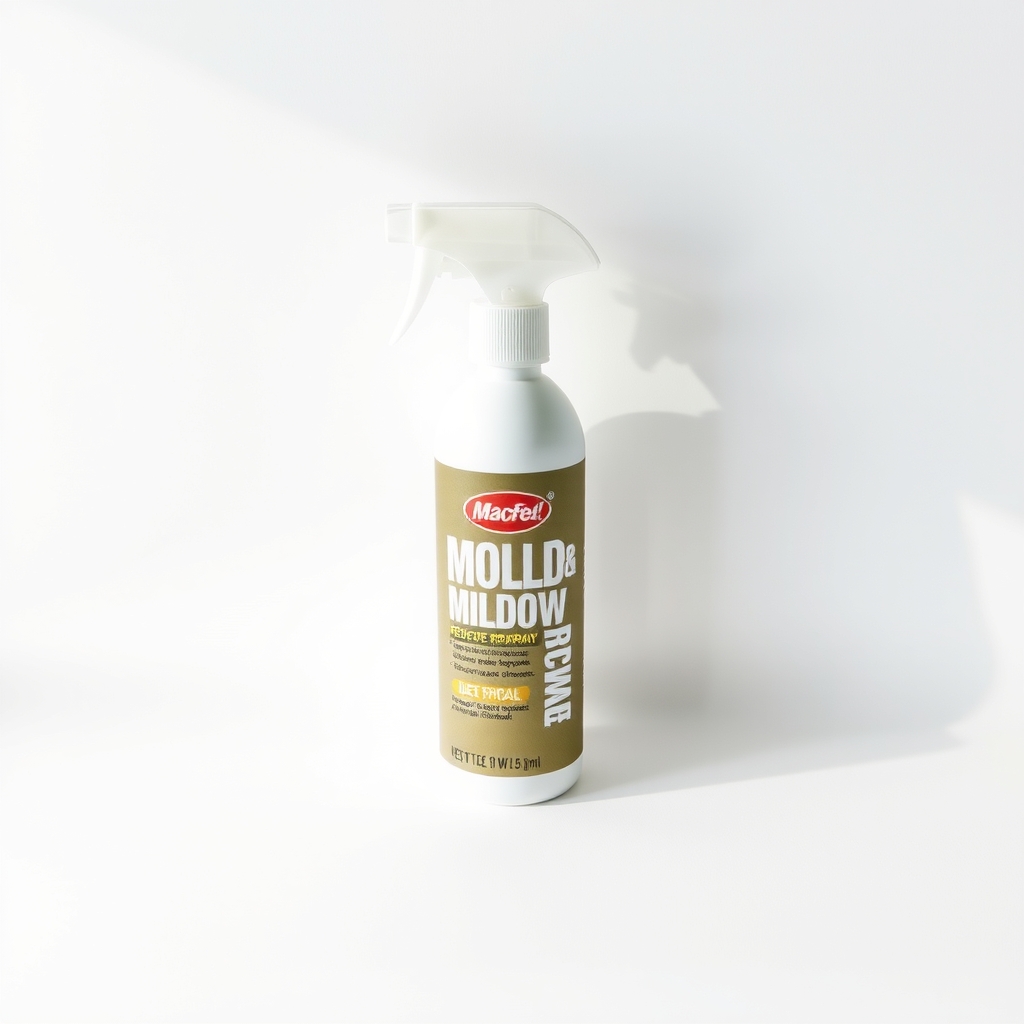
A mold and mildew remover spray for sills and seals
Vinegar lifts surface mildew, but it often leaves growth in wood grain and in rough seal rubber. A remover made for mold and mildew works into those spots, so the smell is less likely to return. Pair it with less moisture and the window stays fresh.
What to get: Mold and mildew remover spray
How long it lasts: Months between treatments in a room that stays dry. It clears the growth vinegar only partly removes.
As an Amazon Associate I earn from qualifying purchases.
What you'll need
-
Rubber gloves
Mildew irritates skin and the nose
You have it -
White vinegar spray
Half vinegar, half water in a spray bottle
You have it -
Old toothbrush
Reaches the track and corners
Free - Our pick Illustration
Mold and mildew remover spray
Choose one labeled for painted wood, vinyl and glass
- Illustration
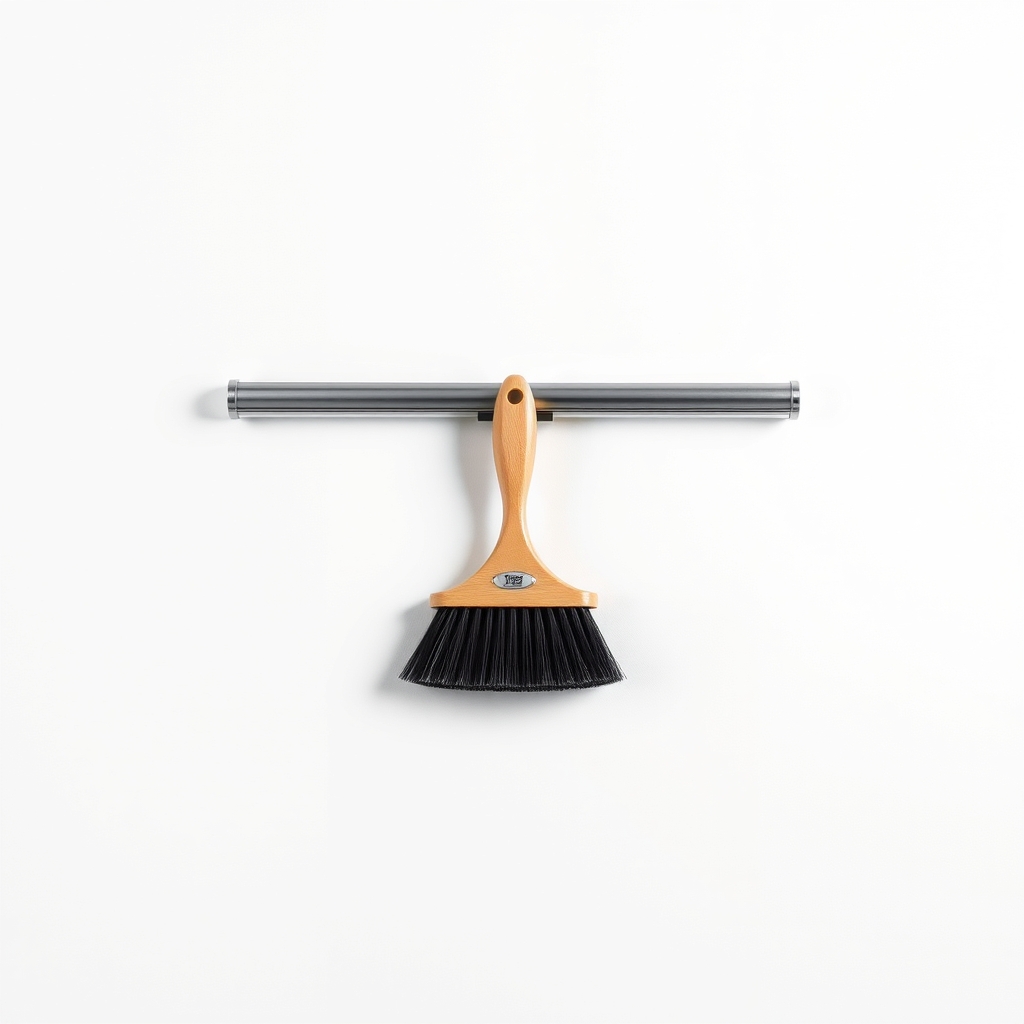
Window track cleaning brush set
Stiff, narrow bristles for packed tracks
- Illustration
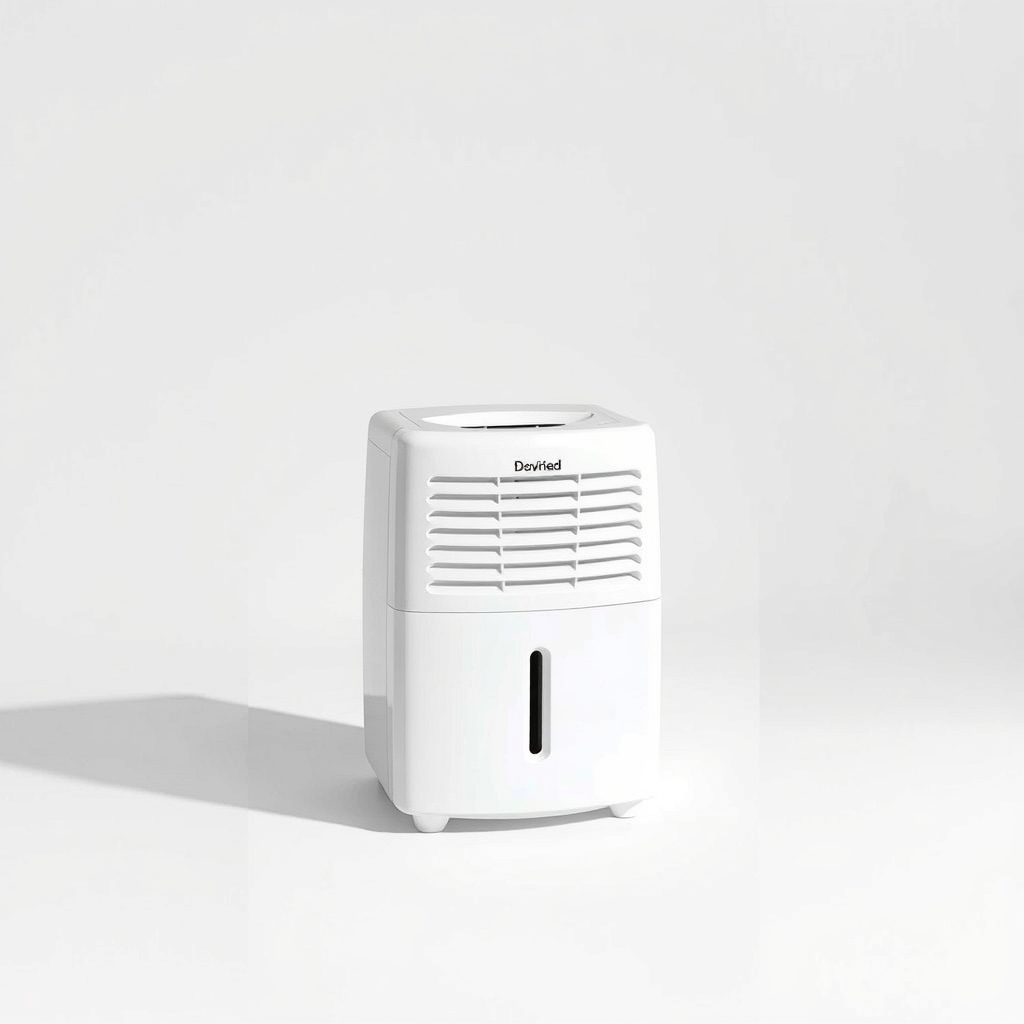
Compact dehumidifier
Only if the glass sweats every winter morning
Why it happens
Condensation on cold glass
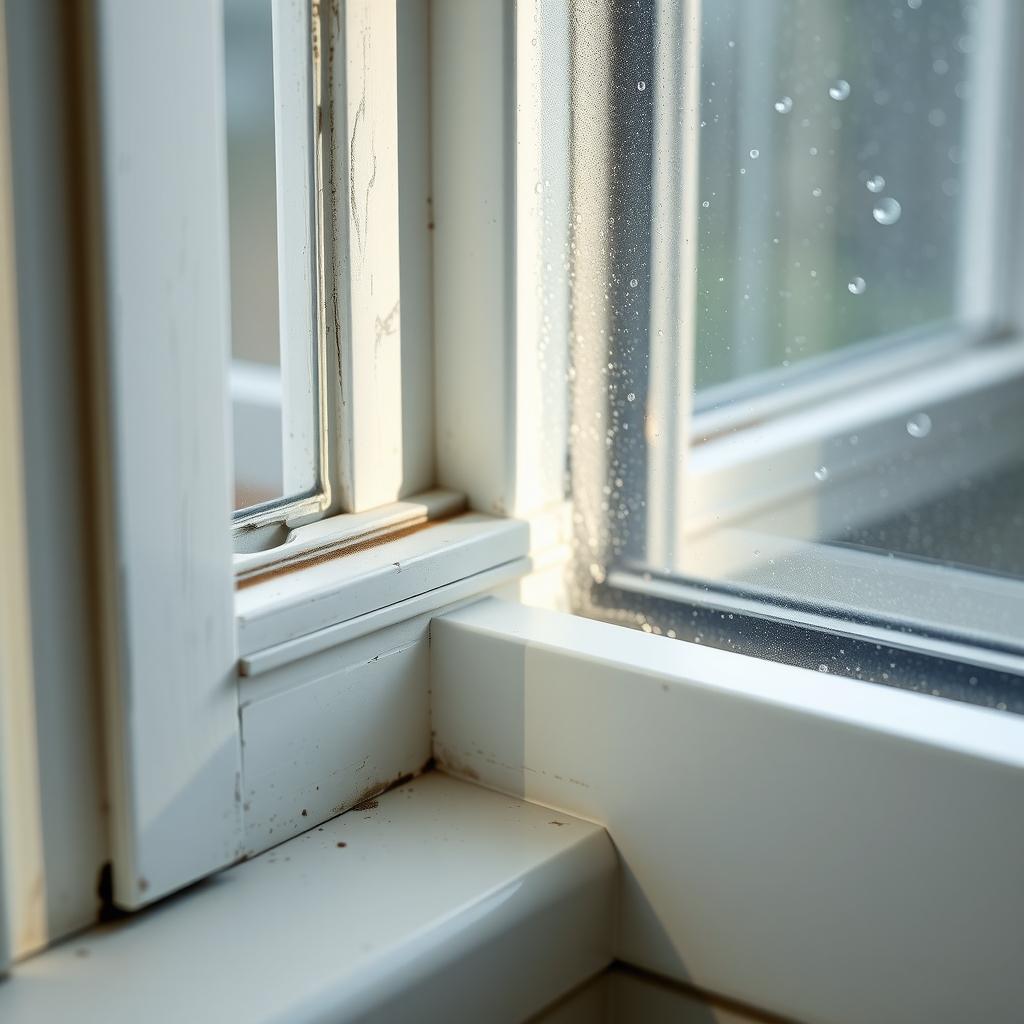
Warm indoor air hits cold glass and turns to water. It runs onto the sill and into the frame, and wood and rubber stay damp for hours. Mildew likes that.
Dirt and moisture packed into the track
Dust, pollen and bits of grit collect in the track. Add a little water and you have a perfect place for mildew to grow out of sight, with a smell that drifts into the room.
Damp curtains or blinds
Fabric that touches wet glass soaks up the water and stays damp. If the smell is strongest when the curtains are closed, start there.
A slow leak around the frame
Failed caulk or flashing lets rain get behind the trim. The smell gets stronger after rain, and the wood or wall under the window may be stained or soft.
Try this first (free)
Do these in order, starting with the simplest.
-
Open the window and put on gloves
Tool used: Rubber glovesFresh air helps, and gloves protect your skin. Move curtains out of the way and remove anything stored on the sill.
-
Wipe the sill, frame and seal with vinegar
Tool used: White vinegar spraySpray a half-and-half mix of white vinegar and water, let it sit for 10 minutes, then wipe it off. Do the rubber seal and the lower corners of the glass too.
-
Scrub the track and corners
Tool used: Old toothbrushWork the toothbrush along the track and into the corners where the frame meets the sill. Wipe out the loosened dirt with a damp cloth.
-
Spray the mildew remover on what is left
Tool used: Mold and mildew remover sprayIf dark spots or the smell remain, spray a mold and mildew remover on those spots and follow the wait time on the label. Wipe it off and rinse the sill with clean water.
IllustrationCheck price on AmazonTool for this step
Mold and mildew remover spray · Choose one labeled for painted wood, vinyl and glass
-
Dry it all and cut the damp
Dry every surface with a clean cloth, wash or air out the curtains and keep the window slightly open on dry days. Wipe condensation off the glass each morning in winter.
When free fixes aren't enough
If the smell returns within a few weeks, the window is still getting wet, so cleaning alone cannot win. Look for glass that fogs every morning, water pooling on the sill, or stains and soft spots on the frame or wall below it. Soft wood, bubbling paint or a patch of growth bigger than about 10 square feet (roughly a 3 by 3 foot area) points to a leak or a larger mold problem, and it is time to call a pro. A remover spray handles surface growth. It does not fix a leak.
Buy the fix
Still stuck after the free fixes? These are the products we would look at.
| Pick | Product | Fixes | Who it's for | Buy |
|---|---|---|---|---|
| Best pick | Mold and mildew remover spray | mildew left in the sill, frame and rubber seal | Anyone whose vinegar wipe cleared the smell for only a few weeks. | Check price |
| Budget pick | Window track cleaning brush set | dirt and mildew packed into tracks and corners | Anyone whose window is clean except for the track. | Check price |
| Upgrade pick | Compact dehumidifier | the damp that feeds mildew in rooms where windows sweat | Rooms where the glass fogs every winter morning. | Check price |
Mold and mildew remover spray
Fixes: mildew left in the sill, frame and rubber seal
Look for: Labeled for mold and mildew on painted wood, vinyl and glass; A trigger spray that aims at a narrow sill; Low-odor formula, since you will use it in a closed room.
- Who it's for
- Anyone whose vinegar wipe cleared the smell for only a few weeks.
- Honest downside
- The wood is soft or the wall under the window is stained. That points to a leak, so fix the leak first.
Window track cleaning brush set
Fixes: dirt and mildew packed into tracks and corners
Look for: Stiff bristles narrow enough for a window track; A small angled head for corners; A scraper end that lifts packed dirt.
- Who it's for
- Anyone whose window is clean except for the track.
- Honest downside
- The smell comes from a damp wall or a leak, not the track.
Compact dehumidifier
Fixes: the damp that feeds mildew in rooms where windows sweat
Look for: A square-foot rating that matches the room; Auto shut-off when the tank is full; A drain hose option so you do not empty it daily.
- Who it's for
- Rooms where the glass fogs every winter morning.
- Honest downside
- Your windows stay dry and the smell came from one damp curtain. Clean first.
As an Amazon Associate I earn from qualifying purchases. We don't show prices because they change, so use the button to see today's price.
How we picked: How we picked: this page is based on mold and moisture guidance from public health and home-care sources, directions from mildew remover makers, and the problems and fixes owners report in reviews. We do not test products by hand.
Window smells musty? Match the smell to the cause
- Only on cold mornings: condensation. Wipe the glass and sill each day and run a fan or dehumidifier.
- Stronger after rain: a leak around the frame. Check the caulk outside and the wall below the sill.
- Only with the curtains closed: damp fabric. Wash the curtains and let air move between them and the glass.
- All the time: mildew in the track, seal or sill. Clean and treat them as above.
What to skip
Air fresheners and paint-over fixes
Sprays that cover the smell and paint over a mildewy sill do nothing about the growth underneath. The mildew keeps spreading under the paint and the smell comes back. And never mix bleach with vinegar or ammonia, because the fumes are toxic.
Frequently asked questions
Why does my window smell like mildew?
Why does my window smell like mold?
Why do windows smell bad when they look clean?
Can I use bleach on a musty window?
Related problems
 Free fix inside
Cleaning · Walls
Wall Keeps Getting Moldy? Clean It, Block It, Fix the Moisture
Read the fix Free fix inside
Cleaning · Walls
Walls Sweating? Cut the Humidity With a Right-Sized Dehumidifier
Read the fix Free fix inside
Cleaning · Windows
Windows Painted Shut? The Tool That Frees Them Without Damage
Read the fix Free fix inside
Cleaning · Windows
How to Fix a Window That Won't Stay Up (Free Trick First)
Read the fixAs an Amazon Associate I earn from qualifying purchases. Affiliate disclosure