Fixing Walls After Removing Wallpaper: Glue Residue and Tears
Leftover paste makes new paint bubble, and torn drywall paper needs sealing before filler. Wash the glue off, seal the tears, then skim and sand smooth.
By Jamilur Rahman Updated November 5, 2026 · 6 min read
- Time
- 3 hours plus drying
- Cost
- Under $20
- Difficulty
- Medium
In this guide
Quick answer
To fix walls after removing wallpaper, first take off every bit of leftover glue, because paint and filler will not stick to it. Soften the paste with warm soapy water and a wide scraper, or spray on a wallpaper adhesive remover to speed it up, then rinse and let the wall dry. Seal any torn drywall paper with a stain-blocking primer before you skim and sand.
Free fix vs. permanent fix
Warm water, dish soap and a scraper
- Wipe warm water with a squirt of dish soap over the wall
- Wait 10 to 15 minutes for the paste to soften
- Scrape in light strokes with a wide plastic or flexible knife
- Rinse with clean water and let the wall dry
How long it lasts: A clean wall on most jobs. It takes more passes on old, hard paste, and extra water can raise the drywall paper.
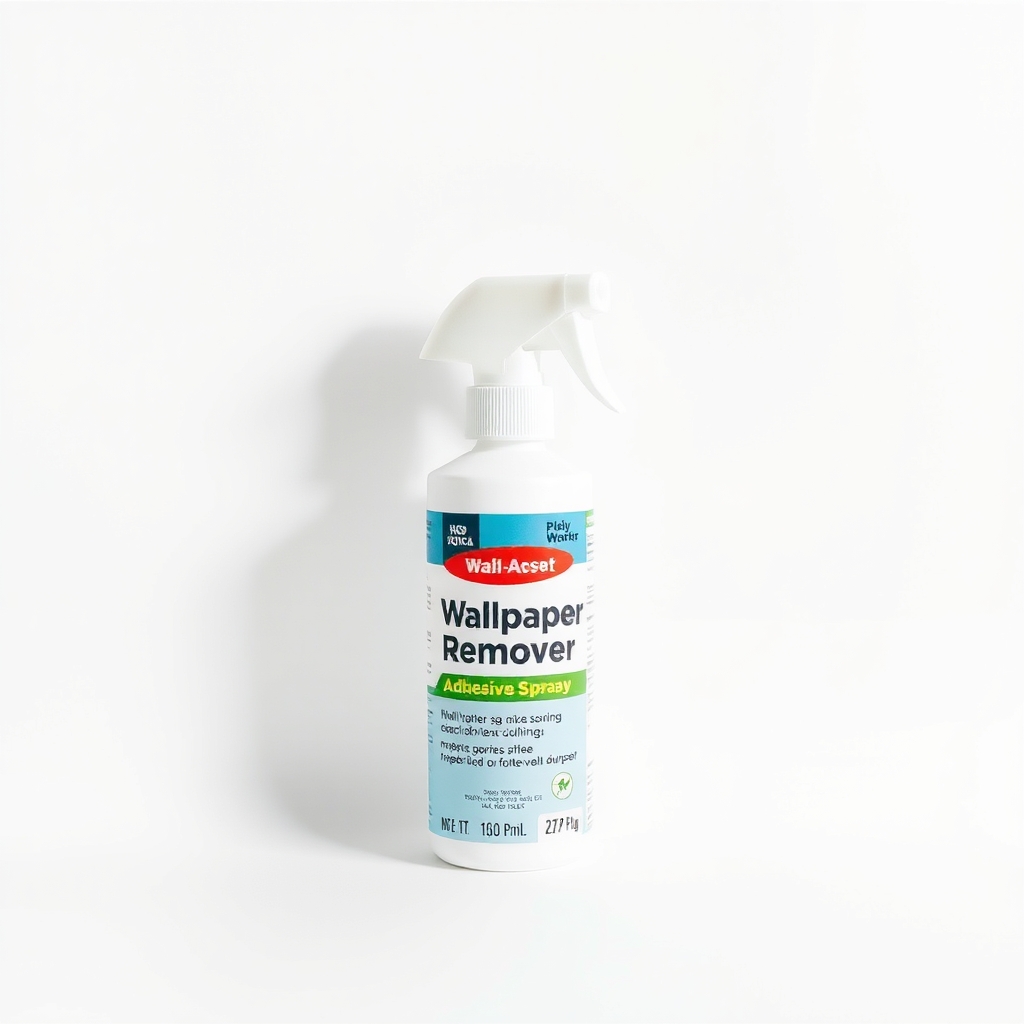
A wallpaper adhesive remover spray
A remover made for wallpaper paste breaks down old glue faster than water alone. That means fewer passes with the scraper and less water on the drywall, which lowers the risk of lifting the paper face.
What to get: Wallpaper adhesive remover spray
How long it lasts: A clean, smooth wall that takes primer and paint, so the new finish stays on for years.
As an Amazon Associate I earn from qualifying purchases.
What you'll need
-
Bucket, sponge and dish soap
For warm soapy water and rinsing
You have it - Illustration
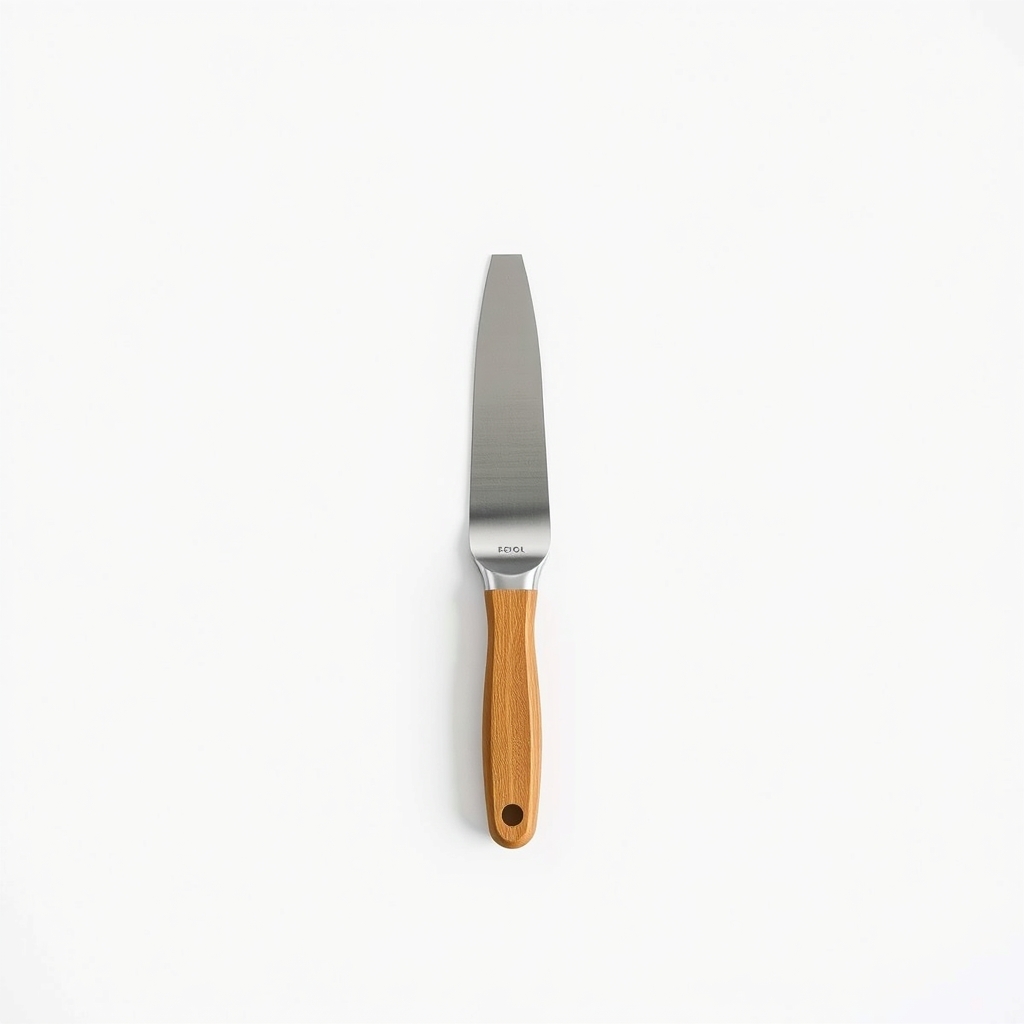
Wide flexible putty knife
A 4 to 6 inch knife scrapes paste without gouging
- Our pick Illustration
Wallpaper adhesive remover spray
Breaks down old paste so it scrapes off
- Illustration
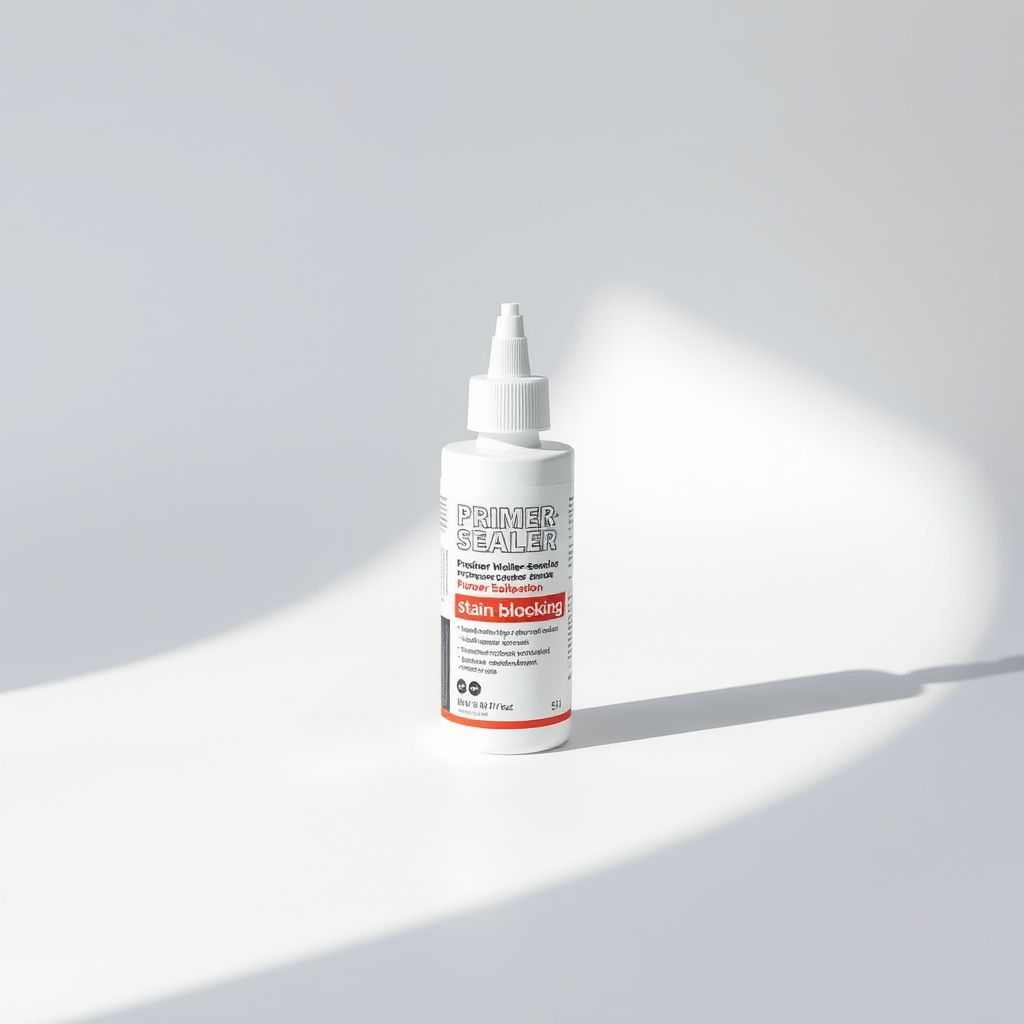
Stain-blocking primer-sealer
Seals torn drywall paper before filler
- Illustration
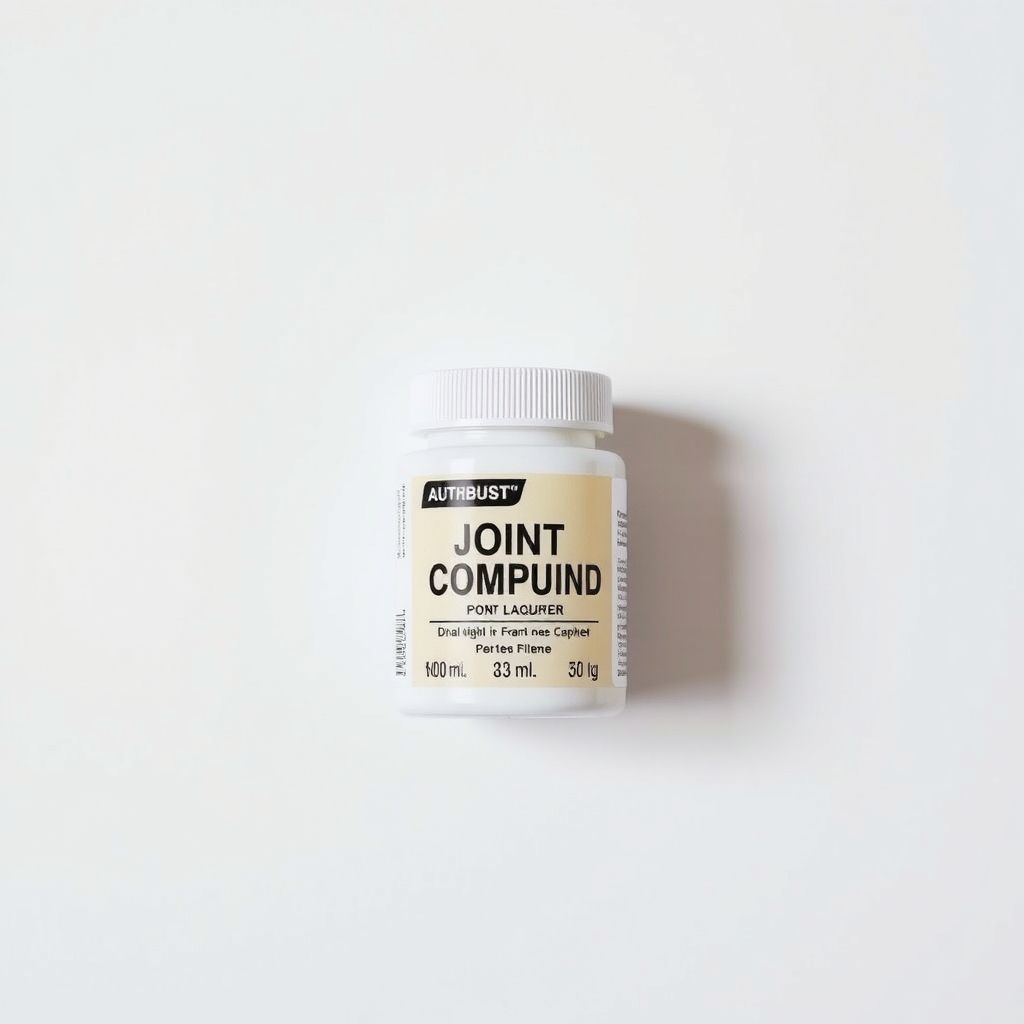
Lightweight joint compound
Fills gouges and skims over tears
- Illustration
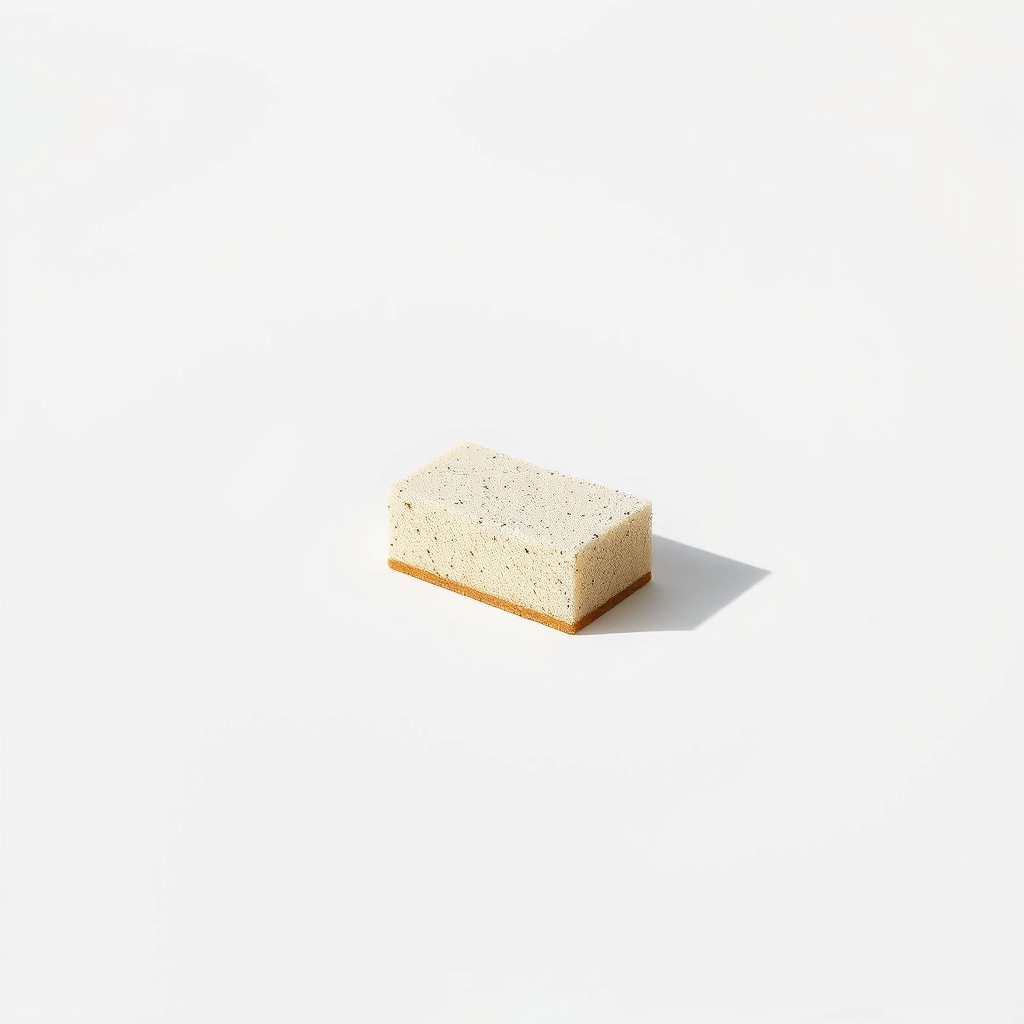
Fine sanding sponge
Smooths the filled spots
Why it happens
Paste left behind on the wall
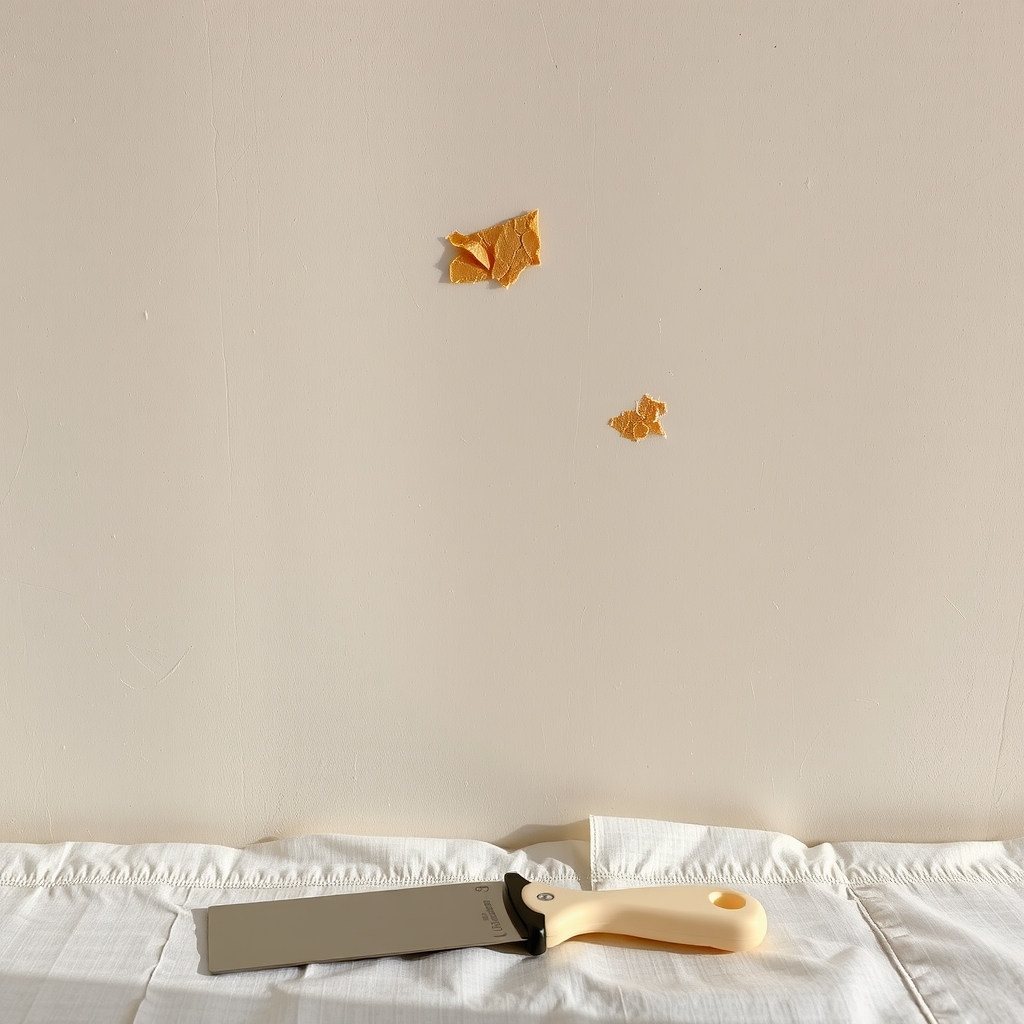
Old wallpaper paste dries into a hard, slick film. Paint will not grip it, and filler slides off. It also turns tacky again when it gets wet, which is why you can feel it when you rub the wall.
Paper glued straight onto bare drywall
If nobody primed the wall before hanging, the wallpaper bonded to the drywall paper itself. Pulling the wallpaper then tears the drywall face off in patches.
Too much water on the wall
Soaking the wall again and again lifts the drywall paper, which then bubbles or fuzzes. Use as little water as you can and let the wall dry between passes.
Try this first (free)
Do these in order, starting with the simplest.
-
Protect outlets and floors
Turn off the power to the room at the breaker if water will run near outlets. Remove the cover plates, tape over the openings and lay a drop cloth along the wall.
-
Soften the paste
Tool used: Wallpaper adhesive remover spraySpray a wallpaper adhesive remover on a 3 by 3 foot section and wait the time on the label, usually a few minutes. Or wipe on warm water with a squirt of dish soap and wait 10 to 15 minutes.
IllustrationCheck price on AmazonTool for this step
Wallpaper adhesive remover spray · Breaks down old paste so it scrapes off
-
Scrape in light strokes
Tool used: Wide flexible putty knifeHold the knife at a low angle and push the softened paste off in short strokes. Round the knife corners with sandpaper so they do not dig into the wall.
IllustrationCheck price on AmazonTool for this step
Wide flexible putty knife · A 4 to 6 inch knife scrapes paste without gouging
-
Rinse and dry for a day
Tool used: Bucket, sponge and dish soapWipe the wall with clean water and a sponge until it no longer feels slick. Let it dry at least 24 hours before you fill, prime or paint.
-
Seal torn paper, skim and sand
Tool used: Stain-blocking primer-sealerBrush stain-blocking primer on any bare, torn paper and let it dry. Skim thin coats of joint compound over the damage, sand each coat smooth, then prime the whole wall before paint.
IllustrationCheck price on AmazonTool for this step
Stain-blocking primer-sealer · Seals torn drywall paper before filler
When free fixes aren't enough
If the paste is old and hard, water alone needs many passes, and every pass wets the drywall more. When the paper starts to fuzz, bubble or peel, stop soaking and switch to a remover that does more of the work with less water. Torn paper across an area bigger than your hand usually means a skim coat over the whole wall, which is a bigger job. If the wall feels soft, crumbles or shows mold, find the moisture source first. In a home built before 1978, test old paint for lead before you sand, and never dry-sand it.
Buy the fix
Still stuck after the free fixes? These are the products we would look at.
| Pick | Product | Fixes | Who it's for | Buy |
|---|---|---|---|---|
| Best pick | Wallpaper adhesive remover spray | old paste that water alone will not shift | Anyone with sticky, hard residue over a whole room. | Check price |
| Budget pick | Wide flexible putty knife | scraping paste off without cutting into the wall | Anyone scraping by hand with warm water and soap. | Check price |
| Upgrade pick | Stain-blocking primer-sealer | torn drywall paper that bubbles under filler | Walls where the paper tore off in patches. | Check price |
Wallpaper adhesive remover spray
Fixes: old paste that water alone will not shift
Look for: Made to dissolve wallpaper paste, not to strip paint; A spray or gel that clings to a vertical wall; Directions for drywall and painted walls.
- Who it's for
- Anyone with sticky, hard residue over a whole room.
- Honest downside
- Your wall comes clean with soapy water and a scraper. Use what you already have.
Wide flexible putty knife
Fixes: scraping paste off without cutting into the wall
Look for: A 4 to 6 inch wide blade; A flexible blade that will not gouge drywall; A comfortable handle.
- Who it's for
- Anyone scraping by hand with warm water and soap.
- Honest downside
- You already own a wide, flexible knife.
Stain-blocking primer-sealer
Fixes: torn drywall paper that bubbles under filler
Look for: Labeled for use on bare drywall paper; Seals torn paper so filler does not bubble; Works under latex paint.
- Who it's for
- Walls where the paper tore off in patches.
- Honest downside
- No bare paper shows. A regular primer is enough.
As an Amazon Associate I earn from qualifying purchases. We don't show prices because they change, so use the button to see today's price.
How we picked: How we picked: this page is based on drywall and painting guides, directions from wallpaper adhesive remover and primer makers, and the problems and fixes owners report in reviews. We do not test products by hand.
Torn paper or small dents? Match the repair to the damage
- Light gouges and dents: fill with lightweight joint compound, let dry, then sand smooth.
- Torn drywall paper: seal the bare paper with primer first, then skim with joint compound in thin coats.
- Large areas of bare paper: skim coat the whole wall for an even surface.
- Hairline cracks that open as the wall dries: fill and re-prime once the wall is dry.
What to skip
Painting over leftover glue
Paint over residue bubbles and peels, often within days, because the paste underneath stays tacky. Skip it and wash first. Also skip metal scrapers with sharp corners, which gouge drywall, and power sanding over damaged paper, which only makes more fuzz.
Frequently asked questions
How do I fix walls damaged by wallpaper removal?
How do I know the glue is all gone?
Do I need primer before painting the wall?
Can I paint straight over leftover wallpaper paste?
Related problems
 Free fix inside
Cleaning · Wall Paint Touch-Up
Scuffed Apartment Walls? Touch-Up Paint and Spackle That Blend
Read the fix Free fix inside
Cleaning · Walls
Holes in Walls? Patch Kits for Small and Medium Holes
Read the fix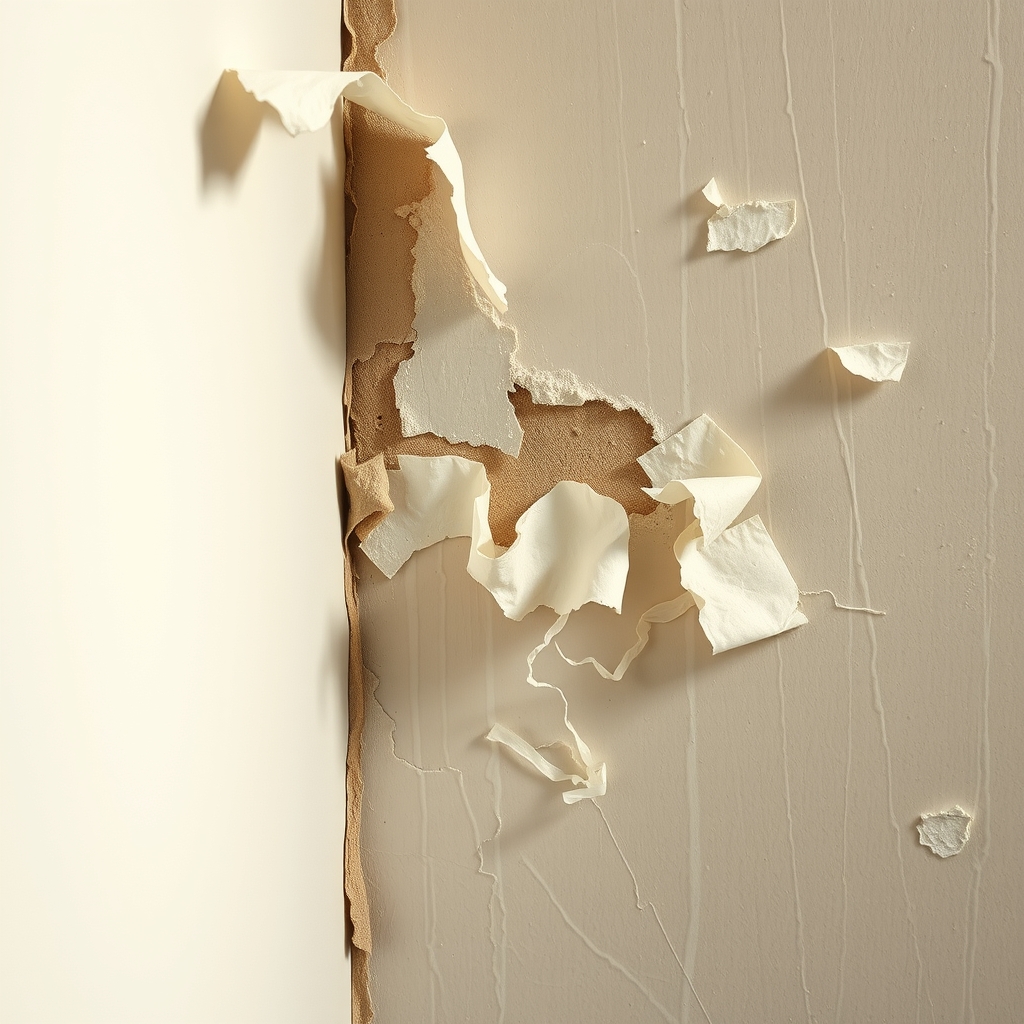 Free fix inside
Cleaning · Walls
Peeling Paint on Walls? Scrape, Prime, and Repaint So It Sticks
Read the fix Free fix inside
Cleaning · Wall Cracks
Walls Cracking? Fill Hairline Cracks So They Stay Filled
Read the fixAs an Amazon Associate I earn from qualifying purchases. Affiliate disclosure