Bedroom Door Swinging Open by Itself? Latch It Shut
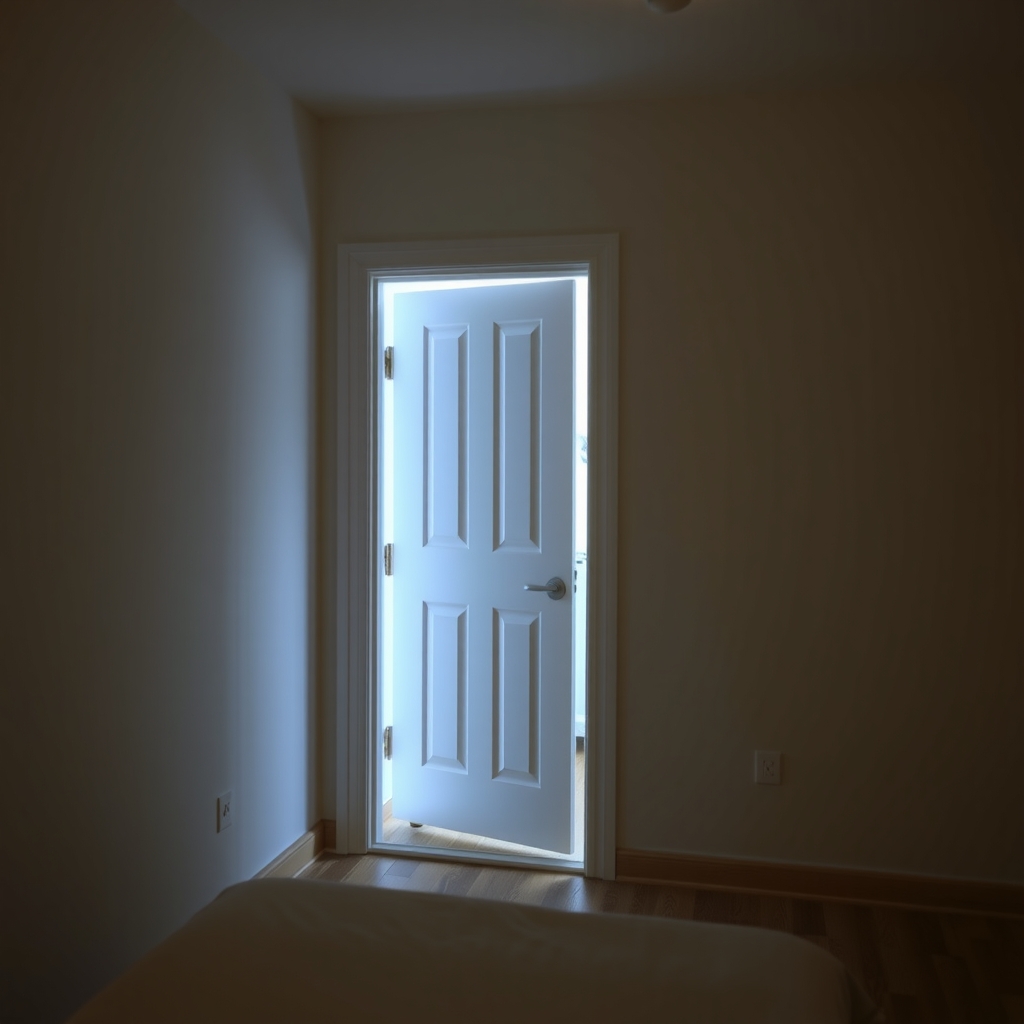
A door that drifts open at night usually has a weak latch or hinges that lean. Fix the lean, then add a magnetic door catch to hold it shut.
By Jamilur Rahman Updated November 5, 2026 · 6 min read
- Time
- 15 min
- Cost
- Under $20
- Difficulty
- Easy
In this guide
Quick answer
To stop a bedroom door from swinging open, check whether the latch catches and whether the hinges lean, since a door that hangs crooked drifts open under its own weight. If the latch is fine, a magnetic door catch holds the door shut without noise, and it works on doors that never latch at all.
Free fix vs. permanent fix
Tighten, test and shim
- Tighten every hinge screw
- Test the latch by closing the door slowly
- Open the door halfway and see whether it drifts
- Slip a thin cardboard shim behind a hinge leaf
How long it lasts: Years if the problem was a loose hinge. If the door leans or the latch does not grip, it drifts open again.
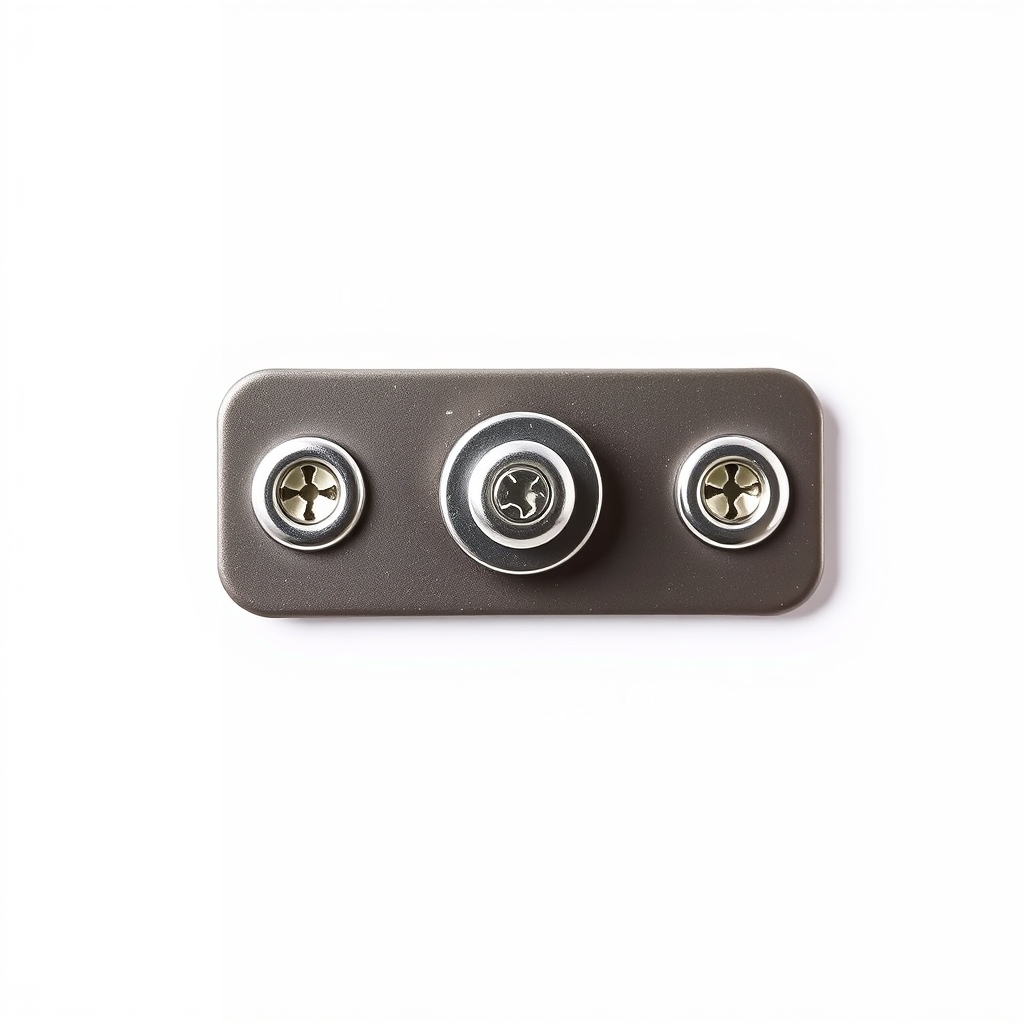
A magnetic door catch
A latch is meant to hold a door shut, but a worn latch or a leaning door can slip. A magnetic catch pulls the door against the frame and holds it, so a draft or a small lean cannot swing it open. It works with a latch or without one.
What to get: Screw-mount magnetic door catch
How long it lasts: Years. The magnet holds the door closed with no moving parts to wear out.
As an Amazon Associate I earn from qualifying purchases.
What you'll need
-
Screwdriver
For the hinge screws and the catch
You have it -
Small level
Shows whether the door frame leans
You have it -
Cardboard shim
A thin strip cut from a cereal box tilts the door a hair
Free - Our pick Illustration
Screw-mount magnetic door catch
The default fix for a door that will not stay shut
- Illustration
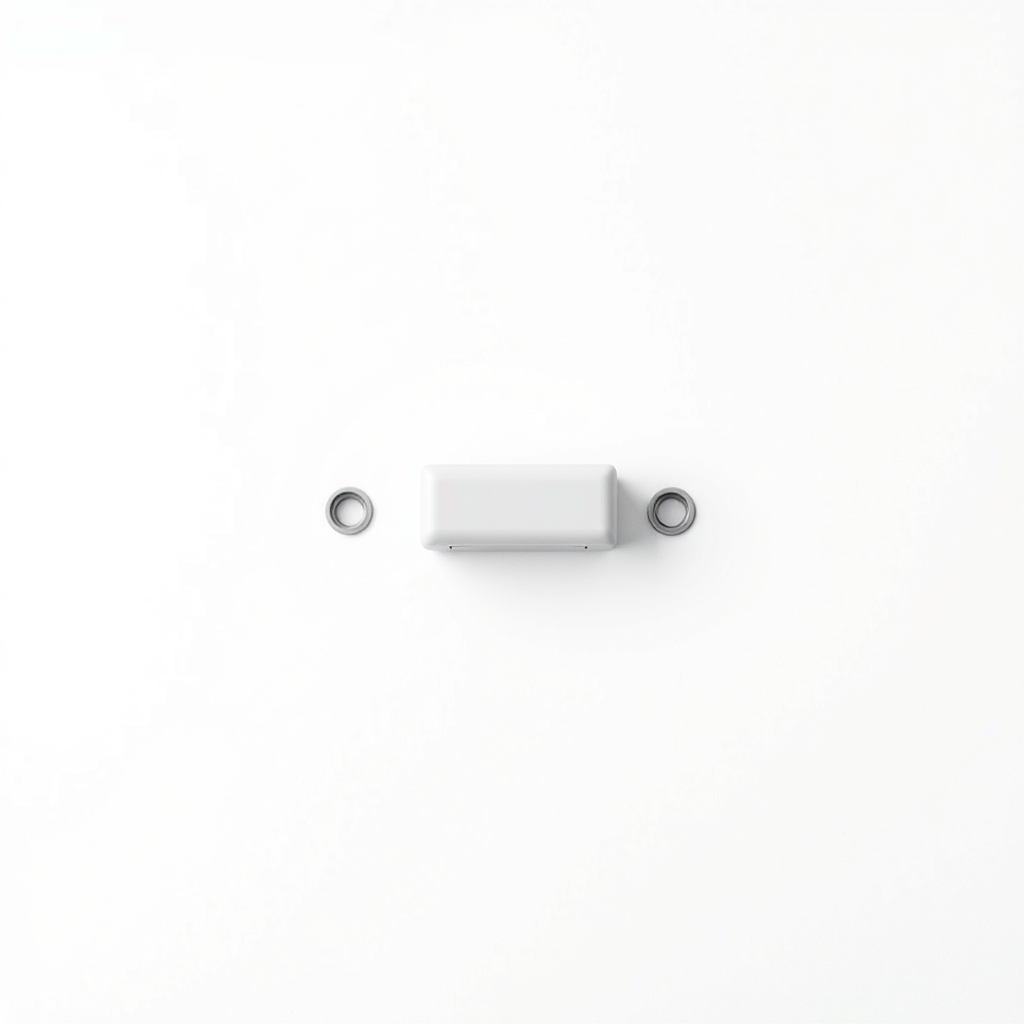
Adhesive-mount magnetic door catch
No screw holes, for light doors and renters
- Illustration
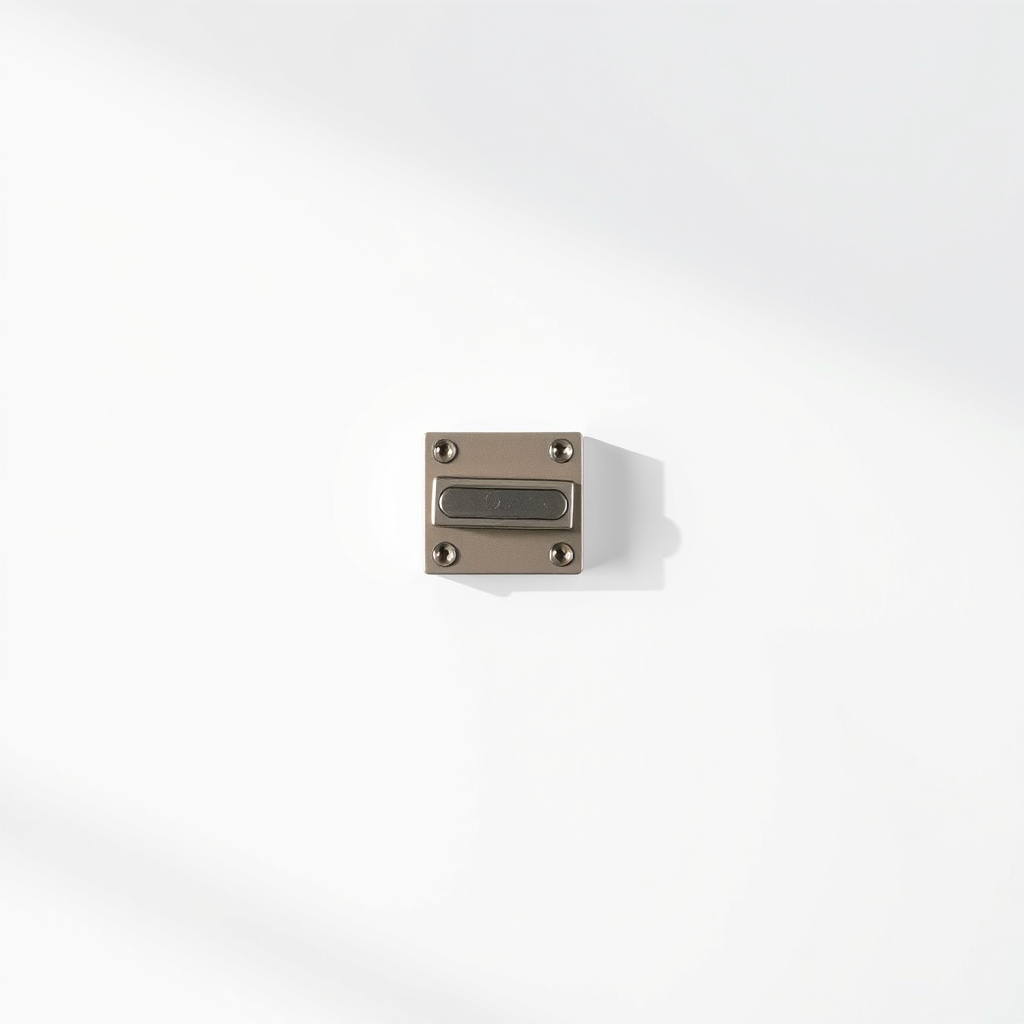
Heavy-duty magnetic door catch
A stronger pull for heavy solid doors
Why it happens
A latch that does not catch
A weak spring, paint on the latch, or a strike plate that is slightly off can let the bolt slip out of its hole with a small push.
A door that leans on its hinges
If the hinge pins are out of plumb, gravity pulls the door one way. A door that drifts open often has loose hinge screws or a frame that leans.
A house that has settled
Frames shift as a house settles or as humidity moves the wood. A door that once stayed shut may now drift.
Air pressure and drafts
A bedroom with a strong supply vent and no air return builds up a little pressure. A door can ease open, especially if the latch is loose.
Try this first (free)
Do these in order, starting with the simplest.
-
Test what the door does
Open it halfway and let go. If it keeps swinging, the hinges or the frame lean. If it stays put but pops open once closed, the latch is the problem. Close it slowly and listen for a click.
-
Check the frame with a level
Tool used: Small levelHold a small level against the hinge side of the door frame. If the bubble is off center, the frame leans, which is why some doors will not stay where you leave them.
-
Tighten the hinges
Tool used: ScrewdriverTighten every hinge screw. If one spins without gripping, swap it for a longer screw, about 3 inches, that reaches the framing behind the jamb.
-
Shim a hinge
Tool used: Cardboard shimPlace a thin cardboard shim behind one hinge leaf and test the door again. If it gets worse, move the shim to the other hinge. A tiny change is enough.
-
Add a magnetic catch
Tool used: Screw-mount magnetic door catchFit the magnet on the frame near the latch, and the metal plate on the door edge where the two meet when the door is closed. Close the door to confirm they line up, then screw or stick them down.
IllustrationCheck price on AmazonTool for this step
Screw-mount magnetic door catch · The default fix for a door that will not stay shut
When free fixes aren't enough
Tightening hinges and shimming fix a lean. They do nothing for a latch that will not grip, or for a door with no latch at all. If the door still swings open after the hinge fix, the magnet does the holding. Choose a stronger one for a heavy solid door. If the door scrapes, sticks or the frame has cracks, the house may be moving, and a pro should look.
Buy the fix
Still stuck after the free fixes? These are the products we would look at.
| Pick | Product | Fixes | Who it's for | Buy |
|---|---|---|---|---|
| Best pick | Screw-mount magnetic door catch | a bedroom door that drifts or pops open after latching | Most households. It is the default fix for a door that will not stay closed. | Check price |
| Budget pick | Adhesive-mount magnetic door catch | a light interior door that drifts open | Renters, hollow-core doors, and anyone who does not want screw holes. | Check price |
| Upgrade pick | Heavy-duty magnetic door catch | a heavy door that overpowers a standard catch | Solid-core or wide doors, and doors that get pushed by drafts or kids. | Check price |
Screw-mount magnetic door catch
Fixes: a bedroom door that drifts or pops open after latching
Look for: A pull strength rated for your door's weight; A plate and magnet that line up with the door edge; Screws included, in a finish that matches your hardware.
- Who it's for
- Most households. It is the default fix for a door that will not stay closed.
- Honest downside
- The door scrapes or sticks. Fix the hinges or the fit first so the magnet does not have to fight it.
Adhesive-mount magnetic door catch
Fixes: a light interior door that drifts open
Look for: A strong adhesive pad; A compact catch that fits the door edge; Pull strength labeled in pounds.
- Who it's for
- Renters, hollow-core doors, and anyone who does not want screw holes.
- Honest downside
- Your door is heavy and solid, or the paint on the frame is flaking.
Heavy-duty magnetic door catch
Fixes: a heavy door that overpowers a standard catch
Look for: A higher pull strength than standard catches; A metal housing; A wide strike plate that makes alignment easier.
- Who it's for
- Solid-core or wide doors, and doors that get pushed by drafts or kids.
- Honest downside
- The door is a light hollow-core one. A standard catch is enough, and a strong magnet can be hard to pull open.
As an Amazon Associate I earn from qualifying purchases. We don't show prices because they change, so use the button to see today's price.
How we picked: How we picked: this page is based on door installation and hinge adjustment guides, the pull ratings printed on magnetic catch packaging, and the problems and fixes owners report in reviews. We do not test products by hand.
Latch, hinge or magnet? Which fix fits
- The latch clicks, then the door pops open: the strike plate may be loose or the latch worn. Add a magnetic catch.
- The door drifts when you let go halfway: the hinges or frame lean. Tighten the hinges and try a shim.
- There is no latch at all: a magnetic catch is the simple answer.
What to skip
Wedges and rubber door stops
A rubber stop only holds a door open. A wedge jammed under the door scuffs the floor and slides on hardwood. Use a catch that pulls the door to the frame instead.
Frequently asked questions
Why does my bedroom door keep swinging open?
Why does my bedroom door keep opening at night?
Why does my bedroom door keep popping open when the heat or AC comes on?
Will a magnetic catch work if my door has no latch?
Related problems
 Free fix inside
Bedroom & Sleep · Bedroom Door
Bedroom Door Closing on Its Own? Stopper Options That Work
Read the fix Free fix inside
Bedroom & Sleep · Bedroom Door
Bedroom Door Slamming? Quiet Bumpers and Soft-Close Fixes
Read the fix Free fix inside
Bedroom & Sleep · Bedroom Door
Bedroom Door Rattling at Night? Quick Fixes for a Quiet Room
Read the fix Free fix inside
Bedroom & Sleep · Bedroom Door
Bedroom Door Won't Latch? Check the Strike Plate First
Read the fixAs an Amazon Associate I earn from qualifying purchases. Affiliate disclosure