Bedroom Door Won't Latch? Check the Strike Plate First
A door that will not click shut is usually a strike plate a hair out of line. Mark where the bolt hits, adjust the plate, and use a repair kit if needed.
By Jamilur Rahman Updated November 5, 2026 · 7 min read
- Time
- 30 min
- Cost
- Under $20
- Difficulty
- Easy
In this guide
Quick answer
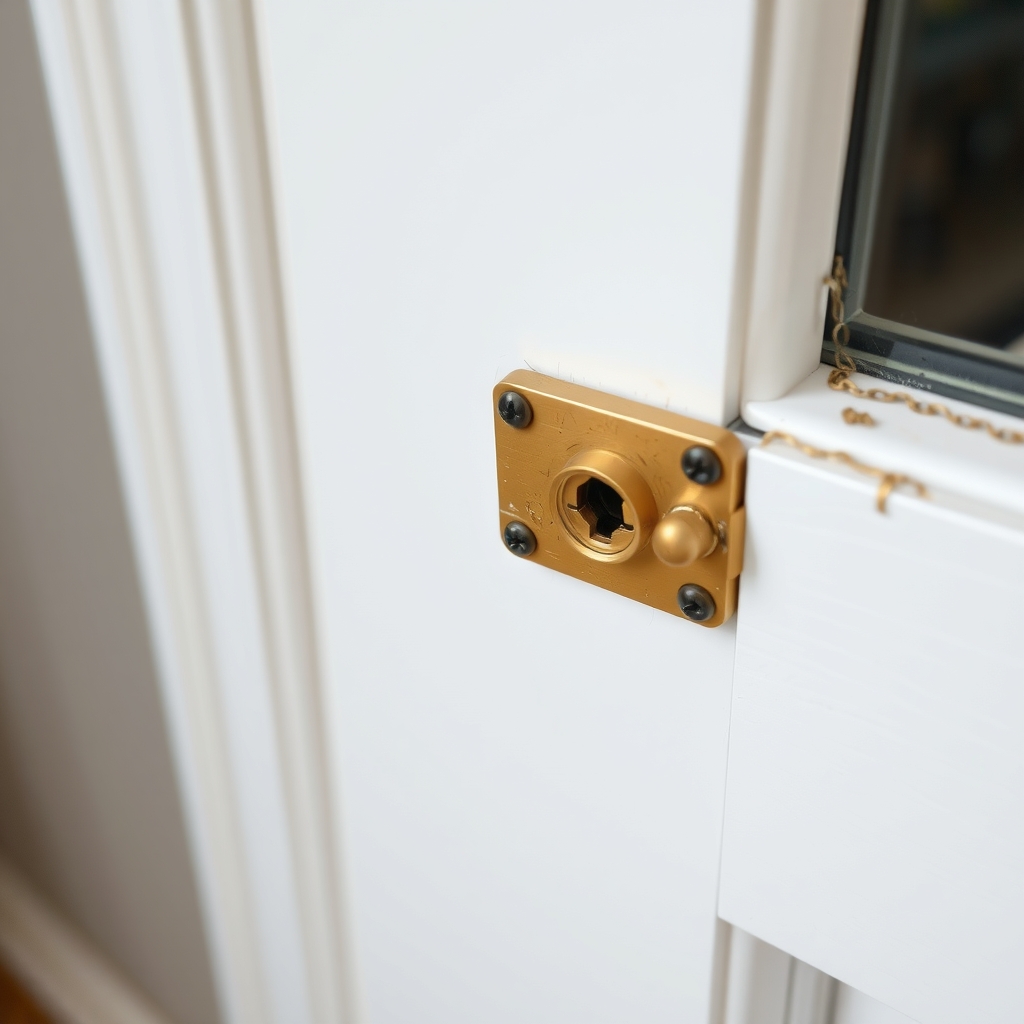
To fix a bedroom door that won't latch, check the strike plate first, since the latch bolt has to line up with the hole in the plate. Mark where the bolt hits, then file or move the plate, and use a strike plate repair kit if the screw holes are stripped. If the door rubs the frame, tighten the hinges as well.
Free fix vs. permanent fix
Mark, adjust and tighten
- Rub chalk or lipstick on the latch bolt and close the door
- See where the mark lands compared with the hole
- File the hole bigger, or move the plate
- Tighten the hinge screws
How long it lasts: Years if the plate only needs a small shift. A worn latch or stripped holes will drift again.
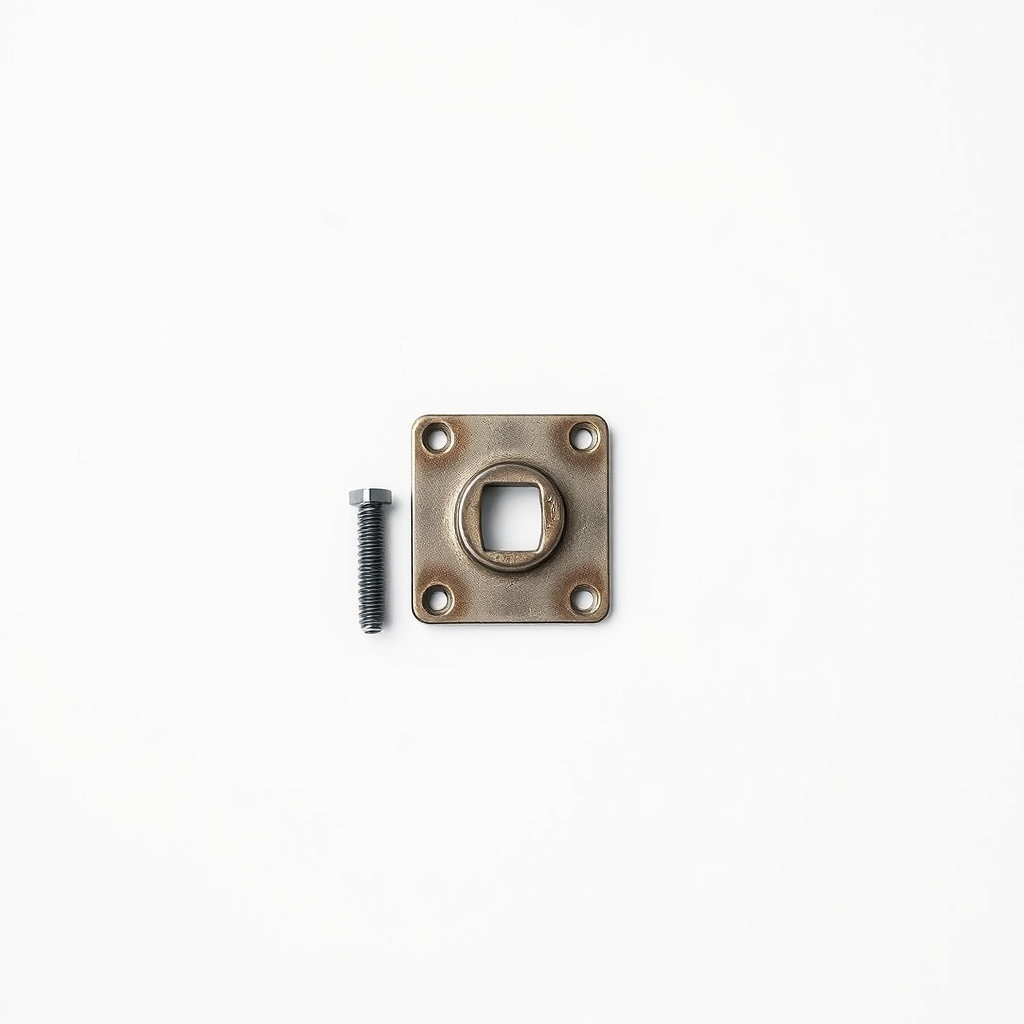
A strike plate repair kit with long screws
A door stops latching when the bolt and the plate hole no longer line up. A repair kit gives you a plate that adjusts or reinforces the opening, plus long screws that pull the plate into the framing, so the latch can catch again and the plate stays tight.
What to get: Strike plate repair kit
How long it lasts: Years. A reinforced plate screwed into the framing does not loosen.
As an Amazon Associate I earn from qualifying purchases.
What you'll need
-
Screwdriver
For the plate and hinge screws
You have it -
Chalk, lipstick or tape
Shows where the bolt lands
You have it -
Small metal file
Widens the plate opening a little at a time
You have it - Our pick Illustration
Strike plate repair kit
Adjustable or extended plates plus long screws
- Illustration
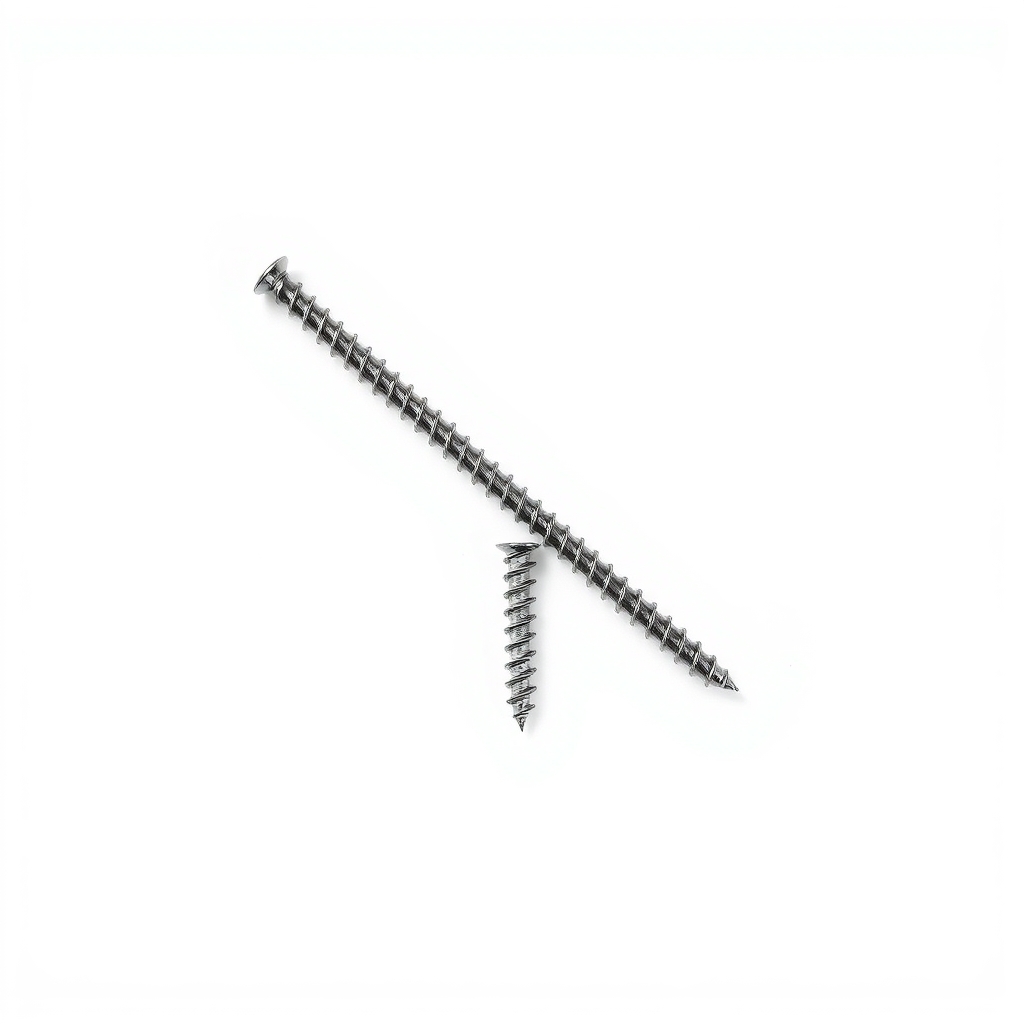
Long 3-inch door screws
Pull a sagging door and a loose plate back into the frame
- Illustration
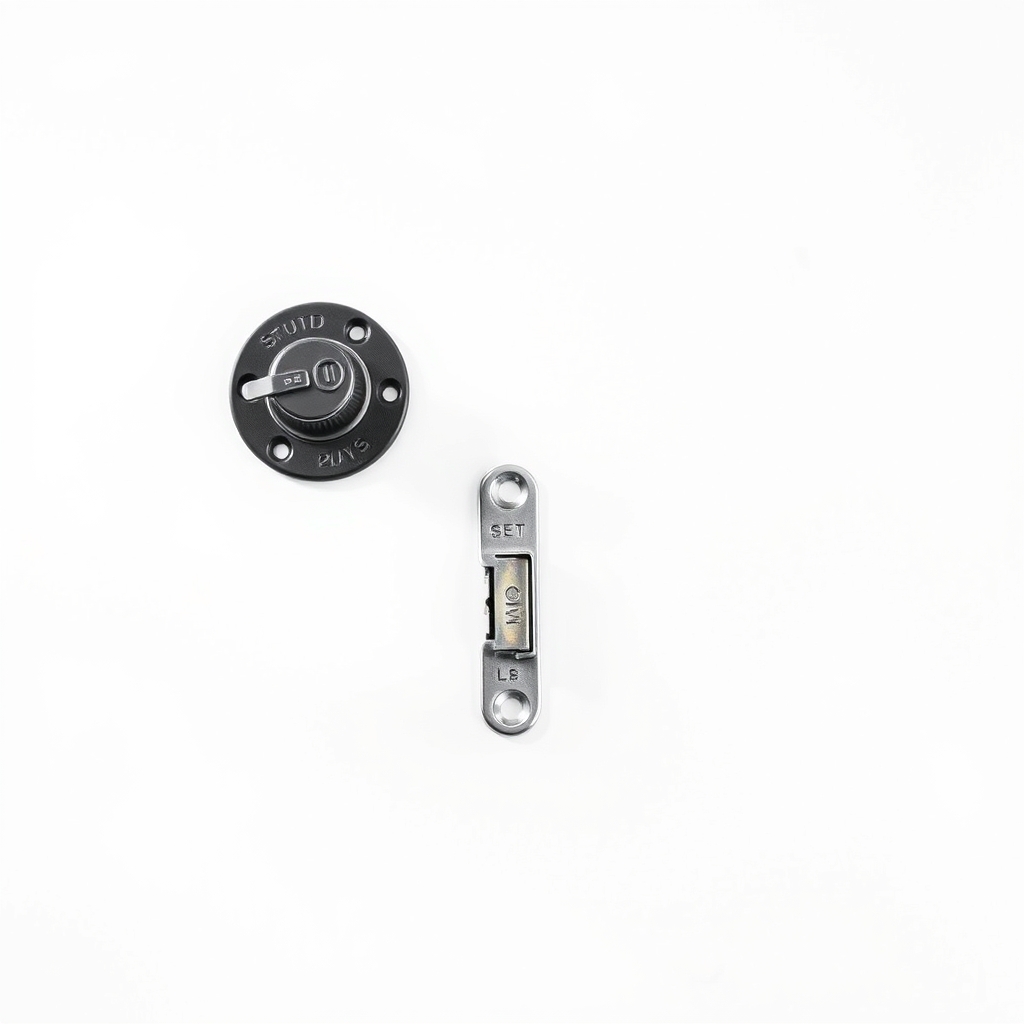
Replacement door latch set
For a latch bolt that sticks or is worn
Why it happens
A strike plate that has drifted out of line
Doors settle, and wood swells and shrinks with the weather. After a few years the bolt may hit a quarter inch above, below or beside the hole.
Stripped or loose screw holes
Short screws in soft wood strip out and let the plate move. A loose plate shifts every time the door shuts.
A sagging door or loose hinges
A door that hangs low rubs the frame, and its latch ends up out of line with the plate. It often scrapes at the top corner on the latch side.
Paint, grime or a worn latch bolt
Paint on the bolt, a sticky mechanism or a weak spring can keep the bolt from springing out fully.
Try this first (free)
Do these in order, starting with the simplest.
-
Mark where the bolt hits
Tool used: Chalk, lipstick or tapeRub chalk or lipstick on the end of the latch bolt. Close the door and turn the knob so the bolt touches the frame. The mark shows where the bolt lands compared with the hole.
-
Check the bolt itself
With the door open, press the bolt and watch it spring back. It should stick out about half an inch. Wipe off paint or grime. If it is sticky or weak, plan to replace the latch.
-
Tighten the hinges
Tool used: Long 3-inch door screwsTighten every hinge screw. Replace any that spin loose with a 3-inch screw that reaches the framing, which pulls a sagging door up and back toward the latch side.
IllustrationCheck price on AmazonTool for this step
Long 3-inch door screws · Pull a sagging door and a loose plate back into the frame
-
Adjust the plate
Tool used: Small metal fileIf the bolt lands slightly off the hole, remove the plate and file the hole's edge a little at a time. If it is more than a quarter inch off, move the plate, and fill the old screw holes with wood glue and toothpicks.
-
Re-fit with a repair kit
Tool used: Strike plate repair kitUse the kit's adjustable or extended plate to cover the old hole and set it with the long screws. Check by closing the door slowly before the screws are fully tight, and adjust as needed.
IllustrationCheck price on AmazonTool for this step
Strike plate repair kit · Adjustable or extended plates plus long screws
When free fixes aren't enough
Filing and moving the plate fix a small miss. If the plate holes are stripped, the wood around them is cracked, or the door and frame are out by more than a quarter inch, filing alone will not hold, and a repair kit with long screws will. If the door is warped, rubs along its whole edge, or the frame is split, a carpenter should look. If the latch bolt will not spring out at all, the latch is worn, and a new latch set is a cheap fix.
Buy the fix
Still stuck after the free fixes? These are the products we would look at.
| Pick | Product | Fixes | Who it's for | Buy |
|---|---|---|---|---|
| Best pick | Strike plate repair kit | a latch bolt that misses the plate, or a plate with stripped holes | Most bedroom doors that will not latch. | Check price |
| Budget pick | Long 3-inch door screws | loose hinges and plates in stripped holes | A door that sagged, or a plate that wiggles but is otherwise in line. | Check price |
| Upgrade pick | Interior door latch replacement set | a worn latch bolt that sticks or does not spring out | People with an old, sticky or weak latch. | Check price |
Strike plate repair kit
Fixes: a latch bolt that misses the plate, or a plate with stripped holes
Look for: A plate shape that matches your latch, with square or rounded corners; Long screws that reach the framing; A finish that matches your knob or lever.
- Who it's for
- Most bedroom doors that will not latch.
- Honest downside
- The door sticks along its edge or the hinges sag. Fix the hinges first. Also skip it if the jamb is split, and get it repaired.
Long 3-inch door screws
Fixes: loose hinges and plates in stripped holes
Look for: A 3-inch length to reach the wall framing; A head that fits the hinge or plate countersink; A finish that matches the hinge or plate.
- Who it's for
- A door that sagged, or a plate that wiggles but is otherwise in line.
- Honest downside
- The bolt misses the hole by a wide margin. Screws alone will not move the plate.
Interior door latch replacement set
Fixes: a worn latch bolt that sticks or does not spring out
Look for: A latch that fits your door's bore and backset, usually 2 3/8 or 2 3/4 inches; A spring latch that retracts smoothly; A matching strike plate in the same finish.
- Who it's for
- People with an old, sticky or weak latch.
- Honest downside
- The latch works fine and just misses the plate. A plate adjustment is enough.
As an Amazon Associate I earn from qualifying purchases. We don't show prices because they change, so use the button to see today's price.
How we picked: How we picked: this page is based on door hardware installation guides, the instructions printed on strike plate and latch packaging, and the problems and fixes owners report in reviews. We do not test products by hand.
A quick test: is it the plate or the door?
- The bolt hits the frame above or below the hole: the plate or the door is out of line. File or move the plate.
- The bolt reaches the hole but will not go in: file the hole's inner edge, or deepen the recess slightly.
- The door is tight against the frame on the latch side: tighten the hinges first, then sand only if needed.
- The bolt will not spring out: the latch is the problem. Replace it.
What to skip
Planing or sanding the door edge first
Taking wood off the door edge is hard to undo, and most latch problems come from the plate or loose hinges. Check the plate and hinge screws first. Sand only if you can see a rub mark along the edge.
Frequently asked questions
Why is my bedroom door not latching?
How to fix a bedroom door that won't close?
Do I need to take the door off to fix the strike plate?
What screws should I use?
Related problems
 Free fix inside
Bedroom & Sleep · Bedroom Door
Bedroom Door Swinging Open by Itself? Latch It Shut
Read the fix Free fix inside
Bedroom & Sleep · Bedroom Door
Bedroom Door Closing on Its Own? Stopper Options That Work
Read the fix Free fix inside
Bedroom & Sleep · Bedroom Door
Bedroom Door Rattling at Night? Quick Fixes for a Quiet Room
Read the fix Free fix inside
Bedroom & Sleep · Bedroom Door Hardware
Bedroom Door Handle Loose or Broken? Replacement Knob Guide
Read the fixAs an Amazon Associate I earn from qualifying purchases. Affiliate disclosure