Bedroom Door Rattling at Night? Quick Fixes for a Quiet Room
A door rattles when the latch, hinges or stop leave it loose. Fold a paper wedge and tighten the screws first, then add soft pads to keep it quiet.
By Jamilur Rahman Updated November 5, 2026 · 7 min read
- Time
- 10 min
- Cost
- Under $20
- Difficulty
- Easy
In this guide
Quick answer
To stop a bedroom door from rattling, find where it moves: usually the latch bolt sitting loose in the strike plate, hinge screws that have backed out, or a gap between the door and its stop. A folded piece of paper behind the latch and a screwdriver on the hinges fix many doors tonight for free. Soft silicone door pads on the stop are the easier set-and-forget fix, because they do not squash flat or slip out like paper.
Free fix vs. permanent fix
Paper wedge in the latch, tight hinge screws
- Fold a piece of paper into a small, thick strip
- Press it into the strike plate behind the latch bolt
- Tighten every hinge screw by hand
- Press on the door at night to find where it still moves
How long it lasts: Weeks to months. Paper compresses over time and can slip out if the door is slammed, and hinge screws can work loose again.
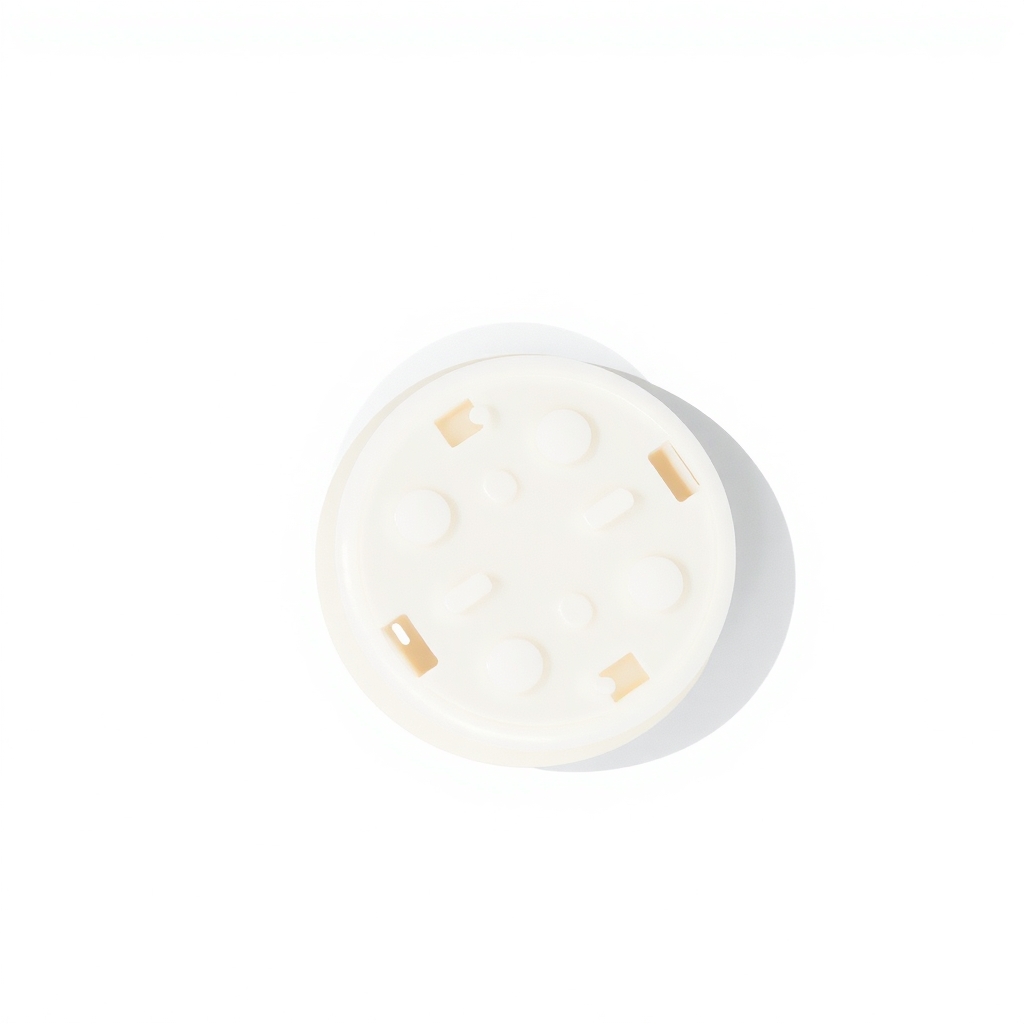
Self-adhesive silicone door pads
Most rattles come from hard door-to-frame contact. Pads fill the small gap along the door stop, so the door rests against soft silicone instead of wood or metal. They stick on in a few minutes and need no tools.
What to get: Self-adhesive silicone door silencer pads
How long it lasts: Years. Soft pads keep their shape and stay stuck, so you do not have to redo the wedge.
As an Amazon Associate I earn from qualifying purchases.
What you'll need
-
Screwdriver
For loose hinge and strike plate screws
You have it -
Folded paper or thin cardboard
A quick wedge for the latch gap
Free - Our pick Illustration
Self-adhesive silicone door pads
Soft bumpers that fill the gap along the door stop
- Illustration
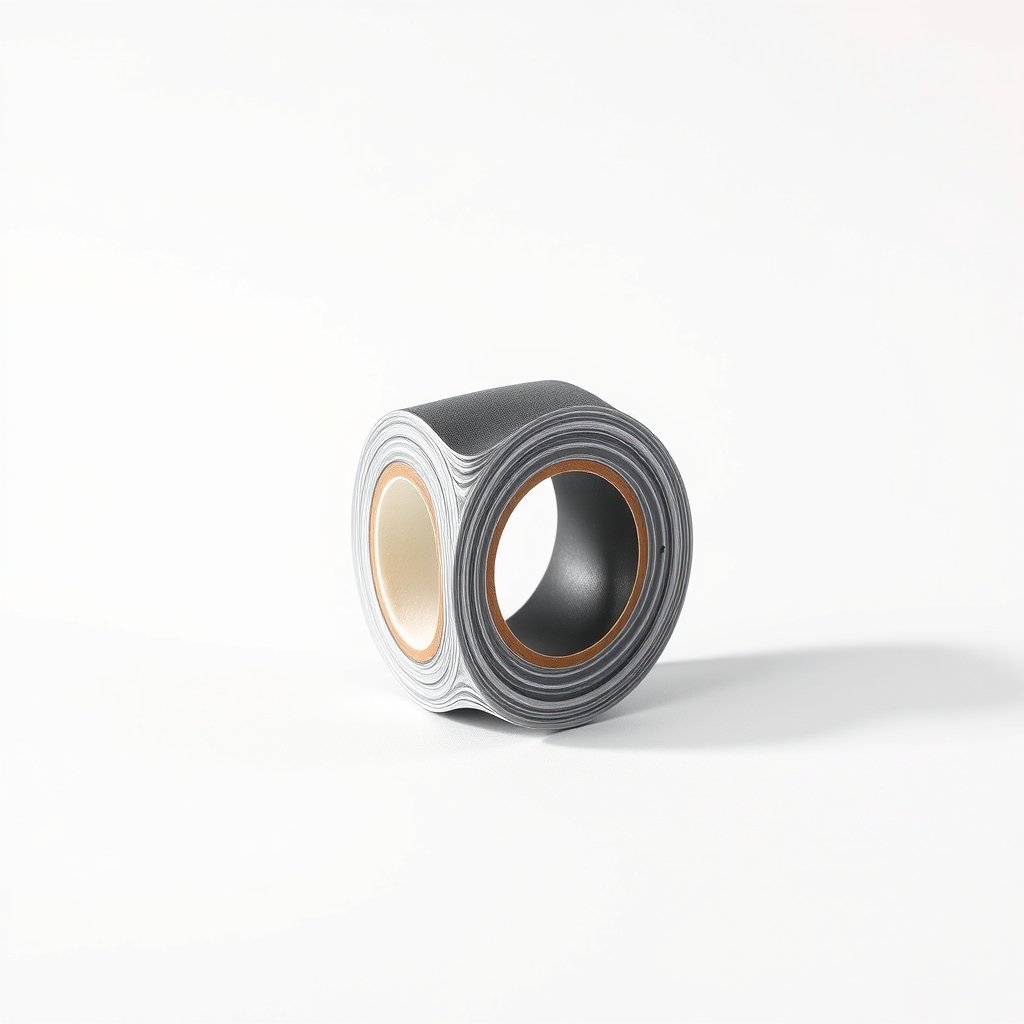
Self-adhesive foam weatherstrip tape
A cheap full-length cushion along the door edge
Why it happens
A latch that fits loosely in the strike plate
The latch bolt can move a few millimeters inside the opening. A gust of air, a footstep or a passing truck makes it tick against the metal. As a door settles over the years, that gap gets bigger.
Loose hinge screws
Screws in the hinge leaves back out slowly from use. The door then shifts slightly on its hinges and knocks against the frame. Stripped screw holes in the frame make it worse.
A gap between the door and the door stop
The door stop is the thin strip on the frame that the closed door rests against. If the door sits a little away from it, air pressure changes can knock the door against the stop. Moving air from a window, a fan or the heating system is enough.
Vibration from outside the room
Bass from speakers, a washing machine on spin or a nearby road can make a lightly held door buzz. A hollow-core bedroom door is thin and acts like a drum skin.
Try this first (free)
Do these in order, starting with the simplest.
-
Find where it rattles
With the door closed, press a hand on it near the top, middle and bottom, and on the latch edge. Where the buzz stops under your hand is the spot to fix. Do it at night when the house is quiet.
-
Tighten every hinge screw
Tool used: ScrewdriverTurn each screw in every hinge until snug. If a screw just spins, replace it with a longer one, about 2.5 to 3 inches, that bites into the wall stud. Or pack the hole with a few wooden toothpicks dipped in wood glue and refit the screw.
-
Wedge the latch with folded paper
Tool used: Folded paper or thin cardboardFold a sheet of paper into a strip about 4 to 6 layers thick and press it into the strike plate opening behind the latch bolt. Close the door and check that it still latches without force. Trim the wedge if it is too tight.
-
Snug the strike plate
Tool used: ScrewdriverIf the latch bolt still has play, bend the small metal tab on the strike plate slightly toward the door with pliers, a little at a time. Check each time that the door still closes. Or loosen the plate and shift it a hair toward the door stop.
-
Pad the door stop
Tool used: Self-adhesive silicone door padsPeel and stick three or four silicone pads on the door stop: one at latch height, one near the top and one near the bottom. Press each pad for ten seconds. Close the door and check that the buzz is gone and the latch still catches.
IllustrationCheck price on AmazonTool for this step
Self-adhesive silicone door pads · Soft bumpers that fill the gap along the door stop
When free fixes aren't enough
If the door still rattles with the hinges tight and the latch wedged, the gap is probably along the stop, and paper cannot fill it. That is where pads change things, because they sit on the stop, stay put and do not flatten. If the door rubs, will not latch, or shows a wide gap along the top, the frame has shifted. That needs the door planed or the strike plate repositioned, which is a job for a handy friend or a carpenter. Pads will not fix a door that is out of square.
Buy the fix
Still stuck after the free fixes? These are the products we would look at.
| Pick | Product | Fixes | Who it's for | Buy |
|---|---|---|---|---|
| Best pick | Self-adhesive silicone door silencer pads | hard door-to-frame knocking that causes the rattle | Anyone whose door still buzzes at night after the screws are tight. | Check price |
| Budget pick | Self-adhesive foam weatherstrip tape | a gap along the whole door edge, and it also cuts light and drafts | Anyone who wants a low-cost full-length cushion on the stop. | Check price |
Self-adhesive silicone door silencer pads
Fixes: hard door-to-frame knocking that causes the rattle
Look for: Soft silicone or rubber that will not mark paint; Strong self-adhesive backing for wood or painted frames; Flat and thin enough that the door still latches; A pack of eight or more so you can pad the top, middle and bottom.
- Who it's for
- Anyone whose door still buzzes at night after the screws are tight.
- Honest downside
- The door barely latches already. Added thickness may stop it from closing, so reset the strike plate instead.
Self-adhesive foam weatherstrip tape
Fixes: a gap along the whole door edge, and it also cuts light and drafts
Look for: Closed-cell foam that springs back after you press it; Self-adhesive backing; A width that fits the door stop, about half an inch.
- Who it's for
- Anyone who wants a low-cost full-length cushion on the stop.
- Honest downside
- The foam is thicker than the gap. It will keep the door from closing properly.
As an Amazon Associate I earn from qualifying purchases. We don't show prices because they change, so use the button to see today's price.
How we picked: How we picked: this page is based on door-hardware and weatherstripping guides, product instructions and the problems and fixes people report in owner reviews. We do not test products by hand.
Where is the rattle coming from? A quick listening test
- A tick at the latch edge: the latch bolt is loose in the strike plate. Wedge it or bend the tab.
- A clunk on the hinge side: hinge screws are loose or stripped.
- A buzz across the whole door: the door is touching the stop unevenly. Use pads or foam tape.
- A hum that comes and goes with the wind or a fan: air pressure is moving the door. Pads on the stop usually settle it.
Renting? Keep the fix damage-free
Paper, silicone pads and foam tape peel away without marks. Tightening screws is fine. If you replace screws with longer ones, keep the originals so you can swap them back when you move out.
What to skip
What to skip
Skip oil sprays on the latch and heavy wedges jammed under the door. Oil may quiet metal for a night but it attracts dust and does nothing for a loose fit. A wedge on the floor holds the door shut but does not stop the latch or frame from buzzing.
Frequently asked questions
Why does my bedroom door rattle only at night?
Does folded paper really stop a door from rattling?
How do I stop a door rattling from music or bass?
Will door pads stop my door from closing?
Related problems
 Free fix inside
Bedroom & Sleep · Bedroom Door
Bedroom Door Closing on Its Own? Stopper Options That Work
Read the fix Free fix inside
Bedroom & Sleep · Bedroom Door
Bedroom Door Slamming? Quiet Bumpers and Soft-Close Fixes
Read the fix Free fix inside
Bedroom & Sleep · Bedroom Door
Bedroom Door Squeaking? Silence It With a Pin and a Spray
Read the fix Free fix inside
Bedroom & Sleep · Bedroom Door
Bedroom Door Swinging Open by Itself? Latch It Shut
Read the fixAs an Amazon Associate I earn from qualifying purchases. Affiliate disclosure