Bedroom Door Squeaking? Silence It With a Pin and a Spray
A squeak means metal rubbing on dry metal inside one hinge. Find it, pull the pin, clean it and lubricate it with silicone spray.
By Jamilur Rahman Updated November 5, 2026 · 6 min read
- Time
- 10 min
- Cost
- Under $20
- Difficulty
- Easy
In this guide
Quick answer
A squeaky door is almost always one dry hinge. Swing the door slowly to find which one, tap its pin out from underneath, wipe off the dirt and rust, and lubricate it. A bar of soap or petroleum jelly works for a while. A silicone lubricant spray lasts longer and stays clean. Put the pin back and swing the door ten times.
Free fix vs. permanent fix
Soap or petroleum jelly on the pin
- Find the squeaking hinge by moving the door slowly
- Tap the pin out and wipe it clean
- Rub the pin with a dry bar of soap or a dab of petroleum jelly
- Reinsert it and swing the door
How long it lasts: A few weeks to a few months. Soap and jelly wear off or pick up dust.
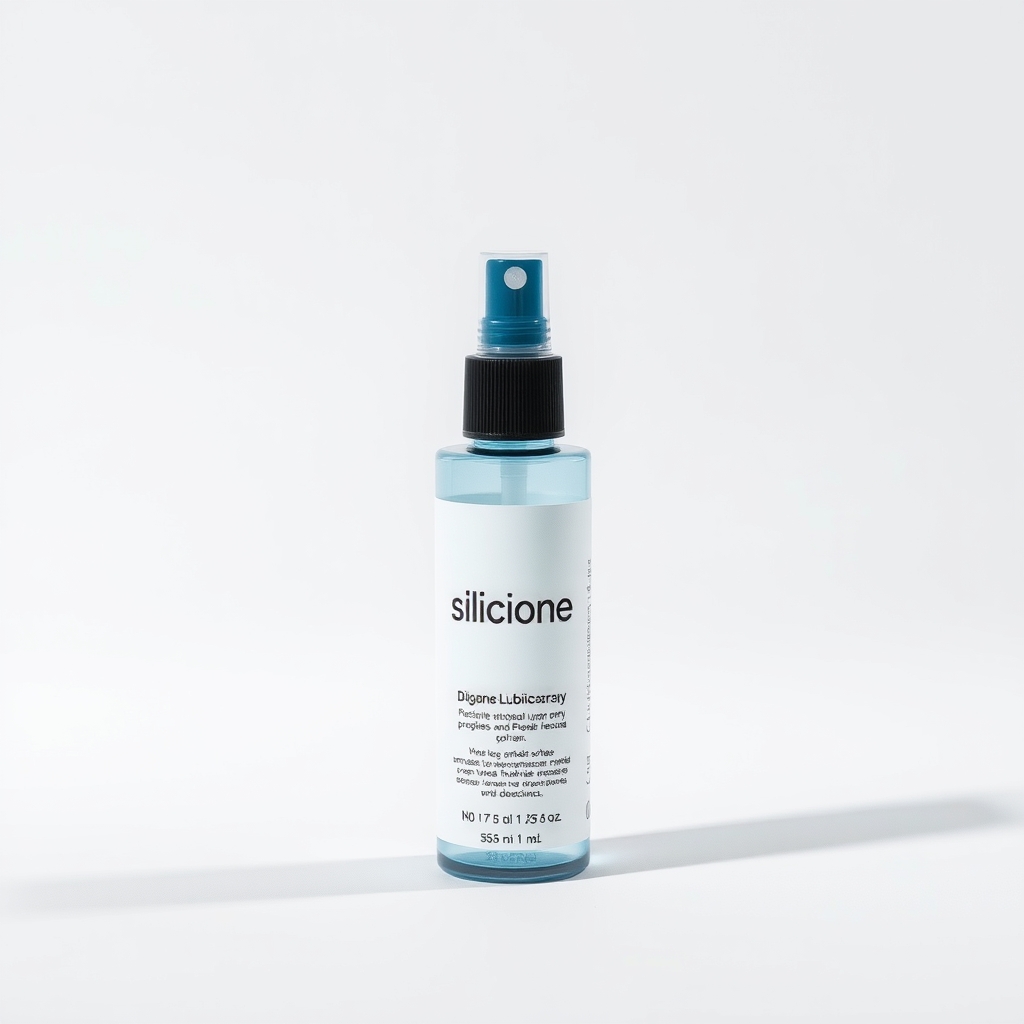
A silicone lubricant spray with a straw
The spray reaches the knuckle, where metal rubs on metal, and leaves a clean, slick film that does not stain the door or the floor. The same can works on every other hinge, latch, window track and drawer slide in the house, so one can quiets the whole bedroom.
What to get: Silicone lubricant spray with a straw applicator
How long it lasts: Months to a year or more on an interior door. Silicone stays slick and does not collect dust the way oil can.
As an Amazon Associate I earn from qualifying purchases.
What you'll need
-
Large nail and a hammer
To tap the hinge pin up and out
You have it -
Rag or paper towels
To wipe the pin and catch drips
You have it -
Folded cardboard
Wedge it under the door to take the weight off the hinge
Free - Our pick Illustration
Silicone lubricant spray with a straw
A short burst is enough
- Illustration
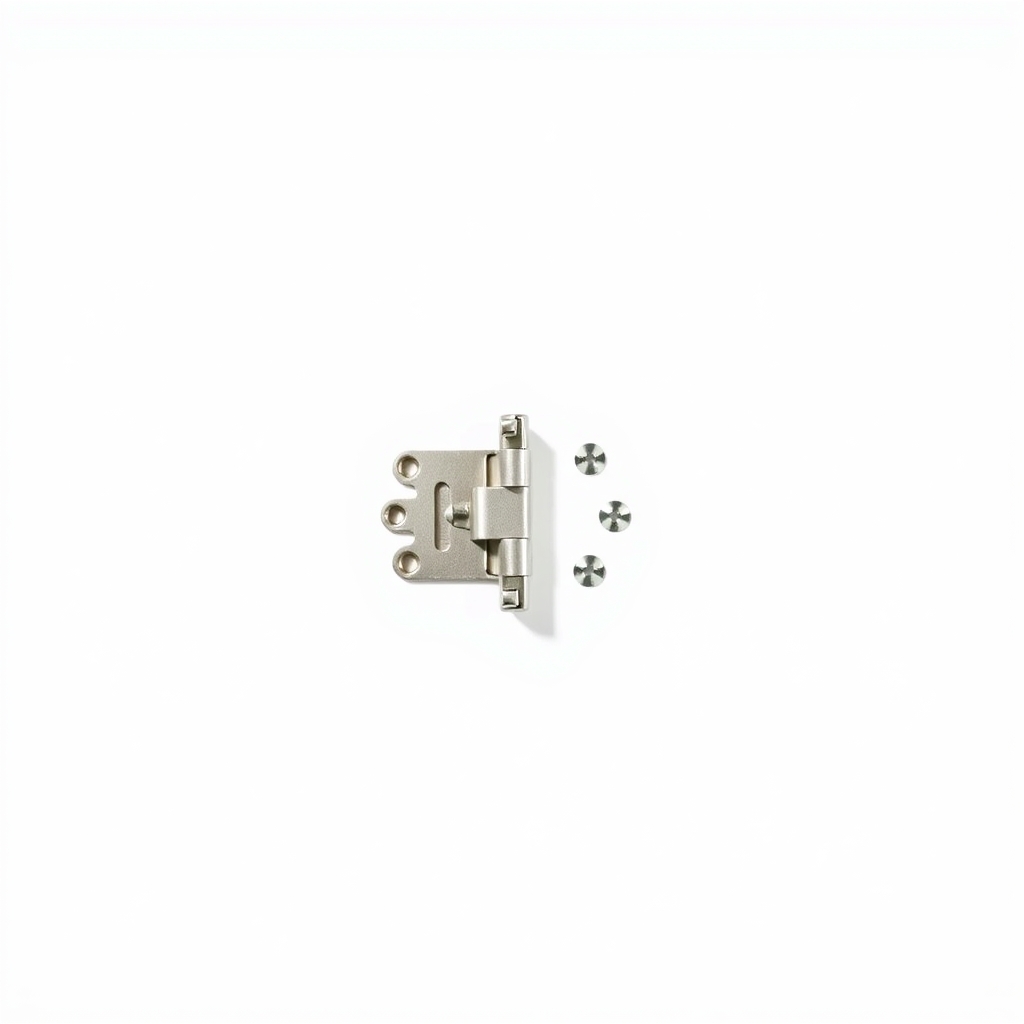
Replacement interior door hinges
Only for a hinge that stays noisy after lubricating
Why it happens
Dry metal on metal
A hinge is a pin turning inside a knuckle. When the lubricant wears away, steel rubs on steel and squeals.
Dust and rust
Dust mixes with old oil into a gritty paste. Humidity can rust the pin, which squeaks and scratches as the door swings.
A bent pin or worn knuckle
Years of weight can bend a pin or wear the knuckle, so the hinge never goes fully quiet. A loose hinge leaf can also creak, which is a different sound from a squeal.
Try this first (free)
Do these in order, starting with the simplest.
-
Find the noisy hinge
Swing the door slowly and listen at each hinge. Rest a fingertip on a knuckle to feel which one vibrates. Most doors have one or two noisy hinges.
-
Support the door and tap the pin out
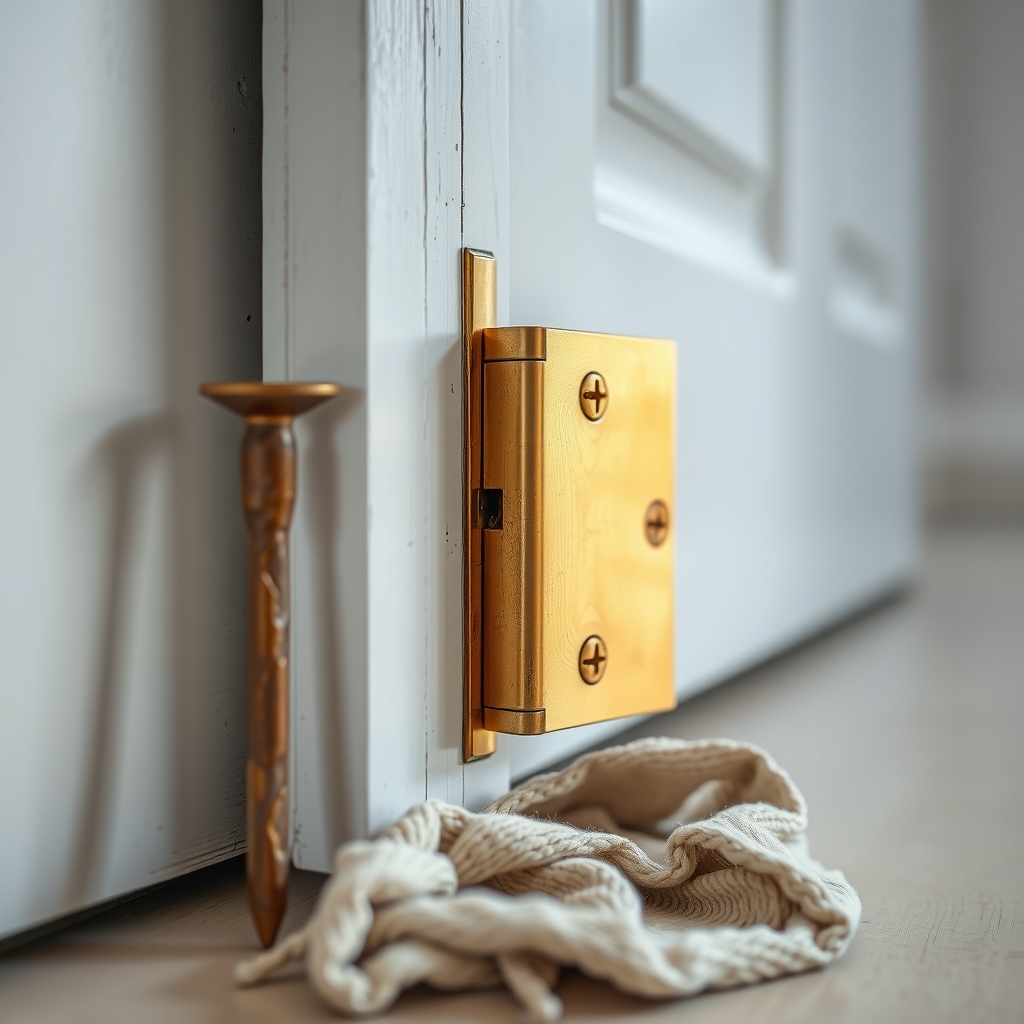
Tool used: Large nail and a hammerWedge a piece of folded cardboard under the door's edge, so its weight does not shift. Hold a nail against the bottom of the pin and tap it upward with the hammer until you can lift the pin free. Work on one hinge at a time.
-
Wipe the pin and the knuckles clean
Tool used: Rag or paper towelsWipe off old grease and dust. If there is rust, rub it off lightly with fine sandpaper and wipe again. A clean pin holds lubricant better.
-
Lubricate and put the pin back
Tool used: Silicone lubricant spray with a strawHold a paper towel behind the hinge, give the pin and the knuckles a short burst of silicone spray, then wipe off the excess. Slide the pin back in, tap it down, and swing the door ten times.
IllustrationCheck price on AmazonTool for this step
Silicone lubricant spray with a straw · A short burst is enough
When free fixes aren't enough
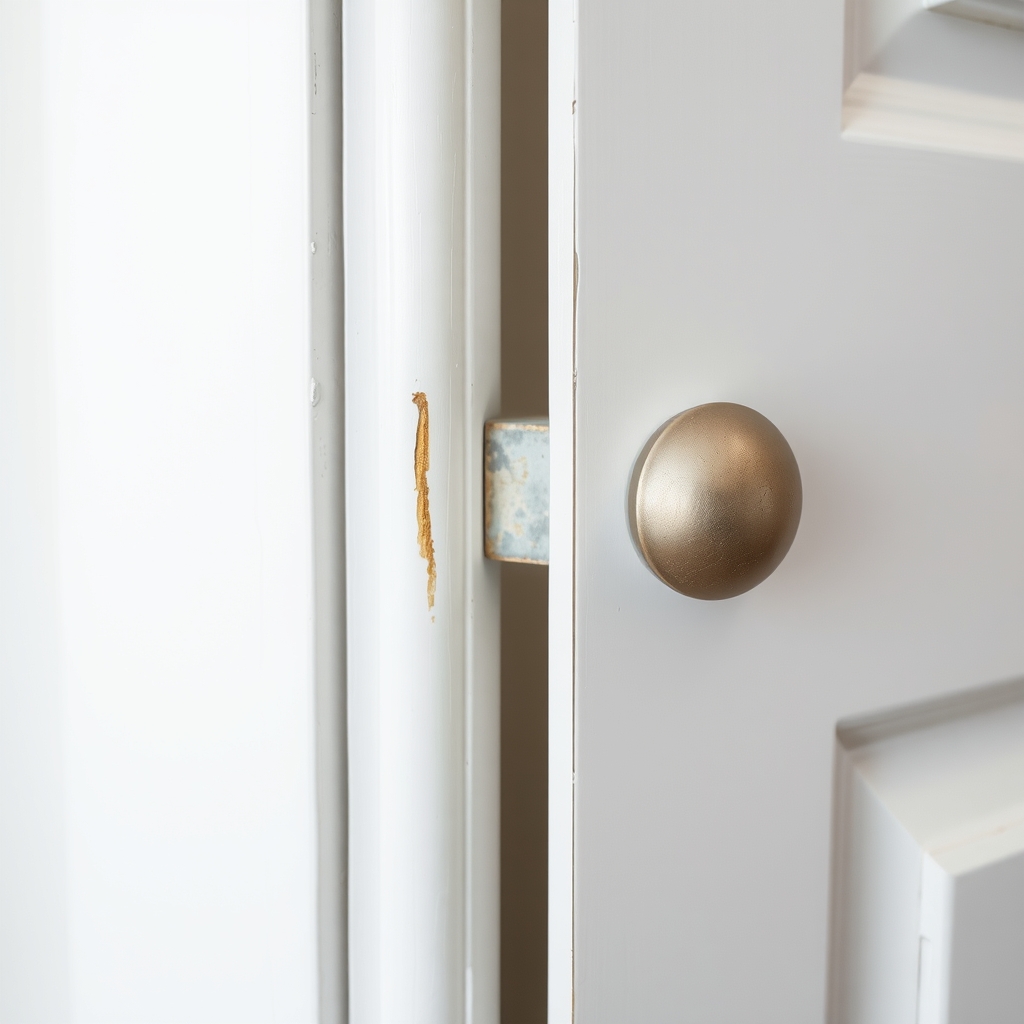
If the squeak comes back within days of cleaning and lubricating, the pin or the knuckle is worn or bent. Replace the hinge. Most interior doors use 3.5-inch hinges, but measure the old one and match the corner shape, square or rounded, and the screw holes. Replace one hinge at a time, with the door supported. If the sound is a rub where the door touches the frame, or a creak from the floor, lubricant will not help. Look for the spot where the door touches.
Buy the fix
Still stuck after the free fixes? These are the products we would look at.
| Pick | Product | Fixes | Who it's for | Buy |
|---|---|---|---|---|
| Best pick | Silicone lubricant spray with a straw applicator | dry, squeaking hinges and other rubbing metal | Anyone with a squeaky door. One can covers every hinge and latch in the house. | Check price |
| Upgrade pick | Replacement interior door hinges | worn or bent hinges that never stay quiet | Doors that still squeak after lubricating, or hinges with rust and bent pins. | Check price |
Silicone lubricant spray with a straw applicator
Fixes: dry, squeaking hinges and other rubbing metal
Look for: Silicone-based, so it dries clean and does not stain; A straw for pinpoint aim, so nothing sprays on the door; Safe for wood, metal and plastic, as the label says.
- Who it's for
- Anyone with a squeaky door. One can covers every hinge and latch in the house.
- Honest downside
- Your floor is unsealed wood or fabric you cannot protect from overspray. Use soap on the pin instead.
Replacement interior door hinges
Fixes: worn or bent hinges that never stay quiet
Look for: The same size as your old hinges, so measure the leaf height first; The same corner shape, square or rounded, and screw hole pattern; Solid steel or brass rather than thin stamped metal.
- Who it's for
- Doors that still squeak after lubricating, or hinges with rust and bent pins.
- Honest downside
- You cannot match the size, or the noise is a rub on the frame and not the hinge.
As an Amazon Associate I earn from qualifying purchases. We don't show prices because they change, so use the button to see today's price.
How we picked: How we picked: this page is based on door-hinge care guides from hardware makers, instructions on silicone lubricants, and the problems and fixes people report in reviews. We do not test products by hand.
If the pin will not budge
Spray a little lubricant at the head of the pin and wait ten minutes, then tap again. If the pin is painted over, run a utility knife around its head first. Some hinges have a pin that does not come out, such as a set-screw security hinge. Do not force those. Spray the top of the pin and work the door back and forth instead.
What to skip
Heavy oil, grease and cooking oil
Heavy oil and grease collect dust and turn gummy, so the squeak returns and the hinge gets dirty. Cooking oil can go rancid and stain the door. Skip them. A short burst of silicone is enough, and too much spray only drips.
Frequently asked questions
What can I use on a squeaky door if I have no lubricant?
Does a general penetrating spray fix a squeaky door?
Why does my door squeak at only one point in the swing?
Related problems

As an Amazon Associate I earn from qualifying purchases. Affiliate disclosure