Bedroom Door Slamming? Quiet Bumpers and Soft-Close Fixes
Slams come from drafts and a hard stop against the frame. Cut the draft, then add soft bumpers so the door closes with a hush instead of a bang.
By Jamilur Rahman Updated November 5, 2026 · 7 min read
- Time
- 15 min
- Cost
- Under $20
- Difficulty
- Easy
In this guide
Quick answer
A door slams when something pushes it hard and nothing cushions the stop. Usually that is a draft from an open window, or someone letting go of the knob. Open a second window to even out the air, tighten loose hinges and close the door by the handle. The lasting fix is a set of silicone door silencer bumpers on the frame, which soften the hit and hush the latch.
Free fix vs. permanent fix
Cut the draft and ease it shut
- Open a second window a little so air can move without pushing the door
- Tighten the hinge screws so the door does not sag and bang
- Turn the knob as you close the door, then release it so the latch slides in quietly
- Clean the frame where the door lands
How long it lasts: Stops draft slams. It does nothing when someone lets go of the door and it swings into the frame.
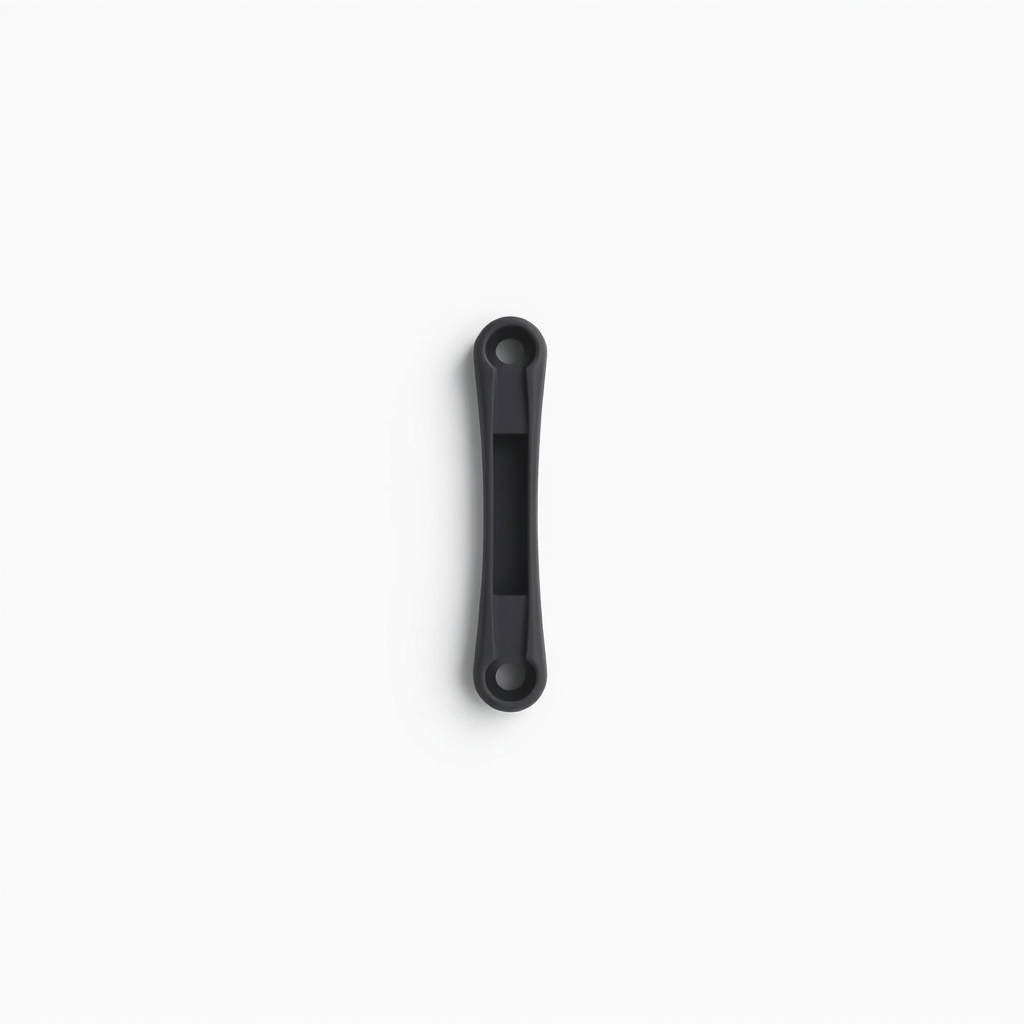
Silicone door silencer bumpers
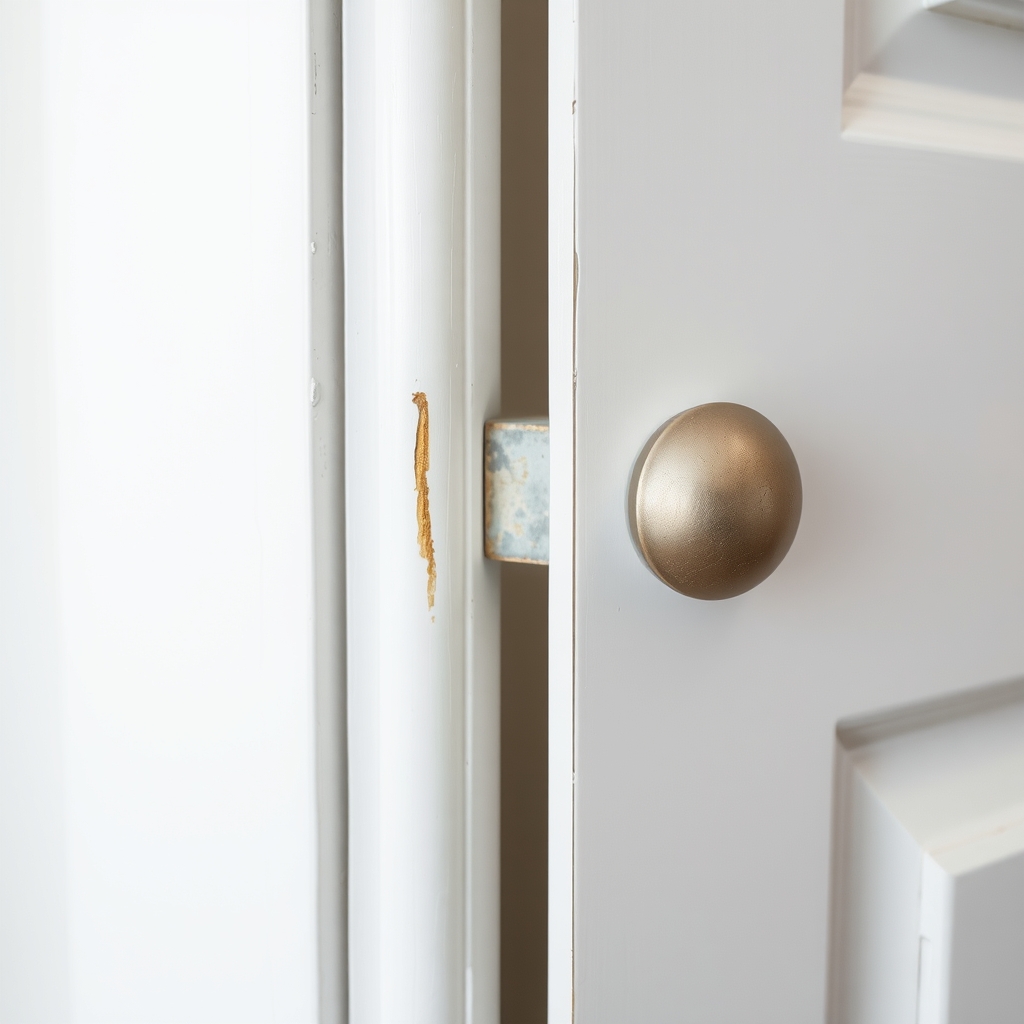
A slam is wood hitting wood. Bumpers sit between the door and the frame, so the door stops on a soft surface. They also cut the rattle in the frame. They do not depend on anyone's habits, so a draft, a child and a hurried exit all get the same soft stop.
How long it lasts: Years. Small soft dots sit on the frame and absorb every close.
As an Amazon Associate I earn from qualifying purchases.
What you'll need
-
Screwdriver
To tighten hinge screws
You have it -
Rubbing alcohol and a cloth
A clean, dry frame makes the adhesive stick
You have it - Our pick Illustration
Silicone door silencer bumpers
Thin enough that the door still latches
- Illustration
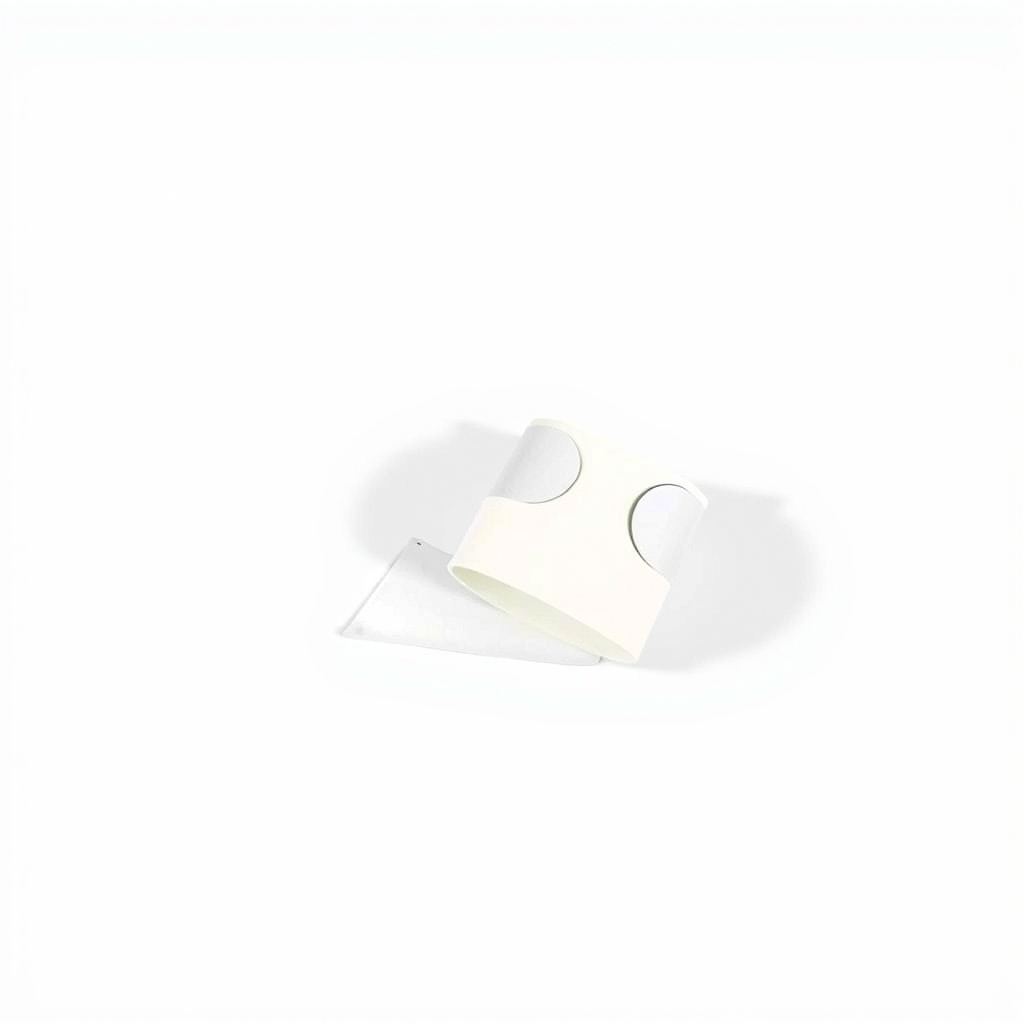
Adhesive foam bumper strip
A cheaper cushion for a mild bang
- Illustration
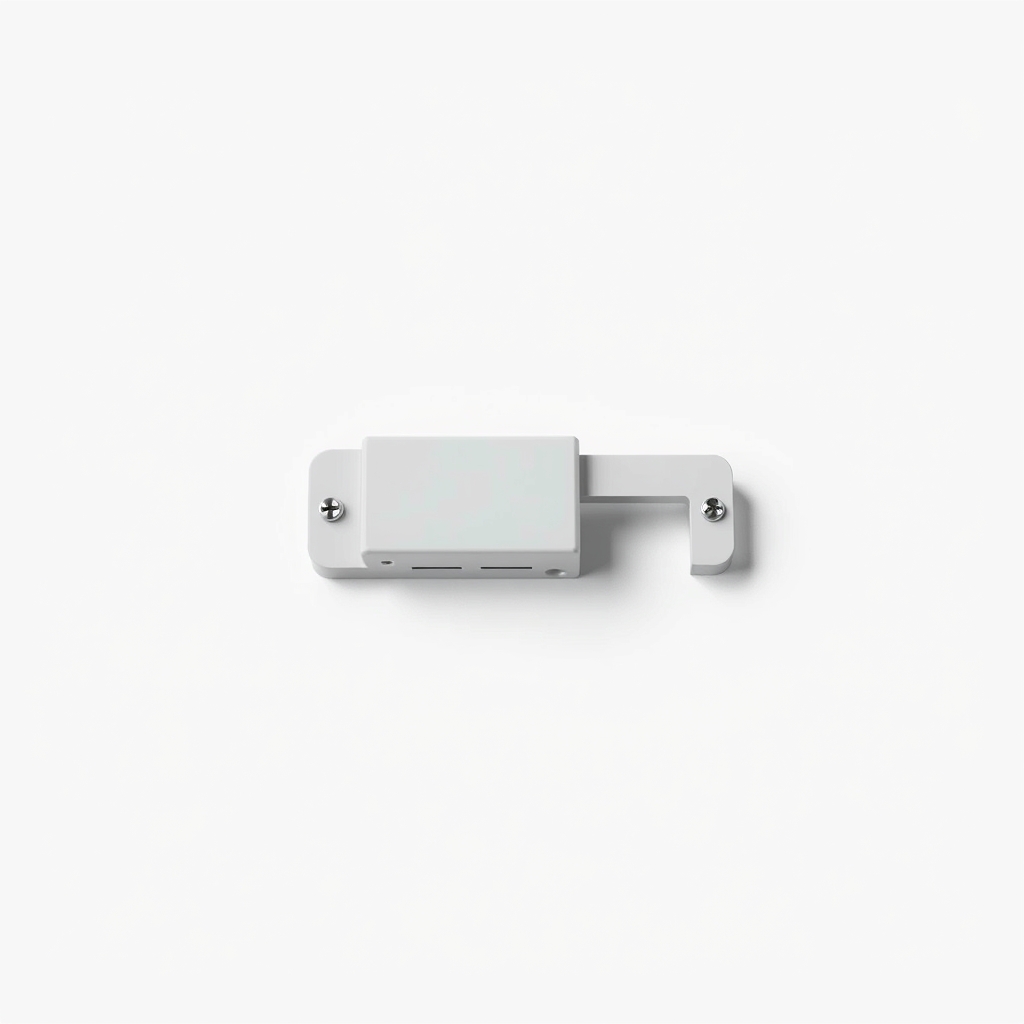
Soft-close door closer
Slows the last stretch of the swing
Why it happens
Drafts and air pressure
A window open at one end of the house and a closed door at the other sets up a push of air. The door catches it like a sail and swings shut.
No cushion at the stop
A door hits the frame with nothing in between. Old weatherstrip or felt wears out and leaves bare wood on wood.
Loose hinges or a sagging door
A sagging door catches on the frame and has to be pushed harder to latch, so it slams. Tightening the hinges often fixes the lean.
Springs and habit
Spring hinges and door closers may be set to shut fast. And a door released at arm's length will swing closed on its own weight and hit with a bang.
Try this first (free)
Do these in order, starting with the simplest.
-
Open a second window a crack
A door slams when the pressure on one side is higher than on the other. A small opening in another room lets the air move around the door instead of pushing it.
-
Tighten the hinges
Tool used: ScrewdriverCheck every hinge screw on the door and on the frame. A sagging door scrapes the frame and has to be shoved to latch.
-
Close it by the knob
Turn the knob while you close the door so the latch is pulled in. Let the knob go once the door is shut. Many slams are just letting the door go at arm's length.
-
Clean the spots where the door lands
Tool used: Rubbing alcohol and a clothWipe the frame where the door strikes with rubbing alcohol on a cloth. Let it dry. Adhesive sticks to clean, dry paint.
-
Stick on the bumpers
Tool used: Silicone door silencer bumpersPress two or three bumpers along the latch side of the frame, evenly spaced where the door lands, and one near the top. Close the door to check that it still latches, then add more if it still taps.
IllustrationCheck price on AmazonTool for this step
Silicone door silencer bumpers · Thin enough that the door still latches
When free fixes aren't enough
If the door still slams after you cut the draft, the hit itself is the problem and only a cushion fixes that. Stick-on bumpers do it. If the door is heavy, or a child keeps swinging it hard, a soft-close closer slows the last few inches. If it is an apartment entry door, it probably has a spring closer on the top arm for fire safety. Do not remove it. Ask your landlord to adjust the closing speed. If the door does not latch at all, or scrapes the floor, see the related pages.
Buy the fix
Still stuck after the free fixes? These are the products we would look at.
| Pick | Product | Fixes | Who it's for | Buy |
|---|---|---|---|---|
| Best pick | Silicone door silencer bumpers | the hard knock of the door hitting the frame | Anyone whose door bangs from a draft or a careless hand. | Check price |
| Budget pick | Adhesive foam bumper strip | light taps, at the lowest cost | A quick fix for a rental or a spare room. | Check price |
| Upgrade pick | Soft-close door closer for interior doors | doors that swing and slam from the open position | Heavier doors, doors that kids swing hard, and anyone who wants a slow, quiet close. | Check price |
Silicone door silencer bumpers
Fixes: the hard knock of the door hitting the frame
Look for: A self-adhesive backing that sticks to painted wood; Clear or white, so they blend in with the frame; Thin enough that the door still latches.
- Who it's for
- Anyone whose door bangs from a draft or a careless hand.
- Honest downside
- The door already latches only with a firm push. Fix the alignment first, or bumpers will add to the problem.
Adhesive foam bumper strip
Fixes: light taps, at the lowest cost
Look for: Dense foam that springs back; A thickness that leaves the latch working; Strong adhesive.
- Who it's for
- A quick fix for a rental or a spare room.
- Honest downside
- The door slams hard. Thin foam flattens fast and comes loose.
Soft-close door closer for interior doors
Fixes: doors that swing and slam from the open position
Look for: An adjustable closing speed; A listed door weight that matches your door; Mounting hardware that you can use on your door.
- Who it's for
- Heavier doors, doors that kids swing hard, and anyone who wants a slow, quiet close.
- Honest downside
- You rent and cannot add screws, or the door is a fire door. Those must close as the building requires.
As an Amazon Associate I earn from qualifying purchases. We don't show prices because they change, so use the button to see today's price.
How we picked: How we picked: this page is based on home-repair guides for sticking and slamming doors, fire-safety guidance on door closers in apartments, and the problems and fixes people report in reviews of door bumpers. We do not test products by hand.
Draft or hand? A quick test
Next time it slams, check what else is open. If the door slams only on windy days or when a window is open, it is air. If it slams when someone leaves the room, it is the hand. Air problems need a second window opening. Hand problems need a cushion or a soft-close closer.
Protect small fingers
If kids use the door, add a foam finger-pinch guard on the hinge side, or a soft-close closer. Bumpers cut the noise, but they do not keep fingers from the gap at the hinge.
What to skip
Towels, socks and rubber bands on the door
A towel over the top holds the door ajar, and a sock or band on the knob can stop the latch from catching. Both just move the problem around, and a towel can fall into the gap. A bumper is thin enough for the door to latch.
Frequently asked questions
Why does my bedroom door slam by itself?
How do I stop my apartment door from slamming?
Where do I put door bumpers?
Will bumpers stop the door from latching?
Related problems
As an Amazon Associate I earn from qualifying purchases. Affiliate disclosure