Bathroom Mirror Streaky After Cleaning? The Cloth and Cleaner Combo
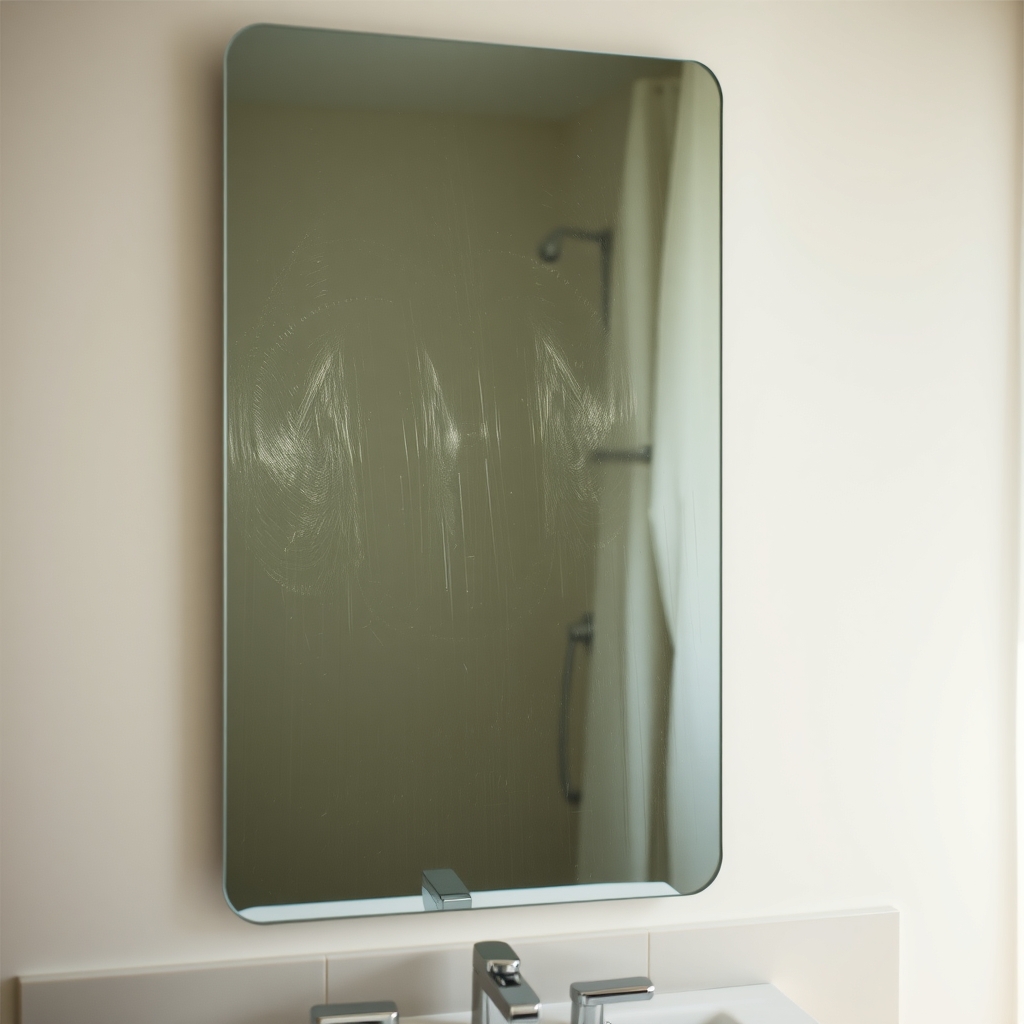
Streaks come from too much cleaner, lint or a dirty cloth, not a bad mirror. Use less product and two clean cloths for a finish with no lines.
By Jamilur Rahman Updated November 5, 2026 · 6 min read
- Time
- 10 min
- Cost
- Under $20
- Difficulty
- Easy
In this guide
Quick answer
Why is my bathroom mirror so streaky after I clean it? Almost always it is leftover cleaner, a dirty or lint-shedding cloth, or hard water minerals drying into lines. Wipe with a lightly damp cloth and a little cleaner, then buff with a second clean, dry cloth. Low-lint microfiber glass cloths and a streak-free cleaner leave no lines.
Free fix vs. permanent fix
Vinegar-water and a lint-free cloth
- Mix equal parts white vinegar and water
- Spray the cloth, not the mirror
- Wipe in overlapping strokes
- Buff dry with a second clean cloth
How long it lasts: One clean. The streaks come back if the cloth is dirty or has softener in it.
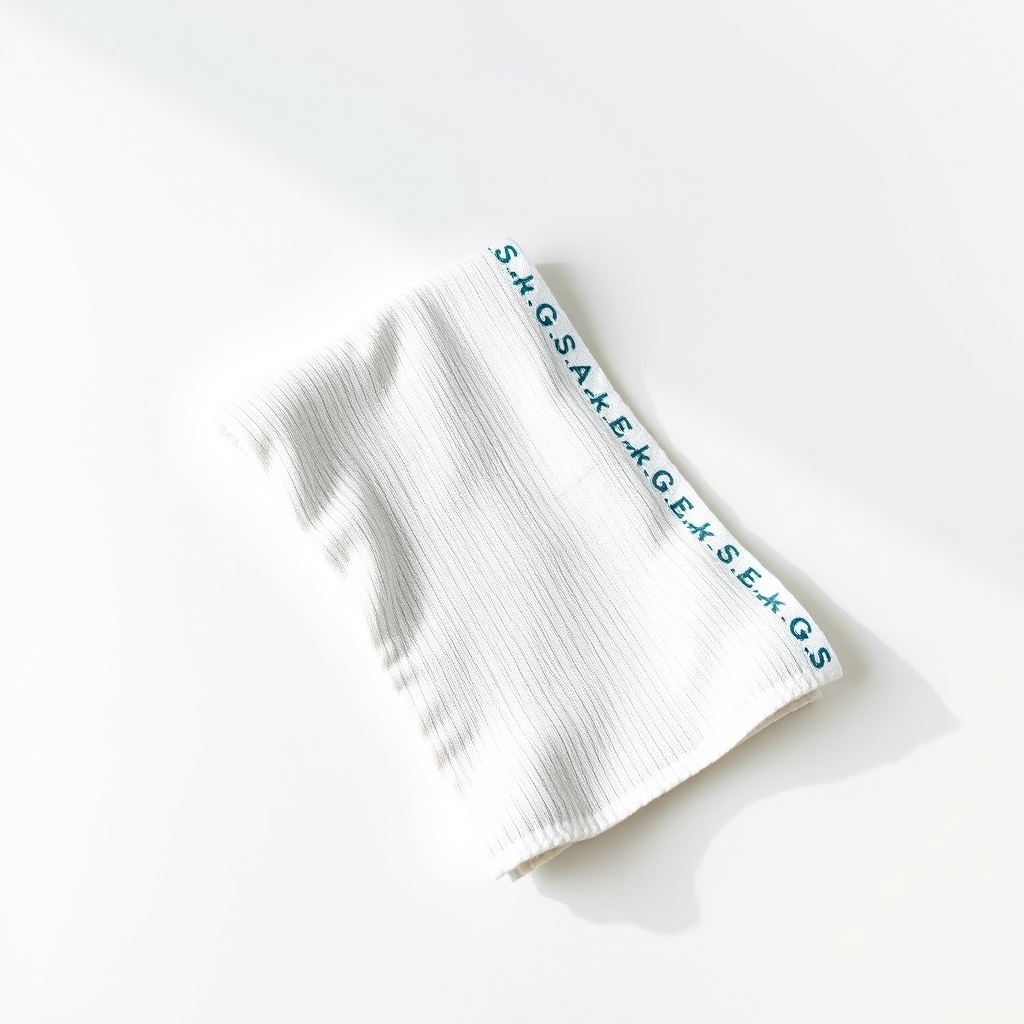
Low-lint microfiber glass cloths
Streaks often come from the cloth, not the cleaner. Glass cloths are woven to lift film and moisture and shed little lint, and a second dry cloth buffs the glass clear. Keep a pair just for mirrors, and they stay clean.
What to get: Microfiber glass cleaning cloths
How long it lasts: Years, if you wash them without fabric softener.
As an Amazon Associate I earn from qualifying purchases.
What you'll need
-
White vinegar
A cheap, free cleaner for glass
You have it -
Spray bottle
For the vinegar-water mix
You have it - Our pick Illustration
Microfiber glass cloths
One to wipe, one to buff
- Illustration
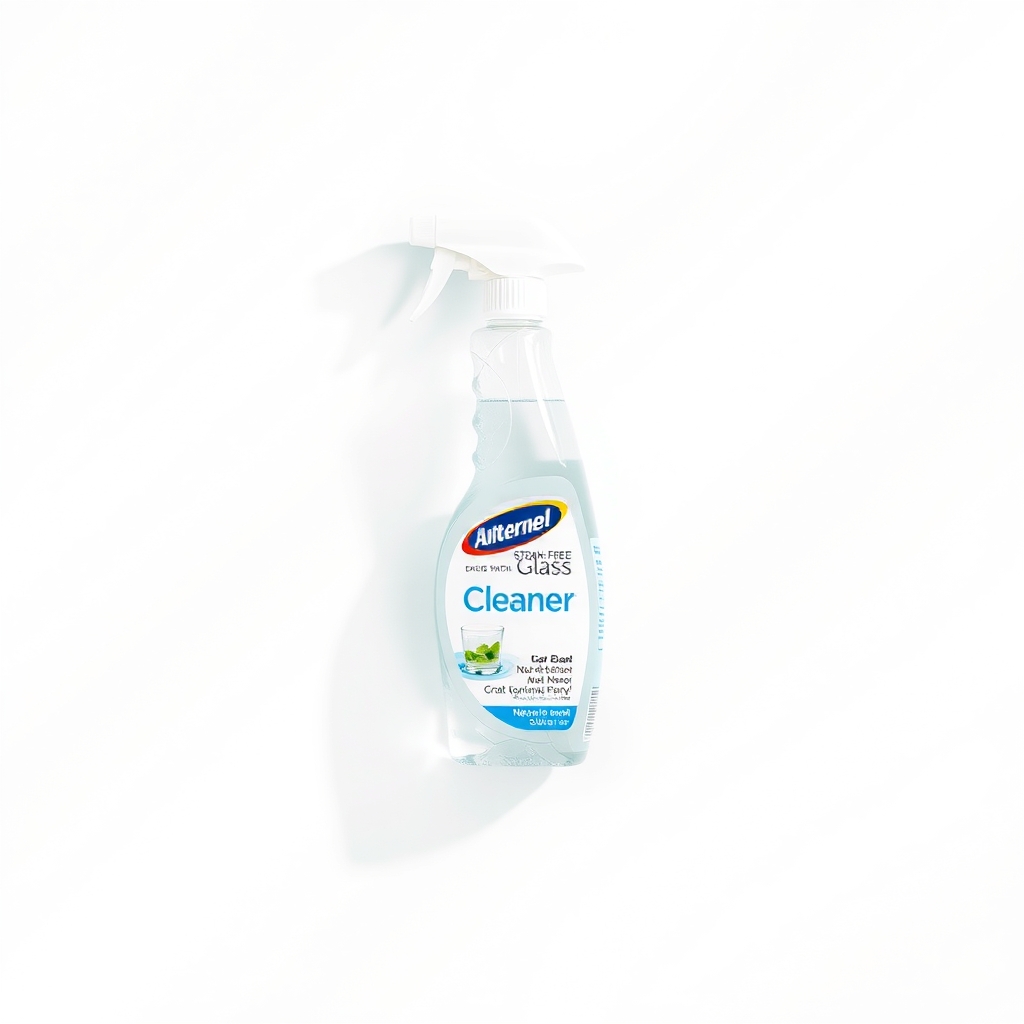
Streak-free glass cleaner
A ready-made alternative to vinegar water
Why it happens
Too much cleaner
Cleaner dries as a film. A mirror needs only a light mist, not a soaked cloth.
A cloth that leaves something behind
Cotton towels shed lint. A cloth washed with fabric softener or a dryer sheet smears a waxy residue. An old sponge pushes dirt around.
Hard water minerals
Tap water in a spray or a rinse leaves mineral spots and lines as it dries.
Oily film from hairspray and soap
Hairspray, toothpaste splatter and soap leave a sticky layer that smears into a haze.
Cleaning a warm mirror or in strong sun
Cleaner dries before you can wipe it off, and that leaves streaks.
Try this first (free)
Do these in order, starting with the simplest.
-
Dust the mirror first
Tool used: Microfiber glass clothsWipe the dry mirror with a dry cloth, so dust does not turn into mud when it gets wet.
IllustrationCheck price on AmazonTool for this step
Microfiber glass cloths · One to wipe, one to buff
-
Mix a light cleaner
Tool used: White vinegarFill a spray bottle with equal parts white vinegar and water. If your tap water is hard, use distilled water for the mix.
-
Spray the cloth, not the mirror
Tool used: Spray bottleMist the cloth until damp, not dripping. Liquid that runs down the glass can seep behind the edges and damage the mirror backing over time.
-
Wipe in overlapping strokes
Work from top to bottom with slightly overlapping strokes, so you do not leave a dry strip. Do the corners and edges last.
-
Buff dry right away with a second cloth
Tool used: Microfiber glass clothsUse a dry glass cloth and buff in small circles until it squeaks. Do this before the cleaner dries by itself.
IllustrationCheck price on AmazonTool for this step
Microfiber glass cloths · One to wipe, one to buff
-
Wash your cloths the right way
Wash microfiber alone in warm water, with no fabric softener or dryer sheets. Dry on low or air-dry, and keep them apart from lint-shedding towels.
When free fixes aren't enough
If the mirror still looks hazy after a vinegar wipe, the haze is built-up film. Try a drop of dish soap in a cup of warm water to cut it, then wipe with a cloth dampened in plain water and buff dry. If cloudy spots or black marks will not wipe off, or they sit at the edges or behind the glass, the silvering is damaged and no cleaner will fix it. A ready-made glass cleaner helps when you would rather not mix your own, or your tap water leaves spots even with vinegar.
Buy the fix
Still stuck after the free fixes? These are the products we would look at.
| Pick | Product | Fixes | Who it's for | Buy |
|---|---|---|---|---|
| Best pick | Microfiber glass cleaning cloths | lint and streaks left by the cloth | Anyone whose mirror streaks after cleaning with paper towels or old cotton rags. | Check price |
| Upgrade pick | Streak-free glass cleaner | hard water spots and oily film that vinegar water leaves behind | Households with hard tap water, or anyone who would rather not mix a solution. | Check price |
Microfiber glass cleaning cloths
Fixes: lint and streaks left by the cloth
Look for: A low-lint weave made for glass and mirrors; At least four cloths, so you can wipe with one and buff with another; Machine washable; Bound edges that do not shed.
- Who it's for
- Anyone whose mirror streaks after cleaning with paper towels or old cotton rags.
- Honest downside
- You already own clean, lint-free microfiber and your streaks come from the cleaner or hard water. Switch to distilled water first.
Streak-free glass cleaner
Fixes: hard water spots and oily film that vinegar water leaves behind
Look for: A label that says streak-free or no residue; Safe for mirrors and glass; A fine mist spray; A scent you can live with in a small room.
- Who it's for
- Households with hard tap water, or anyone who would rather not mix a solution.
- Honest downside
- Homemade vinegar water already works for you. Spend nothing.
As an Amazon Associate I earn from qualifying purchases. We don't show prices because they change, so use the button to see today's price.
How we picked: How we picked: this page is based on glass care guides, mirror makers' cleaning advice, and the problems and fixes people report in reviews of microfiber cloths. We do not test products by hand.
Pick the right time to clean
Clean when the mirror is cool and out of direct sun. Run the fan first so the steam clears, because wiping a fogged mirror leaves lines. A short pass with a dry cloth right after you finish prevents most streaks.
Hard water in your taps? Finish with distilled water
If your tap water is hard, even a perfect wipe can dry into tiny white dots. For the last pass, dampen a clean glass cloth with distilled water and buff the mirror dry right away. Distilled water has no minerals to leave behind. One jug lasts for many mirror cleanings, so the cost is small.
What to skip
Paper towels and spraying the glass directly
Paper towels shed lint that sticks to a wet mirror. Spraying straight onto the glass lets liquid run behind the edges, which can start black spots later.
Frequently asked questions
Why is my bathroom mirror foggy after cleaning?
Why is my bathroom mirror cloudy?
Is vinegar safe on a bathroom mirror?
How often should I clean the mirror?
What should I never use to clean a mirror?
Related problems
 Free fix inside
Bathroom · Bathroom Mirror
How to Stop a Bathroom Mirror Fogging Up: Spray vs Heated Pad
Read the fix Free fix inside
Bathroom · Bathroom Mirror
Black Spots on a Bathroom Mirror? How to Slow the Damage
Read the fix Free fix inside
Bathroom · Bathroom Tile
Bathroom Tiles Turning White? That's Usually Hard Water Scale
Read the fix Free fix inside
Bathroom · Bathroom Tile
Bathroom Tiles Turning Orange? Rust or Soap Scum, and What Removes It
Read the fixAs an Amazon Associate I earn from qualifying purchases. Affiliate disclosure