Black Spots on a Bathroom Mirror? How to Slow the Damage
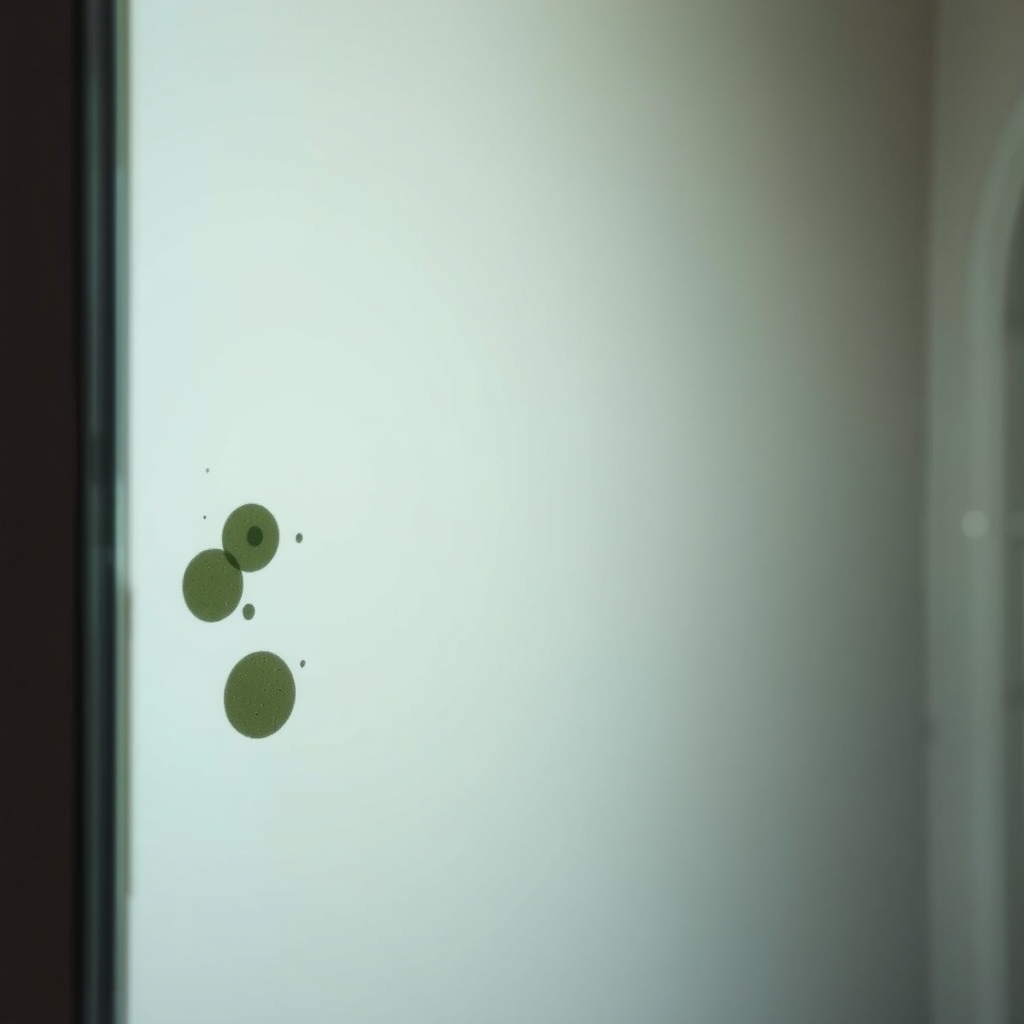
Black spots mean moisture is eating the mirror's silver backing. They will not wipe off, but sealing the edges and cutting steam can slow the spread.
By Jamilur Rahman Updated November 5, 2026 · 6 min read
- Time
- 30 min
- Cost
- Under $20
- Difficulty
- Medium
In this guide
Quick answer
Why is my bathroom mirror getting black spots? Moisture gets behind the glass at the edges and eats the thin silver backing. The spots cannot be removed, but you can slow them by drying the mirror, running the fan, and sealing the edges with a mirror-safe edge sealant. A mirror that is mostly black needs replacing.
Free fix vs. permanent fix
Keep it dry and cut the steam
- Wipe the glass and the bottom edge dry after showers
- Run the exhaust fan 20 to 30 minutes afterwards
- Spray cleaner onto a cloth, not onto the mirror
- Keep splashes off the bottom edge
How long it lasts: Slows new spots. It cannot reverse damage that is already there.
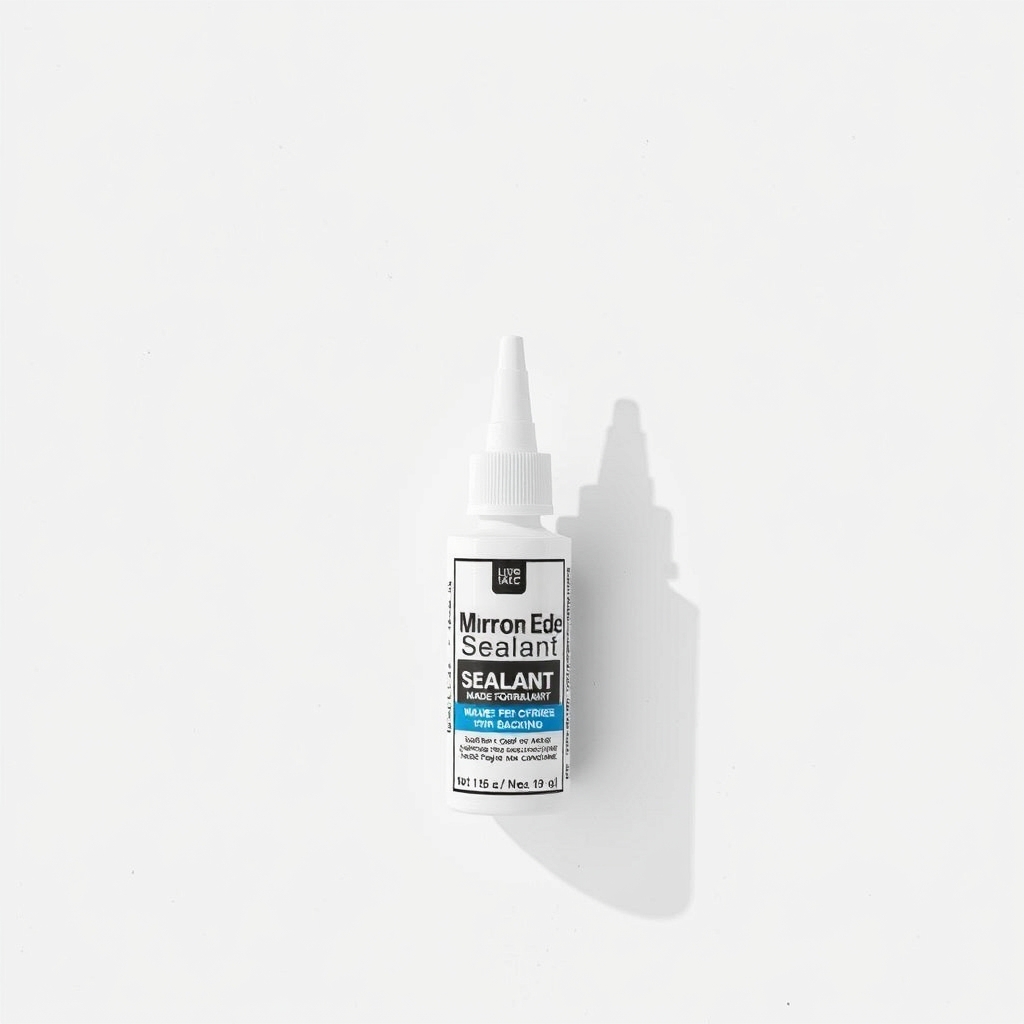
A mirror edge sealant
Corrosion starts at the edge, where the silver is exposed to moisture. A sealant made for mirrors closes that gap so water cannot creep in. It protects the silver you still have. It does not bring back what is already gone.
What to get: Mirror edge sealant made for mirror backing
How long it lasts: A long time when put on clean, dry edges. Check it once a year and touch up any cracks.
As an Amazon Associate I earn from qualifying purchases.
What you'll need
-
Microfiber cloth
For wiping the glass and the edges dry
You have it -
Small squeegee
Optional, clears the glass in seconds
You have it -
Painter's tape
To mask the wall and the glass face when sealing
You have it -
Rubbing alcohol
To clean oils off the edge before sealing
You have it - Our pick Illustration
Mirror edge sealant
Look for one labeled safe for mirror backing
Why it happens
Steam and splashes reaching the edges
Droplets run down the glass and sit on the bottom edge. Over months the moisture creeps in behind the glass, where the silver is unprotected.
Humidity that never leaves the room
A weak fan, or a closed door after the shower, keeps the air wet. Mirrors in small bathrooms often start to darken near the sink or the shower.
Cleaners squirted at the edges
Sprays aimed at the mirror run down and soak in at the edge. Some strong cleaners can attack the protective paint on the back, which lets moisture reach the silver.
An aging mirror backing
A mirror is glass with a thin silver layer and a paint coat behind it. Older or cheaper mirrors have thinner coatings and fail sooner. The black spots are the silver breaking down, which is called desilvering.
Try this first (free)
Do these in order, starting with the simplest.
-
Dry the mirror after every shower
Tool used: Microfiber clothWipe the glass and, more importantly, the bottom edge with a microfiber cloth. A small squeegee clears the face in seconds, and the cloth finishes the edge.
-
Run the fan longer
Leave the exhaust fan on for 20 to 30 minutes after a shower. Open the door a little, so the humid air has somewhere to go.
-
Change how you clean the glass
Spray glass cleaner onto a cloth, not straight onto the mirror, and keep it away from the edges. Skip ammonia-heavy sprays.
-
Clean and dry the edges
Tool used: Rubbing alcoholWipe the exposed edge and the seam with rubbing alcohol on a cloth. Let it dry fully, ideally for a day with the fan running. Sealing damp edges traps the moisture inside.
-
Tape off and seal the edges
Tool used: Mirror edge sealantMask the wall and the glass face with painter's tape. Run a thin, even line of sealant along the exposed edge and the seam, following the label. Remove the tape before the sealant skins over, and leave it to cure before the next shower.
IllustrationCheck price on AmazonTool for this step
Mirror edge sealant · Look for one labeled safe for mirror backing
When free fixes aren't enough
Drying the mirror stops new damage, but it does not stop corrosion that has already started under the paint, and the dark patch can keep widening. Sealing the edges is the only way to protect the rest of the glass, and it works best on a mirror that is still mostly clear. If black has spread more than a few inches from the edge, if spots appear in the middle of the glass, or if the mirror is loose on the wall, plan to replace it. A large mirror is heavy and sharp if it breaks. Get help removing it, and never rest it on its edge.
Buy the fix
Still stuck after the free fixes? These are the products we would look at.
Mirror edge sealant made for mirror backing
Fixes: moisture creeping in at the edge and spreading the black spots
Look for: Labeled safe for mirror silvering or mirror backing; Clear or paintable, so it stays discreet; Water resistant once cured; A fine nozzle or brush for a thin, even line.
- Who it's for
- Anyone whose mirror is mostly clear but showing the first dark edge or a few spots.
- Honest downside
- The mirror is badly blackened or flaking, so replace it instead. Also avoid general-purpose silicone that smells of vinegar, which can attack the silver.
As an Amazon Associate I earn from qualifying purchases. We don't show prices because they change, so use the button to see today's price.
How we picked: How we picked: this page is based on mirror care guides from glass makers, bathroom ventilation advice, and what owners report in reviews of mirror edge sealants. We do not test products by hand.
Can you remove the spots, or should you replace the mirror?
- A thin dark band on one edge: clean, dry and seal it, then watch it for a few months.
- A few spots near the edge: sealing may slow them, though they will not fade.
- Spots in the middle, or black over a large area: sealing will not help much. Replace the mirror.
- A dark edge you can hide: a frame can cover it, but it must not trap water against the glass.
Why the wrong sealant makes it worse
Some general-purpose silicones release acetic acid as they cure, which is the vinegar smell. That can attack the silver and the paint on the back of a mirror. Use a product labeled safe for mirror backing, and check the label before you buy. Apply it only to the exposed edge and the seam, not over the whole back.
What to skip
Scrubbing or covering the spots
The black is lost silver, not dirt. Vinegar, baking soda and melamine sponges only scratch the glass. Stick-on decals hide a spot but do not stop it. Seal the edges and cut the moisture instead.
Frequently asked questions
Why does my bathroom mirror have black spots?
Why is my bathroom mirror turning black?
How to stop bathroom mirror desilvering?
How to stop bathroom mirrors from rusting?
Why is my bathroom mirror rusting?
Related problems
 Free fix inside
Bathroom · Bathroom Mirror
How to Stop a Bathroom Mirror Fogging Up: Spray vs Heated Pad
Read the fix Free fix inside
Bathroom · Bathroom Mirror
Bathroom Mirror Streaky After Cleaning? The Cloth and Cleaner Combo
Read the fix Free fix inside
Bathroom · Bathroom Mirror
How to Fix a Bathroom Mirror to the Wall Without Drilling Tile
Read the fix Free fix inside
Bathroom · Bathroom Humidity
Bathroom So Humid? Dehumidifier vs Better Fan: What Actually Works
Read the fixAs an Amazon Associate I earn from qualifying purchases. Affiliate disclosure