Bathroom Faucet Leaking From the Handle? Swap the Cartridge
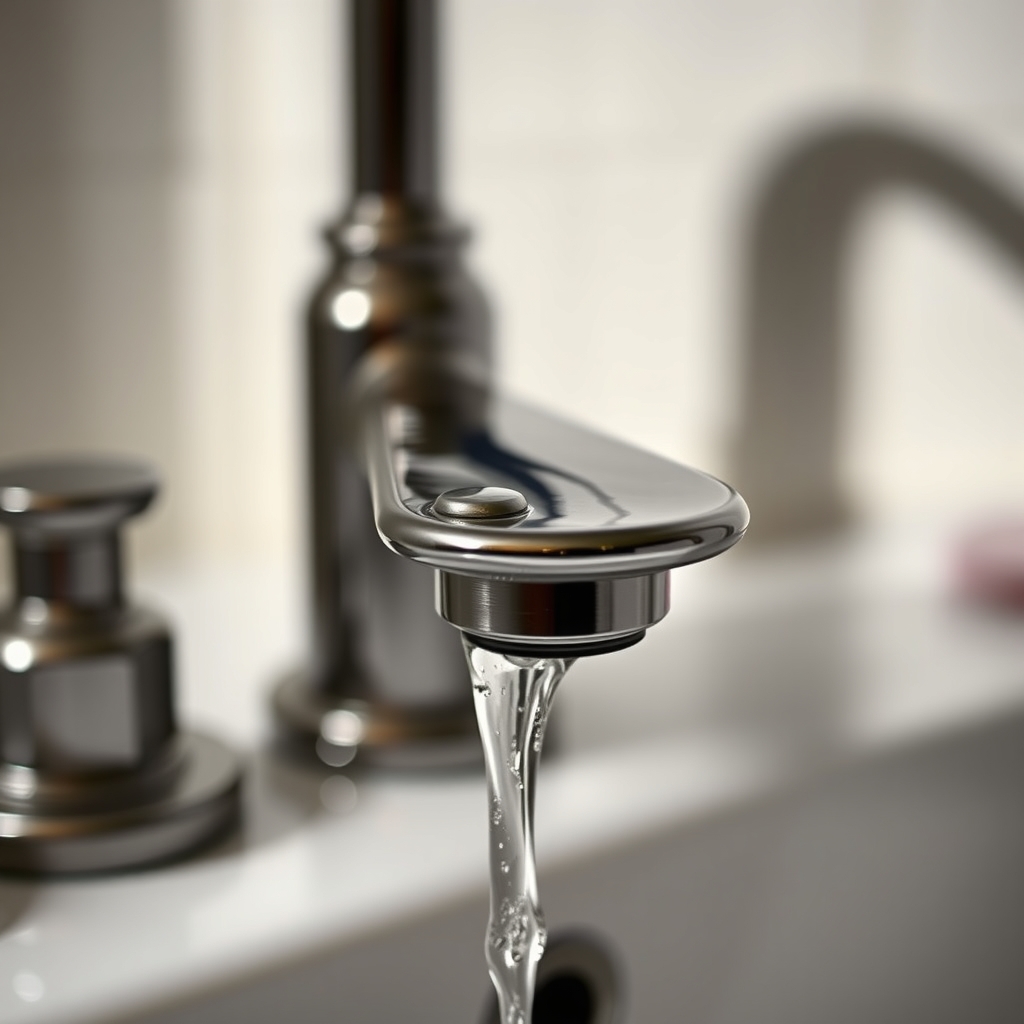
Water creeping out under the handle means a worn cartridge or O-ring. Tighten and grease first; if it still leaks, a matching new cartridge stops it for good.
By Jamilur Rahman Updated November 5, 2026 · 6 min read
- Time
- 30 min
- Cost
- Under $20
- Difficulty
- Medium
In this guide
Quick answer
A faucet that leaks from the handle has a worn cartridge or O-ring inside. Shut off the water, tighten the nut under the handle and grease the O-rings. If it still leaks, or the handle stays stiff, replace the cartridge with an exact match for your faucet brand and model. That is the repair that lasts.
Free fix vs. permanent fix
Tighten the nut and clean the stem
- Shut off both supply valves under the sink first
- Snug the nut around the stem a quarter turn
- Wipe mineral scale off the stem with vinegar
- Dab plumber's silicone grease on the O-rings if you have it
How long it lasts: Months if the parts were only loose or dirty. If the cartridge is worn or scored, the leak returns within days or weeks.
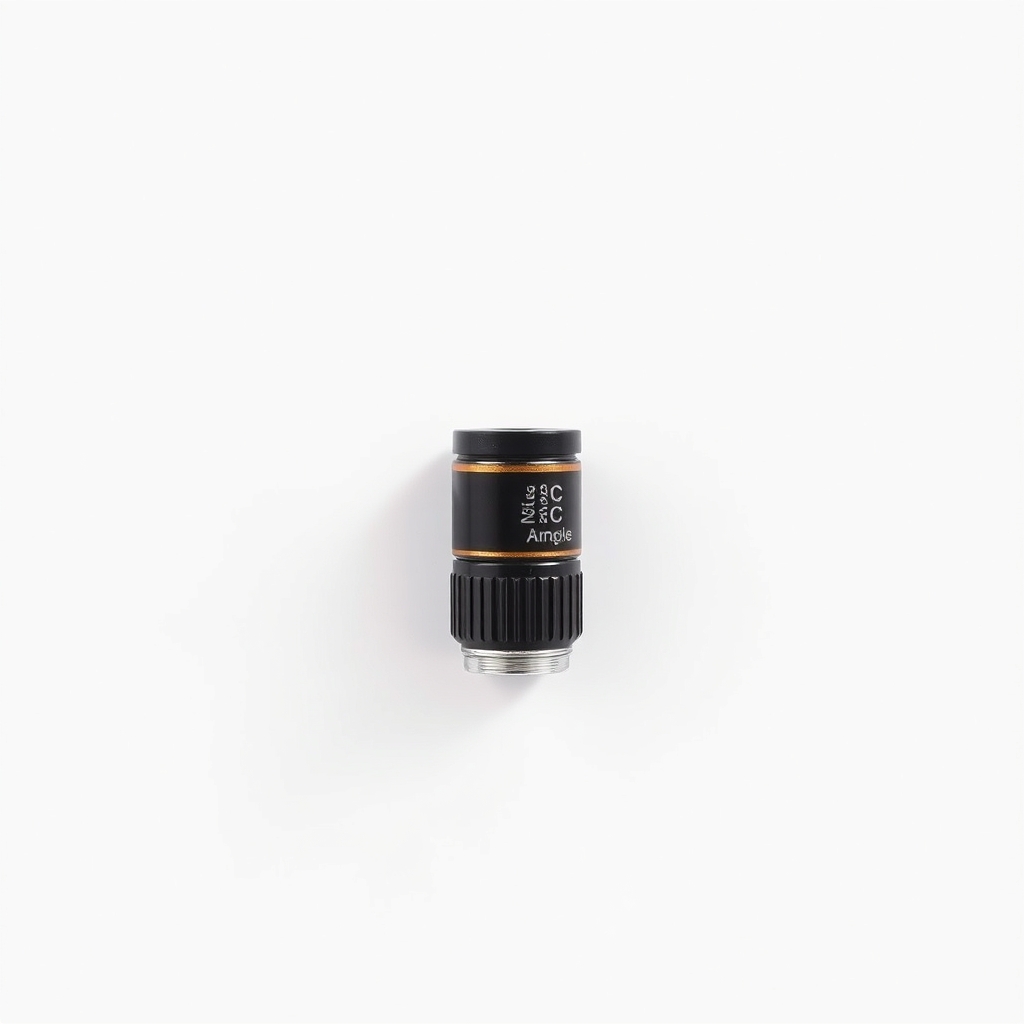
A matching replacement cartridge
The cartridge is the part that seals the handle. When its seals wear, water works up the stem and out under the handle, and no amount of tightening fixes a worn seal. A new cartridge made for your faucet replaces every moving seal at once.
What to get: Replacement faucet cartridge that matches your faucet
How long it lasts: Years. New seals and a smooth stem stop the leak and make the handle turn easily again.
As an Amazon Associate I earn from qualifying purchases.
What you'll need
-
Adjustable pliers
For the nut under the handle. Wrap the jaws in a cloth to protect the finish
You have it -
Small screwdriver or hex key
For the handle screw. The size depends on your faucet
You have it -
White vinegar
Dissolves mineral scale on the stem
You have it -
Phone camera
Photograph each layer before you take it apart
Free - Our pick Illustration
Replacement faucet cartridge
Must match your faucet's brand and model
- Illustration
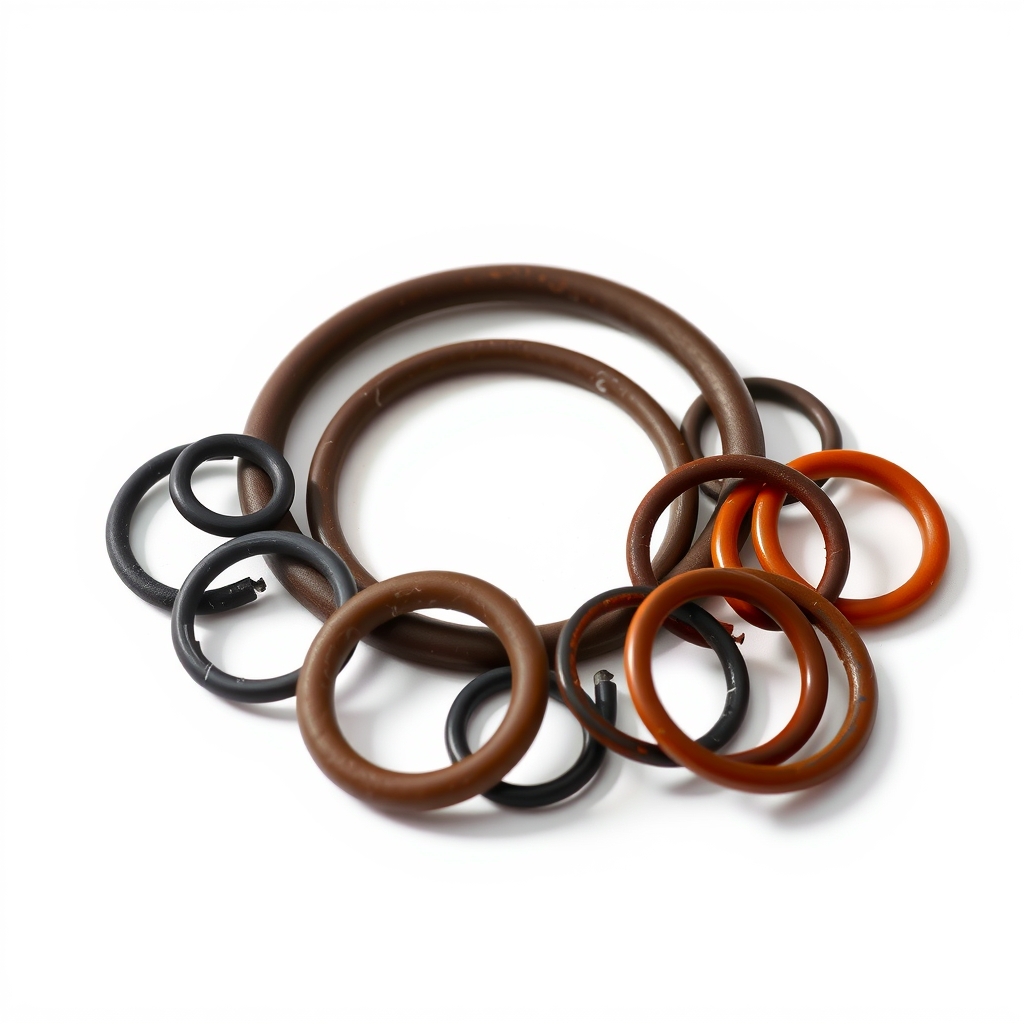
O-ring and plumber's grease kit
For a faucet whose cartridge looks fine
Why it happens
Worn O-rings on the stem
In most faucets, rubber O-rings seal the stem. They harden and flatten with use, then let water creep up and out under the handle.
A cartridge worn by age or minerals
Hard water leaves scale on the cartridge, and the scale scratches the seals every time the handle turns. The handle feels gritty or stiff, and water leaks around its base.
A loose handle screw or packing nut
A loose nut lets the stem wobble, which wears the seals. This is the easy cause, and it is worth checking first.
Worn washers on an older two-handle faucet
Older compression faucets use a rubber washer on each stem, and the stem packing wears out. A leak at the handle there often needs a packing nut turned or a stem repaired.
Try this first (free)
Do these in order, starting with the simplest.
-
Shut off the water
Turn both supply valves under the sink clockwise until snug, then open the faucet to drain the line. If a valve will not turn or does not stop the flow, shut off the main supply instead. Put a towel in the basin so small parts cannot fall down the drain.
-
Take off the handle
Tool used: Small screwdriver or hex keyPry off the cap on top of the handle, remove the screw under it, and lift the handle away. Photograph what you see before you touch anything.
-
Tighten the nut and clean the stem
Tool used: Adjustable pliersSnug the nut around the stem a quarter turn with pliers. Wipe scale off the stem with vinegar on a rag.
-
Pull the cartridge and compare
Tool used: Phone cameraUnscrew the retaining nut or remove the clip, then pull the cartridge straight up. Look for flattened O-rings, scratches or scale. Photograph it and note the brand name on the handle, spout or box.
-
Grease the O-rings or fit the new cartridge
Tool used: Replacement faucet cartridgeIf the cartridge looks fine, grease the O-rings and reassemble. If it is scored or worn, drop in a matching new one in the same position. Turn the water back on slowly and check for drips.
IllustrationCheck price on AmazonTool for this step
Replacement faucet cartridge · Must match your faucet's brand and model
When free fixes aren't enough
If the leak returns after tightening and greasing, the seals are worn past saving and the cartridge has to go. The same is true if you see scratches or scale you cannot clean off, or if the handle stays stiff after cleaning. Match the part by brand and model, because cartridges look alike but are not interchangeable. If the water comes from the base of the faucet body, or you see corrosion around the handle, that is a different repair. If a supply valve will not shut off, call a plumber.
Buy the fix
Still stuck after the free fixes? These are the products we would look at.
| Pick | Product | Fixes | Who it's for | Buy |
|---|---|---|---|---|
| Best pick | Replacement faucet cartridge that matches your faucet | a worn seal that leaks from the handle or makes it stiff | Anyone who tightened and greased the faucet and still sees water, or whose handle feels gritty. | Check price |
| Budget pick | O-ring assortment with plumber's silicone grease | a dry or worn O-ring when the cartridge itself is fine | A faucet with a smooth stem and no scratches that only weeps a little. | Check price |
Replacement faucet cartridge that matches your faucet
Fixes: a worn seal that leaks from the handle or makes it stiff
Look for: A listing that names your faucet's brand and model number; The same stem length and style as the old one, checked against the part you removed; New O-rings or seals in the package.
- Who it's for
- Anyone who tightened and greased the faucet and still sees water, or whose handle feels gritty.
- Honest downside
- You cannot identify the faucet's brand or model. Photograph the old cartridge and measure it first, or consider replacing the faucet.
O-ring assortment with plumber's silicone grease
Fixes: a dry or worn O-ring when the cartridge itself is fine
Look for: A mix of sizes so you can match the old rings; Silicone grease made for plumbing, not petroleum grease, which can damage rubber; Rubber rated for water, such as nitrile or silicone.
- Who it's for
- A faucet with a smooth stem and no scratches that only weeps a little.
- Honest downside
- The cartridge is scored, cracked or caked in scale. New rings will not rescue it.
As an Amazon Associate I earn from qualifying purchases. We don't show prices because they change, so use the button to see today's price.
How we picked: How we picked: this page is based on faucet repair guides from plumbing and faucet makers, cartridge fitting instructions, and the problems and fixes owners report in reviews. We do not test products by hand.
How to find the right cartridge
- Look for the brand. It is often printed on the handle, spout or cap. A model number may be on a label under the sink or stamped on the cartridge.
- Compare side by side. Match the height, width and the number and pattern of splines at the top with the listing photo and dimensions.
- Know your type. A single-handle cartridge has a stem with rubber seals. A ceramic disc cartridge is a short cylinder with two openings at the bottom. Older compression faucets use a stem with a rubber washer instead.
What to skip
Caulk or tape around the handle
Sealing the base of the handle hides the leak and traps water inside the faucet, where it can corrode parts. Plumber's tape belongs on threaded pipe joints, not on a handle stem.
Frequently asked questions
Why is my bathroom faucet handle hard to turn?
How do I fix a bathroom faucet handle that wobbles?
Do I need a plumber to change a faucet cartridge?
Will a new cartridge also stop a drip from the spout?
Related problems
 Free fix inside
Bathroom · Bathroom Faucet
Bathroom Faucet Dripping? Find Your Faucet Type, Then Fix It
Read the fix Free fix inside
Bathroom · Bathroom Faucet
Bathroom Faucet Leaking at the Base? A Cheap O-Ring Often Fixes It
Read the fix Free fix inside
Bathroom · Shower Valve
Shower Keeps Dripping When Off? The Cartridge Swap That Stops It
Read the fix Free fix inside
Bathroom · Bathroom Faucet
Bathroom Faucet Loose or Spinning? Tighten It With a Basin Wrench
Read the fixAs an Amazon Associate I earn from qualifying purchases. Affiliate disclosure