Bathroom Faucet Loose or Spinning? Tighten It With a Basin Wrench
The mounting nuts under the sink work loose, so the faucet wobbles or turns. Tighten what you can reach, then use a basin wrench for the rest.
By Jamilur Rahman Updated November 5, 2026 · 6 min read
- Time
- 20 min
- Cost
- Under $20
- Difficulty
- Easy
In this guide
Quick answer
A faucet wobbles or spins because the mounting nuts under the sink have worked loose, or the handle's set screw has. Look up behind the bowl. If you can reach the nuts, snug them with pliers or a socket. If you cannot, a basin wrench is made for this job. Its long shaft and swivel jaw reach tight nuts and give you the leverage to turn them.
Free fix vs. permanent fix
Tighten with the tools you have
- Tighten a loose handle's set screw with a hex key
- Shine a light under the sink and find the nuts
- Try adjustable pliers or a deep socket on the nuts
- Snug only. Overtightening cracks porcelain
How long it lasts: Works if the nuts are easy to reach. In a tight space pliers slip, and a half-tightened faucet loosens again within weeks.
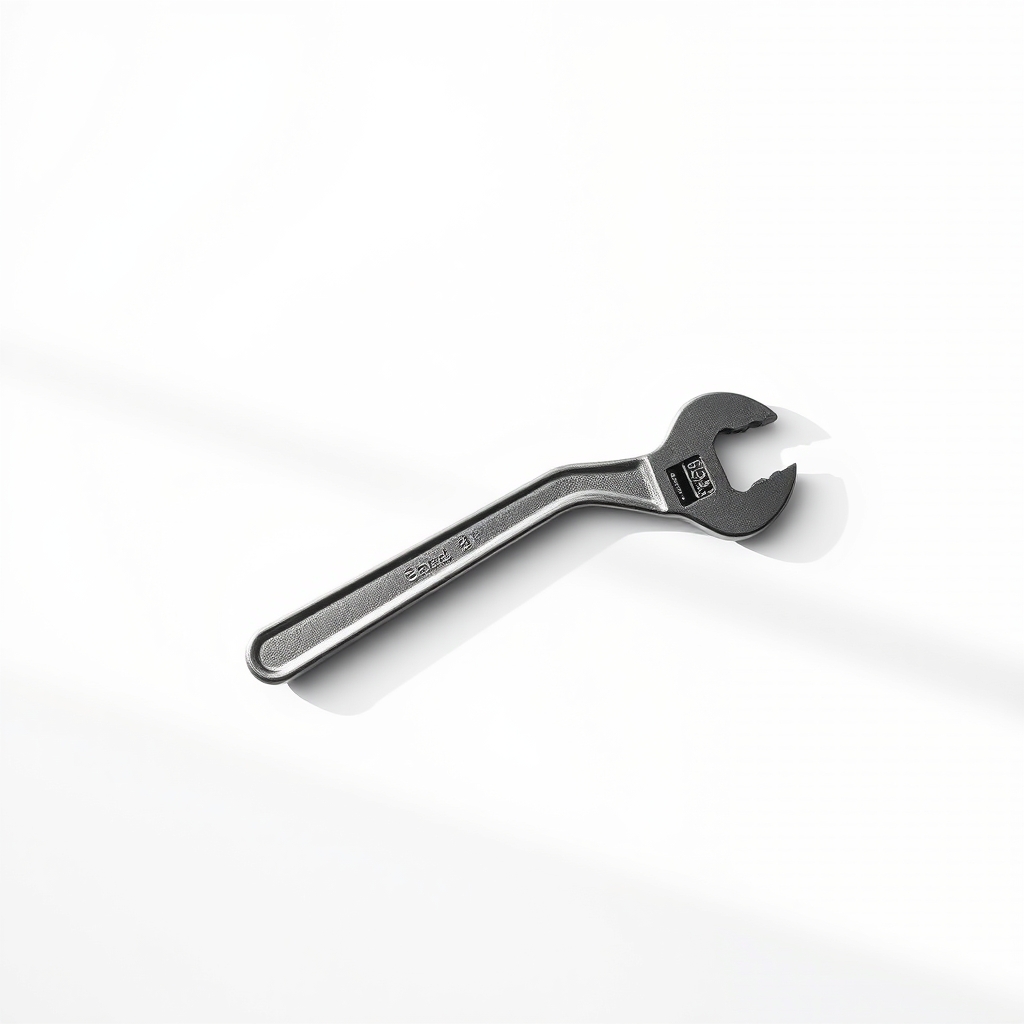
A basin wrench
The mounting nuts sit high behind the bowl, where a normal wrench cannot turn. A basin wrench has a long shaft and a swivel jaw that grips the nut from below, so you can turn it with a firm pull. With the nuts tight against the sink, the faucet has nothing to wobble on.
What to get: Basin wrench
How long it lasts: Years. A nut that is truly tight stays tight, and the wrench is there for the next faucet.
As an Amazon Associate I earn from qualifying purchases.
What you'll need
-
Flashlight
Lights up the dark space behind the bowl
You have it -
Old towel
Kneel on it and catch drips
You have it -
Adjustable pliers
Try these first on any nut you can reach
You have it - Illustration
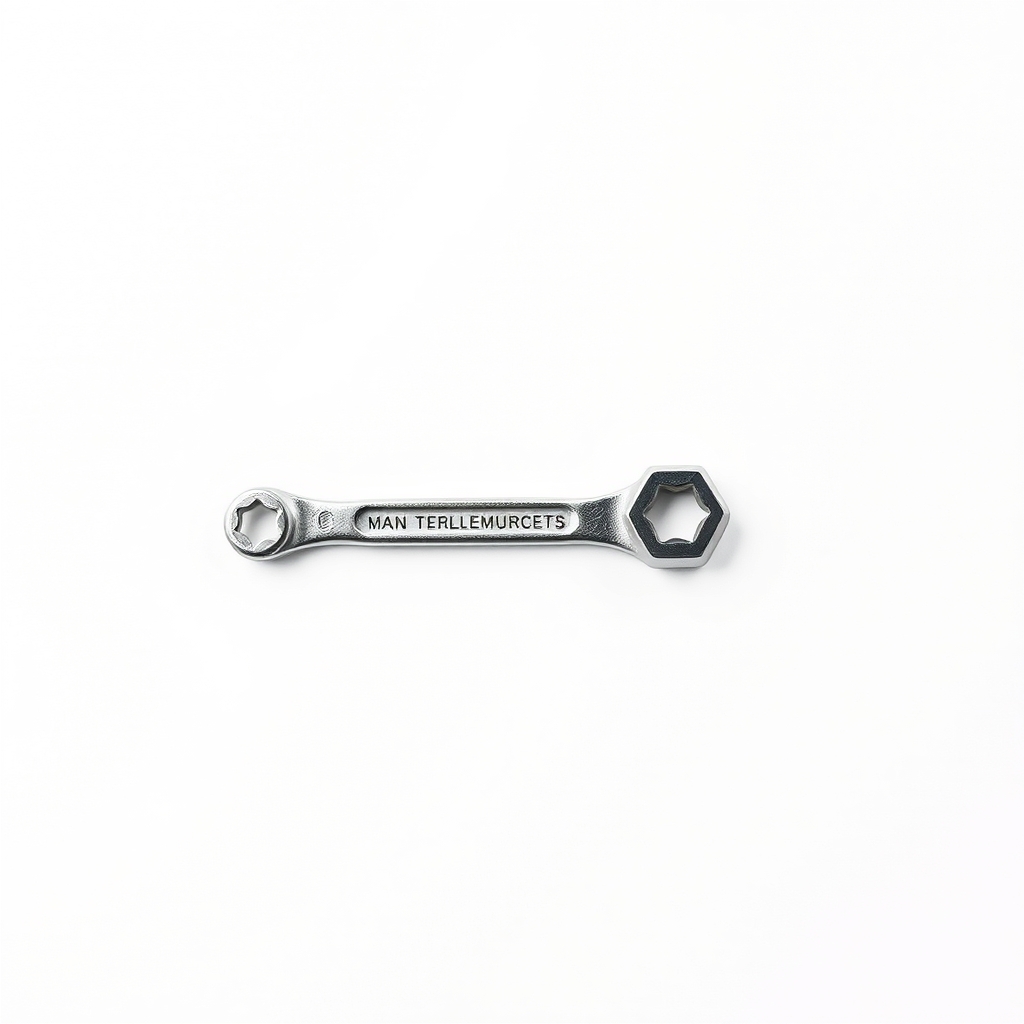
Hex key set
For a handle that wobbles on the spout
- Our pick Illustration
Basin wrench
For nuts behind the bowl that pliers cannot reach
- Illustration
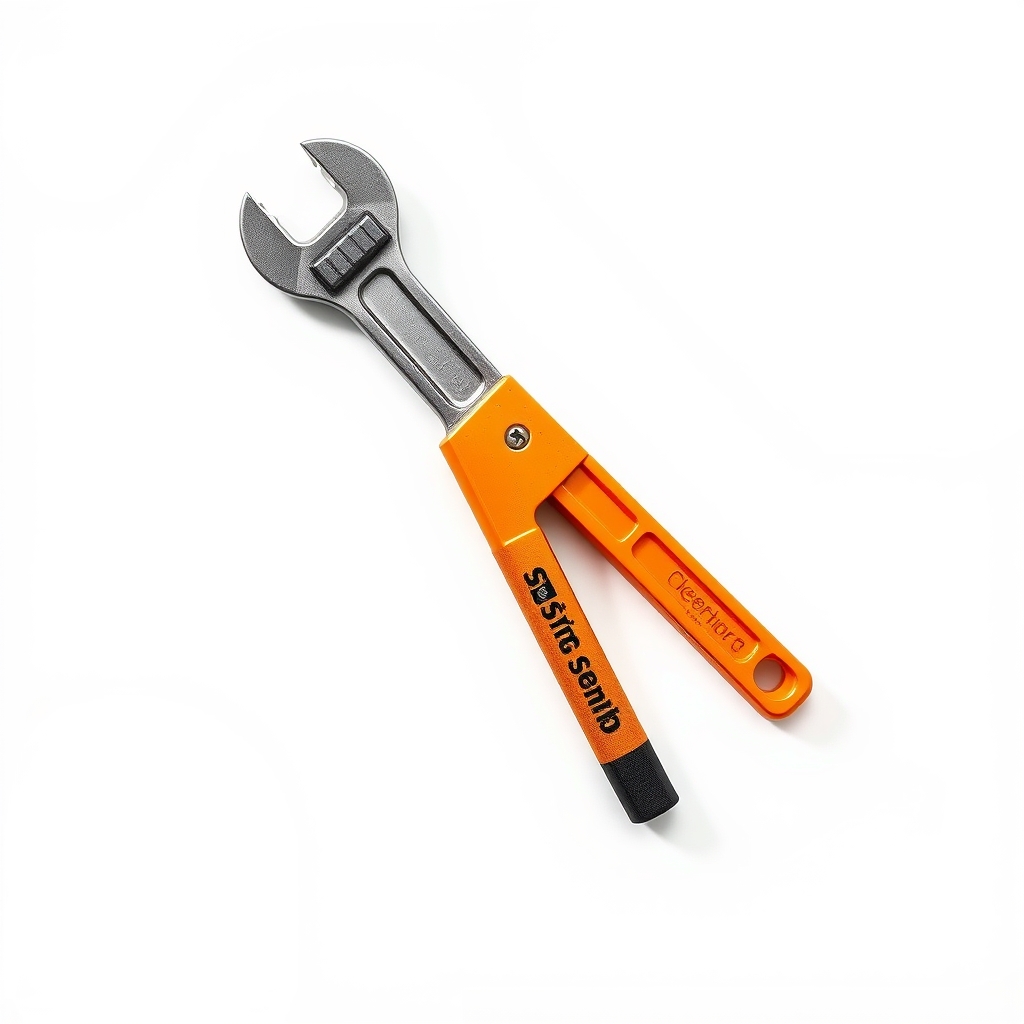
Telescoping basin wrench
For deep or crowded cabinets
Why it happens
Mounting nuts that worked loose
Each time you turn the handle or lean on the spout, the faucet shifts a hair. Over months and years, the nuts under the sink back off.
Plastic nuts and thin washers
Many faucets ship with plastic nuts or thin gaskets that compress and loosen. Overtightening them cracks them.
A loose handle set screw
If only the handle wobbles or turns freely on the spout, the small set screw under the handle cap has loosened.
A sink that flexes
A thin or cracked sink deck around the faucet holes flexes under pressure, so the faucet moves even when the nuts are tight.
Try this first (free)
Do these in order, starting with the simplest.
-
Check a loose handle first
Tool used: Hex key setIf only a handle wobbles, pry off the small cap on its base. Find the set screw and turn it clockwise with a hex key until the handle sits firm.
IllustrationCheck price on AmazonTool for this step
Hex key set · For a handle that wobbles on the spout
-
Look at the nuts from below
Tool used: FlashlightEmpty the cabinet and put a towel down. Kneel with a flashlight and look up behind the bowl. You should see one or two threaded shanks with nuts, plus the supply lines. Count the nuts so you tighten each one.
-
Try pliers on any nut you can reach
Tool used: Adjustable pliersGrip the nut with adjustable pliers and turn it clockwise, as seen from below. A deep socket with an extension fits some faucets. Snug it, and do not force it.
-
Use the basin wrench for the rest
Tool used: Basin wrenchSlide the jaw up the shank and over the nut. Flip the jaw so it bites when you turn clockwise. Hold the faucet straight with one hand from above while you tighten from below.
IllustrationCheck price on AmazonTool for this step
Basin wrench · For nuts behind the bowl that pliers cannot reach
-
Test and recheck
Wiggle the faucet, run the water and look for drips at the connections. Check the nuts again after a week, since new gaskets settle.
When free fixes aren't enough
If your pliers slip, you scrape your knuckles on pipes or you cannot get a tool onto the nut at all, the free approach has run out. A normal wrench has no room to turn there, and a basin wrench is built for that gap. If the nuts are tight and the faucet still moves, plastic nuts or gaskets may be crushed, or the sink around the holes may be cracked. Replace crushed plastic nuts with the faucet maker's parts. Call a plumber for a cracked sink or corroded supply lines.
Buy the fix
Still stuck after the free fixes? These are the products we would look at.
| Pick | Product | Fixes | Who it's for | Buy |
|---|---|---|---|---|
| Best pick | Basin wrench | loose faucet nuts you cannot reach with pliers | Anyone with a wobbly or spinning faucet who cannot get pliers onto the nuts. | Check price |
| Budget pick | Hex key (Allen wrench) set | a handle that wobbles or turns on the spout | Anyone whose handle, not the whole faucet, is loose. | Check price |
| Upgrade pick | Telescoping basin wrench | nuts at the back of deep or crowded cabinets | People with a deep vanity or lots of pipes in the way, or who change faucets often. | Check price |
Basin wrench
Fixes: loose faucet nuts you cannot reach with pliers
Look for: A swivel jaw that flips for tightening and loosening; A shaft about 10 inches or longer; A jaw wide enough for faucet nuts, roughly 3/8 to 1-1/4 inch; A sliding T-handle for leverage.
- Who it's for
- Anyone with a wobbly or spinning faucet who cannot get pliers onto the nuts.
- Honest downside
- Your faucet is held by a bracket and bolts you can reach with a screwdriver. You do not need a basin wrench.
Hex key (Allen wrench) set
Fixes: a handle that wobbles or turns on the spout
Look for: Both inch and metric sizes; Small sizes that fit handle set screws.
- Who it's for
- Anyone whose handle, not the whole faucet, is loose.
- Honest downside
- The whole faucet moves. The nuts under the sink are the problem.
Telescoping basin wrench
Fixes: nuts at the back of deep or crowded cabinets
Look for: A shaft that extends to reach deep cabinets; A jaw that fits the nuts on your faucet; A comfortable T-handle.
- Who it's for
- People with a deep vanity or lots of pipes in the way, or who change faucets often.
- Honest downside
- A standard basin wrench already reaches your nuts. The longer reach is just extra bulk.
As an Amazon Associate I earn from qualifying purchases. We don't show prices because they change, so use the button to see today's price.
How we picked: How we picked: this page is based on faucet installation instructions, plumbing tool guides and how-to articles, and the reach and fit problems people report in reviews of basin wrenches. We do not test products by hand.
Which way to turn the wrench
Seen from below, clockwise tightens, as with any normal thread. The jaw of a basin wrench flips: one position bites as you turn clockwise and the other as you turn counterclockwise. If the jaw slips when you turn the way you want, flip it over.
Still loose after tightening? Check these
- Crushed or cracked plastic nuts: replace them with the maker's parts.
- A missing or flattened gasket under the base: fit a new one or a thin ring of putty.
- A loose or cracked sink: see the related page on re-securing a sink.
What to skip
Overtightening and gluing the faucet down
Cranking hard on a nut can crack a porcelain sink or strip plastic nuts. Glue under the faucet hides the movement but traps water and makes the next repair harder. Tighten until the faucet is firm, then stop.
Frequently asked questions
Why does my bathroom faucet keep coming loose?
Do I need to shut off the water to tighten the nuts?
Why is my faucet handle loose but the base is tight?
Why does my bathroom tap keep turning?
Related problems
 Free fix inside
Bathroom · Bathroom Faucet
Bathroom Faucet Dripping? Find Your Faucet Type, Then Fix It
Read the fix Free fix inside
Bathroom · Bathroom Faucet
Bathroom Faucet Leaking at the Base? A Cheap O-Ring Often Fixes It
Read the fix Free fix inside
Bathroom · Bathroom Faucet
Bathroom Faucet Leaking From the Handle? Swap the Cartridge
Read the fixAs an Amazon Associate I earn from qualifying purchases. Affiliate disclosure