Bathroom Faucet Leaking at the Base? A Cheap O-Ring Often Fixes It
Water pooling at the faucet base or handle usually points to a worn O-ring. Find the real source first, then swap the ring for a few dollars.
By Jamilur Rahman Updated November 5, 2026 · 6 min read
- Time
- 30 min
- Cost
- Under $20
- Difficulty
- Medium
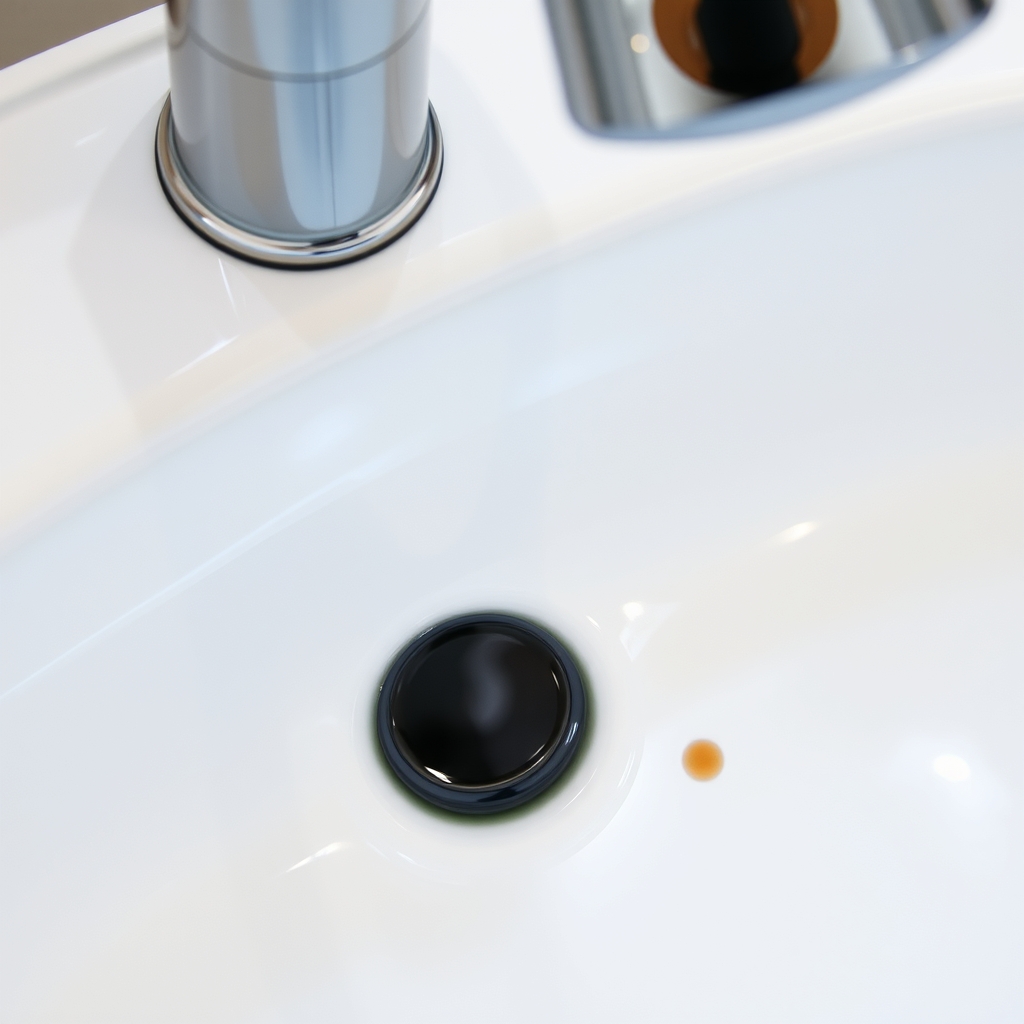
In this guide
Quick answer
Water leaking at the base of a bathroom faucet usually comes from a worn rubber O-ring around the spout or cartridge, or from a worn seal under the handle. Dry the faucet and press dry toilet paper around the base to find the real source, shut off the water and swap the O-ring. A faucet O-ring kit has the sizes you need. Look for one that also has silicone grease.
Free fix vs. permanent fix
Find the source, then snug the handle
- Dry the faucet and use tissue to find the true source
- Gently snug the handle screw and retaining nut
- Check the nuts under the sink are snug
- Never overtighten plastic parts
How long it lasts: A few days or weeks, and only if the leak came from a loose part. A flat or cracked O-ring keeps leaking.
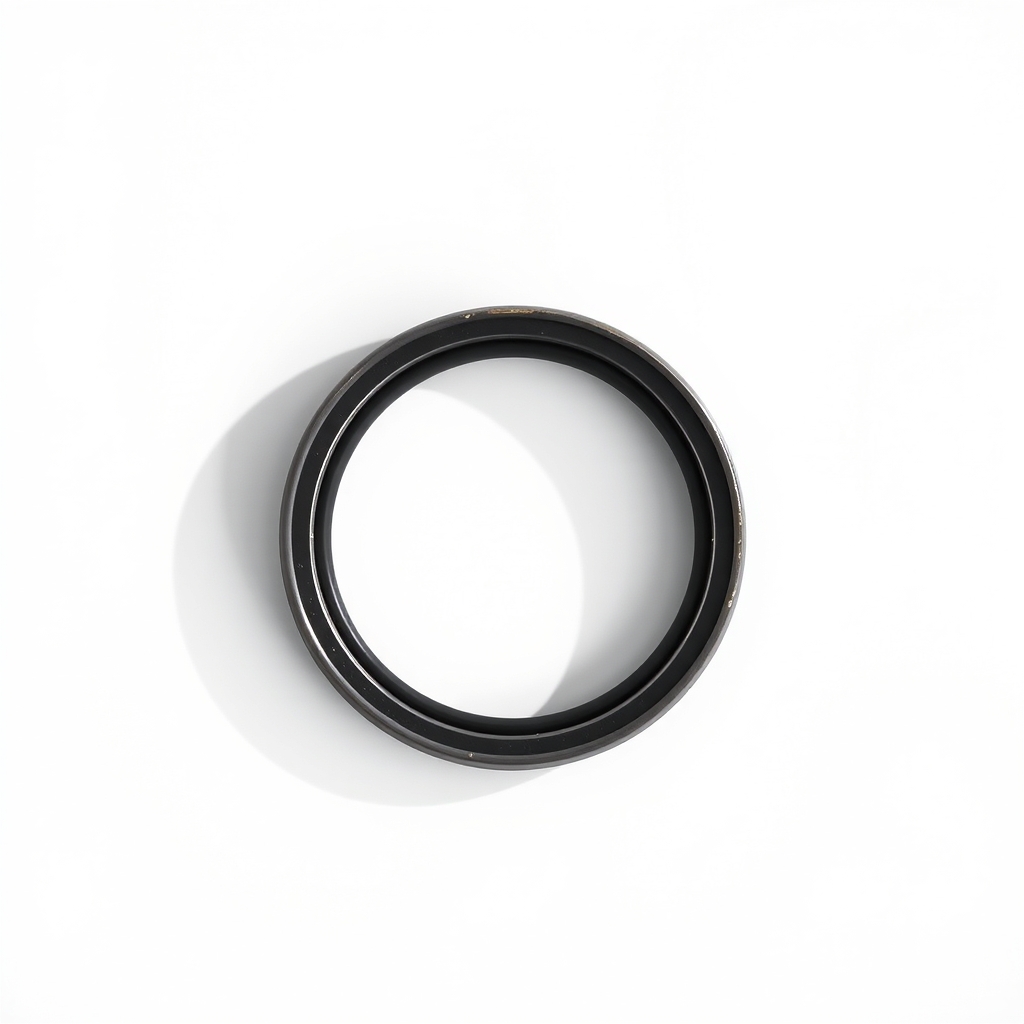
A faucet O-ring and seal kit
O-rings are the rubber seals that stop water escaping where parts meet. They harden and flatten after years of hot water and minerals, and then water seeps past them to the base. New rings restore the seal for a few dollars, far less than a new faucet or cartridge.
What to get: Faucet O-ring and seal kit
How long it lasts: Years. New rubber seals the joint, and a film of silicone grease keeps it soft.
As an Amazon Associate I earn from qualifying purchases.
What you'll need
-
Toilet paper
Shows where the leak starts
You have it -
Small screwdriver or pick
Pries off the handle cap and the old O-rings
You have it -
Adjustable wrench
For the retaining nut under the handle
You have it - Our pick Illustration
Faucet O-ring and seal kit
Many sizes in one case, so you can match the old ring
- Illustration
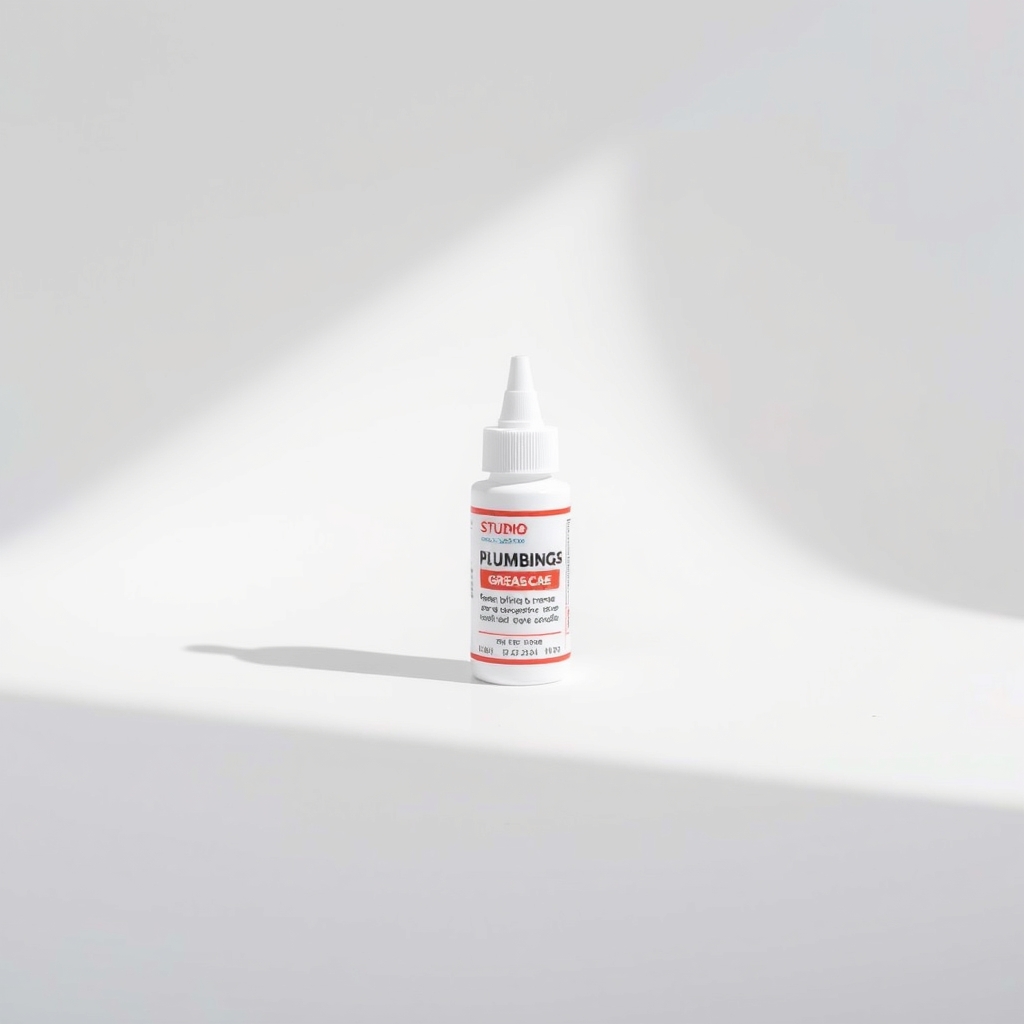
Silicone plumber's grease
Keeps new O-rings soft and helps them slide in
- Illustration
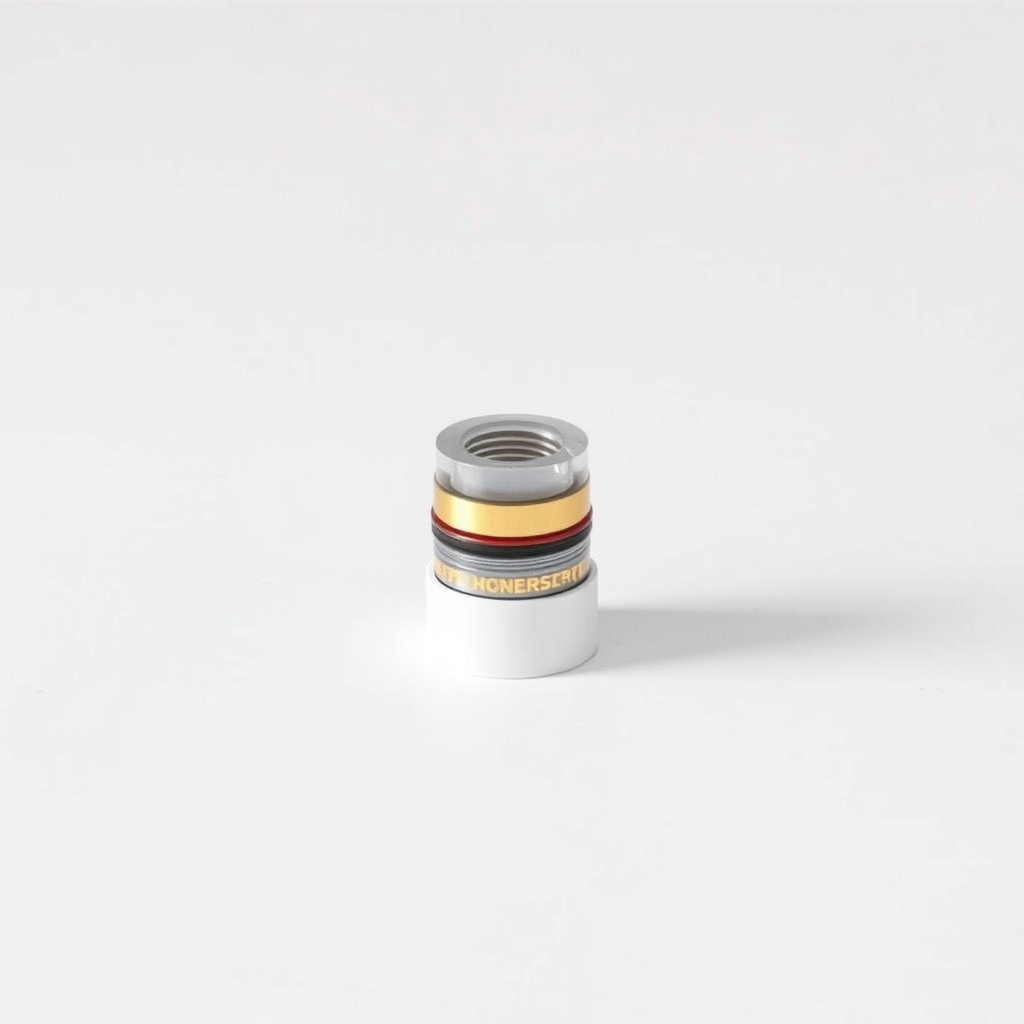
Replacement faucet cartridge
Only if new O-rings do not stop it
Why it happens
A worn O-ring
Rubber O-rings around the spout base or the cartridge harden and flatten with heat and hard water. Water seeps past them and runs down to the base.
A loose handle or retaining nut
If the handle or the nut that holds the cartridge works loose, the seal is not pressed tight and water seeps out under the handle.
A worn cartridge or stem seal
On older faucets, the seals built into the cartridge or stem wear out. If the O-rings are fine but it still leaks, the whole cartridge is the fix.
Scale and grit around the joint
Mineral buildup keeps an O-ring from seating and can scratch it when you turn the handle or the spout.
A leak from somewhere else
Water at the base can come from a supply line or connection below, or from condensation on cold pipes. The tissue test shows which.
Try this first (free)
Do these in order, starting with the simplest.
-
Dry it and find the real source
Tool used: Toilet paperWipe the faucet and sink deck dry. Wrap dry toilet paper around the base, the handle and the supply connections under the sink. Run the water and see which paper gets wet first.
-
Try a gentle tighten
Tool used: Small screwdriver or pickPry off the small cap on the handle and tighten the screw. Then snug the retaining nut under it, only until it feels firm. If the leak slows, it was loose. If not, move on.
-
Shut off the water
Close both stop valves under the sink, turning clockwise. Open the faucet to drain it. Put a rag over the drain so small parts do not fall in.
-
Take the faucet apart
Tool used: Adjustable wrenchRemove the handle, then the retaining nut or cap, then lift out the cartridge or stem. Take a photo at each step and lay the parts on a towel in order.
-
Swap the O-rings
Tool used: Faucet O-ring and seal kitPry off the old rings. Match each one against the kit by width and thickness, and fit the same size. Coat the new rings with silicone grease so they slide into place.
IllustrationCheck price on AmazonTool for this step
Faucet O-ring and seal kit · Many sizes in one case, so you can match the old ring
-
Reassemble and test
Reverse the steps and turn the stops back on slowly. Run hot and cold water, then check the base with fresh tissue. Look again the next morning.
When free fixes aren't enough
If tightening did not slow the leak, the O-ring is probably flat or cracked, and tightening cannot bring the rubber back. A kit is the repair, and it costs a few dollars. If new O-rings do not stop it, the cartridge or stem is worn, so replace it with the maker's part. Call a plumber if the water comes from a supply line, a stop valve or a pipe under the sink, if the faucet body is corroded or cracked, or if you cannot shut off the water.
Buy the fix
Still stuck after the free fixes? These are the products we would look at.
| Pick | Product | Fixes | Who it's for | Buy |
|---|---|---|---|---|
| Best pick | Faucet O-ring and seal kit | water seeping from the base of the spout or handle through a worn seal | Anyone whose faucet leaks at the base and who can match the old O-ring by size. | Check price |
| Upgrade pick | Replacement bathroom faucet cartridge | a leak that continues after new O-rings, from a worn cartridge | Anyone whose faucet is more than ten years old, or whose O-rings look fine but still leak. | Check price |
Faucet O-ring and seal kit
Fixes: water seeping from the base of the spout or handle through a worn seal
Look for: Many sizes, in both inch and metric; Rubber suited to hot and cold water; Silicone grease in the kit, or easy to add; A case that sorts the sizes so matching is easy.
- Who it's for
- Anyone whose faucet leaks at the base and who can match the old O-ring by size.
- Honest downside
- The leak is from a supply line or from the cartridge body. New O-rings will not help.
Replacement bathroom faucet cartridge
Fixes: a leak that continues after new O-rings, from a worn cartridge
Look for: A listed match for your faucet's make and model; New seals and O-rings included; The right fit for your handle type.
- Who it's for
- Anyone whose faucet is more than ten years old, or whose O-rings look fine but still leak.
- Honest downside
- You do not know your faucet's brand or model. Check the handle, the underside or the box first.
As an Amazon Associate I earn from qualifying purchases. We don't show prices because they change, so use the button to see today's price.
How we picked: How we picked: this page is based on faucet repair guides from plumbing suppliers, O-ring and seal care advice, and what owners report in reviews of faucet O-ring kits and cartridges. We do not test products by hand.
Where is the leak? A two-minute check
- Where the spout meets the faucet body: the spout O-ring.
- Under the handle: a cartridge or stem O-ring, or a loose retaining nut.
- Where the faucet meets the sink: a loose mounting nut or a worn gasket. See the related page.
- Wet pipes below the sink: a supply line or stop valve. That is a plumber job if tightening does not stop it.
Use silicone grease, not petroleum jelly
Petroleum jelly can swell and soften some rubber O-rings and shorten their life. Silicone plumber's grease is made for this job and is safe around drinking water. A thin film on each new ring is enough.
What to skip
Caulk or silicone dabbed around the base
A bead of caulk at the base hides a leak without fixing it. Water keeps escaping, then soaks the vanity or grows mold under the faucet. Fix the seal that is leaking.
Frequently asked questions
Why is my bathroom faucet leaking at the base?
How do I fix a bathroom faucet leaking at the base of the handle?
How do I know which O-ring size to buy?
Related problems
 Free fix inside
Bathroom · Bathroom Faucet
Bathroom Faucet Leaking From the Handle? Swap the Cartridge
Read the fix Free fix inside
Bathroom · Bathroom Faucet
Bathroom Faucet Squeaking? A Dab of Grease Often Silences It
Read the fix Free fix inside
Bathroom · Bathroom Faucet
Bathroom Faucet Loose or Spinning? Tighten It With a Basin Wrench
Read the fix Free fix inside
Bathroom · Bathroom Faucet
Bathroom Faucet Dripping? Find Your Faucet Type, Then Fix It
Read the fixAs an Amazon Associate I earn from qualifying purchases. Affiliate disclosure