Bathroom Faucet Squeaking? A Dab of Grease Often Silences It
A squeak when you turn the handle means dry rubber seals. A whistle while water runs is a different cause. Here is how to fix each one in minutes.
By Jamilur Rahman Updated November 5, 2026 · 7 min read
- Time
- 20 min
- Cost
- Under $20
- Difficulty
- Easy
In this guide
Quick answer
A faucet squeaks when you turn the handle because the rubber O-rings inside have dried out and grip the metal. A high-pitched whistle while water runs is a different problem, usually a clogged aerator, a half-closed stop valve or a worn washer. Clean the aerator and open the stop valves fully first. If the handle itself squeaks, silicone plumber's grease on the O-rings and stem quiets it.
Free fix vs. permanent fix
Clean the aerator and open the stop valves
- Open both stop valves under the sink fully
- Unscrew the aerator and soak it in vinegar for 30 minutes
- Wipe the handle and stem with a damp cloth
- Skip cooking oil and spray lubricants
How long it lasts: Fixes a whistle from scale or a half-closed valve. It does nothing for a dry, squeaking handle, which needs lubricant.
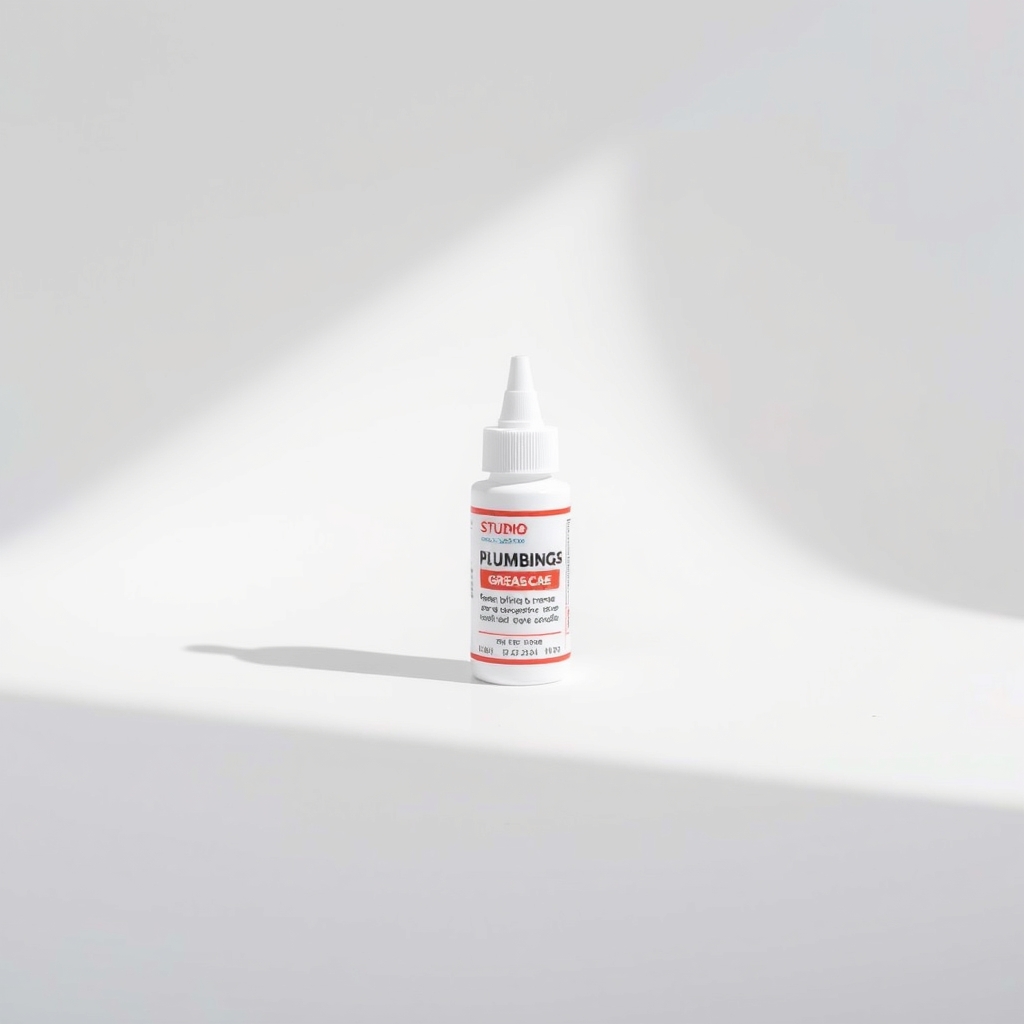
Silicone plumber's grease on the seals
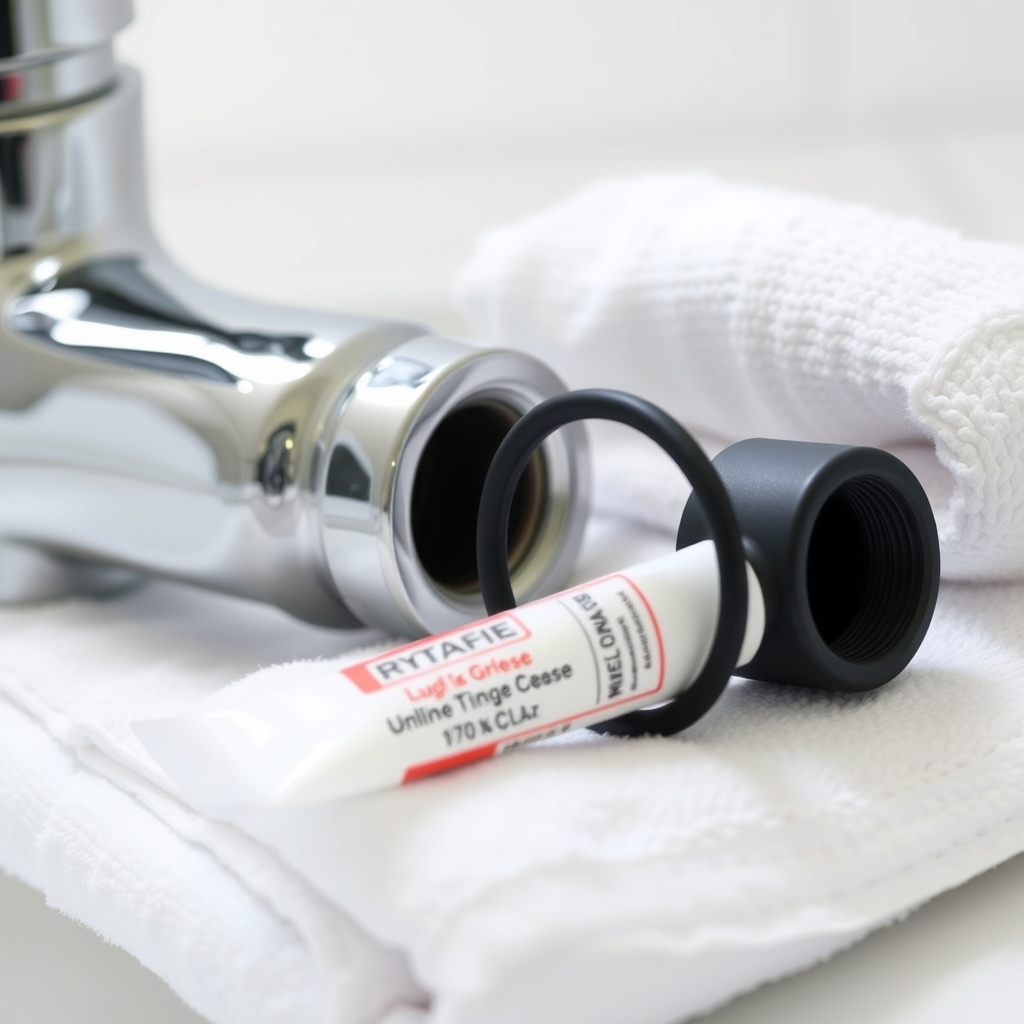
A squeak is dry rubber rubbing on metal. Silicone grease is slippery, stays in place in water and is made for drinking-water parts, unlike cooking oil that goes rancid or sprays that wash out. It also protects the O-rings, so they last longer.
What to get: Silicone plumber's grease
How long it lasts: A thin film stays put in water and can keep a handle quiet for a long time. One tube lasts through many repairs.
As an Amazon Associate I earn from qualifying purchases.
What you'll need
-
Adjustable pliers and a cloth
Unscrews a tight aerator without scratching the finish
You have it -
White vinegar
Soaks scale out of the aerator
You have it -
Small screwdriver or hex key
For the handle cap and screw
You have it - Our pick Illustration
Silicone plumber's grease
Look for one labeled safe for drinking-water plumbing
- Illustration
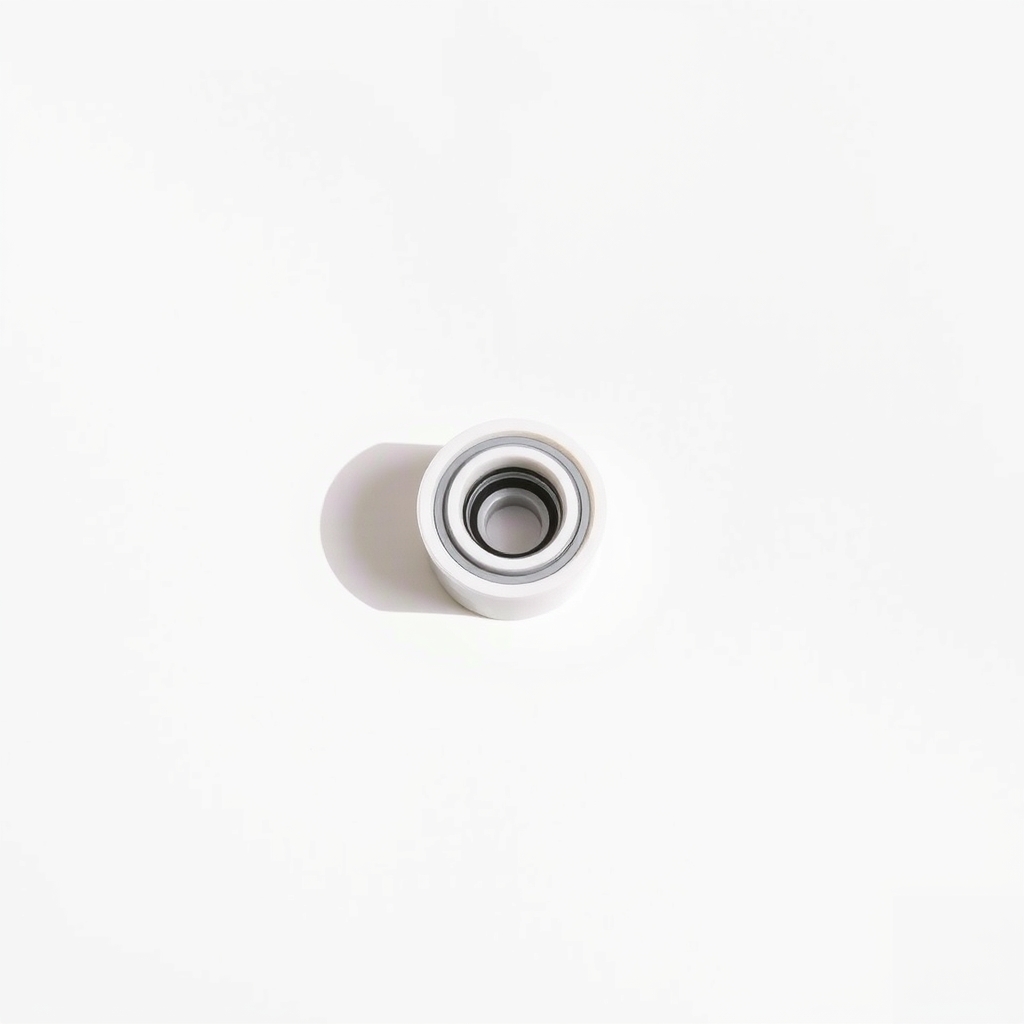
Replacement faucet aerator
If the old one is cracked or too clogged to clean
- Illustration
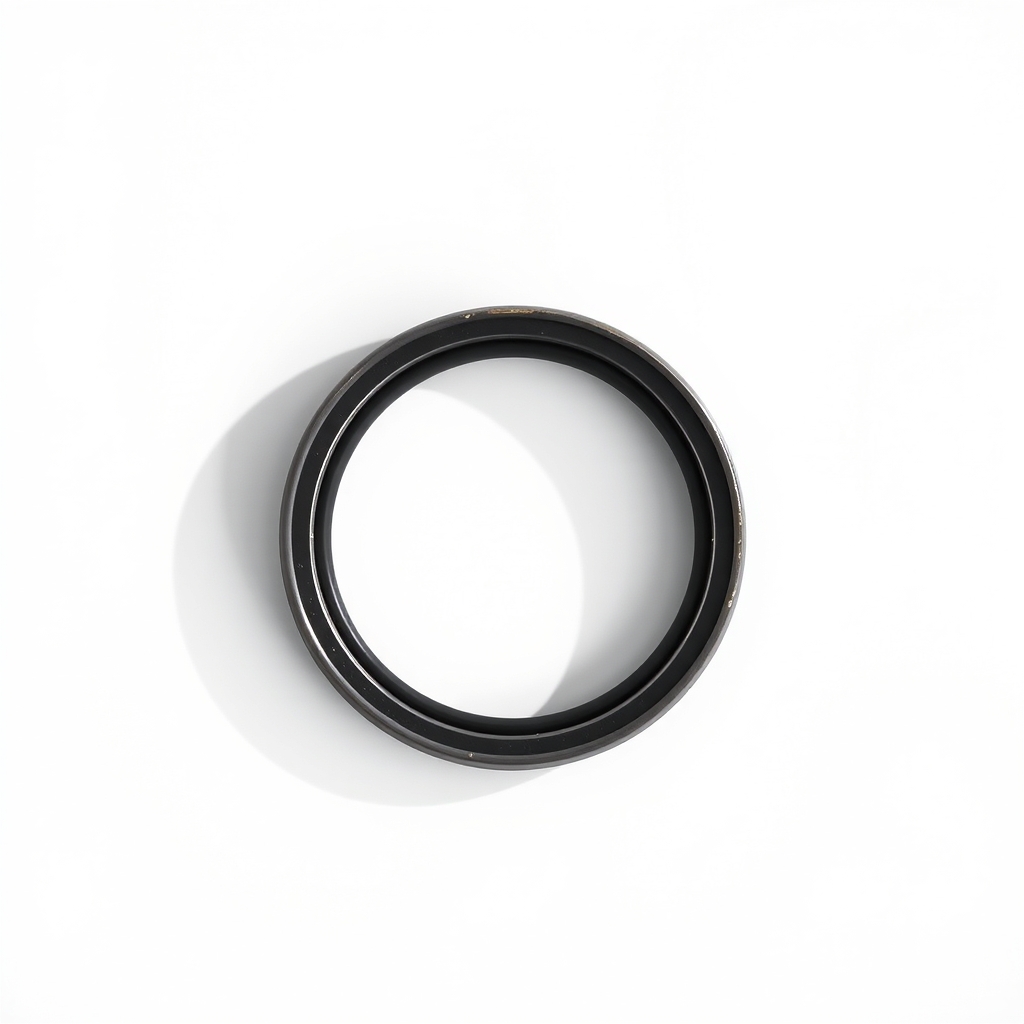
Faucet O-ring and seal kit
If the old O-rings are flat or cracked
Why it happens
Dry O-rings on the cartridge or stem
Rubber O-rings dry out over time. They then grip the metal as the handle turns and squeak.
Scale and grit on moving parts
Hard water leaves mineral grit between the moving parts. It scrapes as you turn, so the handle squeaks or feels gritty.
A clogged or loose aerator
Scale blocks some of the aerator's tiny holes, so water is forced through a narrow gap. That can make a high-pitched whistle.
A half-closed stop valve
If a shut-off valve under the sink is only partly open, water whistles as it squeezes past.
A worn washer or cartridge
On older two-handle faucets a worn washer vibrates in the flow and squeals. A worn cartridge can hum or whistle too.
High water pressure
Pressure well above normal can make faucets hiss, whistle or bang. Many homes run between 40 and 60 psi.
Try this first (free)
Do these in order, starting with the simplest.
-
Find which noise you have
Turn the handle with the water off. A squeak with no water running is the handle itself, so its O-rings or stem. A whistle only when water runs points to the aerator, a valve or the pressure.
-
Open the stop valves fully
Under the sink, turn both stop valves fully counterclockwise, then back off a quarter turn. A valve that is only partly open is a common cause of whistling.
-
Clean the aerator
Tool used: White vinegarUnscrew the aerator from the spout tip, using a cloth over pliers if it is tight. Soak it in vinegar for 30 minutes, scrub the screen with an old toothbrush and rinse. Refit it hand-tight.
-
Shut off the water and remove the handle
Tool used: Small screwdriver or hex keyClose both stop valves and open the faucet to drain it. Pop off the handle cap, remove the screw, lift off the handle and take out the cartridge or stem.
-
Grease the seals and the stem
Tool used: Silicone plumber's greaseWipe the parts with a damp cloth. Rub a thin film of silicone grease onto each O-ring, the stem and any metal surface that rubs. Do not pack it on.
IllustrationCheck price on AmazonTool for this step
Silicone plumber's grease · Look for one labeled safe for drinking-water plumbing
-
Reassemble and test
Put the parts back in order, turn the stop valves on slowly and run the handle through its full range. If an O-ring looks flat or cracked, replace it instead of greasing it.
When free fixes aren't enough
If the aerator is clean and the valves are fully open but the faucet still whistles, the noise is inside the faucet: a worn washer, a worn cartridge or high pressure. Grease helps only dry parts. A flat or cracked O-ring, a scored stem or a worn washer needs replacing, so keep a kit on hand. If every faucet in the house whistles, or the pipes bang when you shut off a tap, the house pressure may be too high. A plumber can test it and fit a regulator. A whistle from inside the wall is a plumber's job too.
Buy the fix
Still stuck after the free fixes? These are the products we would look at.
| Pick | Product | Fixes | Who it's for | Buy |
|---|---|---|---|---|
| Best pick | Silicone plumber's grease | a squeaking, sticky or gritty handle caused by dry rubber seals | Anyone whose faucet squeaks when the handle turns, or who has the faucet apart anyway. | Check price |
| Budget pick | Replacement faucet aerator | a whistle, hiss or splashy roar at the spout from a worn or clogged aerator | Someone whose aerator is cracked, clogged beyond cleaning or makes the water loud and splashy. | Check price |
| Upgrade pick | Faucet O-ring and seal kit | squeaks that return because the old O-rings are flat or cracked | Anyone whose handle still squeals after greasing, or whose O-rings look worn. | Check price |
Silicone plumber's grease
Fixes: a squeaking, sticky or gritty handle caused by dry rubber seals
Look for: Labeled safe for drinking-water plumbing; Silicone-based, not petroleum; A small tube or tub with a nozzle that reaches small parts.
- Who it's for
- Anyone whose faucet squeaks when the handle turns, or who has the faucet apart anyway.
- Honest downside
- The noise is a whistle while water runs. Grease will not help. Clean the aerator and check the valves first.
Replacement faucet aerator
Fixes: a whistle, hiss or splashy roar at the spout from a worn or clogged aerator
Look for: The right thread type and size for your spout; A sturdy metal or solid body; A flow rate printed on the pack.
- Who it's for
- Someone whose aerator is cracked, clogged beyond cleaning or makes the water loud and splashy.
- Honest downside
- You do not know your thread size. Take the old one off and check. A wrong fit leaks.
Faucet O-ring and seal kit
Fixes: squeaks that return because the old O-rings are flat or cracked
Look for: Many sizes in both inch and metric; Rubber suited to hot and cold water.
- Who it's for
- Anyone whose handle still squeals after greasing, or whose O-rings look worn.
- Honest downside
- The O-rings look soft and plump. Grease alone will do.
As an Amazon Associate I earn from qualifying purchases. We don't show prices because they change, so use the button to see today's price.
How we picked: How we picked: this page is based on faucet care guides from plumbing suppliers, advice on water pressure and faucet noise, and the problems people report in reviews of plumber's grease and replacement aerators. We do not test products by hand.
Squeak or whistle? Which one do you have
- Squeaks when you turn the handle: dry O-rings or scale on the cartridge or stem. Grease it.
- Whistles or hisses while water runs: the aerator, a half-closed valve or high pressure.
- Bangs when you shut it off: water hammer. Call a plumber.
How much grease to use
A pea-sized dab is enough for each O-ring. Rub it in with a fingertip and wipe off the extra, since too much grease collects grit. Do not grease the aerator or any part the water flows through.
What to skip
Cooking oil, petroleum jelly and spray lubricants
Cooking oil goes rancid and smells. Petroleum jelly can swell and soften some rubber seals. Spray lubricants are not made for parts that touch drinking water, and they wash away fast. Use silicone plumber's grease instead.
Frequently asked questions
Why does my bathroom faucet squeak when I turn it?
Why does my bathroom faucet whistle or make a high-pitched sound?
Why is my bathroom faucet so loud?
Can I use WD-40 on a squeaky faucet?
Related problems
As an Amazon Associate I earn from qualifying purchases. Affiliate disclosure